(Viber, Whatsapp, Cell) +977 9851022814

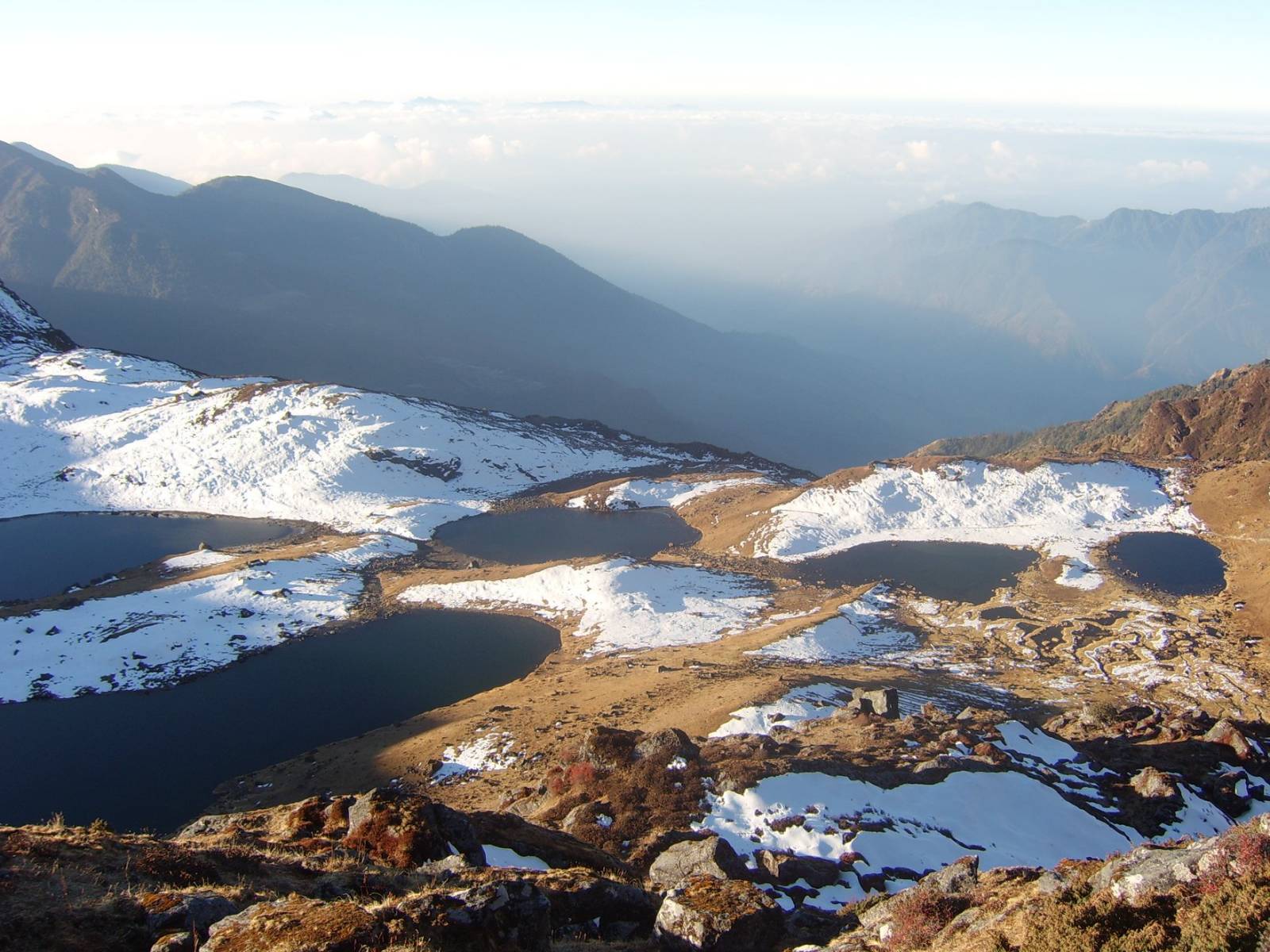
The Panch Pokhari Trek is one of Nepal’s best hidden trekking destinations. A sprotua; 5-day adventure from Kathmandu into the remote hills of Sindupalchowk District to five sacred high-altitude lakes that have been drawing the Hindu pilgrims from different parts of Nepal, but are completely unknown to the international trekking community.
Panch Pokhari means “five lakes” in Nepali, which sits at 4,100m in the Jugal Himal Conservation Area located northeast of Nepal. The five glacial lakes are considered to be manifestations of Lord Shiva, and the surrounding landscape carries a spiritual atmosphere unlike anywhere on any trek destination near Kathmandu. During the annual festival of Janai Purnima (the full moon of Shrawan month, usually July or August), thousands of Hindu pilgrims make the journey on foot from surrounding districts to bathe in the sacred lakes.
Day 1 Drive Kathmandu to Bhotang Village (1,800m / 5,906ft)
Day 2 Trek Bhotang (1,800m / 5,906ft) to Nasimpati (3,600m / 12,139ft)
Day 3 Trek Nasimpati (3,600m / 12,139ft) to Panch Pokhari Lakes (4,100m / 13,451ft)
Day 4 Trek Nasimpati (3,600m / 12,139ft) down to Bhotang Village (1,800m / 5,906ft)
Day 5 Drive Bhotang Village to Kathmandu (1,350m / 4,430ft)
The Five Sacred Lakes
The name Panch Pokhari translates directly as “five lakes” — and the five glacial lakes at 4,100m are the spiritual and physical centrepiece of the entire trek. The lakes sit in a high alpine basin beneath the ridges of the Jugal Himal, their still waters surrounded by prayer flags, stone shrines, and the footprints of generations of pilgrims who have made this journey before you.
Each of the five lakes holds its own name and spiritual significance in Hindu tradition — collectively they are associated with Lord Shiva and believed to have been created by the god himself as places of purification and spiritual power. The largest lake — Panch Pokhari proper — is surrounded by small shrines maintained by a resident pujari (priest) who lives at the lake during the trekking and pilgrimage season.
The atmosphere at the lakes is unlike anything available on Nepal’s mainstream trekking routes. On the day of Janai Purnima the basin fills with thousands of pilgrims in a scene of extraordinary colour, devotion, and communal energy — one of the most authentic and moving religious experiences in the Himalaya. Outside the festival period the lakes are profoundly peaceful — still, sacred, and surrounded by the glaciated peaks of the Jugal Himal.
The Jugal Himal Range
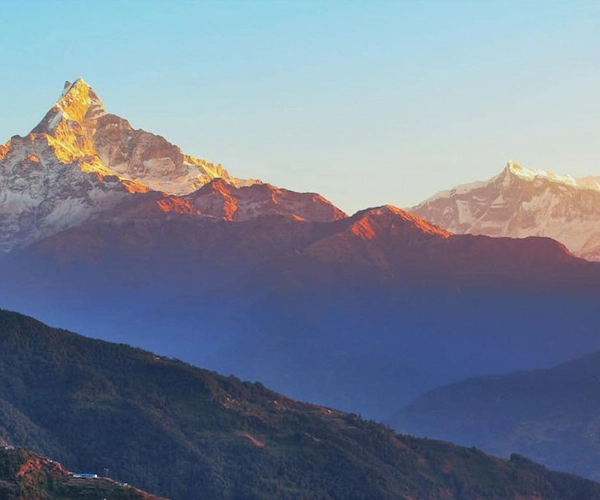
The Jugal Himal is one of Nepal’s least visited and least known high mountain ranges — a chain of glaciated peaks northeast of Kathmandu reaching 6,966m at Dorje Lakpa. The range is visible from the upper sections of the Panch Pokhari route and provides a dramatic high Himalayan backdrop to the lake basin and the Nasimpati ridge camp.
The Jugal Himal Conservation Area — established to protect the extraordinary biodiversity and high mountain ecosystems of the range — covers the entire upper trekking zone above 3,000m. The conservation area is home to snow leopards, red pandas, Himalayan black bears, musk deer, and an extraordinary range of high-altitude birds including the Himalayan monal (Nepal’s national bird) and numerous species of pheasant.
Bhotang Village — The Starting Point
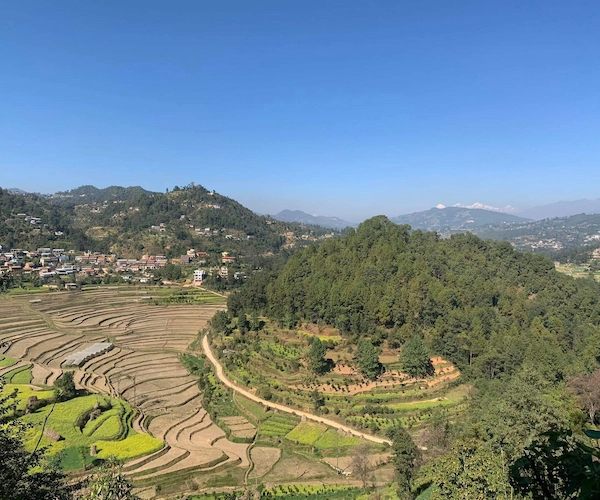
Bhotang village (1,800m) in Sindhupalchok district is the trailhead for the Panch Pokhari Trek and an interesting destination in its own right. The village is home to a mix of Tamang, Sherpa, and Brahmin-Chhetri communities who maintain traditional agricultural lifestyles largely unchanged by modern development. Stone houses, terraced farmland, Buddhist stupas, and Hindu temples coexist in the compact village setting — a microcosm of the religious and cultural diversity that defines the Sindhupalchok hills.
The 6–7 hour drive from Kathmandu to Bhotang follows the Araniko Highway northeast through the Sunkoshi valley before turning into the increasingly remote Sindhupalchok hills — a scenic journey in its own right through river gorges, terraced farmland, and traditional roadside villages.
The Forest Ascent — Biodiversity and Beauty
The trail from Bhotang to Nasimpati passes through some of the finest rhododendron and oak forest in the Sindhupalchok hills. In spring (March to May) the rhododendrons bloom in extraordinary layers of red, pink, and white — creating a natural spectacle that rivals the famous Annapurna and Langtang forest sections. The forest is rich in wildlife — red pandas are most commonly sighted in the upper rhododendron zone between 2,500m and 3,500m, and the birdlife throughout the forest is exceptional.
Above the forest the landscape opens into high pastureland and alpine scrub — yak herders use the upper meadows between Nasimpati and the lake basin seasonally, and their traditional black yak-hair tents are a common sight on the approach to Panch Pokhari in the trekking season.
Difficulty and Fitness Requirements
The Panch Pokhari Trek is rated moderate to challenging for its category as a short 5-day trek. The maximum altitude of 4,100m at the lakes requires basic altitude awareness. The most demanding days are Day 2 (7–8 hours of sustained climbing from Bhotang to Nasimpati) and Day 4 (8–9 hours of descent back to Bhotang) — both require good stamina and comfortable downhill walking. No technical skills or prior trekking experience are required but good physical fitness is essential.
Best Time to Trek
The best seasons are spring (March to May) and autumn (September to November). Spring offers rhododendron blooms on the forest ascent and warming temperatures. Autumn brings the clearest skies and sharpest Jugal Himal views — October is the best single month. The Janai Purnima festival period (July/August) is a unique time to trek if you want to witness the pilgrimage at Panch Pokhari — the experience of arriving at the lakes during the festival is extraordinary but expect monsoon conditions on the lower trails with rain, leeches, and mud. Winter (December to February) is cold above 3,000m but possible for well-equipped and experienced trekkers.
Although independent trekking is possible, hiring an experienced guide from Alliance Treks is highly recommended for safety, local insights, and a better trekking experience.
Trekkers generally require the TIMS Card and any applicable local trekking permits according to current Nepal tourism regulations.
Alliance Treks & Expedition Pvt. Ltd. Once is not enough for naturally and culturally Himalayas