(Viber, Whatsapp, Cell) +977 9851022814

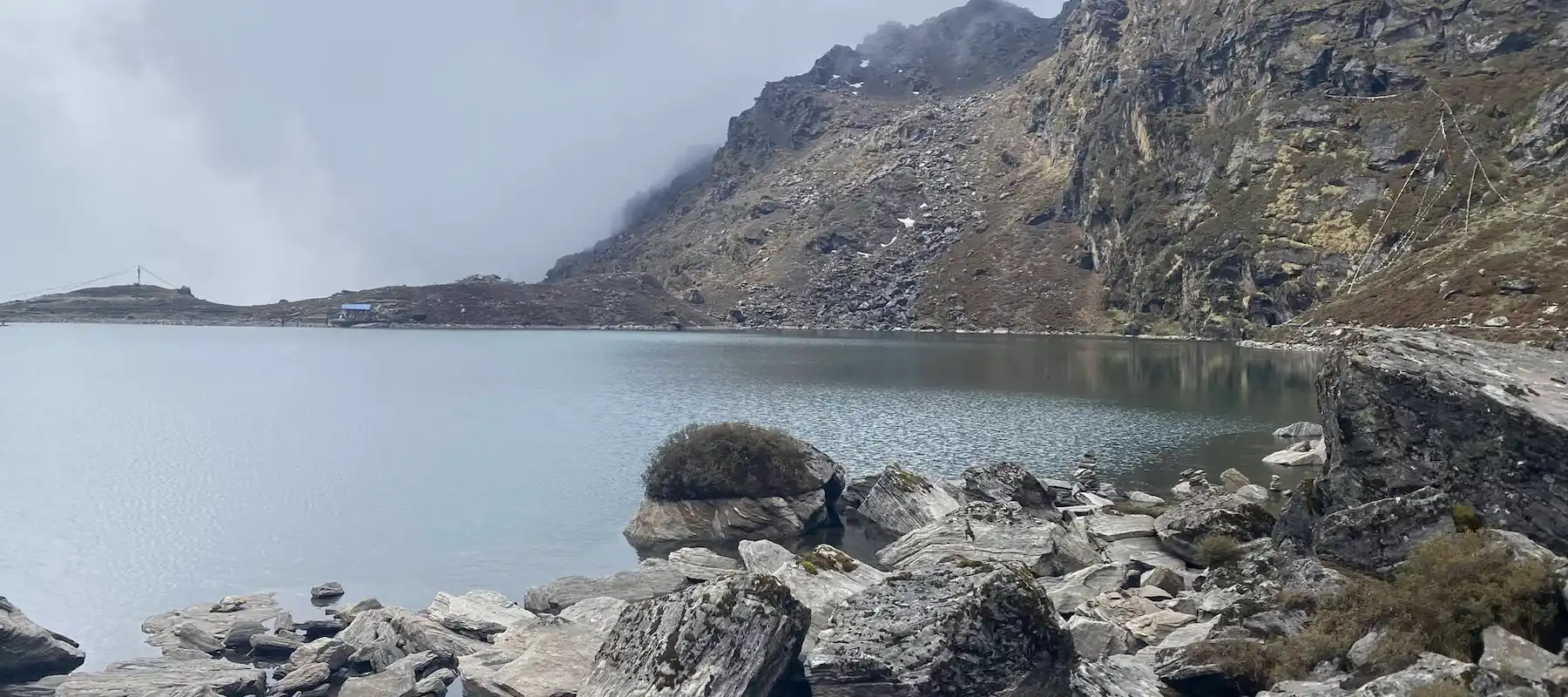
The Bhairav Kunda Trek is one of Nepal’s most spiritually significant yet least-known trekking routes — a hidden gem in the hills northeast of Kathmandu that takes you deep into the remote Helambu and Sindhupalchok regions to reach the sacred Bhairav Kunda Lake at 4,250 metres.
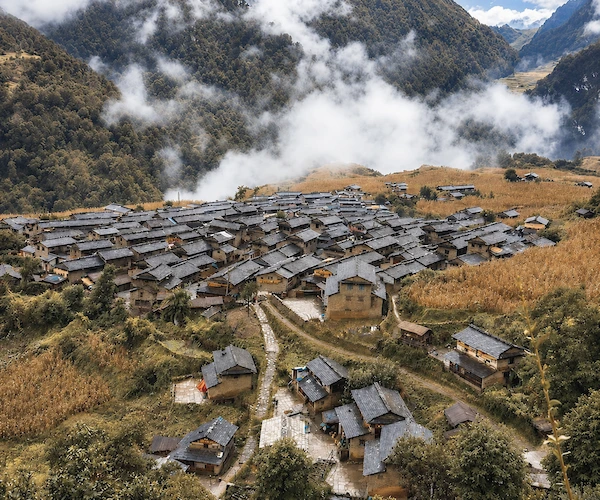
Unlike the crowded trails of Everest Base Camp Trek, Annapurna Circuit Trek, and Langtang Valley Trek, the Bhairav Kunda route sees very few international trekkers. The paths pass through traditional Tamang, Gurung, and Sherpa villages where daily life continues largely unchanged, the forests are dense and undisturbed, and the high-altitude landscapes carry a quiet, spiritual intensity that is genuinely rare in Nepal.
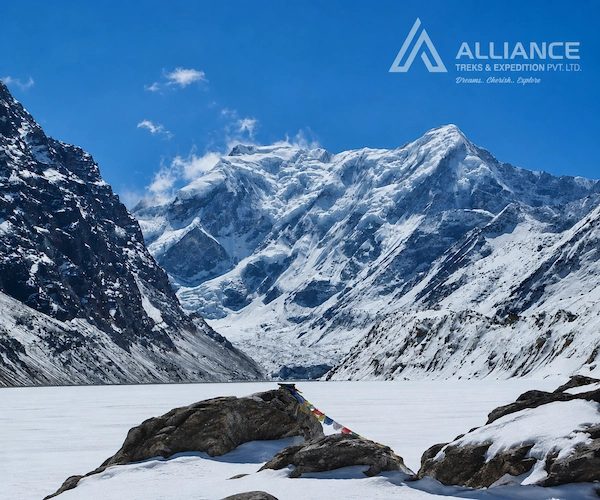
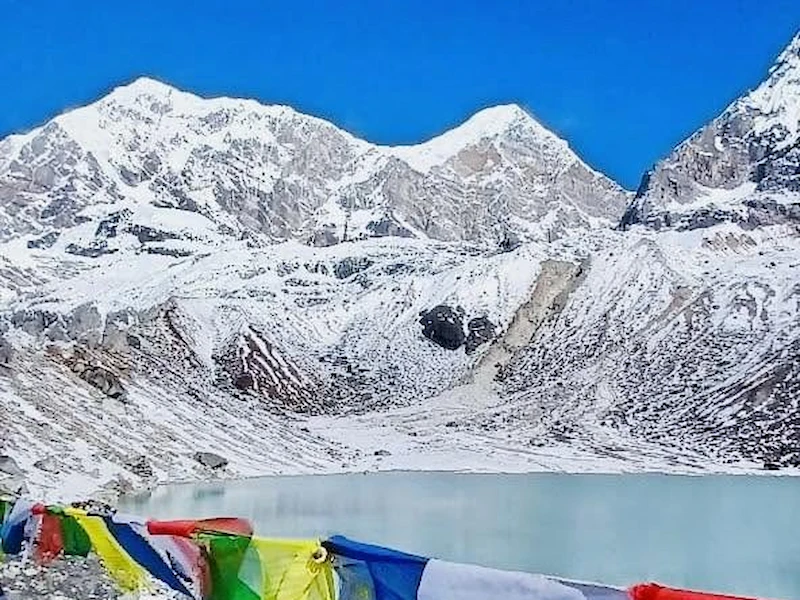
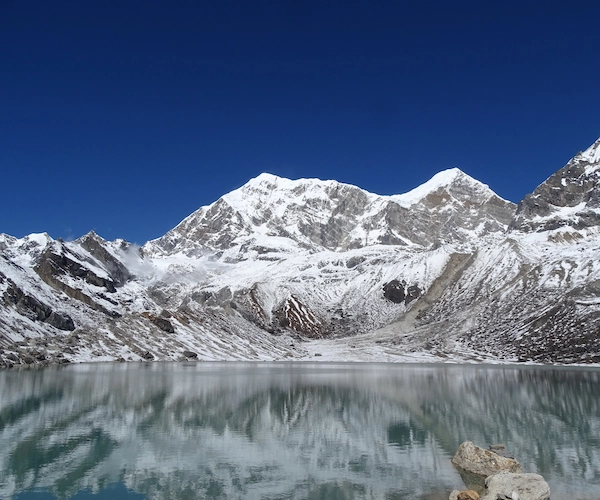
The lake itself, “Bhairav Kunda,” is named after Lord Bhairav, a fierce manifestation of Lord Shiva in Hindu tradition. The lake is considered a sacred site where the god is believed to reside, and each year during the festival of Janai Purnima, hundreds of Hindu and Buddhist pilgrims make the journey on foot to bathe in its holy waters and offer prayers. Standing at the lake’s edge at 4,250m with the Jugal and Langtang Himalayan ranges visible in every direction is an experience that stays with you.
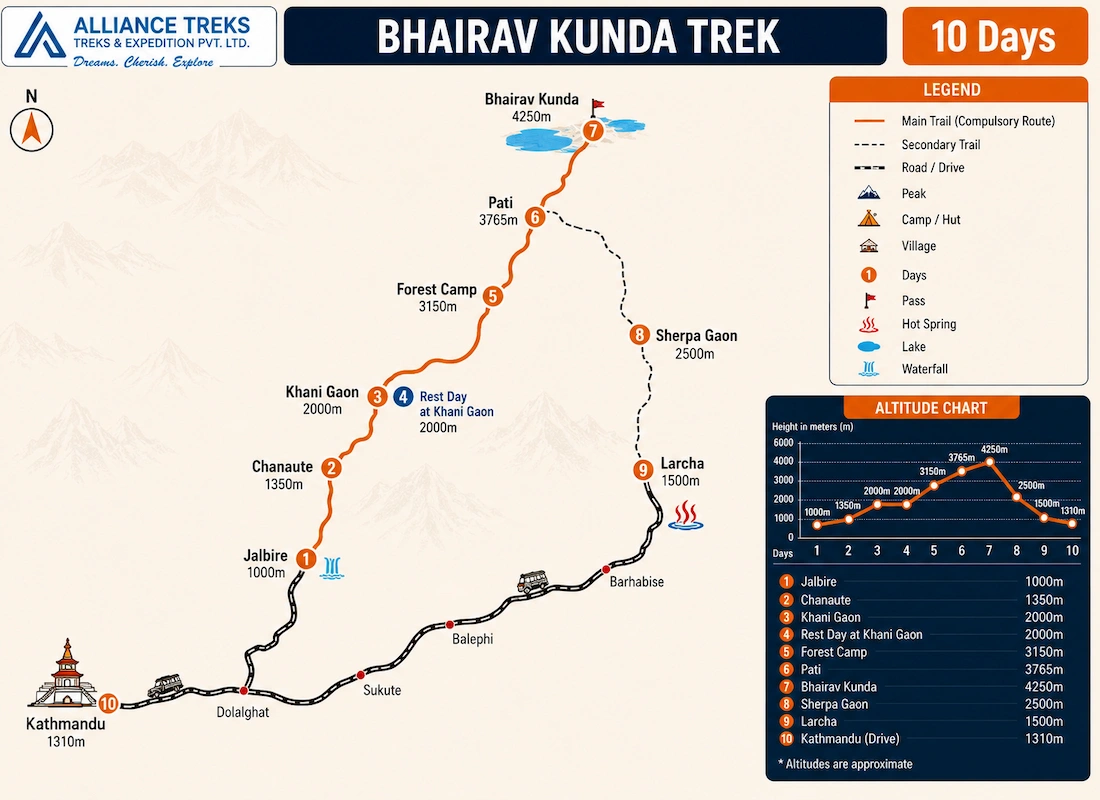
This 10-day itinerary begins with a scenic drive from Kathmandu to Jalbire. It follows a gradual ascent through forest settlements and mountain villages to the lake, then descends via Sherpa Gaon to the Kodari Highway hot springs, before returning to Kathmandu. It is perfect for trekkers seeking a high-altitude spiritual adventure far from the crowds — and close enough to Kathmandu to be accessible even on a tight schedule.
The Bhairav Kunda Trek begins with a 4–5 hour drive from Kathmandu to Jalbire in Sindhupalchok district — one of the most scenic drives from the capital, following the Sunkoshi River through terraced hillsides and rural villages. Jalbire sits at 1,000m and serves as the trailhead for the entire route.
The first two days of trekking are gentle, ascending gradually through Chanaute and on to Khani Gaon through a mix of subtropical forest, terraced farmland, and small settlements. This section introduces you to the traditional Tamang and local communities of the Sindhupalchok hills and allows your body to acclimatize without stress. A full rest day in Khani Gaon on Day 4 gives you time to explore the village, interact with locals, and prepare mentally and physically for the high-altitude days ahead.
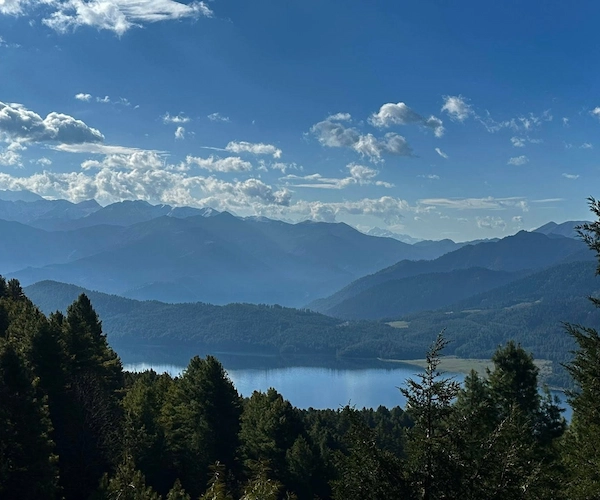
From Khani Gaon, the route enters genuinely remote territory. The trail to Forest Camp (3,150m) climbs steeply through dense rhododendron and bamboo forest — in spring the rhododendrons bloom in spectacular layers of red and pink above the trail. Forest Camp itself is a simple but atmospheric overnight stop deep in the forest at over 3,000m, where the silence is total and the stars above the treeline are extraordinary.
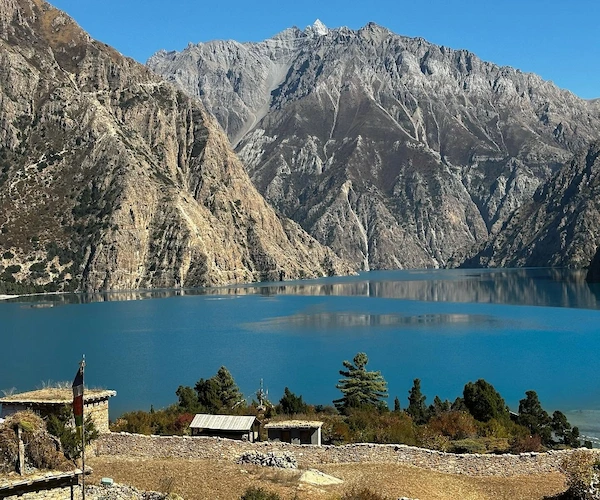
Day 6 brings you to Pati (3,765m) — a high-altitude ridgeline with expanding Himalayan views — before the final short ascent on Day 7 to Bhairav Kunda at 4,250m. The lake sits in a glacial bowl beneath rocky peaks, its still dark waters surrounded by prayer flags left by pilgrims over generations. The atmosphere at Bhairav Kunda is unlike anywhere else on the trek — profoundly quiet, spiritually charged, and visually breathtaking.
The descent via Sherpa Gaon takes you through classic high-altitude Sherpa country — monasteries, mani walls, yak pastures, and wide views of the Langtang range — before dropping dramatically to the warm valley floor at Larcha, where natural hot springs on the Kodari Highway provide the perfect conclusion to eight days on the mountain.
Bhairav Kunda Trek is difficult trek compared to any other trekking so you need to have highly professional local trekking guide who speaks fairly good English, well trainned and experienced with licensed by Nepal Government from NATHM. Accordingly porters are physically fit, experienced with well equipped carries 20kg. Furthermore, lodges are quite basic or normal homestay along the way but most the higher land will be camping trekking using two men tent, kitchen tent and toilet tent. Between 1-2 people, we can do mini camping trekking in order to make cheaper and easy going but more people, you have to do full camping trekking.
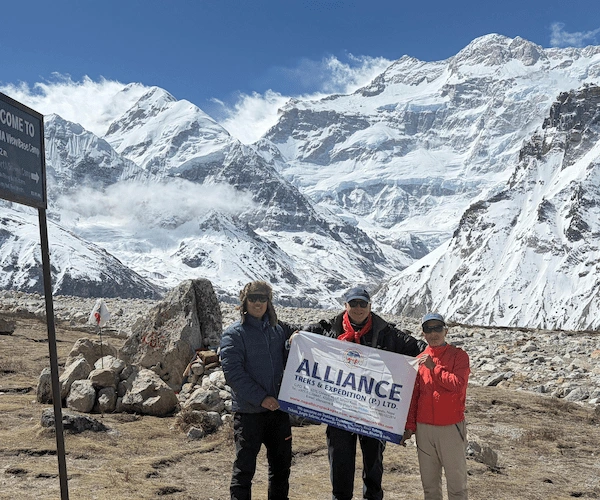
Trekking Routes are safe, well maintained but this trek can be completed only with the professional trekking guides and porters a this area is less popular but amazing hidden valley. You have to be physically fit with well equipped and seasonal trekking gears preparing yourself or renting in Kathmandu with Alliance Treks for your safe and flexible pleasant Bhairav Kunda Trekking.
Bhairav Kunda Trek cost is based on mini camping trekking as listed in our website so if you are a group trekkers then cost will be different than listed in website so we will need to work on the cost as it depends on the number of trekkers and trekking days. Alliance Treks is committed and sincerely honest to provide you the best and affordable cost for this trekking. Accordingly, we take you maximum height of 4,250m. Furthermore, there is no fear of high altitude sickness however you need to be careful and acclimatize yourself as a best Acute Mountain Sickness (AMS) precautions.
Meals are quite basic as it is quite remote and newly explored trekking area so while you have Breakfast, Lunch and Dinner it will be Nepali, Tibetan, continental and even more local flavor test meals for you however it will be freshly cooked, hygienic and well done meals. You have to have basic trekking equipment like Down jacket, down sleeping bag, rain coat, water bottle, walking poles and kit bag but personal clothing you need to prepare. For your kind information, any kind of trekking equipment you can rent, buy here in Kathmandu with very reasonable cost.
Day 1 Drive from Kathmandu(1,325m/ 4,344ft) - Jalbire (1,448m/ 4,786ft)
Day 2 Jalbire (1,448m/ 4,786ft) - Chanaute (13,50m/4,428ft)
Day 3 Chanaute(1,350m/ 4,429ft) - Khani Gaon (3,150m/ 9,990ft)
Day 4 Rest day at Khani Gaon (3,150m/ 9,990ft) with Local Village sightseeing
Day 5 Khani Gaon(3,150m/ 9,990ft) - Forest Camp (3,765m/10,335ft)
Day 6 Forest Camp (3,765m/10,335ft) - Pati (3,250m/12,467ft)
Day 7 Pati (3,250m/12,467ft) - Bhairav Kunda (4,250m/ 13,944ft)
Day 8 Bhairav Kunda (4,250m/ 13,943ft) - Sherpa Gaon (2,563m/ 8,409ft)
Day 9 Sherpa Gaon (2,563m/ 8,409ft) - Larcha (3,640m/ 11,550ft) and visit Hot Spring (Kodari Highway)
Day 10 Drive from Larcha (3,640m/ 11,550ft) - Kathmandu (1,325m/ 4,344ft)
This was one of my favorite trekking experiences in Nepal. The peaceful surroundings, beautiful mountain landscapes, and local culture made the journey truly memorable. Riddhi was a wonderful guide who was patient, helpful, and encouraging throughout the trek. The 10-day journey was a great combination of adventure, nature, and cultural experience.
The Bhairav Kunda Trek was a great experience from beginning to end. I enjoyed the natural scenery and peaceful trails, while the local villages gave the trek an authentic feeling. Race was very knowledgeable about the route and always made sure the group was doing well. I returned with many great memories from the journey.
I absolutely loved the Bhairav Kunda Trek. The combination of forests, mountain trails, local villages, and beautiful Himalayan scenery made the trip very special. Riddhi was friendly and professional throughout the journey and made sure we enjoyed the trek at a comfortable pace. It was a wonderful introduction to trekking in this region.
This was a fantastic trekking experience. Some of the uphill sections were demanding, but the scenery made every step worthwhile. Race was a caring and experienced guide who kept us motivated and helped whenever we needed assistance. The peaceful mountain environment made the trek feel like a perfect escape from everyday life.
The Bhairav Kunda Trek was an amazing adventure. I especially enjoyed the quiet trails, traditional settlements, and beautiful views of the surrounding mountains. Riddhi was an excellent guide who was knowledgeable, encouraging, and always willing to help. The journey gave us plenty of time to enjoy both the nature and local culture.
I really enjoyed the peaceful atmosphere of this trek. The route took us through beautiful forests and mountain landscapes, with impressive views along the way. Race was very helpful throughout the journey and made sure everyone was comfortable during the more difficult sections. It was a memorable experience and a great way to explore the Himalayan countryside.
Bhairav Kunda was a wonderful trekking destination and felt much quieter than the popular trekking routes. The forests and mountain scenery were beautiful, and I really enjoyed experiencing the local villages along the way. Riddhi was a patient and friendly guide who made the journey smooth and enjoyable from start to finish.
The trek was challenging in some sections but very rewarding. I loved walking through the beautiful landscapes and experiencing the peaceful atmosphere of the mountain villages. Race was an excellent guide who kept a comfortable pace and was always ready to help. The views from the higher sections were absolutely worth the effort.
I had a wonderful experience on the Bhairav Kunda Trek. The trails were peaceful, and the combination of forests, hills, villages, and mountain scenery made every day enjoyable. Riddhi was very supportive throughout the trek and shared interesting information about the local culture and surroundings. It was a great experience away from the busy city.
The Bhairav Kunda Trek was a beautiful and peaceful experience. I really enjoyed the forest trails, mountain villages, and spectacular views along the route. Race was a friendly and knowledgeable guide who made the trek comfortable and enjoyable. Reaching Bhairav Kunda and enjoying the peaceful mountain surroundings was definitely the highlight of the journey.
Bhairav Kunda Trek is one of the best off-the-beaten-path trekking adventures in Nepal, offering a perfect mix of Himalayan scenery, spiritual heritage, rich Tamang culture, and peaceful nature. This beautiful trek takes you to the sacred Bhairav Kunda Lake (4,250m), a holy alpine lake located close to the Nepal–Tibet border in the Sindhupalchok district. Every year, both pilgrims and trekkers visit this hidden destination to enjoy its natural beauty and spiritual importance.
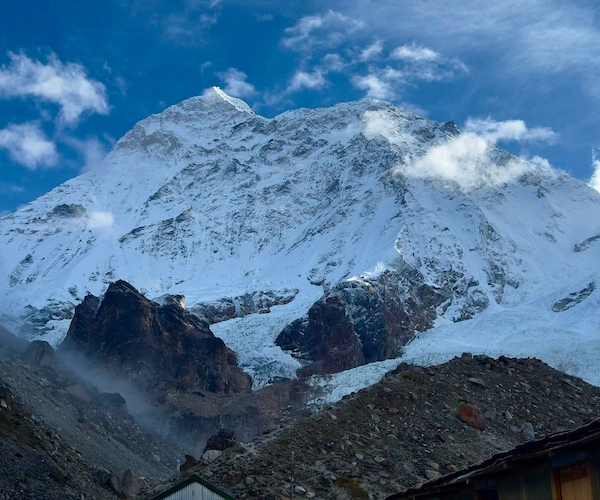
Unlike the busy Everest and Annapurna trekking routes, the Bhairav Kunda Trek in Nepal offers a quiet and authentic Himalayan experience. Along the trail, you walk through beautiful forests, green hills, alpine meadows, traditional Tamang and Sherpa villages, flowing rivers, waterfalls, and high mountain landscapes. At the same time, you enjoy breathtaking views of Dorje Lakpa, Madiya, Phurbi Chhyachu, Gangchempo, Langshisa Ri, and many other snow-covered Himalayan peaks.
Moreover, the trek is perfect for travelers who want to experience hidden trekking routes in Nepal, local mountain culture, and untouched natural beauty within a short trekking period. The peaceful trail, warm local hospitality, and stunning mountain views make every step rewarding. In addition, the sacred Bhairav Kunda Lake is believed by Hindu and Buddhist devotees to be a place of great spiritual value, making this trek a unique combination of adventure and pilgrimage.
The best time for the Bhairav Kunda Trek is during spring (March to May) and autumn (September to November), when the weather is stable, the skies are clear, and the mountain views are at their best. During these seasons, trekkers can enjoy colorful rhododendron forests, comfortable temperatures, and excellent photography opportunities.
Whether you are looking for a short Himalayan trek in Nepal, a spiritual trekking holiday, or an undiscovered trekking destination near Kathmandu, the Bhairav Kunda Trek is an outstanding choice. With experienced local guides, carefully planned itineraries, and personalized service, Alliance Treks ensures a safe, memorable, and authentic trekking experience from beginning to end.
The Bhairav Kunda Trek reaches its maximum altitude of 4,250m at the lake — a significant elevation that requires respect and preparation. The itinerary is designed with a gradual ascent profile, including a full rest day at Khani Gaon (2,000m) before pushing into the higher terrain. This built-in acclimatization day significantly reduces the risk of altitude sickness on the upper sections. Trekkers should drink plenty of water throughout, inform their guide immediately if they experience headache, nausea, or dizziness, and be prepared to descend if symptoms are serious.
The Bhairav Kunda Trek is rated moderate to challenging. The trails are remote and less maintained than popular routes, with some steep ascents and descents on the middle days. Daily walking is 3–7 hours, depending on the day. No technical climbing skills are required. Prior trekking experience is helpful but not essential — good physical fitness and a willingness to walk on rougher, less signposted trails are the main requirements.
The Bhairav Kunda Lake is one of the most sacred sites in the Bagmati Province of Nepal. Lord Bhairav — also known as Kaal Bhairav — is worshipped as a protector deity and a fierce aspect of Lord Shiva. The lake is believed to be his eternal home, and the waters are considered to have healing and purifying properties. During Janai Purnima (the full moon of Shrawan, usually July or August), pilgrims from across Sindhupalchok, Dolakha, and Kathmandu districts converge on the lake for ritual bathing and offerings.
Witnessing or participating in this pilgrimage — even at the margins — is one of the most authentic religious experiences available to trekkers in Nepal outside of the festival circuit.
The Tatopani hot springs near Larcha on the Kodari Highway are one of the most welcome rewards at the end of any Helambu or Sindhupalchok trek. Heated by geothermal activity deep beneath the Bhote Koshi river valley, the springs are rich in minerals and genuinely therapeutic after a week of mountain walking. The Kodari Highway — which connects Kathmandu to the Tibet border at Rasuwagadhi — runs through this valley, making the springs easily accessible and providing a clear driving route back to Kathmandu.
The two best seasons are spring (March to May) and autumn (September to November). Spring offers rhododendron blooms on the forest sections and mild temperatures. Autumn brings the clearest mountain views and most stable weather. The Janai Purnima festival period (July/August) is a unique time to trek if you want to witness the pilgrimage at Bhairav Kunda — but be prepared for monsoon conditions on the lower trails. Winter (December to February) is possible but cold above 3,000m.
Bhairav Kunda Trek is only for 10 days and if want to stay before and after trekking hotel in Kathmandu at Thamel, we do recommend our corporate hotel Atithi Hotel & Apartment which is centrally located at Thamel the hub of tourist. Single room cost you USD 30 and double room cost you USD 35 per night with Bed and Breakfast. Accordingly you can book with Alliance Treks through email [email protected] or WhatsApp:- +977-9851022814 or +977-9841451681 for our instant response. Accordingly you can explore more trekking packages in Nepal win our website www.alliancetreks.com or www.nepaltourspackages.com or even particular ruby valley trek on www.rubyvalleytreks.com
Bhairav Kunda Trek itinerary is quite flexible and considerable bit shorter or longer so we customize is as per your need. in additionally, you need your passport size 3 photos (color or black & white it works), passport copy with Nepal visa, Insurance copy as well as your personal full address to process your further booking as well as official recored just in case anything happens on the trekking.
You need to know your Nepal visa process so visit Nepal Immigration office, Overall Nepal Information so visit Nepal Tourism Board, You may like to know currency Exchange rate so visit Nepal Rastra Bank and Safety and Security concerning current situation so visit Ministry of Home Affair.
Alliance Treks & Expedition Pvt. Ltd. Once is not enough for naturally and culturally Himalayas