(Viber, Whatsapp, Cell) +977 9851022814

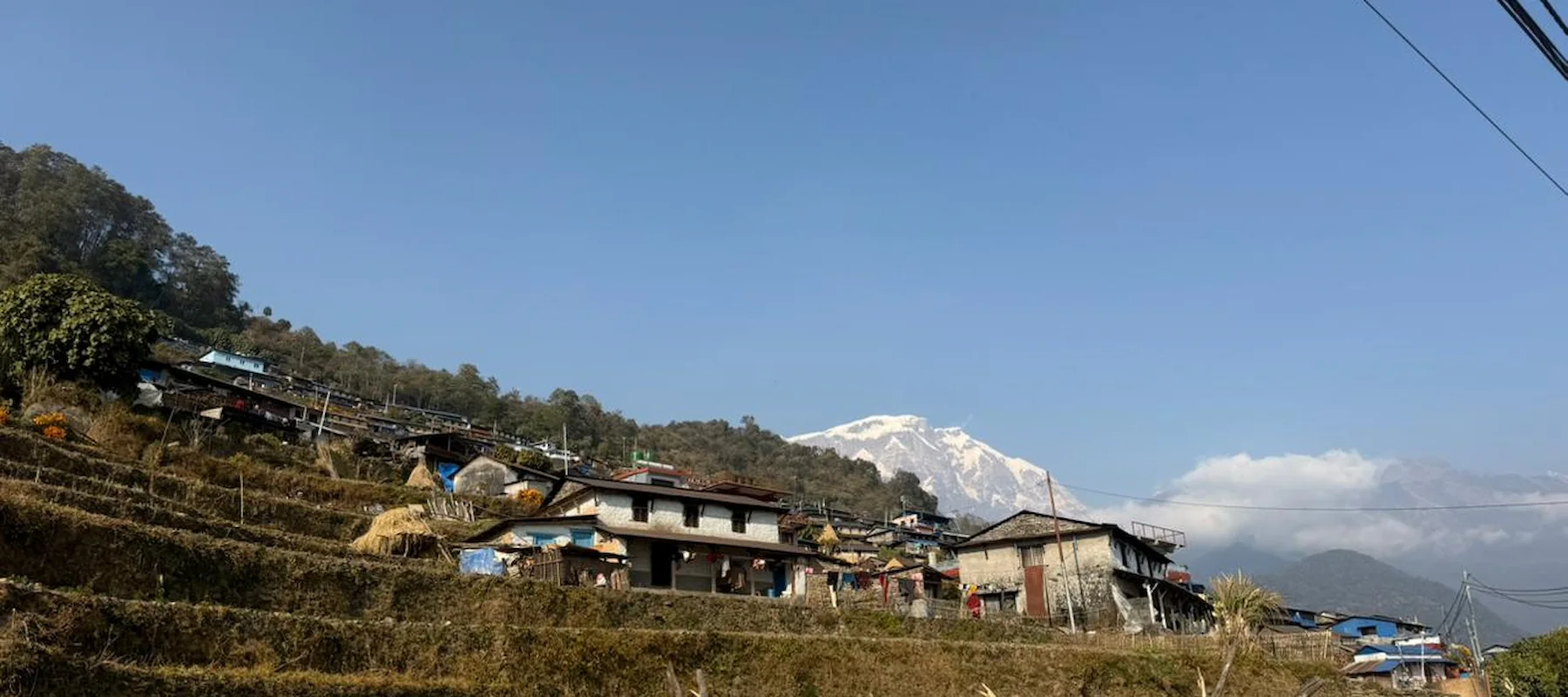
Sikles Trek the hidden place in the foothills of the Annapurna Region, the Sikles Trek is one of Nepal’s most rewarding and underrated trek destinations. A 12-day journey through living Gurung villages, dense rhododendron forests, and natural hot springs with panoramic views of Annapurna II, Annapurna IV, and Lamjung Himal. Unlike the other heavily trafficked trails of the main Annapurna Circuit, the Sikles route is quieter, where village life continues in its most authentic form, and the arrival of the trekking group is still celebrated as a genuine event.
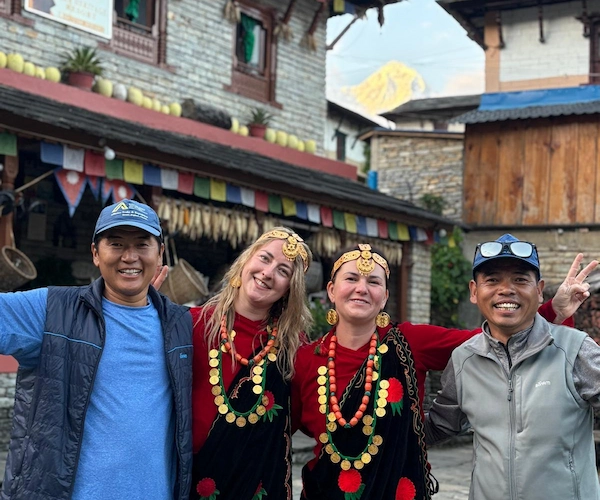
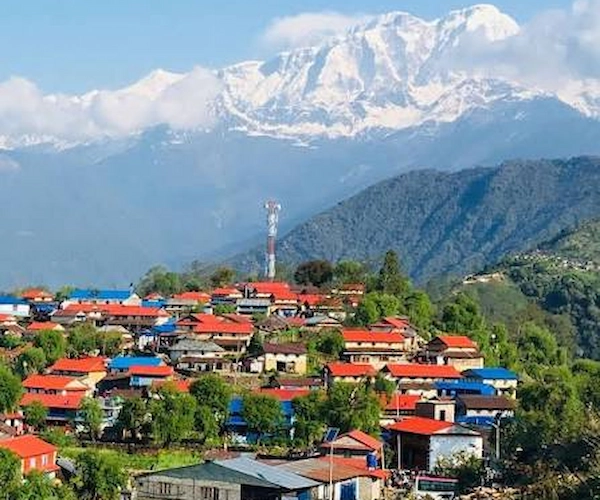
The trek centers on Sikles village (1,980m), the second largest Gurung village in southern Nepal, situated above the Mardi River with a beautiful view of the Annapurna range to the north and east. The Gurung people of this region have maintained their distinct language, dress, festivals, traditions, and Buddhist-animist spiritual practices for centuries, offering visitors a rare window into a mountain culture.
Explore More. Experience More. Discover More with Alliance Treks.
Sikles Trek – From your first inquiry to your final farewell, our team is committed to making your Sikles Trek safe, comfortable, and unforgettable. We believe every traveler deserves exceptional service, honest advice, experienced guides, and memories that last a lifetime.
Choosing the right trekking company can make your journey safe, enjoyable, and memorable. At Alliance Treks, we go beyond guiding you on the trail. We create meaningful travel experiences that combine adventure, local culture, and personalized service. Here are the top reasons why travelers choose Sikles Trek with Alliance Treks.
Unlike busy trekking routes, Sikles Trek offers peaceful trails, breathtaking mountain views, and authentic village life. Therefore, you can enjoy nature without the crowds.
Sikles Trek – Visit the traditional Gurung village of Sikles, meet friendly local people, and learn about their unique culture, customs, and daily lifestyle. As a result, your trek becomes a rich cultural experience as well as an adventure.
Sikles Trek – Our licensed and knowledgeable trekking guides ensure your safety while sharing local stories, history, and valuable trekking tips throughout your journey.
Whether you are a beginner, a family, a couple, or an experienced trekker, we customize the itinerary according to your fitness level, interests, and travel schedule.
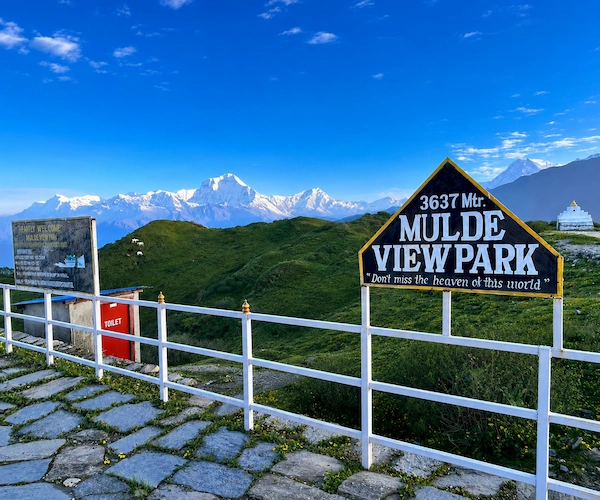
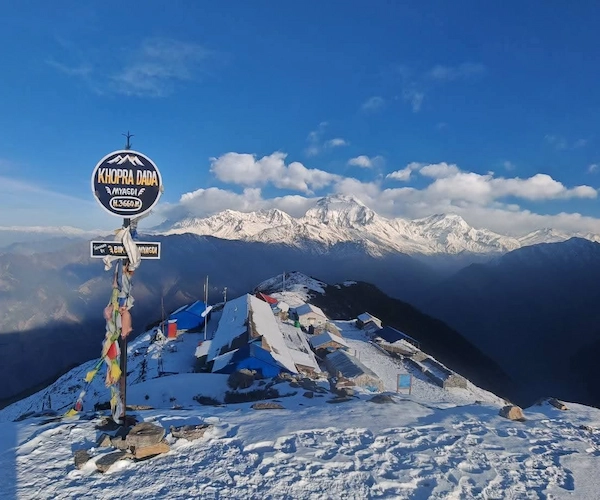
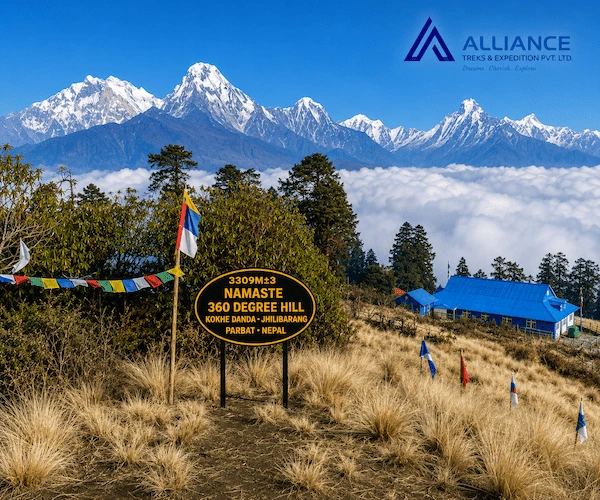
Capture unforgettable views of Annapurna II, Lamjung Himal, Machhapuchhre, and many other snow-covered peaks throughout the trek.
Your safety is always our highest priority. We carefully plan every trek, monitor weather conditions, and provide reliable support from beginning to end.
We offer competitive prices without compromising service quality. There are no hidden charges, and every package is designed to provide the best value.
Sikles Trek you stay in welcoming teahouses and experience genuine Nepalese hospitality. Furthermore, enjoy fresh local meals prepared by friendly hosts.
Walk through peaceful rhododendron forests, green hills, and scenic landscapes while enjoying the sounds of nature. If you are lucky, you may even spot local birds and wildlife.
Every step of the Sikles Trek offers incredible photo opportunities, from sunrise over the Himalayas to traditional villages and colorful mountain landscapes.
By trekking with Alliance Treks, you help support local guides, porters, family-run lodges, and village communities. Consequently, your journey directly benefits the local economy.
Travel when it suits you. We organize private treks, group departures, family holidays, student tours, and customized trekking packages throughout the year.
Our travel experts respond quickly to your questions and assist you before, during, and after your trek. Therefore, you can plan your adventure with complete confidence.
Alliance Treks has built a strong reputation by providing professional service, experienced guides, and memorable trekking experiences for travelers from around the world.
Sikles Trek is more than a hiking trip. It is a journey through beautiful Himalayan landscapes, traditional villages, warm local culture, and unforgettable adventures that you will cherish forever.
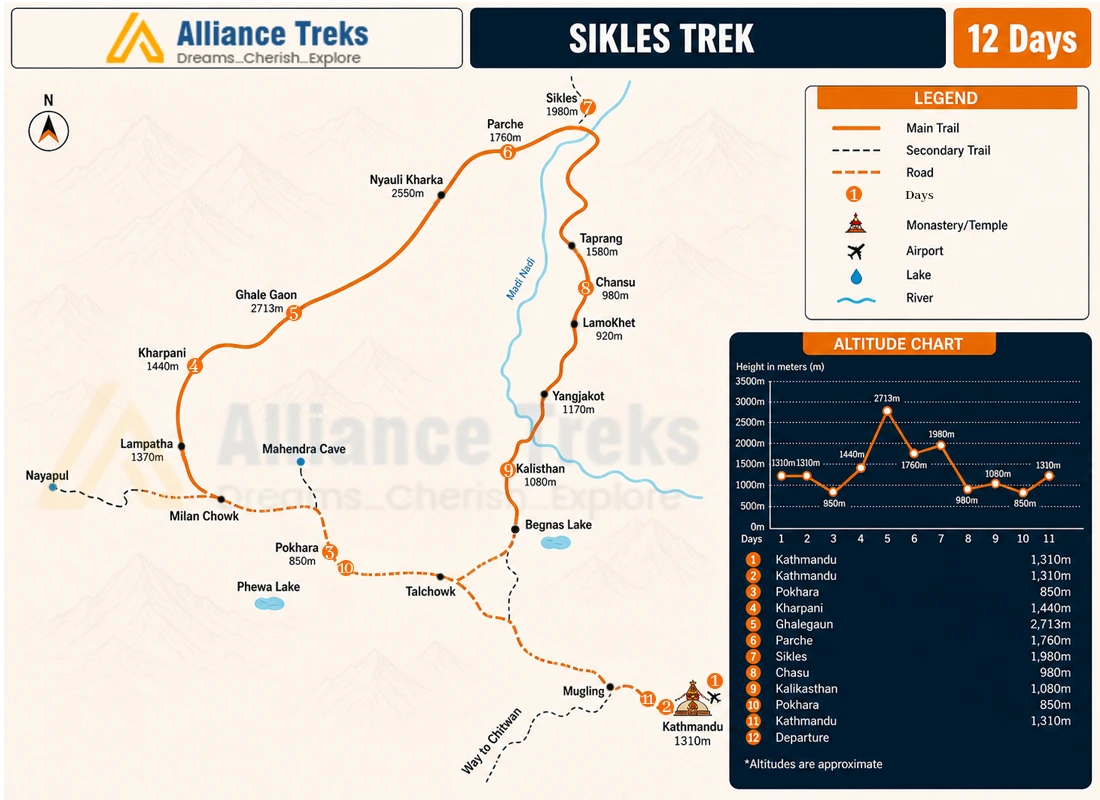
Day 1 Arrival in Kathmandu (1,325m/ 4,344ft)
Day 2 Kathmandu Sightseeing & Trek Preparation
Day 3 Drive Kathmandu (1,325m/ 4,344ftft) - Pokhara (822m/ 2,696ft)
Day 4 Pokhara (822m/ 2,696fft) - Drive to Milanchowk & Trek to Kharpani Hot Spring (2,145m/ 7,050 ft)
Day 5 Kharpani (2,145m/ 7050ft) - Ghalegaun (2,100m/ 8,898ft)
Day 6 Ghalegaun (2,100m/ 8,898ftt) - Parche (1,760m/5,772ft)
Day 7 Parche (1,760m/5,772ft) - Sikles (1,980m/6,496ft)
Day 8 Sikles (1,980m/6,496ft) - Chasu (980m/ 3,214ft)
Day 9 Chasu (980m/3,214ft) - Kalikasthan (1,511m/ 5,000ft)
Day 10 Trek to Begnas Lake & Drive to Pokhara (822m/ 2,696ftft)
Day 11 Drive Pokhara (822m/ 2,696ft) - Kathmandu (1,325m/ 4,344ft), 200km
Day 12 Departure for Home Country
I absolutely loved the Sikles Trek. The peaceful surroundings, traditional Gurung village, beautiful forests, and mountain scenery made the journey really special. Riddhi was friendly and professional throughout the trek and made sure we enjoyed the route without feeling rushed. It was a great experience and a wonderful introduction to trekking in the Annapurna region.
This was one of the most relaxing trekking experiences I’ve had in Nepal. The trails were surrounded by greenery, and the views of the Himalayan mountains were beautiful. Riddhi took very good care of our group and was always ready to help when the trail became difficult. The whole journey felt well organized and enjoyable.
I had a great experience on the Sikles Trek. The combination of mountain scenery, peaceful trails, and traditional villages made this trek feel very authentic. Race was an excellent guide and kept us motivated during the more difficult uphill sections. I especially enjoyed spending time around Sikles village and experiencing the local atmosphere.
The Sikles Trek was exactly what I was looking for—a beautiful trek without the crowds of the busier Himalayan routes. The walking through forests and traditional villages was relaxing, and the scenery was amazing. Riddhi was patient, friendly, and very supportive throughout the trek. He also shared a lot about the local culture, which made the experience more meaningful.
Sikles was a fantastic trekking destination and much quieter than some of the more popular routes. I enjoyed the peaceful trails and getting to see the lifestyle of the local communities. Race was very helpful throughout the trek and always made sure everyone was doing well. The mountain views in the morning were definitely one of my favorite parts.
I really enjoyed every part of the Sikles Trek. The village scenery, local culture, forests, and views of the surrounding mountains were beautiful. Riddhi was a great guide and made the journey more enjoyable by sharing interesting information about the places we visited. The trek was challenging in places but never felt rushed.
The Sikles Trek was such a peaceful and enjoyable experience. I really loved walking through the traditional villages, green hills, and beautiful mountain landscapes. Our guide Race was friendly and knowledgeable, and he made the trek comfortable by keeping a good pace and helping us whenever needed. It was a wonderful way to experience the quieter side of Nepal.
I have completed several famous treks in Nepal, including Everest Base Camp and Annapurna Base Camp, but the Sikles Trek offered something completely different. The peaceful environment, beautiful forests, and genuine interaction with local Gurung families made this journey very special.
The trek was well paced, allowing plenty of time to enjoy the landscapes and take photographs. I especially appreciated the visit to Begnas Lake after the trek and the relaxing atmosphere in Pokhara.
Alliance Treks provided outstanding service from the first email until my departure from Kathmandu. Their attention to detail, experienced guide, and excellent logistics made the entire experience stress-free.
I strongly recommend the Sikles Trek for anyone seeking an authentic and less commercial trekking experience in Nepal.
Our group of four chose the Sikles Trek because we wanted to experience authentic village life rather than crowded trekking routes. It turned out to be one of the best travel decisions we have ever made.
The scenery was breathtaking throughout the trek, and the Gurung villages were incredibly welcoming. We loved the peaceful trails, comfortable local lodges, and fresh homemade meals each day. Watching sunrise over Annapurna II from Ghalegaon is a memory we will never forget.
Alliance Treks organized everything professionally. Our guide and porter worked incredibly hard and always made us feel safe and well looked after.
Thank you to Kul Gurung and the entire Alliance Treks family for creating such a memorable holiday.
The Sikles Trek was one of the best trekking experiences I have ever had. Every day offered something different—from beautiful forests and quiet villages to incredible views of Annapurna II and Lamjung Himal.
The highlight for me was visiting Sikles village. Meeting the Gurung community and learning about their traditions added so much value to the trek. I also appreciated how flexible and professional the Alliance Treks team was throughout the journey.
Special thanks to our guide Ramesh for sharing local history and ensuring our safety every day. Everything was organized exactly as promised without any hidden costs.
I would happily travel with Alliance Treks again for another adventure in Nepal.
We had been looking for a trekking route that was peaceful and less crowded, and the Sikles Trek exceeded all our expectations. The mountain scenery was spectacular, but what made this trek truly special was the opportunity to stay in authentic Gurung villages and experience local culture firsthand. Our guide was knowledgeable, patient, and always made sure we were comfortable throughout the journey. We especially enjoyed our stay in Ghalegaon and Sikles village, where the hospitality of the local people made us feel at home. The natural hot spring at Kharpani was another unforgettable highlight after a long day of walking.
Alliance Treks handled everything perfectly from airport pickup to the final farewell dinner. The itinerary was well planned, accommodations were comfortable, and communication before the trip was excellent. We highly recommend this trek to anyone looking for an authentic Himalayan experience away from the busy trails.
The Sikles Trek was a memorable adventure from start to finish. I loved the combination of nature, mountain views, and village life along the route. Race was a very supportive guide who made sure we were comfortable and never hesitated to help when needed. His knowledge of the area also helped us understand more about the local people and culture.
The Sikles Trek starts in Kathmandu where you have a full day guided tour of all the most important UNESCO World Heritage Sites in Kathmandu Valley, such as Pashupatinath Temple, Boudhanath Stupa, Swayambhunath and Patan Durbar Square. Such a cultural experience is a precursor to a trip more than just walking on mountains but walking in living communities.
The road from Kathmandu to Pokhara passes along the picturesque river Trishuli and Marsyangdi, through village terraces, riverside market towns and occasional views of the ridgeline of the Himalayas. The town of Pokhara will be the overnight base from where the trek starts the next morning with a short drive to Milanchowk on the outskirts of the Annapurna Conservation Area.
The trail steps into another world once you cross into the village of Milanchowk – the quiet winding of village trails is replaced by the highway’s asphalt, the air is full of pine resin and cooking fires, and the gorge of the Seti River opens down below. On the first day on the trek, you will arrive at the small village of Kharpani (1,440m), where you can enjoy a bit of spa-style treatment with the natural geothermal hot spring on the bank of the Seti River, a small mineral water pool with healing properties for skin ailments. Soaking in the warm waters after the first day’s walk is one of the best experiences of the trek and provides you with a relaxed and unhurried feel to come through the remainder.
The second day of trekking is the most arduous, with a long trek up through the river crossings, summer grazing settlements, and dense mixed forest to arrive at the highest point in the whole trek, Ghalegaon (2,713m), the most cultural of the destination points. Ghalegaon is a typical Gurung village perched on the hills surrounded by stone houses, slate roofs, carved wooden windows and terraced millet and barley fields. Here, people have a tradition of letting trekkers stay in the family home for meals and overnight stays which is much more enjoyable than staying in a teahouse. Village ridge views include a wide vista of snow-capped peaks such as Annapurna II, Annapurna IV, Lamjung Himal and Manaslu.
From Ghalegaon, the trail leads southwest into Parche (1,760m), another lovely village situated on the wooded ridges of Bayule Danda, and then up to the main attraction of the trail: Sikles village (1,980m). Sikles perches on a wide spur above the Mardi River, and is the most important Gurung settlement on the trek, with over 400 households, who have kept their culture intact with great fidelity. Ancient stone temples, prayer-flag-draped gompas, hand-loomed Gurung textiles and sounds of Dhami-Jhankri (traditional healer or we call it Shamanism) drums during festival period all give this place a feeling of its own cultural momentum. The view of the mountains here is stunning during dawn and dusk, with Annapurna II to the northeast, Annapurna IV above and behind and Lamjung Himal to the east.
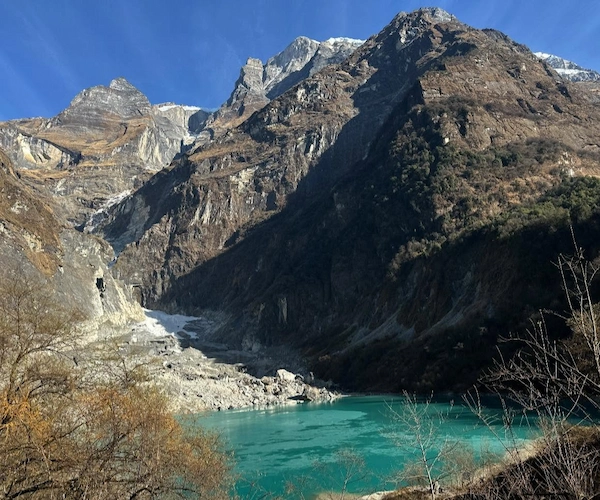
The descent from Sikles goes down the Madi Rivers, through riverside forests and terraced farmland communities at Kalikasthan (1,080m) and then through the quiet shores of the second largest lake in Pokhara Valley at Begnas Lake, a lake surrounded by wetlands and fishery farms, with barely affected hill communities at its edge. From Begnas the drive back to Pokhara is only half an hour and the evening is free to enjoy the restaurants, cafes and mountain views of Pokhara before the next day’s drive to Kathmandu.
The entire path is as interesting as for its natural variety as for its cultural aspect. In one short compact trip, the trail passes through subtropical riverine forest at lower elevations, leads through broadleaf deciduous forest of oak and rhododendron at mid-altitude and ends up at the meadows and top of the ridges at Ghalegaon. The diversity of birds is outstanding – more than 200 species have been recorded in the foothills of the Annapurna Conservation Area, including himalayan monal, rufous-bellied niltava and a number of laughingthrushes.
ing boots, warm clothing, a waterproof jacket, comfortable trekking pants, gloves, a hat, sunglasses, sunscreen, a reusable water bottle, and a daypack are highly recommended.
Choose an itinerary that matches your available time and fitness level. A well-planned itinerary allows enough time to enjoy the Gurung villages, mountain scenery, forests, and local culture without rushing. Alliance Treks is always happy and ready to prepare for you but you be ready yourself ask us questions any time, anywhere and everywhere. Accordingly as an alternative trekking, we even strongly recommend to visit Annapurna Base Camp Trek, Annapurna Circuit Trekking, Ghorepani Poon Hill Trekking too so that you may have good enough knowledge for it in case you may like.
Sikles Trek itinerary is flexible, reliable and crafted for your convenience so this is just the guideline for you hence it can changed, modify and designed as per your requirement and interest which is realistic and doable for you.
Before starting the trek, make sure you obtain the necessary permits. Most trekkers need the Annapurna Conservation Area Permit (ACAP), Trekkers’ Information Management System (TIMS) and permit requirements may change, so it is always best to confirm the latest rules before traveling. ACAP permit cost you USD 25 and TIMS permit cost USD 20 per person validating 28 days. In addition, please note that those permits you get only through Nepal Government registered trekking company like Alliance Treks.
Hiring a licensed local trekking guide who are called trained and certified from Nepal Academy of Tourism and Hotel Management (NATHM) improves your safety and helps you learn more about the local Gurung culture, history, wildlife, and natural beauty. A guide also makes your trekking experience easier and more enjoyable concerning your safety and security. Alliance Treks is fully focused on Responsible and Sustainable tourism so having well trained, experienced, licensed and humble guides are very important and Alliance Treks has it.
Book your tea houses or lodges in advance, especially during the busy trekking seasons. Early booking helps you secure comfortable accommodation and avoid last-minute problems.
Weather in the Annapurna region can change quickly. Therefore, pack clothing in layers so you can easily adjust to warm afternoons, cool mornings, and cold evenings.
Bring a small first aid kit with personal medicines, pain relievers, blister care, bandages, antiseptic cream, and any prescribed medication. It is always better to be prepared for minor health issues.
Drink plenty of water throughout the trek and enjoy freshly prepared local meals. Proper hydration and balanced nutrition help maintain your energy and reduce fatigue during long walking days.
Travel insurance is strongly recommended for every trek in Nepal. Choose a policy that covers trekking activities, medical treatment, emergency evacuation, and unexpected trip interruptions.
The Sikles Trek passes through traditional Gurung villages and protected natural areas. Respect local customs, dress modestly, avoid littering, and help preserve the beautiful environment for future visitors.
Finally, choose an experienced and trusted trekking company that offers professional guides, quality service, transparent pricing, and local knowledge. A reliable operator ensures a safe, well-organized, and memorable trekking experience from beginning to end.
Alliance Treks & Expedition Pvt. Ltd. Once is not enough for naturally and culturally Himalayas