Exclusive Offer: 7 Days Annapurna Base Camp Trek $405 Per Person

(Viber, Whatsapp, Cell) +977 9851022814 +977 9841451681

Experience

Trekking

Trekking – Trekking in Nepal a complete Guide to Himalayan Adventure with Alliance Treks

Overview of Trekking: Ultimate Adventure of Himalayas

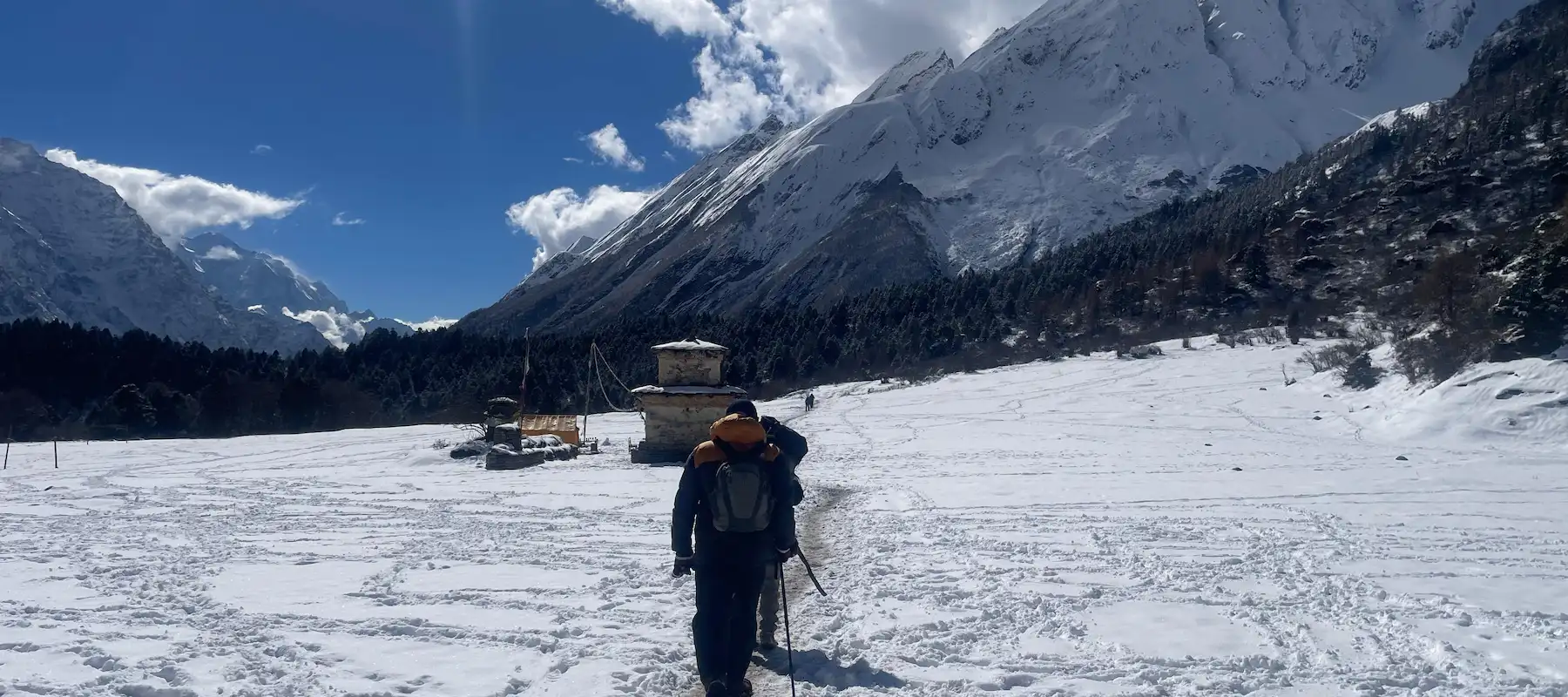
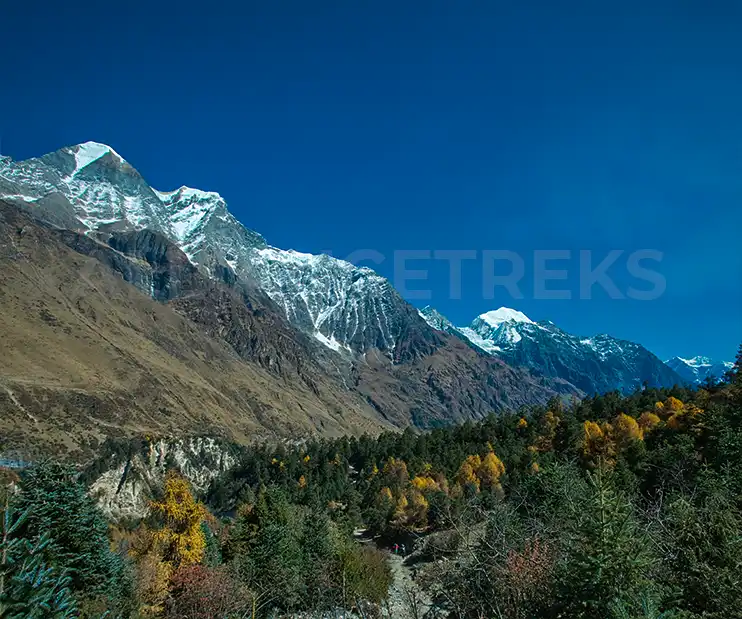
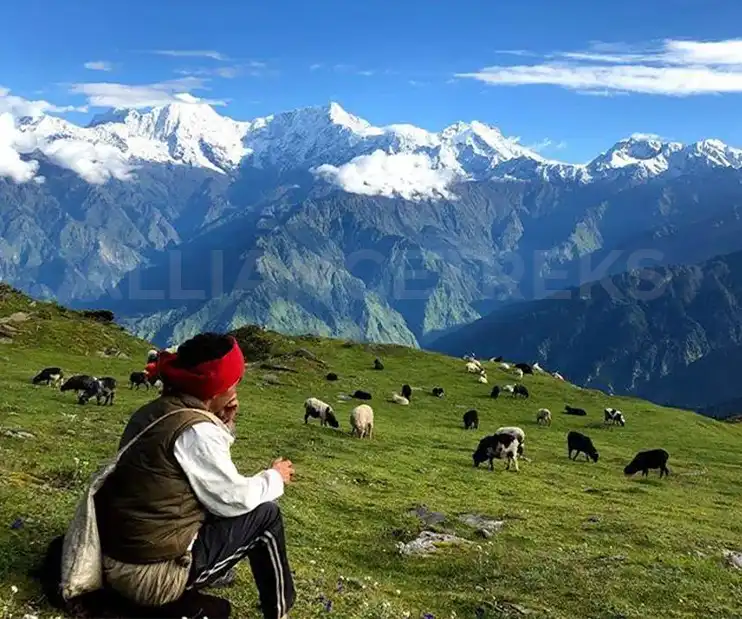
Trekking is a popular adventure activity that involves walking on natural trails, mostly in mountains, forests, and rural areas. In simple terms, trekking means exploring nature on foot while enjoying fresh air, landscapes, and local culture. Moreover, trekking helps travelers connect with nature and experience traditional lifestyles in different regions.Today, trekking in Nepal is highly searched on Google because Nepal offers some of the best Himalayan trekking routes in the world, such as Everest Trekking, Annapurna Trekking, and Langtang Trekking. In addition, people often search for best trekking destinations in Nepal, guided trekking tours, and affordable trekking packages in the Himalayas when planning their trips.

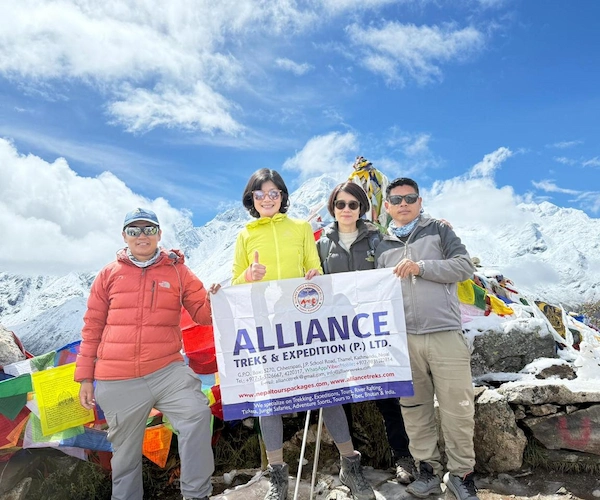
Furthermore, trekking is not only about adventure but also about health and relaxation. So, Many travelers choose adventure trekking holidays to escape busy life and enjoy peaceful mountain views. Likewise, keywords like easy trekking routes for beginners and high-altitude trekking experiences are also trending in travel searches this is what Alliance Treks & Expedition (P.) Ltd. also found the reality. In conclusion, trekking offers a perfect mix of adventure, nature, and culture. So, whether you are looking for Nepal trekking tours or Himalayan trekking experiences, trekking always gives a memorable travel journey for every explorer.

Trekking Table of Contents:

1. Introduction of Trekking in Nepal

2. Background of Ultimate Nepal Trekking Adventure

3. Trekking Definition in Simple Words: Walk, Explore, and Discover

4. How Trekking Started in Nepal ?

5. Why Nepal is Famous for Trekking ?

6. Types of Trekking in Nepal

7. Popular Trekking Regions in Nepal

8. Best Trekking Seasons in Nepal

9. Trekking Preparation Guide

10. Trekking Equipment Checklist

11. Trekking Permits in Nepal

12. Tea House Trekking vs Camping Trekking

13. Benefits of Trekking

14. Trekking Difficulty Levels

15. Trekking Safety Tips

16. Trekking Culture and Local Experience

17. Eco-Friendly and Responsible Trekking

18. Best Short Treks in Nepal

19. Best Long Treks in Nepal

20. Why you do trekking with Alliance Treks ?

21. Trekking Tips for Beginners

22. Top 10 Trekking in Nepal – Best Himalayan Trekking Routes

23. Grading of Trekking in Nepal

24. Which are the Top 3 Most Popular Trekking in Nepal?

25. Frequently Asked Questions (FAQ)

26. Trekking conclusion

Introduction to Trekking in Nepal:

Trekking in Nepal is one of the most popular adventure activities in the world. Nepal is home to the Himalayas, ancient culture, peaceful villages, and breathtaking mountain landscapes. Every year, thousands of travelers visit Nepal for trekking adventures.

From the world’s highest mountain, Mount Everest, to beautiful Annapurna villages, trekking in Nepal offers unforgettable experiences for nature lovers and adventure seekers.  Alliance Treks provides professional trekking services in Nepal with experienced guides, customized itineraries, and safe Himalayan adventures.

Background of Ultimate Nepal Trekking Adventure:

In the 18th century, Boer people in South Africa used the Dutch word “trekken,” which means “to pull” or “to travel with ox-wagons” during migration. Later, in the mid-19th century, the English Oxford Dictionary changed it to “trek.” Therefore, the word trekking came from “trekken” and slowly became popular around the world.

Meanwhile, in Nepal, trekking history started in 1964 when the late Colonel Jimmy Roberts, a British citizen, established Mountain Travel Nepal. Then, in 1967, he brought the first commercial trekking group to Nepal. As a result, Mountain Travel Nepal became the first trekking agency in Nepal, and Mr. Roberts is widely known as the pioneer of trekking in Nepal.

Trekking Definition in Simple Words: Walk, Explore, and Discover:

The definition of trekking in Nepal – Trekking is a long and multipole days walking journey on foot in remote areas through mountains, high passes, base camp, lakes, hills, villages, and natural trails to explore nature, culture, and adventure.

Features of Trekking routes in Nepal: Remoteness, ascending and descending hilly region, Lakes, Kunda, Pokhari, Base Camps, High passes, La, Bhanjyang, Nature and culture diversity.

Qualifications of Hikers – Interest/Willing Power, Budget/Spending Capacity, Time/Holiday and Health/Physically fitness.

How Trekking Started in Nepal ?

Trekking started mainly with mountaineering expeditions. Foreign climbers and explorers needed local guides and porters to travel through remote mountain regions. The first organized trekking groups visited Nepal during the 1960s. The government later introduced trekking permits and tourism policies to promote trekking tourism. Accordingly, only the first travel agency in Nepal “Mountain Travel” introduced the first commercial trekking in Nepal in 1967.

The Annapurna Circuit Trek, Everest Base Camp Trek and Langtang Valley trek became globally recognized trekking routes. Gradually, Nepal developed many trekking destinations suitable for beginners, families, and professional trekkers. In addition, Nepal has more than 80 trekking routes in Nepal including Ruby Valley Trek and the Great Himalayan Treks which takes east to west of 150days walking.

Why Nepal is Famous for completed adventure ?

Nepal is considered one of the best trekking destinations because of:

  • Home to 8 of the world’s 14 highest mountains and interestingly now the home of the world’s 14 highest mountains so, world has 20 mountains above 8,000m as of Nepal has 8 mountains above 8,000m but now Nepal itself has explored more 8,000m hence it has 14 mountains only in Nepal above 8,000m
  • Diverse trekking routes
  • Rich Himalayan culture of 144 ethnic group
  • The land of Sagarmatha (8,848.86m)
  • Beautiful landscapes
  • Friendly local people
  • Affordable trekking packages
  • Spiritual monasteries and temples
  • Unique biodiversity and wildlife
  • The land of living Goddess Kumari
  • The land of Lord Buddha born in Nepal, Lumbini

Trekking in Nepal combines adventure, culture, and nature in one journey.

Types of Trekking in Nepal:

  1. Camping Trekking:

Camping Trekking involves sleeping in tents with full camping support and eating in the tent too. This is bit more expensive trekking compared to Tea House and Home stay trekking however this is the best and first ever started as a camping trekking in Nepal giving opportunity to more workers and practicing responsible tourism in Nepal. Although now a days less people do camping trekking however it is the best to connect with nature and you ever find a kind of deluxe and very personal service providing trekking in Nepal.

Features:

  • Remote wilderness experience
  • Professional support team
  • Suitable for restricted regions
  • Fresh and well-cooked meals
  • Tented experience
  1. Tea House Trekking:

Tea house trekking is the most popular trekking style in Nepal. Trekkers stay in local lodges or tea houses along the route. Its more ecofriendly and sustainable tourism in Nepal. Locals get more direct benefits and comfortable for the trekkers too.

Features:

  • Comfortable accommodation
  • Local food
  • Budget-friendly
  • Suitable for beginners
  • More sustainable tourism practices
  • Eco-friendly trekking
  • Best way to approach local culture and local services
  1. Homestay Trekking:

Focused on local traditions, villages, monasteries, temples and ethnic communities. It’s the best practice these days and helps with a lot of direct benefits to local people, especially mother groups, root level people, create jobs for youngsters in the villages as well as best opportunity selling local products and branding market. Furthermore Atithi Hotel & Apartment (P.) Ltd. Thamel, very soon will open opportunity for the cooking class and those interested to learn cooking class for their home stay run in their own village.

It is more sustainable and best way to learn the local culture, customs and lifestyle of local people. Accordingly, it says that homestay is the best trekking in Nepal to learn, research, study and explore about the primitive life stay in Nepal converting in tourism. Ministry of Culture Tourism and Civil Aviation (MoCTCA) as well as Nepal Tourism Board (NTB) are taking initiatives to promote homestay tourism in Nepal. Certainly few organization which have working actively to promote Homestay trekking in Nepal like:

  1. Village Tourism Promotion Forum Nepal (VITOF-Nepal)
  2. Homestay Federation  of Nepal (HOFEN)

Popular Trekking Regions in Nepal:

Everest Region Trekking:

Everest trekking is famous for Everest Base Camp Trek, Sherpa culture, and mountain scenery. Furthermore, this trekking can be done 5 days to 21 days even more naming it Everest Glimpse trek, EBC trek, Gokyo Lake trek, Amadablam Base Camp trek, Three passes Trek, Everest scenic trek and more.

Major Popular Treks in the Everest Khumbu region:

  • Everest Base Camp Trek
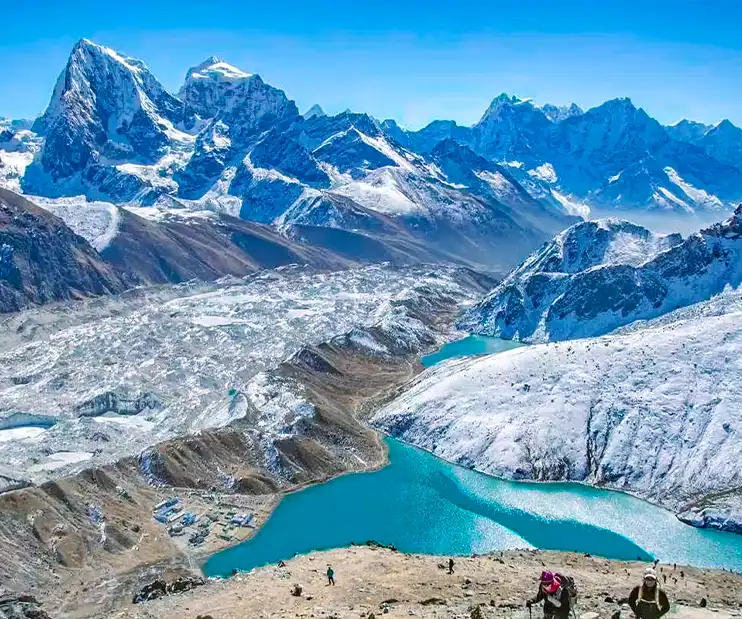
  • Gokyo Lake Trek
  • Three Passes Trek

Annapurna Region Trekking:

The Annapurna region is Nepal’s most diverse trekking destination.

Highly recommended popular Treks:

Langtang Region Trekking:

Close to Kathmandu and rich in Tamang culture.

Most amazing popular Treks:

  • Langtang Valley Trek
  • Gosaikunda Trek
  • Helambu Trek
  • Tamang Heritage trekking
  • Ruby Valley Trek
  • Ganjala Pass Trek
  • Langtang Circuit Trek (Langtang – Gosainkunda-Helambu)

Manaslu Region Trekking:

A remote trekking destination with untouched beauty of Manaslu Circuit Trek – 14days or Manaslu Tsum Valley Circuit – 21days trek

Mustang Region Trekking:

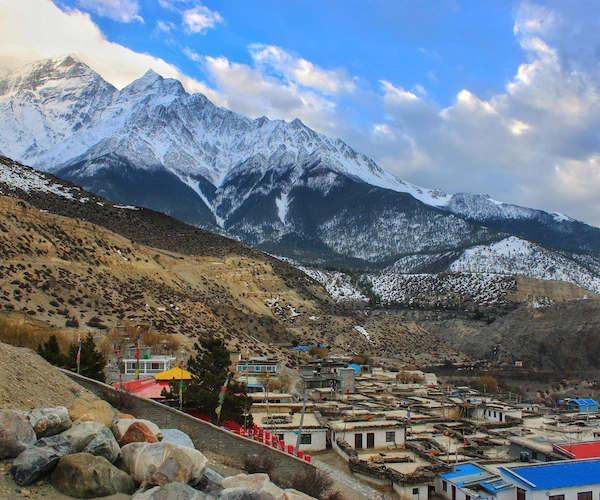
Famous for Tibetan culture and desert landscapes naming Upper Mustang Trek -14days or even Upper Mustang trek – 7days both tea house and camping trekking can be organized by Alliance Treks.

Kanchenjunga Region Trekking:

One of the most remote and adventurous trekking regions. It is highly demanding and can be organized within 15 days to 21 days as per your time available.

Best Trekking Seasons in Nepal:

Spring Season (March–May):

  • Rhododendron flowers bloom
  • Stable weather
  • Clear mountain views

Autumn Season (September–November):

  • Best trekking season
  • Clear skies
  • Comfortable temperatures

Winter hiking (December–February):

Suitable for lower altitude trekking.

Monsoon hiking (June–August):

Ideal for rain shadow areas like Upper Mustang trek, Upper Dolpo trek, RARA trek, Lower Dolpo Trek, Naar Phu Trek and more.

Adventure Preparation Guide:

Proper trekking preparation is very important for a successful trekking experience.

Physical Preparation:

  • Cardio exercises
  • Hiking practice
  • Strength training
  • Mental preparation

Travel Preparation:

  • Passport and visa
  • Travel insurance
  • Trekking permits
  • Flight booking

Health Preparation:

Trekking Equipment Checklist:

Essential Trekking Gear:

  • Trekking boots
  • Backpack
  • Trekking poles
  • Sleeping bag
  • Warm jacket
  • Water bottle
  • Gloves and hat

Important Clothing:

  • Thermal wear
  • Waterproof jacket
  • Hiking pants
  • Trekking socks

Trekking Permits in Nepal:

Different trekking regions in Nepal requires different permits. You generally need Conservation Area entry permit, National Park entry permit, Restricted area entry permit, Sight-seeing heritage sites entry permit, TIMS permit and local government what they called it Rural Municipality entry permit like Khumbu Pasang Lhamu Rural Municipality entry permit cost you Rs. 2,000 per person.

Common Trekking Permits:

Alliance Treks helps travelers arrange all trekking permits easily with highly professional and well trained guides/porters. We response you 24/7 by email – [email protected] or WhatsApp:-+977-9851022814

Amazing Guiding Tea House Trekking vs Camping Trekking:

Feature          Tea House Trekking                        Camping Trekking
Accommodation           Local lodges                              Tents
Cost           Affordable                              Expensive
Comfort           Moderate                             Remote experience
Popularity          Very popular                            Less common
Food          Local meals                           Cooked by staff

Benefits of Trekking:

Adventure activities provides many physical and mental benefits while you do with Alliance Treks crews.

Physical Benefits:

  • Improves fitness
  • Strengthens muscles
  • Enhances stamina

Mental Benefits:

  • Reduces stress
  • Increases happiness
  • Builds confidence

Social Benefits:

  • Cultural exchange
  • New friendships
  • Local interaction

Trekking Difficulty Levels:

  1. Easy/Soft Trekking: Up to 2,000m, 16km per day, 4-5 hours walking

Suitable for beginners and families.

Examples:

  • Ghorepani Poon Hill Trek
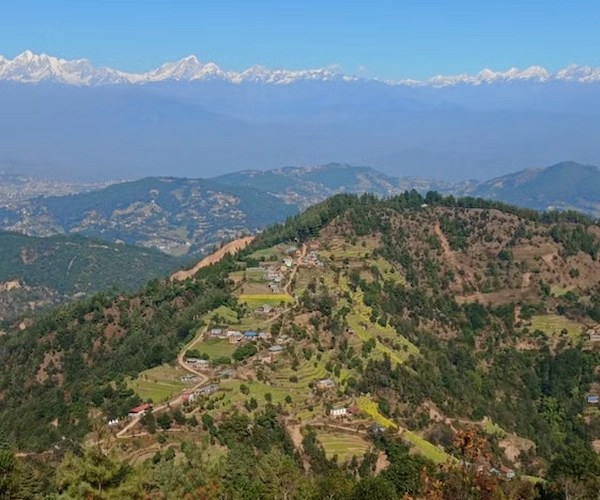
  • Nagarkot Trek
  1. Medium/Moderate Trekking: Up to 3,000m, 12km, per day, 5-6 hours walking.

Requires average fitness.

Examples:

  • Mardi Himal Trek
  • Langtang Valley Trek
  • Gosainkunda trek
  • Ruby Valley Circuit Trek
  1. Difficult/Strenuous Trekking: Up to 4,500m, 8km, per day, 6-7 hours walking.

Required good fitness and trekking experience yourself with extensive good trekking equipment.

  • Upper Mustang Trekking
  • Tsum Valley Trekking
  • ABC trekking
  • Manaslu Base Camp Trekking
  • Amadablam Base Camp Trekking

Kindly note that those difficult or strenuous trekking routes are not everyday difficulty. Overall, we grade it difficult trekking but some days easy/soft, some days medium/moderate and some days difficult as per the elevation.

  1. Challenging/Technical Trekking: Above 4,500m, 4km, per day, 7-8 hours walking (approximately).

High altitude and long duration.

Examples:

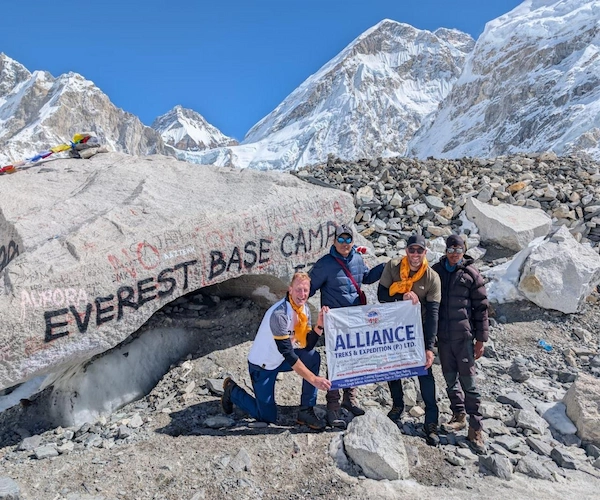
  • Everest Base Camp Trek (5,364m)
  • Manaslu Circuit Trek/Larke-La, Thorong Pass, Three Pass, Ganjala Pass trekking, Kangla-pass Trekking
  • Kanchanjunga Base Camp Trekking

The best Trekking Safety Tips:

  • Trek with licensed guides, well trained porter/s and only through Nepal government registered trekking company like Alliance Treks & Expedition (P.) Ltd.
  • Drink enough water
  • Walk slowly at high altitude
  • Carry proper trekking gear
  • Avoid altitude sickness
  • Follow weather forecasts

Alliance Treks prioritizes trekking safety and responsible tourism.

Trekking Culture and Local Experience:

Trekking in Nepal is not only about mountains. It also offers cultural experiences.

Trekkers can experience:

  • Sherpa culture
  • Tamang traditions
  • Gurung villages
  • Buddhist monasteries
  • Local festivals – Tiji Festival, Mani Rimdu, Tamu Lhosar, Saga Dawa, Gaijatra, Ghodejatra, Dashain, Tihar, Chhath etc..

Eco-Friendly and Responsible Trekking:

Responsible trekking protects Nepal’s environment and culture.

Responsible Trekking Tips:

  • Avoid plastic waste
  • Respect local culture
  • Support local businesses
  • Use eco-friendly products

Best Short Treks in Nepal:

  • Ghorepani Poon Hill Trek
  • Mardi Himal Trek
  • Langtang Valley Trek
  • Panchase Trek
  • Australian Camp Trek
  • Ruby Valley Trek – 3 days

Best Long Trekking in Nepal:

  • Everest Base Camp Trek
  • Annapurna Circuit Trek
  • Tsum Manaslu Circuit Trek
  • Kanchenjunga Base Camp Trek
  • Upper Dolpo Trek
  • Makalu Base Camp Trek

Why you do trekking with Alliance Treks ?

Alliance Treks is a trusted trekking company in Nepal offering:

  • Experienced trekking guides and porters as well as climbing Sherpas
  • Customized trekking packages
  • Affordable trekking prices with No Hidden cost
  • Responsible trekking tours
  • Safe Himalayan adventures
  • Local cultural experiences
  • 34 years of Excellence
  • We care You

Whether you are a beginner or professional trekker, Alliance Treks helps you create unforgettable trekking memories in Nepal.

Trekking Tips for Beginners:

  • Start with short treks
  • Train before trekking
  • Pack light
  • Drink enough water
  • Listen to your guide
  • Walk at your own pace

Top 10 Trekking in Nepal – Best Himalayan Trekking Routes:

Nepal is one of the world’s best trekking destinations. From short scenic hikes to challenging Himalayan adventures, trekking in Nepal offers breathtaking mountain views, rich culture, and unforgettable experiences. Here are the top 10 trekking destinations in Nepal recommended for adventure lovers and nature enthusiasts.

  1. Everest Base Camp Trek:

The Everest Base Camp Trek is the most famous trekking route in Nepal. This trekking adventure takes trekkers to the base of the world’s highest mountain, Mount Everest (8,848.86m).

Highlights:

  • Stunning Everest Mountain views
  • Sherpa culture and monasteries
  • Lukla Airport and Namche Bazaar
  • Kala Patthar (5,545m) viewpoint
  • Sagarmatha National Park

Trekking  Duration:

12–14 Days

Trek Difficulty:

Moderate to Challenging

  1. Annapurna Base Camp Trek:

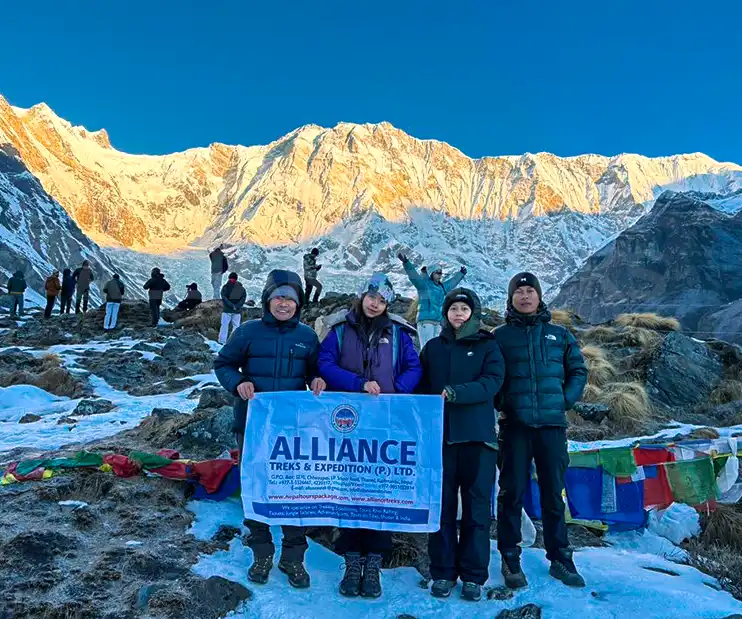
The Annapurna Base Camp Trek is one of the most beautiful trekking experiences in Nepal. The trek combines mountain scenery, local villages, forests, and Himalayan culture.

Highlights:

  • Annapurna Sanctuary
  • Gurung villages
  • Rhododendron forests
  • Hot springs at Jhinu Danda

Trek Duration:

7–12 Days

Trek Difficulty:

Moderate

  1. Annapurna Circuit Trek:

The Annapurna Circuit Trek is famous for its diverse landscapes and cultural richness. It is one of the classic trekking routes in the world.

Highlights:

  • Thorong La Pass (5,416m)
  • Muktinath Temple
  • Manang village
  • Diverse climate zones

Trek Duration:

14–20 Days

Trek Difficulty:

Challenging

  1. Langtang Valley Trek:

The Langtang Valley Trek is a short and beautiful trekking route near Kathmandu. It offers mountain views and Tamang culture.

Highlights:

  • Langtang National Park
  • Kyanjin Gompa
  • Glacier views
  • Tamang villages

Trek Duration:

7–10 Days

Trek Difficulty:

Moderate

  1. Manaslu Circuit Trek:

The Manaslu Circuit Trek is a remote trekking route around Mount Manaslu, the eighth-highest mountain in the world.

Highlights:

  • Larke Pass
  • Tibetan culture
  • Remote Himalayan villages
  • Scenic mountain views

Trek Duration:

14–18 Days

Trek Difficulty:

Challenging/Technical

  1. Mardi Himal Trek:

The Mardi Himal Trek is a short and less crowded trekking destination in the Annapurna region.

Highlights:

  • Mardi Himal Base Camp
  • Machhapuchhre views
  • Peaceful trekking trails
  • Beautiful forests

Trek Duration:

5–7 Days

Trek Difficulty:

Easy to Moderate

  1. Upper Mustang Trek:

The Upper Mustang Trek offers a unique trekking experience in the hidden kingdom of Mustang.

Highlights:

  • Tibetan culture
  • Ancient monasteries
  • Desert landscapes
  • Lo-Manthang

Trek Duration:

12–16 Days

Trek Difficulty:

Moderate

  1. Ghorepani Poon Hill Trek:

The Ghorepani Poon Hill Trek is one of the best short trekking routes in Nepal.

Highlights:

  • Sunrise from Poon Hill
  • Annapurna mountain panorama
  • Rhododendron forests
  • Gurung villages

Trek Duration:

4–6 Days

Trek Difficulty:

Easy

  1. Kanchenjunga Base Camp Trek:

The Kanchenjunga Base Camp Trek is one of Nepal’s most remote trekking adventures.

Highlights:

  • Remote wilderness
  • Mount Kanchenjunga views
  • Traditional mountain culture
  • Less crowded trails

Trek Duration:

18–24 Days

Trek Difficulty:

Very Challenging

  1. Gokyo Lake Trek:

The Gokyo Lake Trek is an alternative Everest region trekking route famous for turquoise glacial lakes.

Highlights:

  • Gokyo Lakes
  • Gokyo Ri viewpoint
  • Everest region scenery
  • Sherpa villages

Trek Duration:

10–14 Days

Trek Difficulty:

Moderate to Challenging

Grading of Trekking in Nepal:

Trekking in Nepal is graded based on altitude, trekking duration, trail condition, physical fitness, and technical difficulty.

Trekking Grade Difficulty Level Suitable For Example Treks
Grade 1 Easy Trekking Beginners & Families Ghorepani Poon Hill Trek
Grade 2 Easy to Moderate New Trekkers Mardi Himal Trek
Grade 3 Moderate Average Fitness Travelers Langtang Valley Trek
Grade 4 Moderate to Challenging Experienced Trekkers Annapurna Base Camp Trek
Grade 5 Challenging Strong Physical Fitness Everest Base Camp Trek
Grade 6 Very Challenging Professional & Experienced Trekkers Manaslu Circuit Trek
Grade 7 Extreme Trekking Expert Adventure Trekkers Kanchenjunga Trek


Which are the Top 3 Most Popular Trekking in Nepal ?

  1. Everest Base Camp Trek:

The Everest Base Camp Trek is Nepal’s most famous trekking route because it takes trekkers close to Mount Everest. It is popular for Himalayan scenery, Sherpa culture, and adventure experience.

Why Popular ?

  • World-famous destination
  • Everest mountain views
  • Adventure and achievement
  1. Annapurna Base Camp Trek:

The Annapurna Base Camp Trek is popular because it combines mountains, forests, villages, and culture in a shorter trekking itinerary.

Why Popular?

  • Beautiful mountain scenery
  • Moderate trekking difficulty
  • Suitable for many trekkers
  1. Annapurna Circuit Trek:

The Annapurna Circuit Trek is one of the classic trekking routes in the world with diverse landscapes and cultures.

 Why Popular ?

  • Thorong-La Pass adventure
  • Diverse trekking experience
  • Rich local culture

Important Trekking Data and Tourism Statistics:

  • Nepal receives hundreds of thousands of trekkers every year.
  • Everest Base Camp Trek is one of the world’s most searched trekking routes.
  • Trekking tourism supports thousands of jobs in Nepal.
  • Annapurna region is among the most visited trekking destinations in Nepal.

FAQs on Trekking:

  1. What is trekking in simple words ?

Trekking means walking long and multiple distances on foot in natural areas like mountains, forests, and villages for adventure and enjoyment.

  1. Why is trekking in Nepal so popular worldwide ?

Nepal is popular for trekking because it has the Himalayas, beautiful landscapes, and safe trekking routes.

  1. Is trekking safe for beginners in Nepal ?

Yes, trekking is safe for beginners if you choose easy routes and follow safety guidelines with Alliance Treks.

  1. What are the best trekking routes in Nepal ?

Popular routes include Everest Base Camp, Annapurna Circuit, Langtang Valley, and Ghorepani Poon Hill as well as Ruby Valley Trek.

  1. What is the best time for trekking in Nepal?

The best time is spring (March–May) and autumn (September–November).

  1. How difficult is trekking in the Himalayas ?

Difficulty depends on the route, altitude, and weather conditions.

  1. What should I pack for trekking in Nepal?

You should pack warm clothes, trekking shoes, water bottle, first aid kit, and rain gear. Accordingly please check Trekking equipment suggested by Alliance Treks.

  1. What are the benefits of trekking in mountains?

Trekking improves fitness, reduces stress, and gives a deep connection with nature.

  1. What are the risks of trekking in high mountains ?

Risks include altitude sickness, bad weather, and physical tiredness.

  1. How can I prevent altitude sickness during trekking?

You can prevent it by walking slowly, drinking water, and resting properly.

  1. What are easy trekking routes in Nepal?

Poon Hill, Ghorepani, and Langtang Valley are easy trekking routes.

  1. What are difficult trekking routes in Nepal?

Everest Base Camp High Passes and Manaslu Circuit are more difficult.

  1. Why do people love trekking in Nepal?

People love trekking in Nepal for natural beauty, mountains, and peaceful villages.

  1. How to prepare for a trekking adventure?

You should train your body, pack properly, and learn about the route.

  1. What is the cost of trekking in Nepal?

Cost depends on route, duration, guide, and travel style.

  1. Do I need a guide for trekking in Nepal?

A guide is recommended for safety, navigation, and better experience.

  1. What food is available during trekking in Nepal?

You can get rice, noodles, soup, vegetables, and local food like dal bhat.

  1. How long does a trekking trip take in Nepal?

It can take from 3 days to 3 weeks depending on the route.

  1. What are common trekking mistakes to avoid?

Common mistakes include poor packing, fast walking, and ignoring weather.

  1. Can solo trekking be done in Nepal?

Some routes allow solo trekking, but guided trekking is safer.

  1. What is high altitude trekking?

High altitude trekking means walking above 3,000 meters in mountain areas.

  1. What fitness level is needed for trekking?

Basic fitness is enough for easy treks, but harder treks need strong fitness.

  1. What clothes are best for trekking?

Light, warm, and waterproof clothes are best for trekking.

  1. Why is trekking important for health ?

Trekking improves heart health, strength, and mental peace.

  1. What makes trekking in Nepal unique?

Nepal trekking is unique because of the Himalayas, culture, and natural beauty.

Trekking Conclusion:

Trekking in Nepal is more than an adventure. It is a journey through Himalayan landscapes, rich culture, peaceful villages, and unforgettable experiences. Whether you choose Everest, Annapurna, Langtang, or remote Himalayan regions, Nepal offers trekking experiences for everyone. With professional support from Alliance Treks, your trekking journey becomes safe, enjoyable, and memorable. Plan your next trekking adventure in Nepal and explore the beauty of the Himalayas with Alliance Treks & Expedition (P.) Ltd. with wiring mail on [email protected] or message on WhatsApp:-+977-9851022814

Trekking

Everest Trekking

View Packages

Trekking

Annapurna Trekking

View Packages

Trekking

Langtang Trekking

View Packages

Trekking

Manaslu Trekking

View Packages

Trekking

Ruby Valley Trekking

View Packages

Trekking

Other Trekking

View Packages

Alliance Treks & Expedition Pvt. Ltd. Once is not enough for naturally and culturally Himalayas
Contact us