(Viber, Whatsapp, Cell) +977 9851022814

The Tilman Pass Trek is one of the most remote and technically demanding wilderness treks in the Nepal Himalaya. This trek is named after the legendary British mountaineer H.W. Tilman, who pioneered exploratory routes through this exact region in the 1940s. Over 17 days, you will travel through two entirely different trekking regions: the Langtang and Helambu regions, with fewer crowds each year, making it a route reserved for genuinely experienced, adventure-seeking trekkers rather than standard teahouse travelers.
This trek is rated as challenging, so it is for those who have already done the classic high-altitude circuits and are looking for a more challenging and remote experience in the Himalayas with full camping logistics, minimal trail traffic, and a genuine sense of wilderness exploration in the remote villages in the mountains.
Day 1 Drive from Kathmandu to Syabru Besi (1,470m/4,823ft)
Day 2 Trek to Lama Hotel (2,324m/7,625ft)
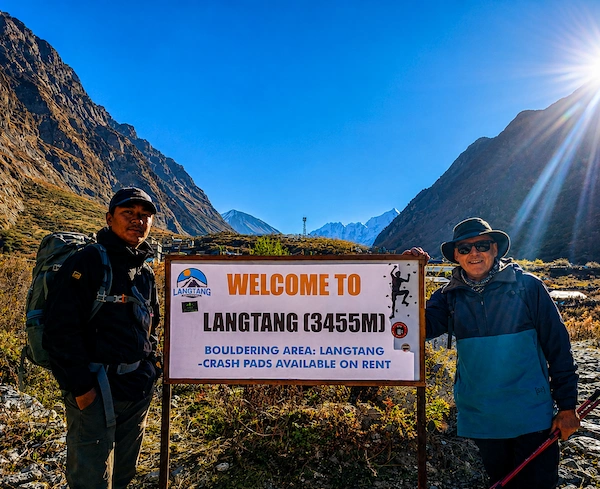
Day 3 Lama Hotel to Langtang Village (3,430m/11,253ft)
Day 4 Langtang Village to Kyanjin Gompa (3,870m/12,697ft)
Day 5 Excursion to Tsergo Ri (5,033m/16,508ft) & Return to Kyanjin Gompa
Day 6 Trek to Langshisa Kharka (4,100m/13,451ft)
Day 7 Trek to Moraine Camp (4,650m/15,256ft)
Day 8 Trek to Tilman Pass Base Camp via Tilman Pass (5,320m/17,454ft)
Day 9 Trek to Tinpokhari (Three Lakes) (3,735m/12,254ft)
Day 10 Tinpokhari to Panch Pokhari (Five Lakes) (4,123m/13,530ft)
Day 11 Rest and Excursion Day at Panch Pokhari (Five Lakes)
Day 12 Trek to Nasimpati (3,745m/12,287ft)
Day 13 Nasimpati to Bhangyang (3,414m/11,201ft)
Day 14 Bhangyang to Pauwabas (3,024m/9,921ft)
Day 15 Pauwabas to Kharka (2,855m/9,367ft)
Day 16 Kharka to Sano Okhreni (2,043m/6,703ft)
Day 17 Sano Okhreni to Chautara (1,235m/4,052ft), Drive to Kathmandu (1,350m/4,429ft)
The climb toward Tilman Pass was hard work, but standing there after completing the crossing was an amazing feeling. The entire trek was full of beautiful scenery, quiet trails, and memorable moments. I also enjoyed getting to know the local villages and seeing a quieter side of Nepal. Race was patient and encouraging and never made us feel pressured. I would definitely choose this trek again.
The Tilman Pass Trek was an amazing experience from beginning to end. I loved the peaceful trails, changing landscapes, mountain views, and the feeling of being away from the busy trekking routes. There were definitely some hard days, but the sense of achievement after completing them was fantastic. Race was caring, knowledgeable, and always made sure we were comfortable. Seventeen days sounded long at first, but I actually wished the trip had lasted a little longer.
I really enjoyed the variety of this trek. Some days were relaxed and beautiful, while others pushed us physically and mentally. That combination made the journey exciting. The mountain scenery around the higher parts of the route was incredible, and crossing Tilman Pass was definitely the highlight for me. Race was professional but also very easy to talk to, which made the long trek even more enjoyable.
This was exactly the kind of adventure I was looking for. The Tilman Pass route felt authentic and much less crowded than some of Nepal’s famous trekking trails. I loved the changing scenery, from green forests to dramatic high-altitude landscapes. The pass crossing was tough but incredibly rewarding. Race was an excellent guide who was always attentive and ready to help. I came home with some fantastic memories.
What I liked most about Tilman Pass was the combination of peaceful trails and challenging mountain terrain. The route took us through beautiful forests and remote areas before becoming much more rugged at higher elevations. I enjoyed the sense of adventure without feeling surrounded by crowds. Race was very caring and knowledgeable and helped us through the more difficult sections. It was a wonderful experience overall.
When I first saw that the itinerary was 17 days, I wondered if it might feel too long. It actually went by incredibly quickly. Every day had something different to enjoy, and I liked having enough time to settle into the rhythm of mountain life. The scenery around the higher sections was fantastic. Race was a great companion throughout the trek and always kept the atmosphere positive.
I absolutely loved this trek. There were some demanding days, but the scenery kept me excited throughout the journey. I especially enjoyed the quieter sections where it felt like we had the mountains almost to ourselves. Tilman Pass was definitely the highlight and something I will remember for a long time. Race was friendly, experienced, and always checked that everyone was doing well. I enjoyed the trek very much.
This trek was challenging, but I enjoyed that aspect of it. Every difficult climb seemed to come with an amazing view or a new landscape. The quieter trails were probably my favorite part because we could really enjoy the mountains without feeling rushed. Crossing Tilman Pass was an unforgettable experience. Race was a fantastic guide and kept our group motivated even when the walking became tough.
I had such a great time on the Tilman Pass Trek. The route felt adventurous without losing the peaceful feeling of being in the mountains. I loved walking through forests, seeing traditional villages, and gradually reaching the higher landscapes. The pass itself was definitely the hardest part, but also one of the most rewarding moments. Race was caring and knowledgeable and made sure our group was comfortable throughout.
The Tilman Pass Trek was one of the most memorable trekking experiences I have had in Nepal. I really enjoyed how the landscape kept changing throughout the journey, from forests and villages to high mountain terrain. Crossing Tilman Pass was challenging, but reaching the top felt like a huge achievement. Race was an excellent guide, always patient and encouraging. I genuinely enjoyed every day of this trek.
The Tilman Pass Trek gave me a great mix of nature, adventure, and local culture. I enjoyed walking through the forests and villages before reaching the more rugged mountain terrain. The higher sections were challenging, but the views made the effort worthwhile. Crossing the pass was definitely the moment I was most proud of. Race was supportive throughout and made the whole experience feel well organized.
I have done a few treks in Nepal, but Tilman Pass felt very different. The route was peaceful and had a much more remote feeling than the popular trails. I enjoyed the forests, mountain valleys, local villages, and especially the higher sections near the pass. Race was very knowledgeable about the route and local area. The 17 days gave us plenty of time to enjoy the journey instead of rushing.
There is not a hike in Nepal that has as much exploration history as the Tilman Pass. The pass is named in honor of H.W. Tilman, a mountaineer and travel writer who explored the Himalaya in the mid-20th century, and it is no surprise that this pass is not a popular route for tourists. The Tilman Pass is one of the few remaining multi-day, unspoiled treks in the country; today, it is used by a few well-equipped, guided groups each season, and thousands of trekkers have followed through annually since then.
This is substantially reflected in the structure of the trek, which is largely a teahouse hike and yet a serious wilderness expedition. The first few days through the Langtang Valley (Syabru Besi to Lama Hotel to Langtang Village to Kyanjin Gompa) take you through one of the more popular and well-supported trekking routes in Nepal, where you can stay in comfortable lodges, eat very well and gain altitude steadily and gently. The trek to Tsergo Ri above Kyanjin Gompa is a two-in-one experience as it’s a great vantage point above Langtang Lirung and the surrounding glaciated peaks, as well as a necessary acclimatisation challenge before the more serious second leg of the trek starts.
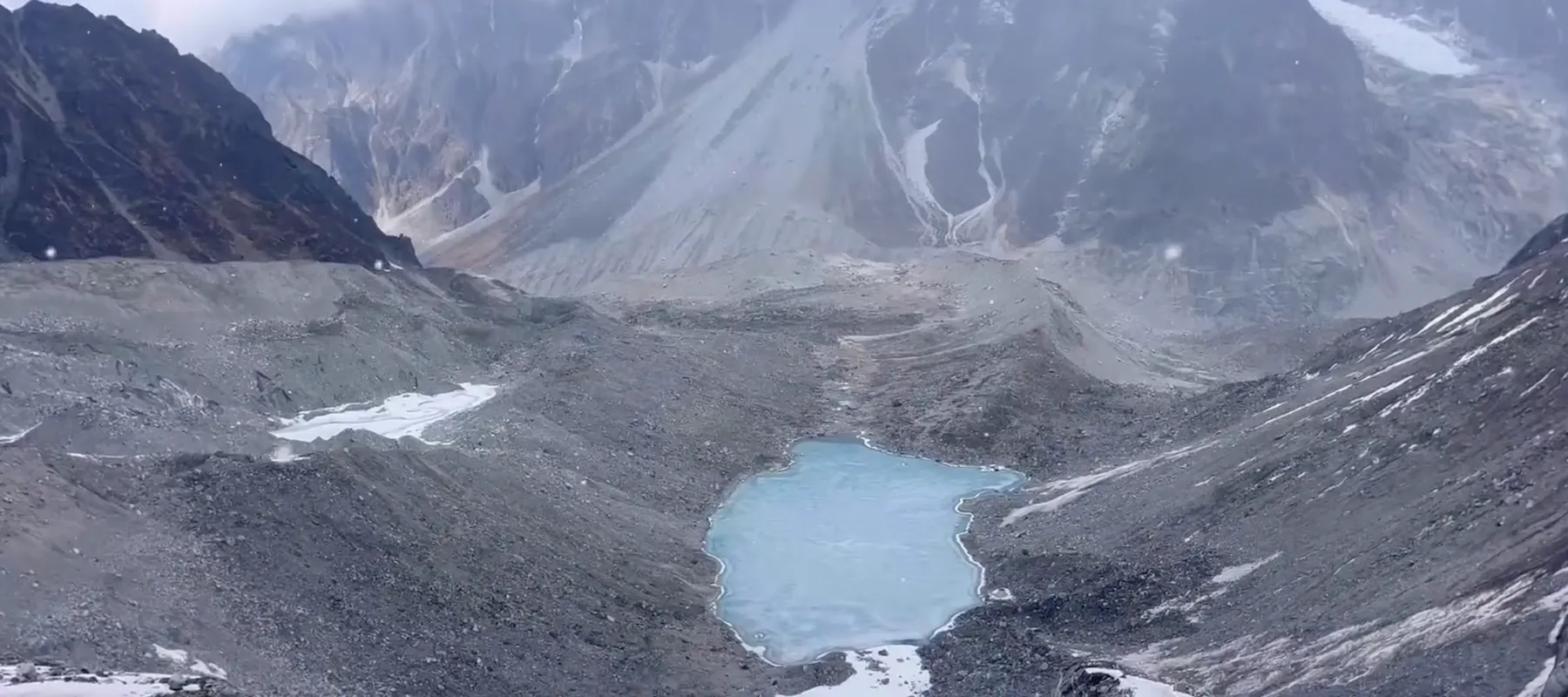
After the trail passes Kyanjin Gompa, all is different. From there you enter the land without permanent settlements, teahouses or simple exits, and it is here that you will find that you must rely on a camping crew, which will carry your tents, kitchen equipment and supplies for the days to come, as Tilman’s expeditions did decades ago. There is only one crossing at 5,320m/17,454ft, which has glaciated terrain that can be quite perilous in poor conditions or if there is much snow. The approach to the pass itself, however, is a careful job of weather judgment, given the high base camp, which is below Tilman Pass.
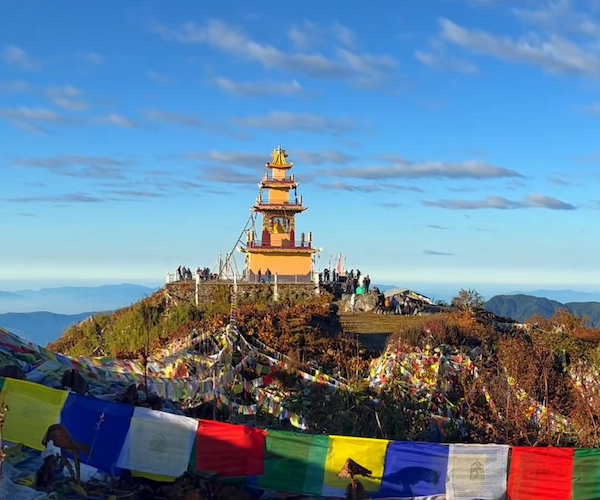
The pass represents the zenith of the trek literally and figuratively: after the pass are the villages of the Helambu region, where the Sherpa and Hyolmo communities are located and which differs significantly from the high Tibetan influenced villages of Langtang. The descent leads to two of the most beautiful high-altitude lake systems in this part of the Himalaya, the sacred and often untouched lake, called ‘Three Lakes’ (Tinpokhari) and the ‘Five Lakes’ (Panch Pokhari). A rest and excursion day at Panch Pokhari gives enough time to explore the lakes, visiting the shrines around them and high pasturelands.
The remainder of the trek is a slow downhill journey through what had felt like a remote mid-hill area, passing through Nasimpati, Bhangyang, Pauwabas and a series of quiet farming villages, until you arrived in the warmer and greener land far from the glaciated high country that you had crossed just a few days earlier. All of these have been integrated with a single, long continuous track into the wilderness, which very few trekkers attempt, and by the time you arrive at the roadhead at Chautara for the final drive back to Kathmandu you’ll have experienced an epic variety of the Himalayan environments above.
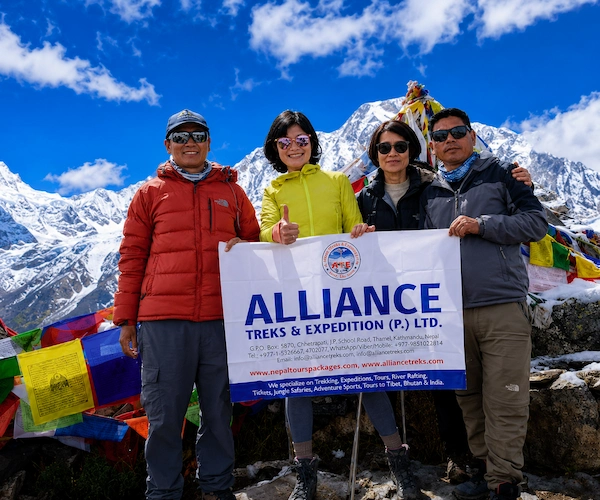
Alliance Treks & Expedition Pvt. Ltd. Once is not enough for naturally and culturally Himalayas