(Viber, Whatsapp, Cell) +977 9851022814

The Mesokanto Trek is a challenging, high-altitude adventure through the Annapurna region that combines two of Nepal’s most beautiful Himalayan journeys of high altitude Tilicho Lake, one of the highest lakes of its size in the world, and the remote Mesokanto La Pass, a rugged crossing that links the Manage valley to the remote Mesokanto La Pass, a rugged crossing that links the Manage valley to landscape of Mustang. Unlike the other standard Annapurna Circuit, which bypasses this route entirely, the Mesokanto Trek pushes travelers into genuinely wild and high-altitude terrain.
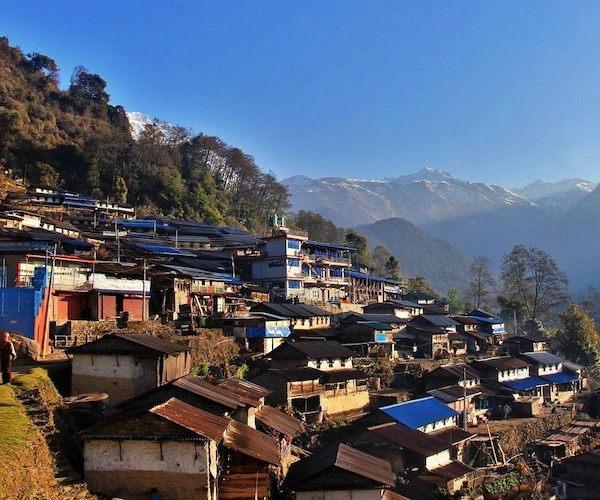
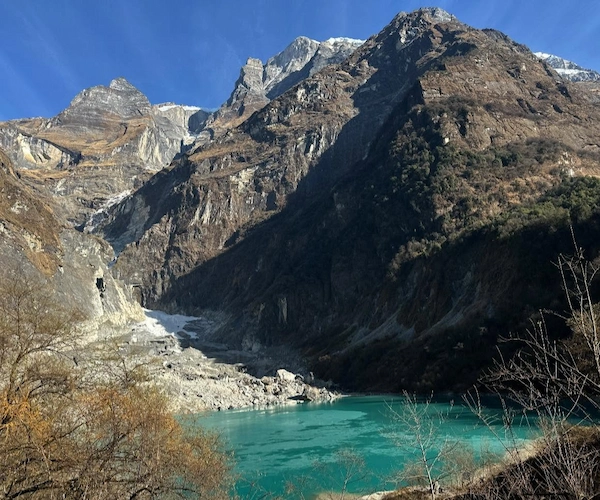
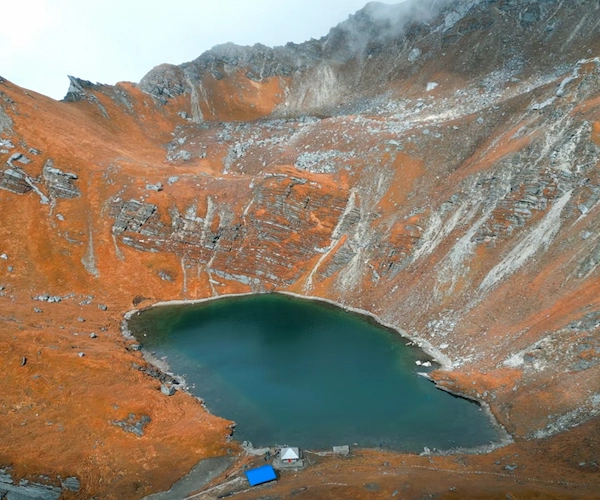
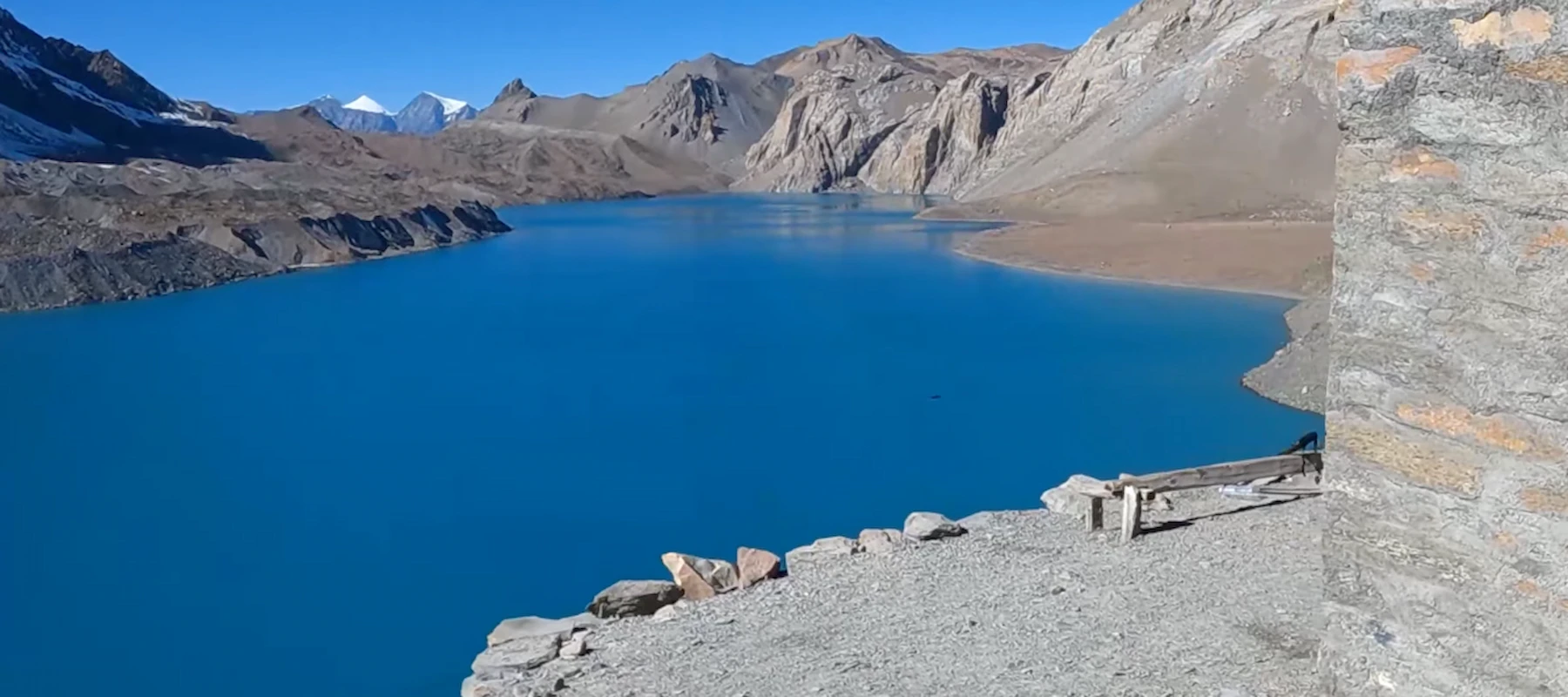
The trek starts with a drive from Kathmandu to Besisahar and continues by local jeep to Chame, before the classic Annapurna Circuit trail starts through Pisang and Manang, gaining altitude steadily through pine forest, dramatic river gorges, and traditional Managi villages. After a scheduled acclimatization day in Manang, the route breaks away from the main circuit, climbing toward Tilicho Base Camp and then to the shimmering waters of Tilicho Lake itself at nearly 4,920m, a sight often described as one of the most dramatic in the entire Annapurna region.
From Tilicho Lake, the trek enters its most demanding and remote phase, crossing high, exposed terrain toward Mesokanto Phedi at over 5,300m before tackling the Mesokanto La Pass, a genuinely committing high-altitude crossing that few trekkers attempt compared to the more popular Thorong La. The descent on the far side drops dramatically into Jomsom in the Mustang region, where the arid, wind-swept Kali Gandaki valley offers a striking contrast to the glacial, high-alpine terrain just crossed. From Jomsom, a short scenic flight brings you to Pokhara, before returning to Kathmandu to complete the journey.
Day 1 Arrival in Kathmandu (1,400m/4,593ft) & Hotel Transfer
Day 2 Drive Kathmandu to Besisahar (760m/2,493ft), Continue by Local Jeep to Chame (2,670m/8,760ft)
Day 3 Chame to Pisang (3,200m/10,499ft)
Day 4 Pisang to Manang (3,519m/11,545ft)
Day 5 Acclimatization Day in Manang
Day 6 Manang to Sirkhadka (4,120m/13,517ft)
Day 7 Sirkhadka to Tilicho Base Camp (4,150m/13,615ft)
Day 8 Tilicho Base Camp to Tilicho Lake (4,919m/16,139ft)
Day 9 Tilicho Lake to Mesokanto Phedi (5,330m/17,487ft)
Day 10 Cross Mesokanto La Pass, Descend to Jomsom (2,720m/8,924ft)
Day 11 Fly Jomsom to Pokhara (822m/2,697ft), Rest in Pokhara
Day 12 Drive or Fly Back to Kathmandu
Day 13 Final Departure
What sets the Mesokanto Trek apart from more conventional Annapurna routes isn’t just the altitude — though at a maximum of 5,330m/17,487ft, it certainly qualifies as one of the more serious high-altitude treks in the region — it’s the way the trek strings together several distinct Himalayan environments into a single continuous journey. You begin in the temperate lower Marshyangdi valley, pass through the classic high-desert Manang basin, climb into the glacial world surrounding Tilicho Lake, cross an exposed alpine pass, and finally descend into the wind-carved, Tibetan-influenced landscape of Mustang — a sequence of transitions that few other treks in Nepal manage to fit into under two weeks.
The early days on the trail retrace part of the well-known Annapurna Circuit, passing through Chame, Pisang, and Manang, giving you the benefit of established teahouse infrastructure, good acclimatization planning, and a gradual, well-paced introduction to high-altitude trekking before the route’s more serious challenges begin. Manang itself, sitting at 3,519m, is a good place to rest, explore local monasteries, and let your body properly adjust before pushing higher — the built-in acclimatization day here isn’t optional flexibility, it’s a genuine safety requirement given what lies ahead.
From Manang, the trail leaves the main circuit behind entirely, climbing through increasingly stark, high-altitude terrain toward Tilicho Base Camp and then to Tilicho Lake itself — at close to 4,920m, one of the highest lakes of its size anywhere in the world, set beneath the sheer walls of the Tilicho and Gangapurna peaks. Many trekkers consider this lake, with its intense blue color against a backdrop of glacier and scree, to be one of the single most striking sights in the entire Annapurna region, and reaching it here as part of a longer traverse rather than a there-and-back side trip adds a real sense of journey rather than just a viewpoint tick.
The trek’s true test comes in the days that follow, pushing to Mesokanto Phedi above 5,300m and then crossing the Mesokanto La Pass itself — a long, physically demanding, and often technically tricky crossing over loose scree and, depending on season, snow-covered terrain, requiring an early start, careful pacing, and a guide with genuine experience on this specific route. The reward on the far side is a dramatic descent into the Kali Gandaki valley and the town of Jomsom, where the sudden shift into Mustang’s dry, wind-scoured landscape — so different from the glacial terrain just crossed — makes for one of the most memorable transitions on any trek in Nepal.
From Jomsom, the pace of the trip changes entirely: a short mountain flight to Pokhara offers a well-earned return to comfort, lakeside relaxation, and mountain views from a distance rather than underfoot, before a final drive or flight back to Kathmandu closes out the trip. Altogether, the Mesokanto Trek is best understood not as a single destination trek but as a genuine crossing — from forest to desert, from circuit trail to remote wilderness, and from one side of the Annapurna massif to the other — making it one of the more complete, if demanding, high-altitude journeys available in Nepal today.

Alliance Treks & Expedition Pvt. Ltd. Once is not enough for naturally and culturally Himalayas