(Viber, Whatsapp, Cell) +977 9851022814

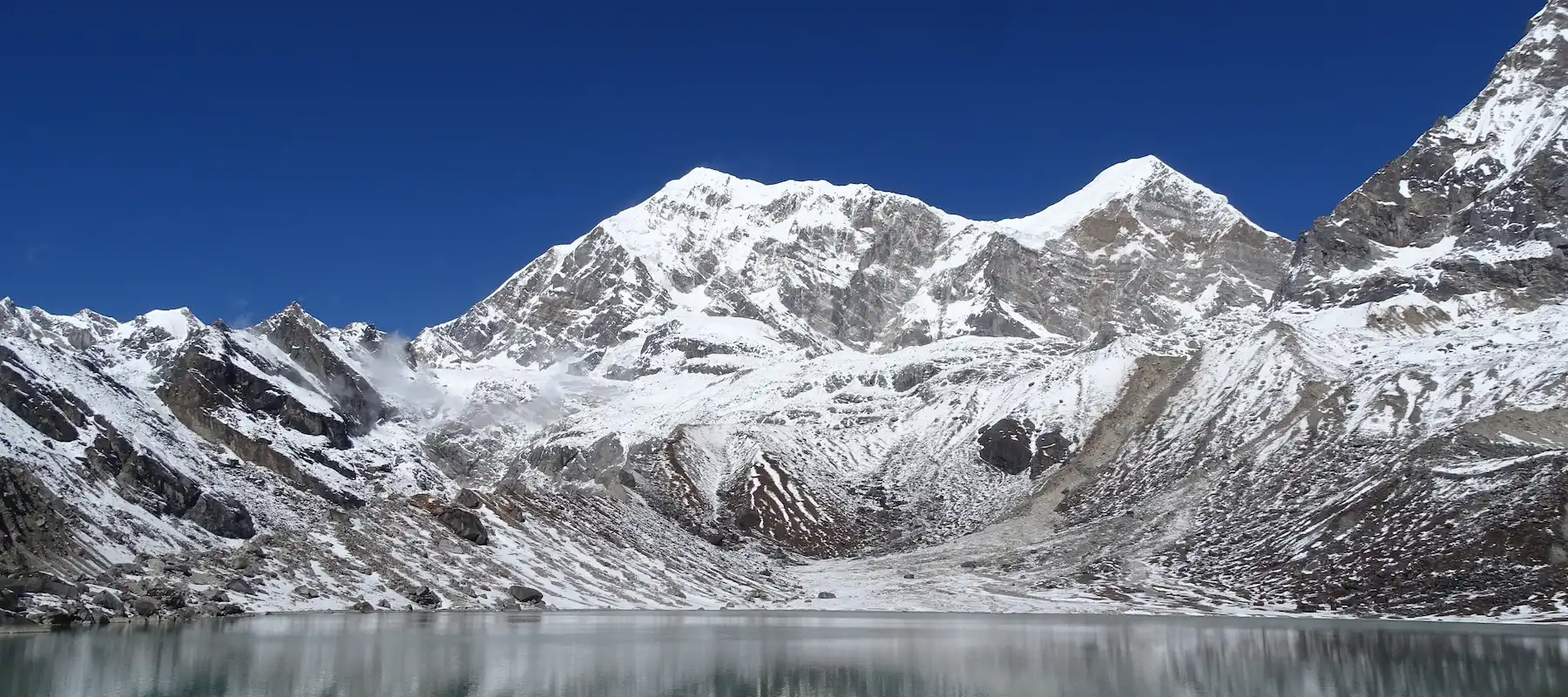
Beneath the ice-draped flanks of Mt. Numbur (6,959m), the sacred ‘Sherpa god mountain’ of the Solukhumbu, lies one of Nepal’s most beautifully-kept trekking secrets: Dudh Kunda, a high-altitude glacial lake at 4,592 metres, which means ‘Milk Lake’ in Nepali, referring to the milky white water of the glacier that waters its extraordinary turquoise depths. The Dudh Kunda Trek is a 6-day trek to a sacred, rarely visited lake in the culturally rich lower Everest region, offering stunning mountain views, authentic experiences of the Sherpa people, and a sense of achievement for the trekker who finds this place.
What sets the Dudh Kunda Trek apart is what it doesn’t have – crowds. The EBC trail is relatively full of trekking groups during the peak season, whereas the Dudh Kunda is relatively quiet, with in peak season, only a few parties throughout the year. The walk from Phaplu to Ratnange Danda to Traksindo to Saharsa Beni through untouched rhododendron and fir forests buzzing with wildflowers and birdsong, including Nepal’s national bird, the Himalayan monal, with its brilliant plumage, takes only two days from the roadhead to the sacred lake. The south side of Numbur and Mt Karyalung (6681m) dominate the landscape of the lakeshore, and it’s a breathtaking landscape of raw, almost theatrical glacial grandeur.
Dudh Kunda is a very sacred place for both Hindus and Buddhists. During the festival of Janai Purnima, Hindu pilgrims from all over Nepal travel to the lake in search of the blessings of the mountain gods, believing that bathing in the waters of the lake will purify the soul. In the Buddhist tradition, the lake, along with the surrounding peaks, is the home of the protective spirits of the Himalayas, and one of the few places where two major religions honor the same awe-inspiring natural landscape.
Day 1 Drive Kathmandu (1,400m / 4,593ft) to Phaplu (2,413m / 7,917ft)
Day 2 Phaplu to Traksindo via Ratnange Danda (3,067m / 10,062ft)
Day 3 Traksindo to Saharsa Beni (3,800m / 12,467ft)
Day 4 Saharsa Beni to Dudh Kunda (4,592m / 15,062ft) & Return to Saharsa Beni
Day 5 Saharsa Beni to Ringmo (2,736m) & Drive to Phaplu
With the lake experience complete, the descent back toward the valley carries a particular lightness — the hard work is done and the lower country welcomes you back with warmer air and denser forest. The trail drops from Saharsa Beni through changing vegetation zones before arriving at Ringmo village (2,736m) — a delightful Sherpa apple-growing community famous throughout the Solukhumbu for its prolific orchards, locally brewed apple wine, and traditional yak cheese produced in the stone-walled farmhouses surrounding the village. Sample both before the short jeep ride transfers you back to Phaplu for a well-earned rest, a hot shower, and a final comfortable lodge night in the lower Khumbu.
Day 6 Phaplu to Kathmandu
Dudh Kunda is a fantastic choice for trekkers who want something peaceful and different. The six-day journey was challenging in places but very rewarding. I particularly enjoyed the quiet trails and spectacular views as we gained altitude. Standing beside Dudh Kunda after completing the trek was a very special moment. Race was a reliable and encouraging guide throughout the journey, and I would definitely recommend the experience.
The Dudh Kunda Trek was full of beautiful moments. I really enjoyed the combination of green forests, mountain scenery, peaceful villages, and the spectacular lake. The route gave us plenty of time to appreciate the surroundings without feeling rushed. Race was kind, professional, and very knowledgeable about the region. I returned from the trek with some amazing memories.
What I enjoyed most about Dudh Kunda was the feeling of being away from the crowds. The trail was quiet and surrounded by beautiful Himalayan landscapes. It was a great opportunity to slow down and enjoy nature rather than constantly thinking about reaching the next destination. Race was an excellent companion on the trail and made the entire trip feel easy and enjoyable.
There were definitely some challenging sections, but reaching Dudh Kunda made every step worthwhile. The scenery around the lake was incredible and much more impressive than I had imagined. I also loved the peaceful forests and mountain villages along the route. Race was supportive throughout the trek and helped us maintain a comfortable pace. Overall, a fantastic six-day adventure.
If you want to experience a quieter side of the Himalayas, I would definitely recommend Dudh Kunda. The trek felt authentic and peaceful, with amazing landscapes throughout the route. The changing scenery kept every day interesting. Race was knowledgeable about the trail and local culture and was always checking that everyone was doing well. I would happily do this trek again.
This was my second trekking experience in Nepal, and Dudh Kunda quickly became one of my favorites. The trails were beautiful and much quieter than I expected. We walked through forests, hills, and traditional villages before reaching the spectacular lake. Race was friendly and attentive throughout the trek. The six-day itinerary was well planned and never felt rushed.
I loved how peaceful the Dudh Kunda trail felt compared with some of Nepal’s busier trekking routes. Every day brought something different, from dense forests to open mountain landscapes. The final approach to Dudh Kunda was unforgettable. Race looked after our group very well and shared interesting information about the places we passed. A beautiful trek from start to finish.
This six-day trek was exactly what I was hoping for. The route offered a great mix of nature, mountain scenery, local culture, and peaceful trails. Dudh Kunda itself was absolutely beautiful and felt very special after the journey to reach it. Our guide Race was patient, professional, and always ready to help. It was a memorable experience.
Dudh Kunda was such a wonderful surprise. The trail was peaceful, with beautiful forests, small settlements, and incredible mountain views along the way. I especially enjoyed the quiet atmosphere around the lake. Race was a fantastic guide and made the trek comfortable from beginning to end. Highly recommended for anyone looking for a less crowded Himalayan adventure.
The Dudh Kunda Trek was one of the most peaceful and memorable experiences I’ve had in Nepal. I loved walking through quiet forests, beautiful mountain landscapes, and traditional mountain villages without the crowds you find on some of the more famous routes. Reaching the sacred Dudh Kunda was the highlight of the trek, with the lake surrounded by dramatic Himalayan scenery. Our guide, Race, was friendly, experienced, and always made sure we were comfortable along the way. Six days felt like the perfect amount of time for this beautiful adventure.
The Dudh Kunda Trek gave me a wonderful combination of Himalayan scenery and local culture. I enjoyed meeting people in the mountain villages and seeing how peaceful life is in the region. The lake was the highlight for me, especially with the mountains surrounding it. Race was an excellent guide who kept everything organized and made the journey enjoyable.
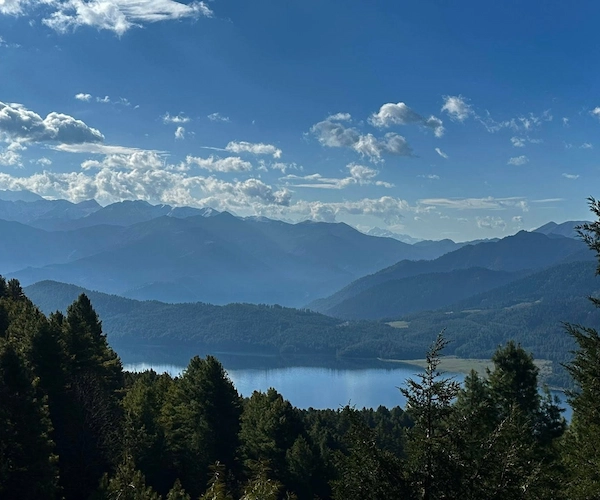
The Dudh Kunda Trek starts with a long but rewarding trek overland from Kathmandu to Solukhumbu’s district headquarters of Phaplu (2413m) – the commercial hub of the lower Khumbu region. The drive goes east from Kathmandu along the Araniko highway to Dhulikhel and then on to Salleri, then turns north, passing the natural lunch stop halfway at Ghurmi which is a midland town, and continues up the hills of the Sherpa region. The town of Phaplu is a comfortable airstrip surrounded by a pleasant and unhurried town that has a warm community spirit with centuries of Sherpa trading and pilgrimage culture.
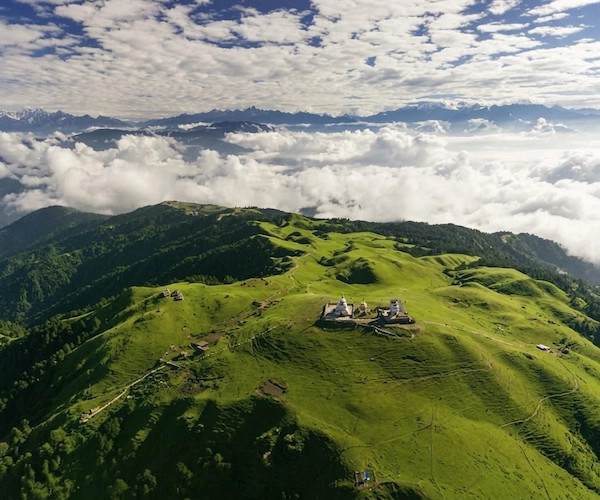
The path from Phaplu heads north through the forest, rising to see Ratnange Danda, a stunning ridge that dominates the entire valley system of Solukhumbu from which the white giants of Everest, Lhotse, Makalu, Ama Dablam and Numbur is visible on the northern and eastern horizon, before heading down to the historic monastery settlement of Traksindo (3,067m). One of the most significant and picturesque Sherpa Buddhist monasteries in the lower Khumbu valley, the Traksindo Monastery’s features – whitewashed walls, prayer wheels and juniper incense – create a magical atmosphere for an overnight visit.
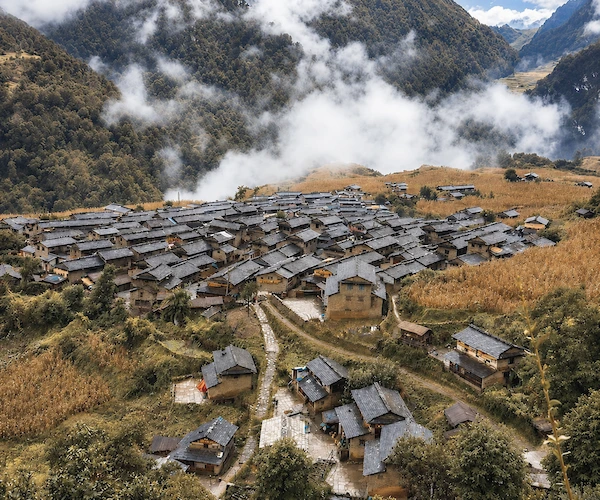
The path from Traksindo to the upper Dudh Kunda valley runs through increasingly wild and emptier country upwards along the course of the Kholongchu river, which becomes narrow and not well marked in places, the forest replaced eventually by high alpine scrub, as Saharsa Beni can be seen. The base camp for the lake excursion is Saharsa Beni (3800m), a small, seasonal settlement, nestled in a wide bowl below the ridgeline, and high summer pastures where yak herders stay.
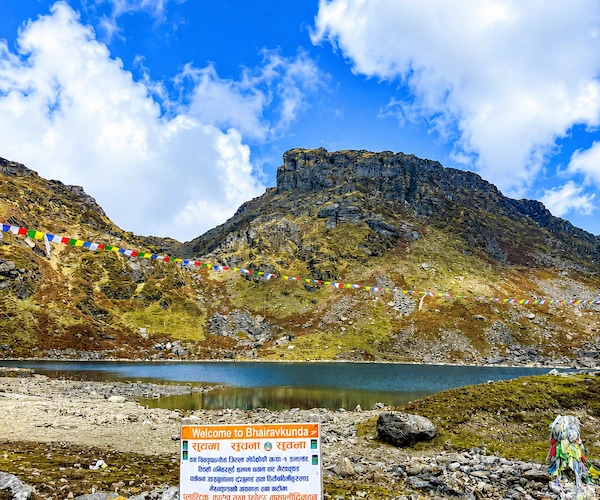
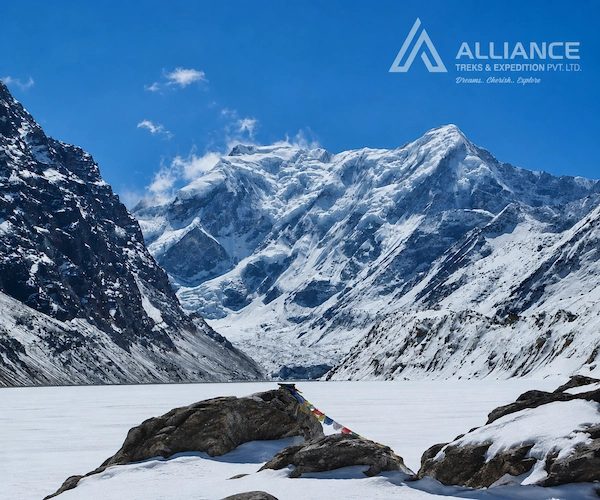
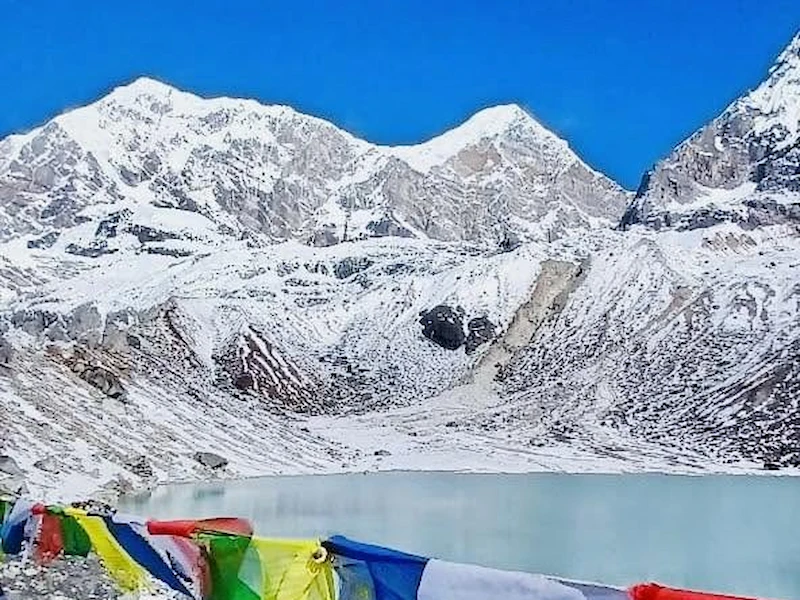
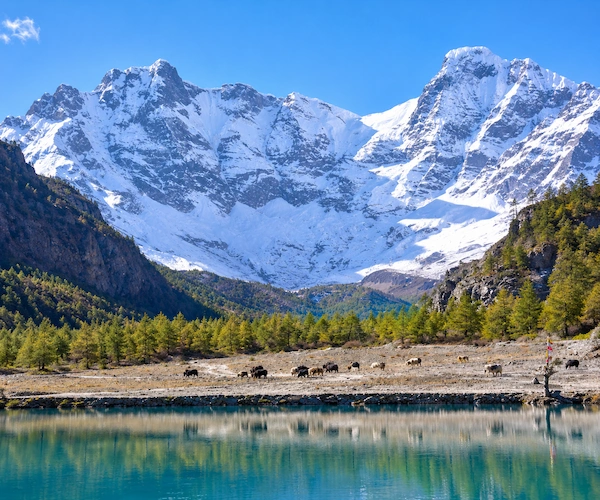
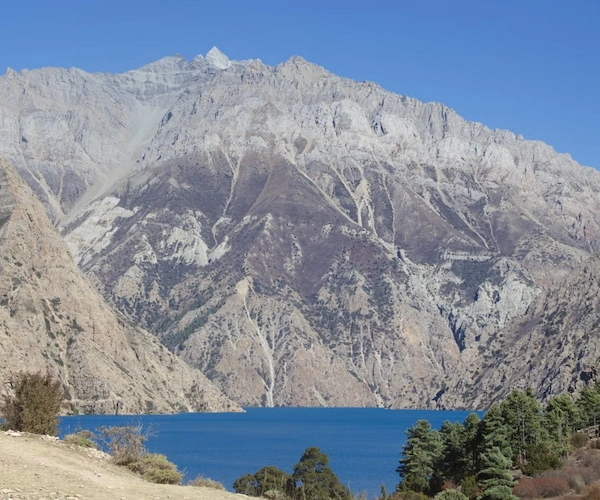
From Saharsa Beni, the trail is steep and rocky as it passes through the upper valley, crossing the seasonal waters and climber’s moraine, before suddenly appearing upon the lake itself, an almost unimaginable pool of turquoise water that is nestled between rocky ridges, with the massive ice faces of Numbur and Karyalung rising straight overhead. There is no one ever there that speaks at the lake. The prayer flags are fluttering in the thin mountain air and the stones at the lakeshore are piled in little heaps by the previous pilgrims. The ridge above the lake offers a panorama of 360 degree views of Everest, Lhotse, Makalu, Numbur, Karyalung, Khatang, Khumbila, Cho Oyu and dozens of unnamed peaks visible on every horizon.
The return leg passes through Saharsa Beni and then heads south through the famous apple growing village of Ringmo (2736m) – well known to the people of the Solukhumbu for its apple orchards, its locally made apple wine and its traditional apple-cheese (yak cheese) This is one of the most authentic Sherpa village environments in the lower Khumbu, not spoilt by the tourism facilities of the EBC corridor. The jeep ride back to Ringmo and on to Phaplu is only a short trip before the long trip back home to Kathmandu.
The Dudh Kunda Trek is rated moderate. The most demanding day is the return excursion to Dudh Kunda Lake on Day 4 — a 5–6 hour round trip climbing to 4,592m on a steep, rocky trail. The approach days from Phaplu to Saharsa Beni involve sustained elevation gain over 5–6 hours per day. Good general fitness and some prior trekking experience are recommended. No technical skills or specialized high-altitude experience are required.
Dudh Kunda (meaning "Milk Lake") is one of the most important Hindu pilgrimage sites in the Solukhumbu region. It is dedicated to Lord Shiva, and Hindu pilgrims believe that bathing in the lake's sacred waters during the festival of Janai Purnima cleanses the soul and brings the blessings of the mountain deities. For Tibetan Buddhists, the lake and the surrounding peaks — particularly Numbur, which is considered the guardian deity of the Sherpa people — are revered as dwelling places of protective mountain spirits. Every year during Janai Purnima, hundreds of pilgrims make the trek to the lakeshore to offer prayers and perform ritual bathing.
Alliance Treks & Expedition Pvt. Ltd. Once is not enough for naturally and culturally Himalayas