(Viber, Whatsapp, Cell) +977 9851022814

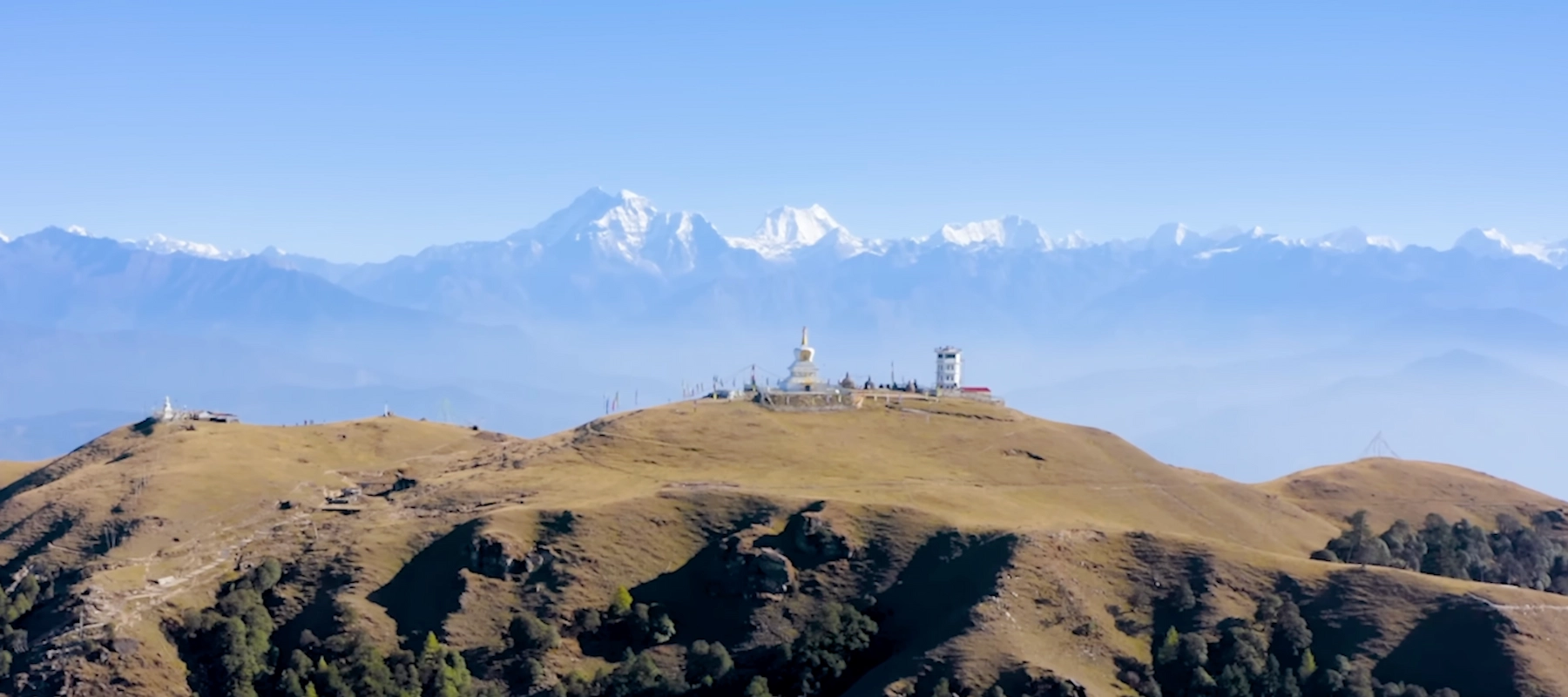
Sailung Trek is a short camping trek with a touch of wilderness through the lesser-known hills of Dolakha and Ramechhap districts, which is far from the tourist path and is a real experience. The 8-day trek is designed around the Sailung area, well known for its wide, grassy ridgelines and breathtaking vistas of the Himalayas, with a day of Kathmandu Valley heritage sightseeing thrown in, in addition to a full camping trek through forested hills, remote monasteries, and traditional villages little-known to international trekkers.
It starts with a day exploring Kathmandu’s UNESCO World Heritage Sites and an overland drive to the starting point of the trek, Mude Bazar, a small hill town on the Jiri road. From there, the trail heads up into the hills above Dolakha, through Khola Kharka (the highest point on the trek, 3246m) and down through the tranquil Buddhist monastery, Dhorma Gompa, and a series of ridgeline villages including Durase Bhanjyang and Kattike Deurali. The journey ends at Palanchok Bhagwati Temple, considered one of the most significant Hindu temples, and then heads back to Kathmandu.
Day 1 Arrival in Kathmandu (1,350m / 4,429ft) & World Heritage Sites Sightseeing
Day 2 Drive from Kathmandu to Mude Bazaar (2,500m / 8,203ft)
Day 3 Mude Bazaar to Khola Kharka (3,246m / 10,322ft)
Day 4 Khola Kharka to Dhorma Gompa (2,100m / 6,890ft)
Day 5 Dhorma Gompa to Durase Bhanjyang (2,300m / 7,546ft)
Day 6 Durase Bhanjyang to Kattike Deurali (3,230m / 10,600ft)
Day 7 Kattike Deurali to Palanchok Temple (1,563m / 5,128ft)
Day 8 Palanchok to Kathmandu (1,350m / 4,429ft)
Sailung was exactly the kind of trekking experience I was looking for—peaceful, scenic, and away from the crowds. The combination of nature, village life, and panoramic viewpoints made each day special. Some sections were challenging, but the journey was very rewarding. Race was supportive throughout and made sure we enjoyed the trek at a comfortable pace. I came back with wonderful memories of Nepal.
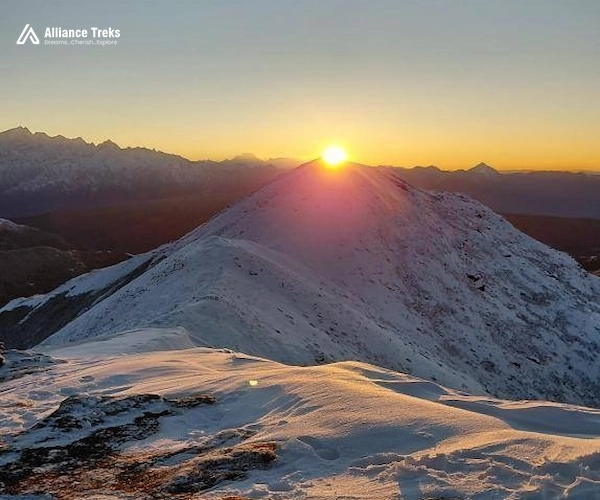
The highlight of my trek was watching the sunrise from the Sailung viewpoint. Seeing the surrounding hills and distant Himalayan peaks slowly light up was an unforgettable moment. The trails themselves were equally enjoyable, passing through forests, villages, and beautiful countryside. Race was a great guide and handled the trek professionally. I would definitely recommend this route.
The Sailung Trek is a great choice if you want to explore Nepal beyond the busy trekking routes. I loved the forests, terraced fields, small villages, and beautiful hilltop scenery. Every day felt different and interesting. Race was an excellent guide who explained the local surroundings and kept everyone motivated. The eight days passed surprisingly quickly.
I really enjoyed the relaxed pace of this eight-day trek. There was enough time to appreciate the scenery, interact with local communities, and enjoy the peaceful surroundings. Sailung’s wide grassy hills and panoramic mountain views were especially impressive. Race took excellent care of our group and was always ready to help whenever we needed anything.
Sailung was completely different from the more popular trekking routes I have experienced in Nepal. The villages felt authentic, the people were welcoming, and the scenery was beautiful every day. The sunrise and mountain views from the Sailung hills were a major highlight. Our guide Race was professional, patient, and knowledgeable about the local culture.
What I enjoyed most about the Sailung Trek was how peaceful the trails were. We rarely encountered other trekkers, which made the experience feel very authentic. The landscape changed constantly, from forests and farmland to wide mountain viewpoints. Race was very helpful throughout the trek and always made sure we were comfortable. A fantastic experience from beginning to end.
The Sailung Trek was a wonderful way to experience a quieter and more traditional side of Nepal. I loved walking through peaceful villages, green hills, forests, and open ridgelines. The views from Sailung were absolutely beautiful, especially in the early morning. Race was a friendly and knowledgeable guide who made the eight-day journey comfortable and enjoyable.
This trek gave us much more than beautiful mountain views. We got to experience rural village life, local traditions, farming communities, and peaceful Himalayan landscapes. I especially enjoyed the welcoming atmosphere in the villages along the route. Race was incredibly friendly and made sure the whole group stayed comfortable. It was a memorable and authentic Nepal experience.
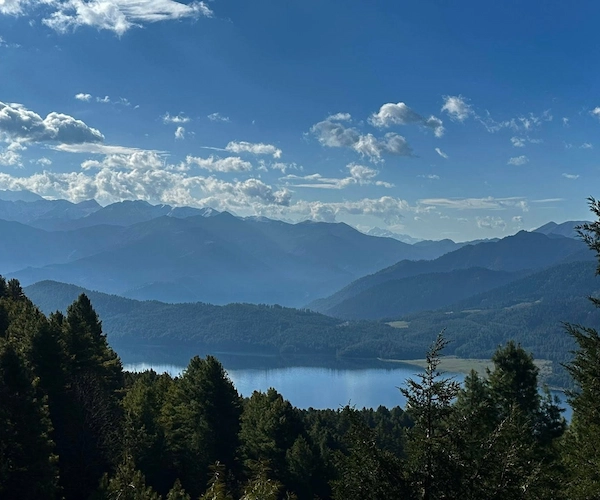
For trekkers who want the feel of a genuine Himalayan camping expedition without committing two or three weeks to it, the Sailung Trek offers a compact, well-rounded alternative that few travelers outside Nepal have even heard of. The Sailung ridge itself has long been a favorite short getaway for Kathmandu residents, prized for its open, grassy highlands and uninterrupted views — but this 8-day itinerary extends well beyond the ridge itself, weaving through a wider stretch of the Dolakha and Ramechhap hills that most visitors never explore.
The trek opens with a full day in Kathmandu, taking in the valley’s UNESCO World Heritage Sites before setting off the next morning on the drive to Mude Bazaar, a small trading town along the historic Jiri road — itself once the starting point for early Everest expeditions before the Lukla airstrip existed. From Mude, the trail leaves the road behind entirely, climbing through forested hillsides to Khola Kharka, a high pastureland camp that marks the trek’s highest point and offers your first proper taste of the open, expansive scenery this region is known for.
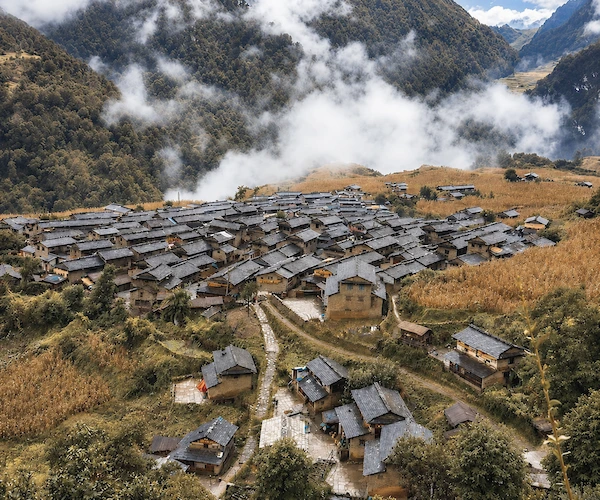
The days that follow trace a route through quieter, lesser-known terrain — descending to Dhorma Gompa, a Buddhist monastery tucked into the hillside, before continuing along ridgelines through Durase Bhanjyang and Kattike Deurali, both offering wide-angle views across the surrounding hill country and, on clear days, distant glimpses of the Rolwaling and Everest ranges. Throughout this stretch, the trek passes through small farming settlements where terraced fields, grazing livestock, and traditional stone-and-timber houses reflect a way of life largely unaffected by tourism.
The trek’s final descent brings you to Palanchok Bhagwati Temple, one of the more significant Hindu pilgrimage sites in this part of Nepal, dedicated to the goddess Bhagwati and drawing pilgrims from across the region during festival periods. Ending the trek at a site of genuine spiritual and cultural significance, rather than simply a trailhead, adds a meaningful close to a trip that has otherwise focused on quiet hills and camping under open skies. From Palanchok, a final drive returns you to Kathmandu, wrapping up a short but genuinely rewarding trek into one of the capital’s most underrated nearby wilderness areas.
Yes, after leaving Mude Bazaar, the trek relies on full camping support throughout, since teahouse infrastructure is limited in this part of Dolakha and Ramechhap.
Yes, standard local trekking permits and area fees apply, which are arranged as part of your package.
Palanchok Bhagwati Temple is one of the more important Hindu pilgrimage sites in this region, dedicated to the goddess Bhagwati and visited by pilgrims from across the surrounding districts, especially during festival periods.
Spring (March–May) and autumn (September–November) offer the most stable weather and clearest mountain views, though the trek's moderate altitude makes it feasible in winter as well.
Alliance Treks & Expedition Pvt. Ltd. Once is not enough for naturally and culturally Himalayas