(Viber, Whatsapp, Cell) +977 9851022814

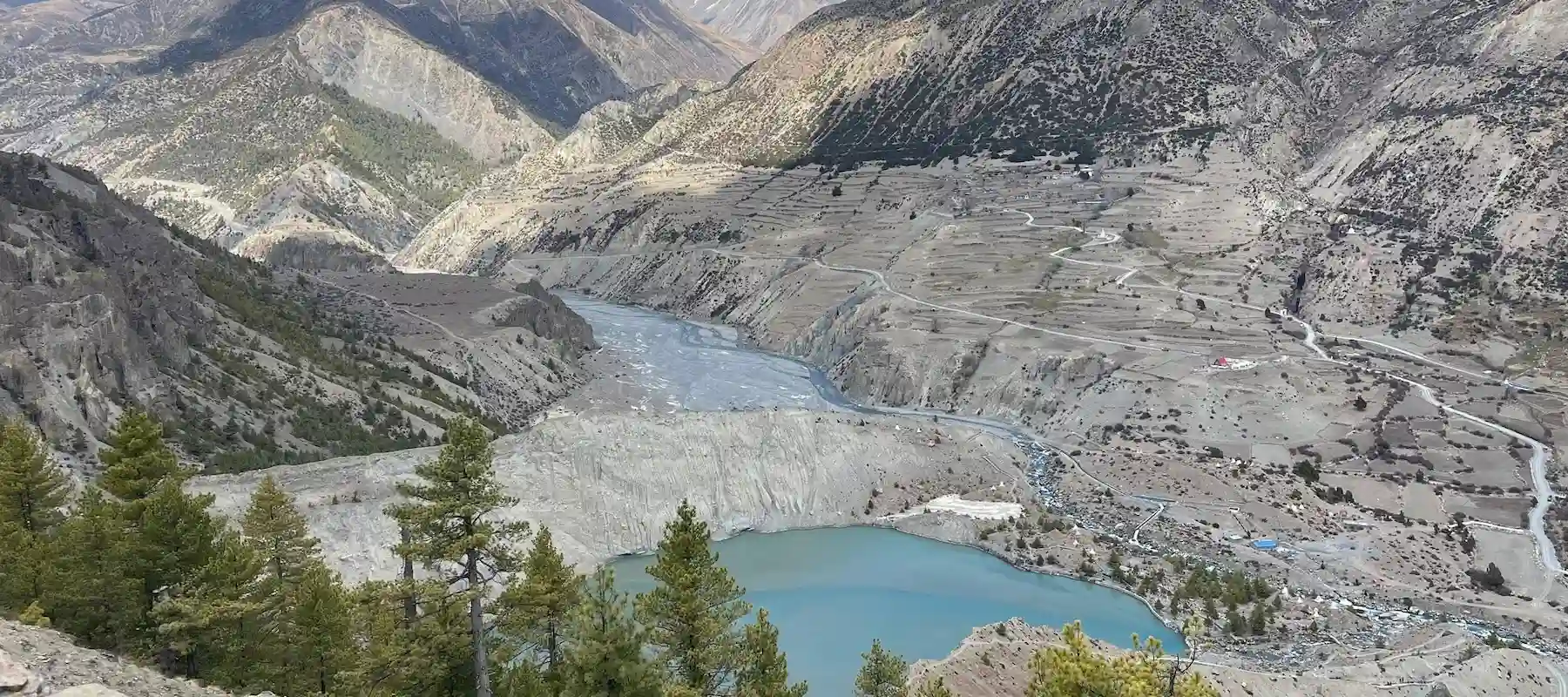
Nar Phu Valley Trek, a journey through ancient Tibetan villages, dramatic landscapes, and the stunning Kang La Pass. If you’re looking for a trek that takes you somewhere truly off the beaten path, Nar Phu Valley Trek is exactly what you need. Tucked away in the remote corners of Nepal’s Annapurna region, this incredible journey takes you through hidden valleys, ancient Tibetan-influenced villages, and jaw-dropping mountain scenery. Nar Phu Valley Trek is not your typical tourist trail and that’s exactly what makes it so special.
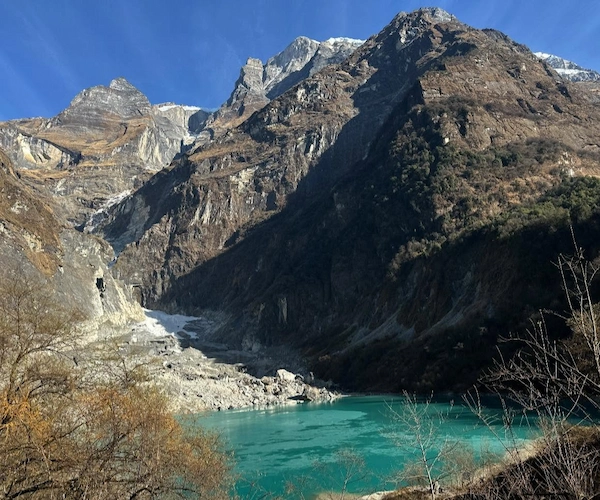
Unlike the crowded Annapurna Circuit or Everest Base Camp route, Nar Phu Valley Trek feels like a true expedition into another world. You walk through narrow gorges carved by rivers, cross high mountain passes, and arrive at villages so remote that they were only opened to trekkers in 2003. Every step feels like a reward.
What makes Nar Phu Valley Trek even more exciting is the rich culture you encounter along the way. The people here follow ancient Tibetan Buddhist traditions that have remained unchanged for centuries. You’ll see prayer flags fluttering in the wind, hear the sound of monks chanting, and sleep in villages where life moves at a beautifully slow pace. In short, this trek is not just a physical adventure — it’s a cultural journey you’ll talk about for years.
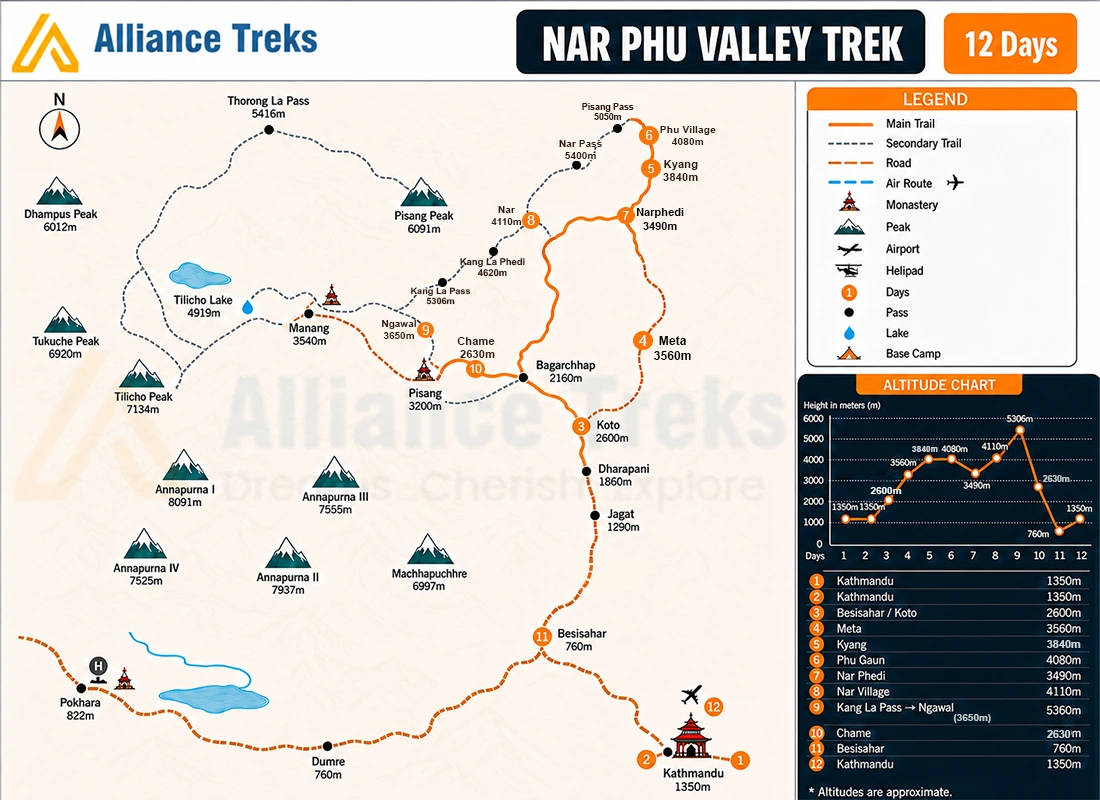
Nar Phu Valley Trek is a 12-day adventure that starts and ends in Kathmandu. From the lowlands, you drive up to Dharapani and then begin trekking into the restricted Nar Phu Valley. You pass through tiny, remote villages like Kyang, and Phu — places that most trekkers never get to see. After exploring Phu Village, you continue to Nar Village and then tackle the thrilling Kang La Pass at 5,320m before descending to Manang and driving back to Kathmandu.
This trek combines natural beauty, cultural richness, and a real sense of adventure. It’s perfect for trekkers who want to experience authentic Nepal without the crowds.
Day 1 Arrival in Kathmandu (1325m/ 4,344ft)
You arrive at Tribhuvan International Airport, where a company representative meets you and transfers you to your hotel in Thamel.
After check-in, you have free time to explore the area or relax. In the evening, your guide will brief you about the trek, altitude plan, permits, and what to expect in Nar Phu Valley.
Tip: Check your gear, permits, and insurance tonight. Carry enough Nepali rupees, as there are no ATMs beyond Besisahar.
Day 2 Kathmandu - Permit Day and Sightseeing
While your agency prepares the restricted area permit for Nar Phu Valley, you’ll spend the day exploring the Kathmandu Valley.
Visit Boudhanath Stupa, where you can walk around the stupa with locals and pilgrims. Continue to Pashupatinath Temple, an important Hindu site along the Bagmati River, and then head to Swayambhunath for city views. If time permits, you can also explore Patan or Bhaktapur.
Return to your hotel in the evening; your permits will be ready for the trek starting tomorrow.
Note: The restricted area permit must be arranged through a registered trekking agency. It cannot be obtained individually or at checkpoints, and a minimum of 2 people is required.
Day 3 Kathmandu- Besisahar- Koto (2576m/ 8,661ft)
You leave Kathmandu early and drive along the Prithvi Highway to Besisahar, the starting point of the Annapurna region. From here, you switch to a 4WD jeep and continue on a rough mountain road following the Marsyangdi River.
Along the way, you pass places like Syange and Tal, with views of waterfalls and river valleys. By late afternoon, you reach Koto, the entry point to the Nar Phu Valley.
Check your permits at the checkpoint in the evening, as they will be required again the next day.
Day 4 Trek from Koto to Meta (3638m/ 11,900ft)
From Koto, you leave the main trail and head north into the narrow Soti Khola gorge. The path follows the Phu Khola, crossing several suspension bridges and wooden walkways.
Along the way, you pass the Chhongche caves, once used by traders as resting spots on the old route to Tibet. The trail climbs gradually through forest, with waterfalls and occasional mountain views.
After a lunch stop at Dharmasala, you continue uphill to reach Meta, a small settlement on an open plateau. This is where the landscape and culture begin to feel more Tibetan.
Watch for: The Chhongche caves along the trail, carved into the cliffs and used historically as shelters.
Day 5 Trek from Meta - Kyang (1741m/ 5,325ft)
Day 6 Trek from Kyang - Phu Gaun (4080m/ 13,385ft)
Day 7 Trek from Phu Gaun to Nar Phedi (3540m/ 11,614ft)
Leaving Phu Gaun, you descend to cross the Phu Khola on a suspension bridge, then follow the trail back past Kyang. From here, the route climbs toward Upper Chyako, a seasonal herders’ settlement.
The landscape is dry and open, with views of Pisang Peak to the southeast. By afternoon, you reach Nar Phedi, a small stop near a monastery.
Evening: If possible, you can visit the monastery and observe the monks’ evening prayers with your guide’s permission.
Day 8 Trek from Nar Phedi to Nar Village (4110m/ 13,484ft)
The walk from Nar Phedi to Nar Village is steady and gradual, passing yak pastures, chortens, and open hills. The altitude increases as you climb. Nar is a larger and more active village than Phu, with wider paths and a stronger community feel. It is surrounded by views of Kang Guru and Pisang Peak.
In the afternoon, you can visit the main monasteries in the village and observe local life and prayer sessions if they are open.
Tomorrow is a challenging trekking day, so prepare your gear and rest well tonight.
Day 9 Nar- Kang La Pass (5320m/ 17,454ft) to Ngawal (3660m/ 12,008ft)
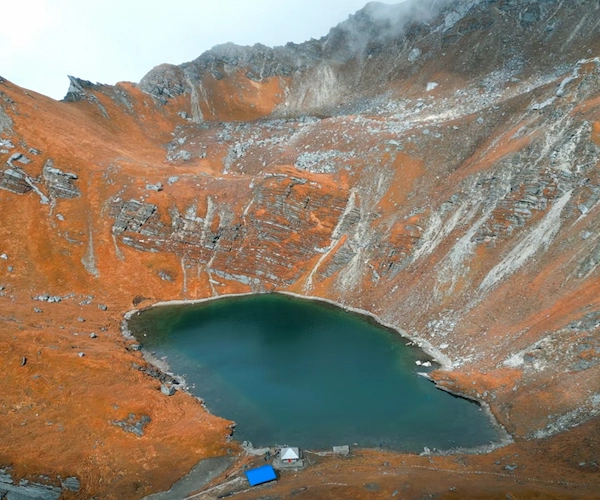
This is the hardest and most important day of the trek. You leave Nar Village very early in the morning and climb steadily through the Temdenzon Khola valley, following moraine ridges above the glacier.
After several hours, you reach Jhombu Kharka, a common high camp before the pass. From here, the trail becomes steep, rocky, and exposed as you approach Kang La Pass.
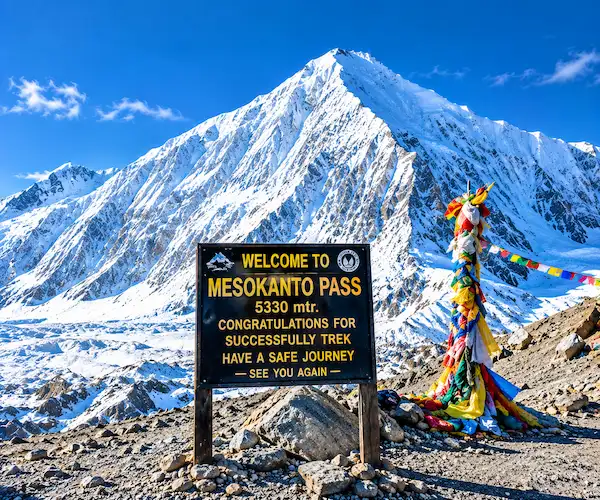
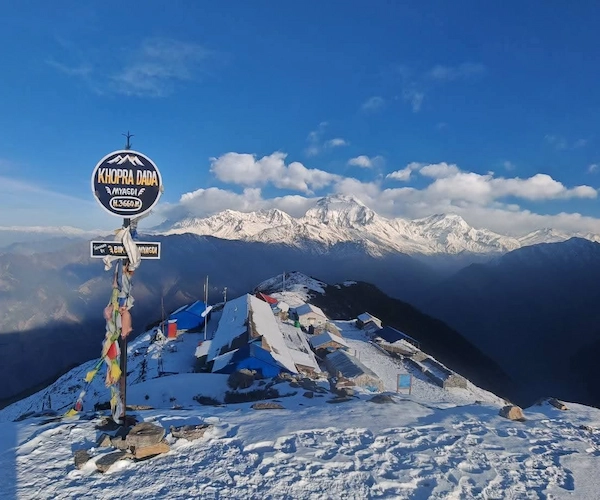
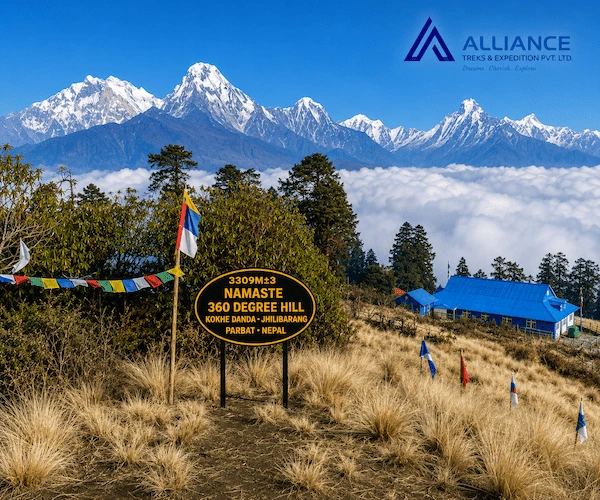
At the top, prayer flags mark the summit, with wide views of peaks like Annapurna II, Gangapurna, and Lamjung Himal. After a short rest, you begin a long 1,600m descent to Ngawal.
Ngawal is a comfortable village with good facilities, and nearby you can visit the cave linked to Guru Rinpoche, a respected spiritual site.
Day 10 Trek from Ngawal to Chame (2670m/ 8,891ft)
Day 11 Drive Chame- Besisahar -Kathmandu
You leave Chame by local jeep and drive down to Besisahar (about 4–5 hours on mountain roads). From there, you continue by highway vehicle back to Kathmandu.
The road follows the Marsyangdi River valley, gradually moving from mountains to lower hills and busy towns. It’s a long drive, so you can relax, look through photos, or rest.
By evening, you arrive in Kathmandu for a farewell dinner to mark the end of the trek.
Day 12 Final Departure
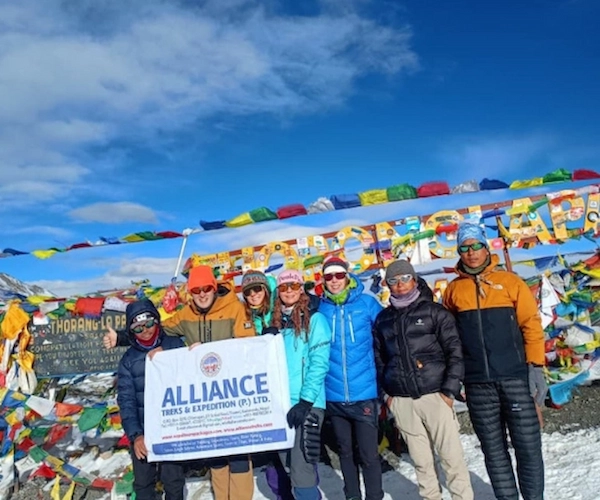
Nar Phu Valley Trek is you must do once in a life. I could not belief this trekking how beautiful is this trekking.
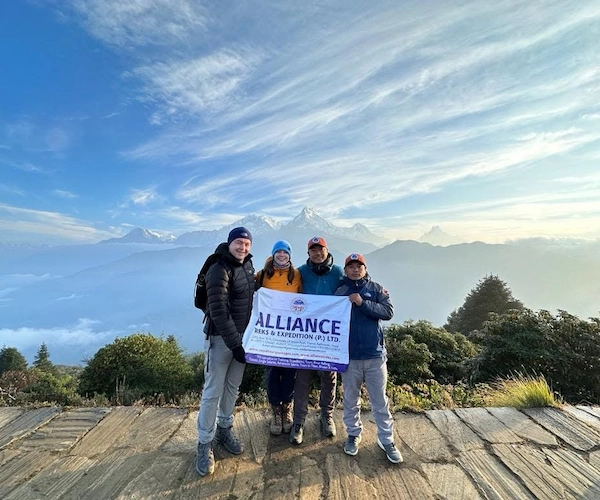
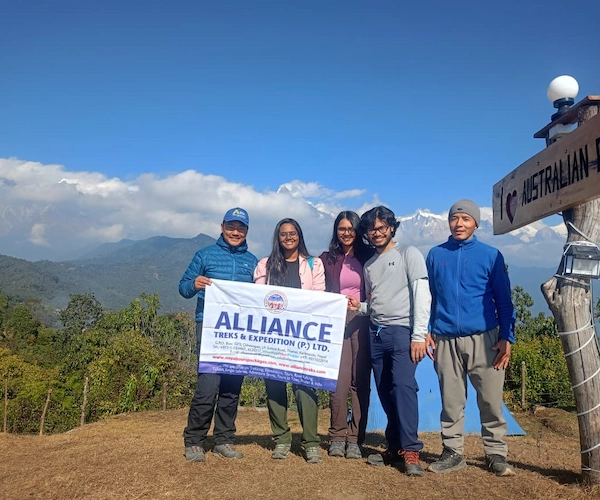
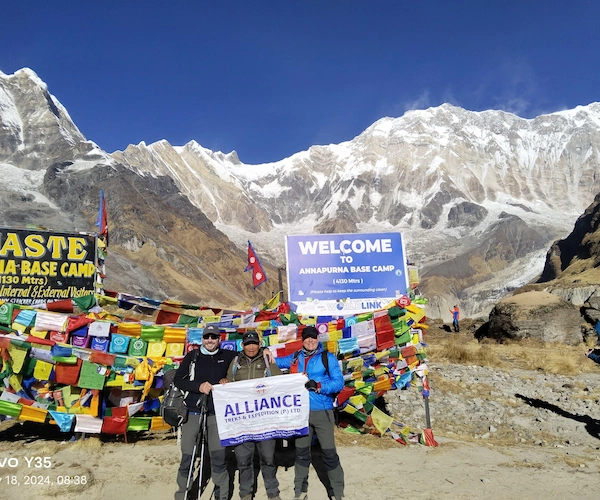
I did this trekking with my 3 other Indian friends and we people from Mumbai never had such kind of experience. I had mini camping trekking (half tea house and half camping), I enjoyed so much. our crew members are brilliant Kul jee from Alliance Treks organized our trekking so smoothly.
Thank you Kul jee again for your great effort and I come with more friend next time for this trekking.
Best meals, best lodge and best crews. Funny guide Jay and porters are so strong.
Jay Hind !
Nitin Joshi and Team
Mumbai, India
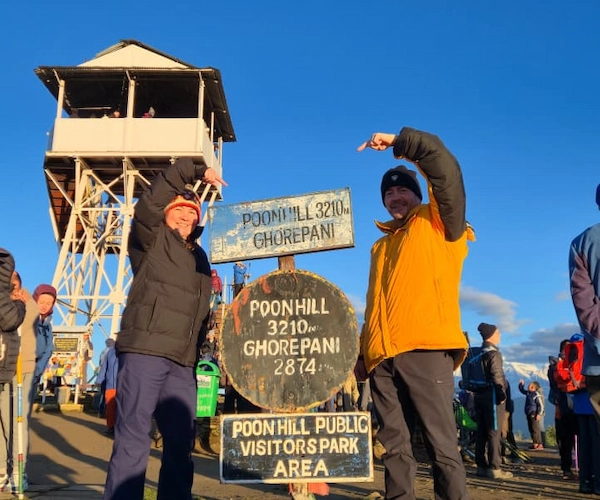
Nar Phu Valley Trek is the best I ever found in my Nepal trip. I did this trekking with my friend and culture, landscape, Semi Tibetan style people, Kang-La pass (5,320m) is amazing I found for me. I did Annapurna Manang with my trek after this pass and I love to do this trek again as I found best in Spring.
Our guide Mr. Narayn san thank you and porter Hari san for your care. You both are our best friend. Mr. Kul from Alliance Treks made our trip more safe and complete. I love to use Alliance Treks again and tell other people also to use because this company is trust, professional and honest.
See you soon for next trek.
Oshihiro Nakazawa
Yokohama, Japan
The Nar Phu Valley Trek is one of Nepal’s best-kept secrets. Sitting in the northern part of the Annapurna Conservation Area, it shares the same Himalayan backdrop as the famous Annapurna Circuit. However, unlike its neighbor, this valley has managed to preserve its raw, untouched character. That’s because trekkers need a special restricted area permit to enter — which naturally keeps the numbers low and the experience authentic.
The trek begins with a scenic drive from Kathmandu to Dharapani, a small town on the edge of the Marshyangdi River valley. From here, the real journey starts. You walk into increasingly remote terrain, following rivers and climbing through dense forests and rocky hillsides. Each day brings new scenery and new surprises.
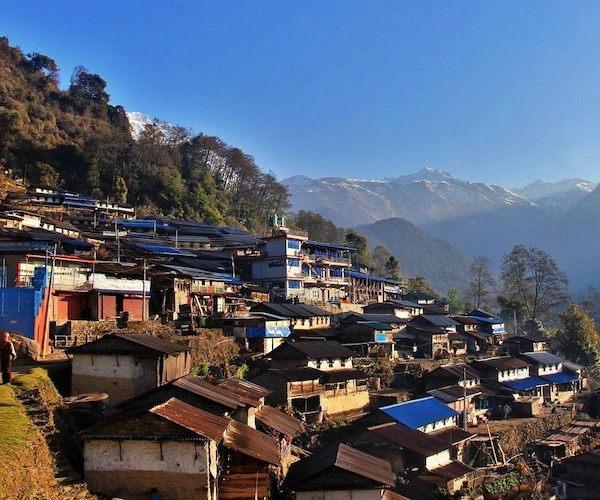
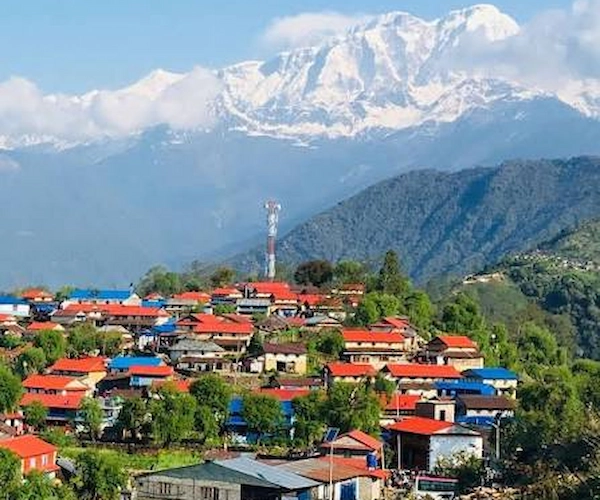
As you move deeper into the valley, you’ll notice the landscape slowly changing. The lush green forests give way to drier, high-altitude terrain that looks strikingly similar to the Tibetan plateau. The villages here — Meta, Kyang, Phu, and Nar — feel like they belong to another era. Locals speak their own dialect, follow ancient customs, and live in traditional stone houses surrounded by barley fields and prayer wheels.
Phu Village is the highlight of the first half of the trek. Perched at 4,050m, it’s one of the most remote villages in Nepal. You get a full acclimatization day here to explore the surrounding monastery, enjoy stunning mountain views, and simply soak in the peaceful atmosphere. Many trekkers say this day is their favourite of the entire trip.
After Phu, you head towards Nar Village — a slightly larger settlement with equally rich culture. From Nar, the trek reaches its most dramatic moment: the crossing of Kang La Pass. At 5,320m, this is both the highest and most challenging point of the journey. However, the panoramic views from the top — with Annapurna, Gangapurna, and countless other peaks surrounding you — make every bit of effort absolutely worth it.
The descent from Kang La takes you to Ngawal and then Manang, both of which sit along the Annapurna Circuit. From Manang, a scenic drive brings you back to Besishahar and eventually to Kathmandu. Overall, the Nar Phu Valley Trek is a perfect blend of adventure, culture, and natural beauty — an experience unlike anything else in Nepal.
Alliance Treks & Expedition Pvt. Ltd. Once is not enough for naturally and culturally Himalayas