Everest Trekking is one of the world’s most famous trekking adventures. Every year, thousands of trekkers travel to Nepal to experience the beauty of the Everest region, walk through traditional Sherpa villages, and stand beneath the highest mountain on Earth, Mount Everest (8,848.86 meters).
Whether you choose Everest Base Camp Trek, EBC Trek, Lukla to Everest Base Camp Trek, Everest Panorama Trekking, Everest Classic Trekking, Chola Pass Trekking, EBC to Gokyo Lake Trekking, Gokyo Ri Trek or the challenging Three High Passes Everest Trekking, every route offers breathtaking mountain scenery and unforgettable experiences.
The Everest region combines adventure, culture, nature, and personal achievement. From dramatic suspension bridges and ancient monasteries to towering snow-capped peaks and glacial valleys, Everest Trekking delivers an experience unlike any other.
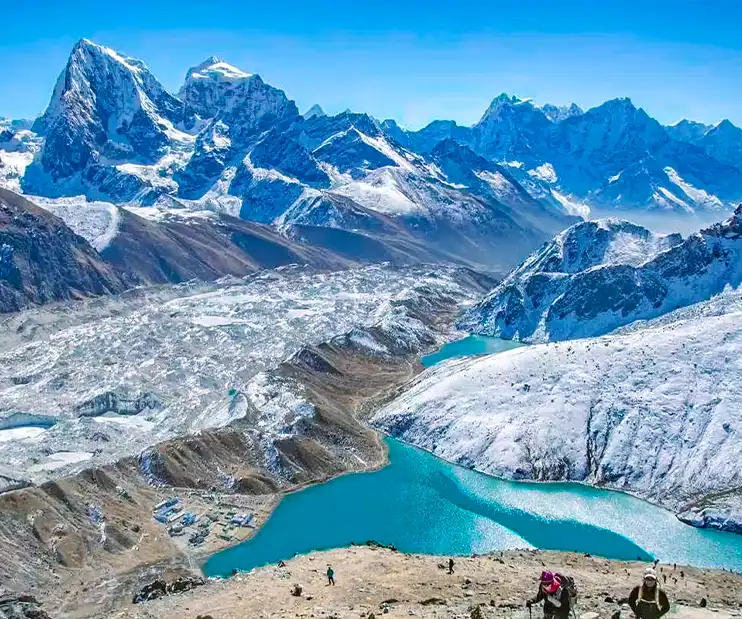
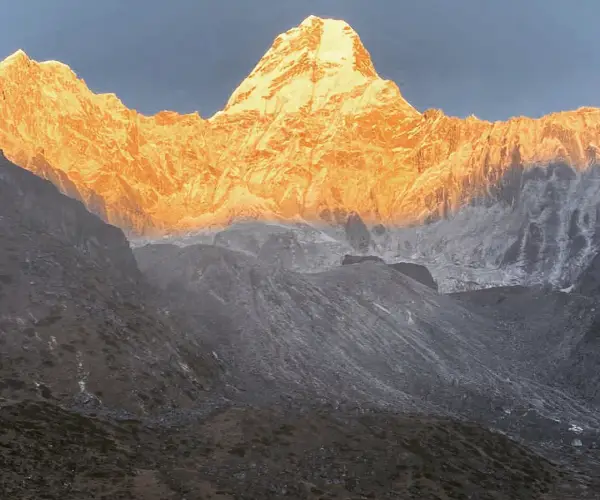
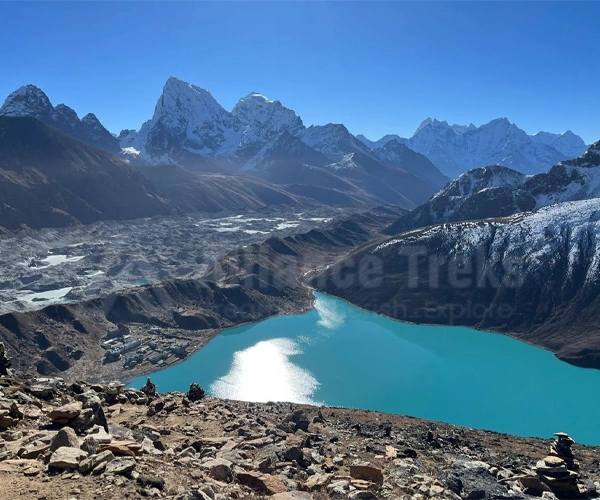
Everest Trekking takes place inside the famous Sagarmatha National Park, a UNESCO World Heritage Site. The journey begins with a scenic flight to Lukla and continues through beautiful Sherpa settlements including Phakding, Namche Bazaar, Tengboche, Dingboche, Lobuche, Gorakshep, and Everest Base Camp all in the Khumbu Pasang Lhamu Rural Municipality. The trek allows visitors to witness spectacular views of Mount Everest, Lhotse, Nuptse, Ama Dablam, Pumori, Thamserku, Cho Oyu, Makalu, and many other Himalayan giants.
Today, Everest Base Camp Trekking remains Nepal’s most popular trekking destination and attracts adventure travelers from more than 100 countries worldwide.
Many trekkers dream about reaching Everest Base Camp at least once in their lifetime. The journey is not just a trek; it is a life-changing experience.
Most importantly, Everest Base Camp Trekking offers a perfect balance between adventure, culture, and natural beauty.
The flight between Kathmandu and Lukla is considered one of the most exciting mountain flights in the world.
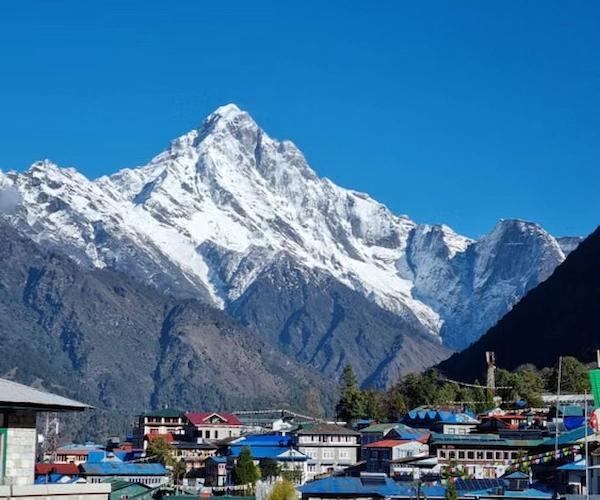
Known as the gateway to Everest, Namche Bazaar is the commercial center of the Khumbu region. The town offers excellent mountain views, bakeries, cafes, trekking shops, and museums.
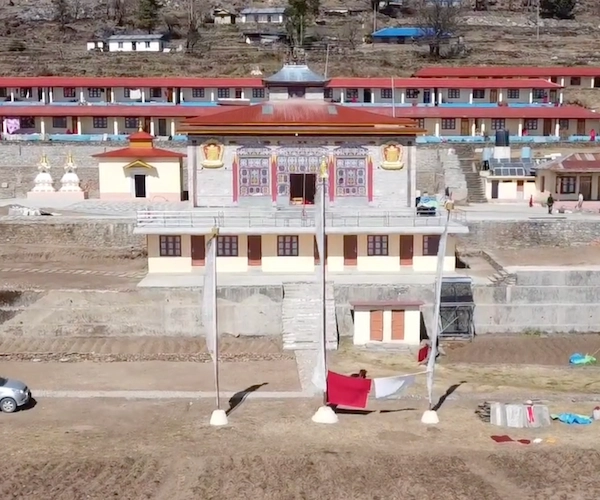
Tengboche Monastery is the largest and most important monastery in the Everest region. It provides stunning views of Everest and Ama Dablam.
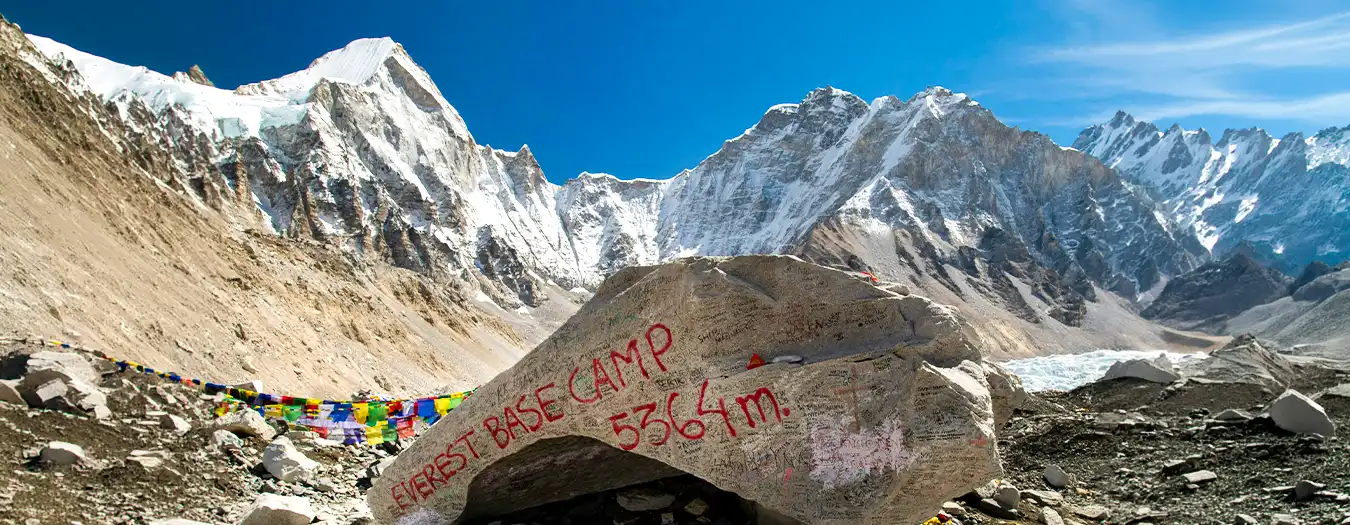
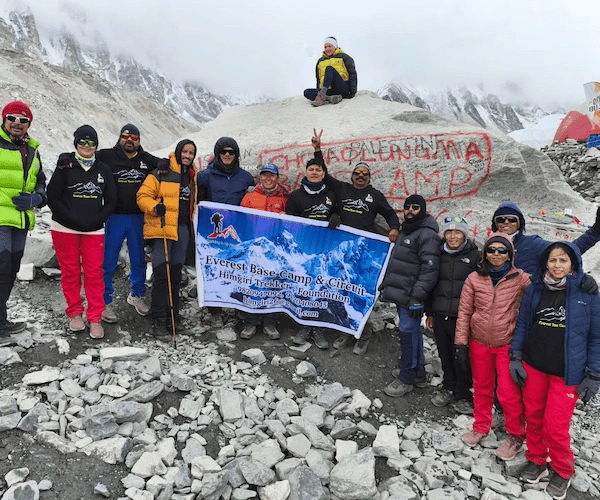
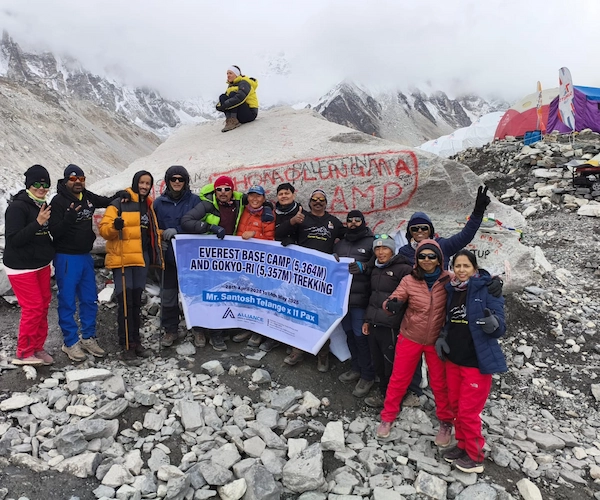
Standing at Everest Base Camp is the ultimate reward of the trek. During the climbing season, trekkers can witness colorful expedition camps beneath the Khumbu Icefall.
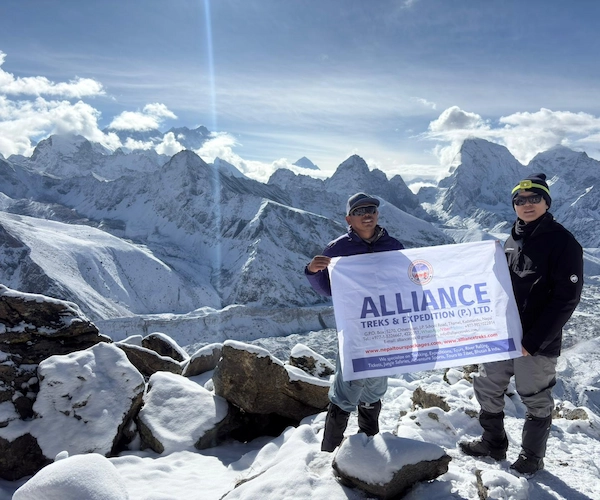
Kalapathar (5,545m) is considered the best viewpoint in the Everest region. The sunrise view over Mount Everest from Kalapathar is truly extraordinary.
Trekkers walk alongside one of the world’s highest glaciers while enjoying dramatic alpine landscapes.
The classic route follows:
Kathmandu → Lukla → Phakding → Namche Bazaar → Tengboche → Dingboche → Lobuche → Gorakshep → Everest Base Camp → Kalapathar → Lukla → Kathmandu
This route provides excellent acclimatization opportunities and maximizes safety. You easily can do Kathmandu to Kathmandu within 12 days but if you trek up and from Gorakhshep (5,150m) fly back to Lukla – Kathmandu by helicopter (Helicopter Service) then it takes only 9 days.
Trek to Everest Base Camp: A Life-Changing Experience:
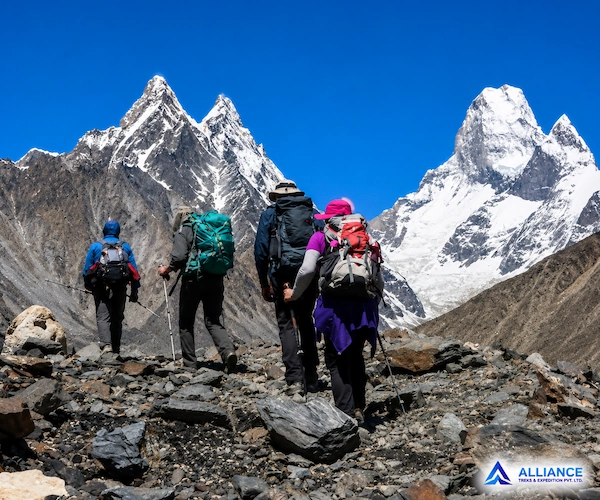
The journey from Lukla to Everest Base Camp is much more than reaching a destination. Each day introduces new landscapes, new friendships, and new challenges. As trekkers gain altitude, the scenery becomes increasingly dramatic. Forests gradually transform into alpine terrain and eventually into glacial landscapes.
Many trekkers describe Everest Base Camp Trekking as one of the most rewarding adventures of their lives.
Lukla to Everest Base Camp Trek:
The famous Lukla to Everest Base Camp Trek covers approximately 130 kilometers round trip.
Average Trekking Duration
The duration depends on acclimatization days, side trips, and trekking pace.
Many people believe Everest Base Camp offers the best Everest views. However, Kalapathar actually provides the most spectacular panoramic view of Mount Everest.
The combination of Kalapathar and Everest Base Camp Trekking has become the most popular trekking package in Nepal. Trekkers who reach Kalapathar often consider it the emotional highlight of their journey.
For trekkers seeking greater adventure, Chola Pass Trekking is an outstanding option. The route connects Everest Base Camp with the beautiful Gokyo Valley through Cho La Pass (5,420m).
Advantages of Chola Pass Trekking:
This trek suits experienced trekkers seeking a challenging Himalayan experience.
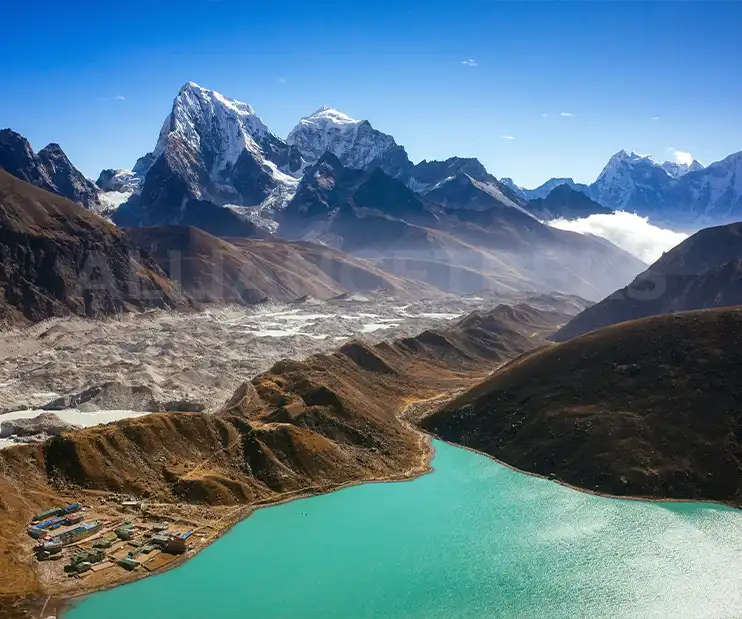
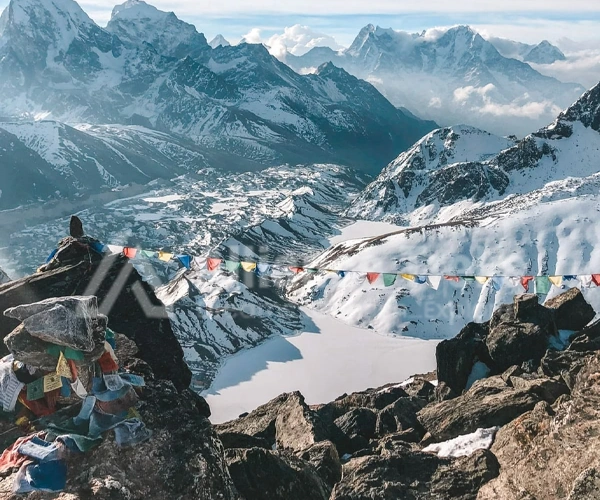
The EBC to Gokyo Lake Trekking route combines two of Nepal’s most spectacular destinations.
The journey includes:
Many experienced trekkers consider this route superior to the standard Everest Base Camp Trek.
Three High Passes Everest Trekking is the most complete Everest trekking experience.
Major Passes:
This adventure provides:
The trek is recommended for physically fit and experienced trekkers.
Everest Panorama Trekking is perfect for travelers with limited time.
This shorter trek reaches Namche Bazaar and Tengboche without continuing to Everest Base Camp.
Benefits:
This trek offers a wonderful introduction to the Everest region.
Everest Classic Trekking follows the historic route used by Sir Edmund Hillary and Tenzing Norgay during their early Everest expeditions.
The route starts from Jiri and gradually ascends toward Everest Base Camp.
Why Choose the Classic Route ?
The trek generally requires 20–25 days.
One of the most searched terms online is “EBC Trekking Cost.”
The cost depends on:
Alliance Treks provides flexible packages suitable for different budgets and travel styles.
Everest Base Camp Trek Difficulty Level:
Many travelers ask about the Everest Base Camp Trek Difficulty Level.
The trek is considered moderately challenging.
Main Challenges:
However, most healthy individuals with reasonable fitness can successfully complete the trek with proper preparation.
Spring Season (March to May):
Spring is considered the best season for Everest Trekking.
Advantages include:
Autumn Season (September to November):
Autumn offers:
These two seasons attract the highest number of trekkers.
The Everest region welcomes tens of thousands of trekkers annually.
Recent tourism records indicate that approximately 40,000 to 60,000 international trekkers visit the Everest region each year, depending on weather conditions and travel trends.
This makes Everest Base Camp Trekking one of the world’s most popular high-altitude trekking adventures.
Choosing the right trekking company can make a significant difference to your experience.
Alliance Treks Provides:
Our team focuses on safety, comfort, and creating unforgettable Himalayan experiences.
A clear itinerary helps trekkers understand the journey step by step. Below is a standard Everest Base Camp trekking plan:
Day 01: Arrival in Kathmandu (1,400m)
Trekkers arrive in Nepal and transfer to the hotel.
Day 02: Flight to Lukla (2,840m) and Trek to Phakding (2,610m)
A short and scenic flight starts the adventure. Then the trek begins.
Day 03: Trek to Namche Bazaar (3,440m)
The trail follows the Dudh Koshi River and enters Sagarmatha National Park
Day 04: Acclimatization Day in Namche Bazaar
Trekkers hike to Everest View Hotel for mountain views.
Day 05: Trek to Tengboche (3,860m)
Visit the famous Tengboche Monastery.
Day 06: Trek to Dingboche (4,410m)
The landscape becomes more alpine and open.
Day 07: Acclimatization Day in Dingboche
Short hikes help the body adjust to high altitude.
Day 08: Trek to Lobuche (4,940m)
The route passes memorial sites of climbers.
Day 09: Trek to Everest Base Camp (5,364m) and back to Gorakshep
A major highlight of the journey.
Day 10: Hike to Kalapathar (5,545m) and Trek to Pheriche
Best sunrise view of Mount Everest.
Day 11: Trek back to Namche Bazaar
Long downhill walk.
Day 12: Trek back to Lukla
Final trekking day.
Day 13: Flight to Kathmandu
Return to the capital city.
Day 14: Departure
End of Everest trekking journey.
Everest Base Camp Trek Packing List
Proper packing is very important for a safe trek.
Trekkers must obtain official permits before entering the Everest region.
Alliance Treks arranges all trekking permits for smooth travel.
Food and Accommodation on Everest Base Camp Trek
Teahouses provide simple and fresh meals such as:
Dal Bhat is the most popular energy meal for trekkers.
Facilities become more basic at higher altitude.
A licensed guide and porter make the trek safe and easier.
Hiring guides and porters also supports the local economy.
Altitude sickness is a major concern in Everest Trekking.
If symptoms increase, descend immediately.
Safety is very important in high altitude trekking.
Trekkers are always advised to have travel insurance that covers high altitude trekking and helicopter rescue.
The Everest trekking map follows the Khumbu Valley route.
Key points on the map include:
This map helps trekkers understand distance and altitude changes clearly.
Professional trekking equipment improves safety and comfort.
Good equipment reduces risk and improves trekking experience.
Even in remote areas, communication is available.
However, network can be weak at higher altitude.
Everest Trekking is not only a physical journey. It is also an emotional and spiritual experience.
Trekkers face challenges, but they also gain:
Every step brings a new view and new feeling.
If you are planning your Everest Base Camp Trekking, EBC Trek, Chola Pass Trekking, or any Everest region adventure, Alliance Treks is ready to help you.
Whether you are planning an Everest Base Camp Trek, Chola Pass Trekking, EBC to Gokyo Lake Trekking, Three High Passes Everest Trekking, Everest Panorama Trekking, or Everest Classic Trekking, Alliance Treks is ready to help you achieve your Himalayan dream. We provide safe, reliable, and professional trekking services in Nepal.
Plan your Everest dream today with Alliance Treks & Expedition (P.) Ltd.
Alliance Treks & Expedition Pvt. Ltd. Once is not enough for naturally and culturally Himalayas