(Viber, Whatsapp, Cell) +977 9851022814

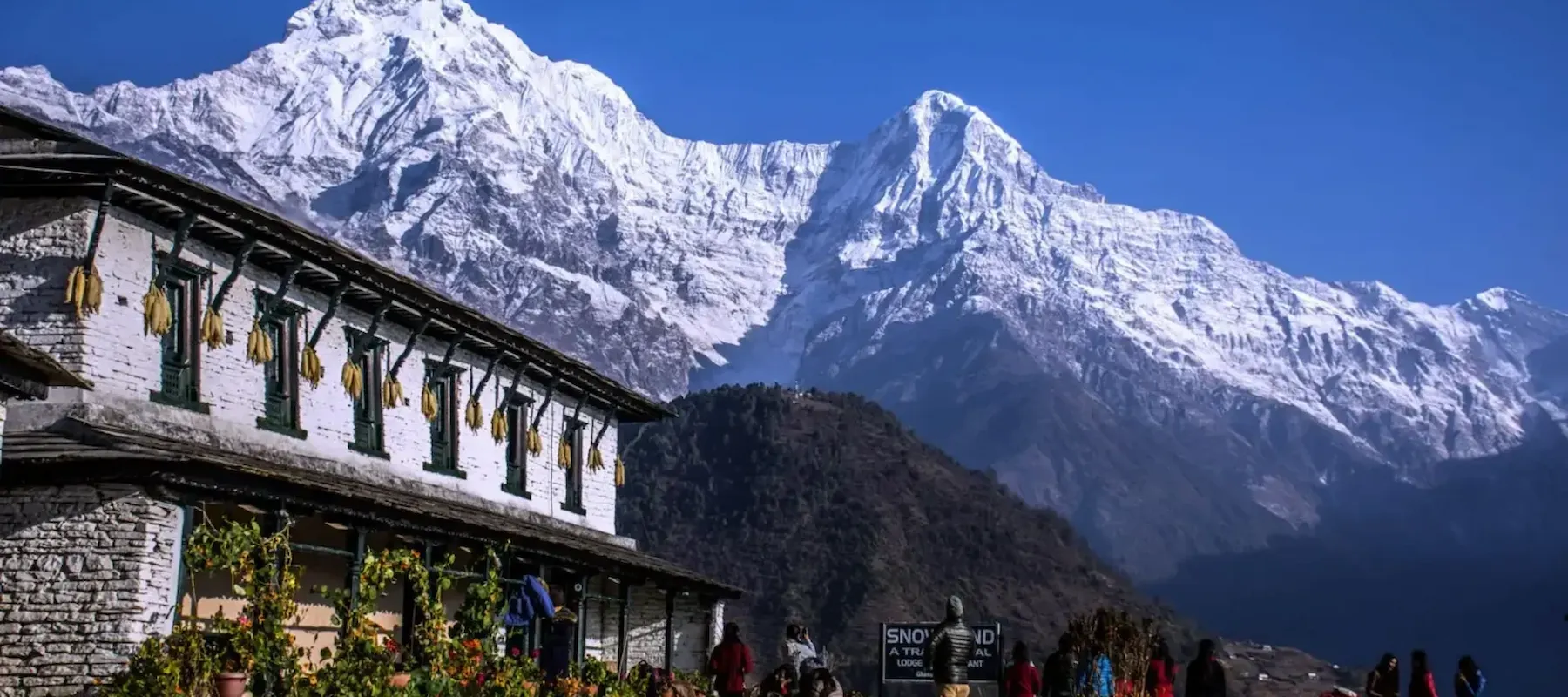
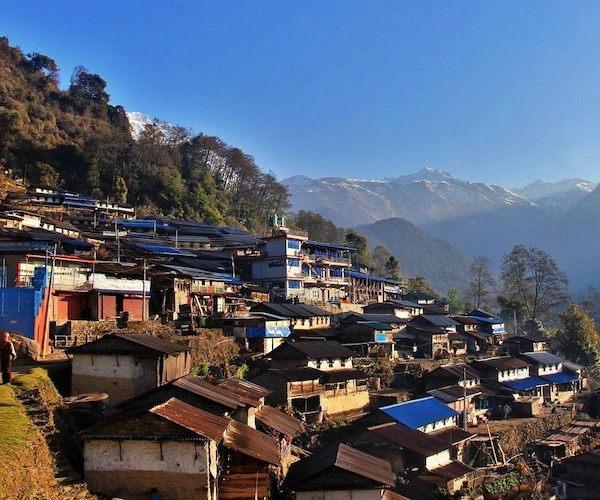
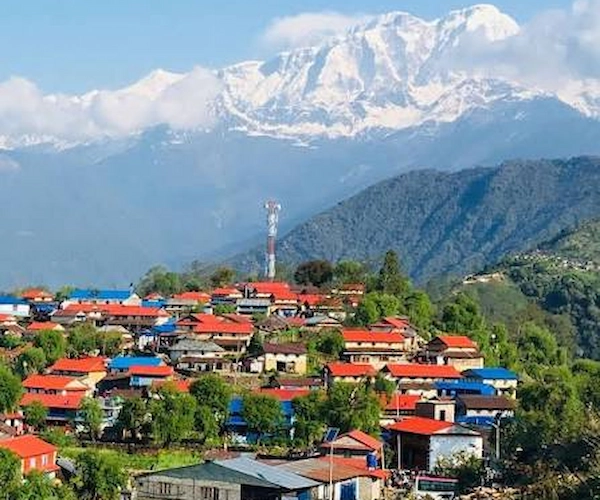
The Gurung Heritage Trek is one of the most authentic cultural trekking experiences in Nepal. This beautiful journey takes you through traditional Gurung villages, where visitors can experience local culture, warm hospitality, ancient traditions, and stunning Himalayan scenery. Unlike busy trekking routes, the Gurung Heritage Trek offers a peaceful environment, making it an excellent choice for travelers who want to discover the real lifestyle of the Gurung people.
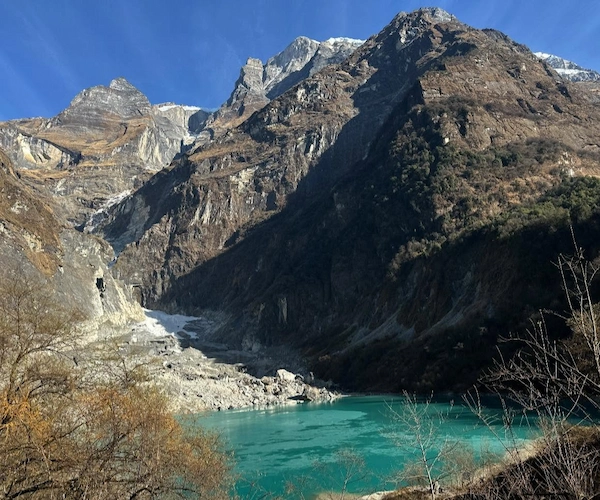
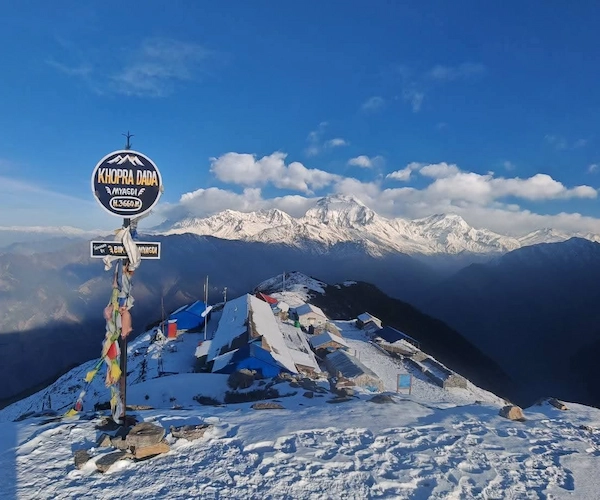
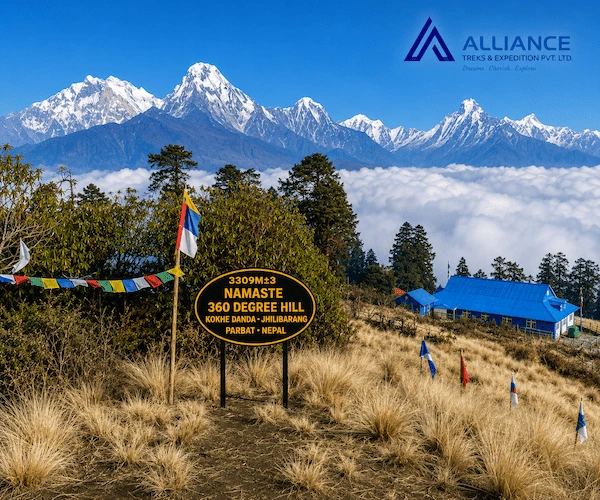
The trail passes through beautiful forests, terraced farms, rivers, waterfalls, and traditional mountain settlements while offering spectacular views of Annapurna, Machhapuchhre (Fishtail), Lamjung Himal, Himchuli, Manaslu, Ganesh Himal, and other snow-capped peaks. Along the way, trekkers can stay in family-run lodges and community homestays, enjoy traditional Gurung food, and learn about local customs, festivals, history, and Buddhist culture.
The Gurung Heritage Trek is suitable for families, solo travelers, photographers, nature lovers, students, and cultural explorers. It combines easy to moderate walking with rich cultural experiences, making it one of the best cultural trekking holidays in Nepal.
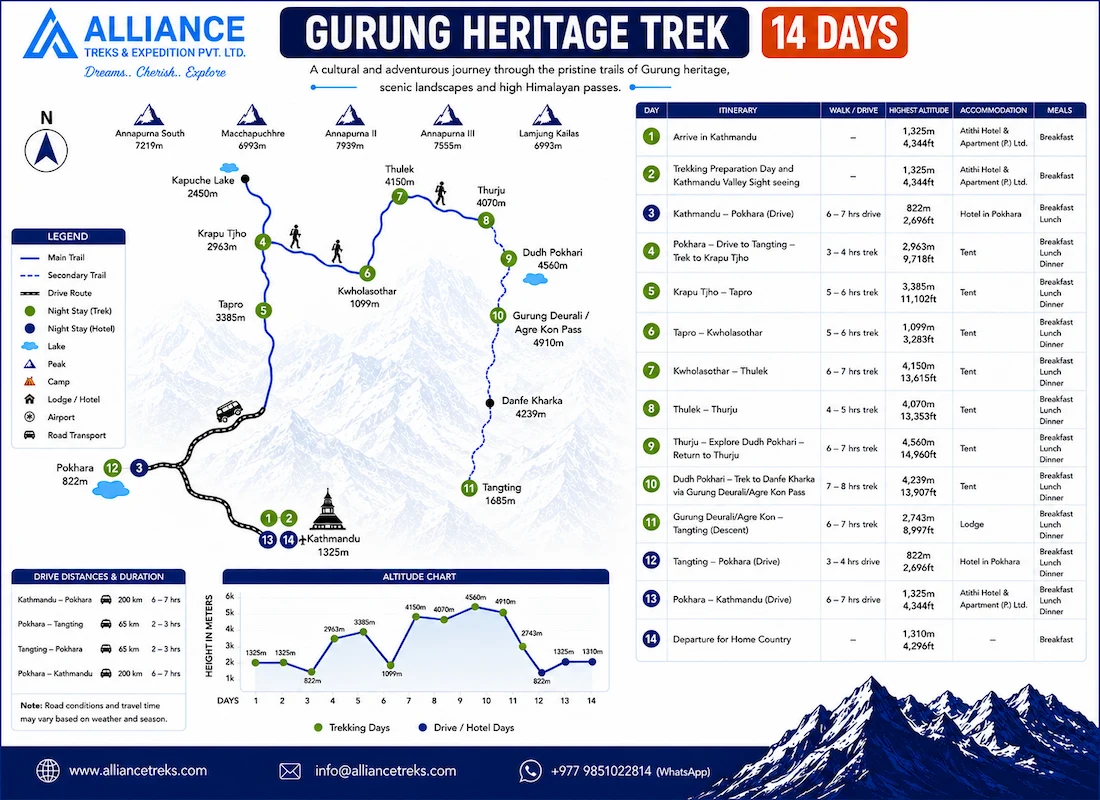
Day 1 Arrive in Kathmandu (1,325m/ 4,344ft)
Day 2 Trekking Preparation Day and Kathmandu (1,325m/ 4,344ft) Valley Sight seeing
Day 3 Kathmandu (1,325m/4,344ft) - Pokhara (822m/ 2,696ft)
Day 4 Pokhara (822m/2,696ft) - Drive to Tangting (1,685m/5,526ft) - Trek to Krapu Tjho (2,963m/9,718ft)
Day 5 Krapu Tjho (2,963m/9,718ft) - Tapro (3,385m/11,102ft)
Day 6 Tapro (3,385m/11,102ft) - Kwholasothar (1099m/ 3,283ft)
Day 7 Kwholasothar (1099m/ 3,283ft) - Thulek (4,150m/13,615ft)
Day 8 Thulek (4,150m/13,615ft) - Thurju (4,070m/13,353ft)
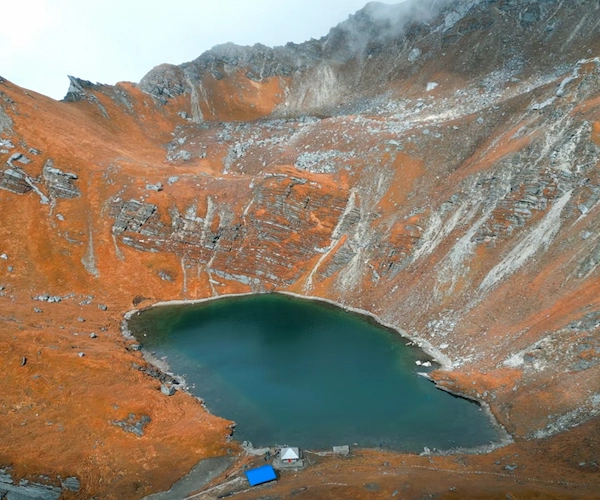
Day 9 Thurju (4,070m/13,349ft) - Explore Dudh Pokhari (4,560m/14,960ft)
Day 10 Dudh Pokhari (4,560m/14,960ft) -Trek to Danfe Kharka (4,239m) via Gurung Deurali (3,230m/ 10,597ft)
Day 11 Gurung Deurali/Agre Kon (4,910m/16,609ft) - Tangting (1,660m/ 5,446ft)
Day 12 Tanting (2,743m/8,997ft) - Pokhara (822m/ 2,788ft)
Day 13 Pokhara (822m/2,696ft) - Kathmandu (1,325m/ 4,344ft)
Day 14 Departure for home country
Thu - Wed Dec 10, 2026 to Dec 23, 2026
US$ 2499 US$ 1999
I chose the Gurung Heritage Trek because I wanted to see a different side of Nepal beyond the famous mountain routes. It was a wonderful introduction to rural Himalayan life. The local families were kind and welcoming, and I really enjoyed learning about their traditions and hearing stories about the community. The landscape was beautiful throughout the trek, with green hills, forests, farmland and snow-capped peaks in the distance. The relaxed pace made it possible to appreciate the small details instead of simply focusing on reaching the next destination.
This trek gave us a really nice balance between walking and cultural experiences. The trail was manageable, but there was still enough variety to make every day interesting. We walked through forests and farmland, crossed small rivers and reached traditional villages with wonderful views of the Himalayas. The local food and conversations with the families we stayed with made the trip particularly memorable. I also appreciated that the trek supports local communities rather than feeling like a typical crowded tourist route.
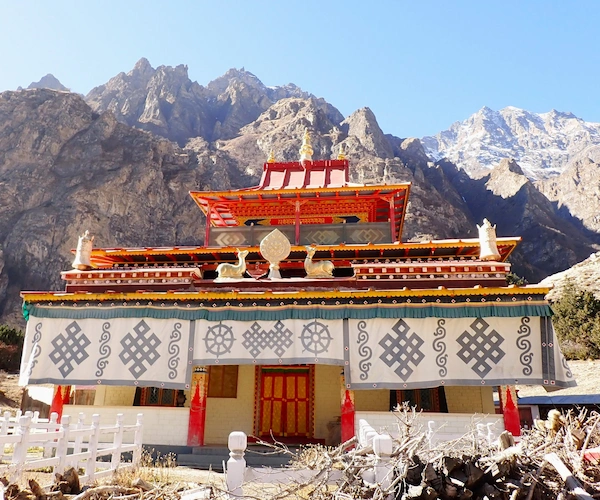
The Gurung villages were my favourite part of the entire trek. Each place had its own character, and I loved seeing the traditional houses, prayer flags, small monasteries and terraced fields. Our guide explained the history and customs of the Gurung community, which made the walk much more meaningful. We also had some beautiful forest sections and mountain viewpoints along the way. It was a comfortable trek with plenty of opportunities to slow down and enjoy the surroundings.
I wanted a short trek where I could experience both Himalayan scenery and local culture, and the Gurung Heritage Trek was a great choice. The trails were quiet and passed through villages that still felt very authentic. We learned about Gurung traditions, visited local cultural sites and spent time talking with villagers. The mountain views were another highlight, especially early in the morning. I would recommend this trek to travelers who enjoy cultural experiences as much as hiking.
What made this trek special was the people we met along the way. Everyone in the villages was incredibly welcoming, and staying with local families gave us a much better understanding of everyday life in the mountains. The walking itself was peaceful, with forests, small streams, terraced farmland and beautiful views of the Annapurna and Machhapuchhre ranges. I also loved the traditional meals we were served. It felt much more personal than staying in large tourist areas.
The Gurung Heritage Trek was exactly the kind of experience I was hoping for in Nepal. Instead of simply walking from one mountain destination to another, we had plenty of opportunities to meet local families and learn about their traditions. The villages were beautiful, with stone houses, terraced fields and incredible mountain views in the background. I especially enjoyed the homestay experience and trying traditional Gurung food. The trek was not overly difficult, which gave us plenty of time to enjoy the culture and scenery.
The Gurung Heritage Trek which is known as Gurung Heritage Trekking Trail (GHTT) too is one of Nepal’s newest and most authentic cultural trekking routes. This remarkable 7 to 10-day trekking adventure offers an excellent alternative to the traditional Annapurna Circuit Trek, especially after road construction shortened parts of the classic route. The trail combines breathtaking Himalayan scenery, rich Gurung culture, ancient history, and peaceful mountain villages, making it an unforgettable experience for trekkers seeking both adventure and cultural discovery.
The Gurung Heritage Trekking Trail is believed to follow the historic migration route of the Gurung people from their ancestral homeland in the Gandaki region to present-day Kaski, Lamjung, Manang, Gorkha, Syangja, Tanahun, and neighboring districts. This migration history is supported by local traditions, historical research, and cultural studies. For generations, the Gurung community has preserved this history through oral traditions, songs, and rituals.
Several important cultural sites along the trail, including Krapudanda, Kwholasonthar, Thurju, Namun La Pass, and Timang, continue to play a meaningful role in Gurung traditions. These sacred places are closely connected to the Gurung community’s final ancestral ritual, known as “Arghu,” which reflects their deep spiritual connection to their ancestors and heritage.
Beyond its cultural importance, the Gurung Heritage Trekking Trail also follows sections of the ancient Himalayan salt trade route, which once connected Manang with Kaski and Lamjung. For centuries, traders transported salt, wool, herbs, and other goods along this historic route. Today, trekkers can still discover old settlement ruins, traditional resting places, and historic trade paths that reveal Nepal’s rich trading history.
From 3-12 June 2024, the Gurung Tourism Entrepreneurs’ Association of Nepal (GTEAN) successfully explored and assessed the entire Gurung Heritage Trekking Trail. The exploration team included GTEAN executives, tourism researchers, trekking experts, trail planners, engineers, local representatives, and communication specialists. Their field study confirmed that the GHTT has outstanding potential to become one of Nepal’s leading cultural trekking destinations, offering visitors a unique combination of authentic Gurung heritage, spectacular Himalayan mountain views, community-based tourism, sustainable travel experiences, and less-crowded trekking routes. We do suggest you to visit Gurung Heritage Trekking Trail exploration video for your fact based information.
Today, the Gurung Heritage Trekking Trail stands as a remarkable journey for travelers who wish to experience authentic Gurung culture, warm local hospitality, traditional mountain villages, ancient history, breathtaking Himalayan landscapes, and responsible tourism. It is an ideal choice for trekkers looking to explore the hidden cultural treasures of Nepal beyond the popular trekking routes.
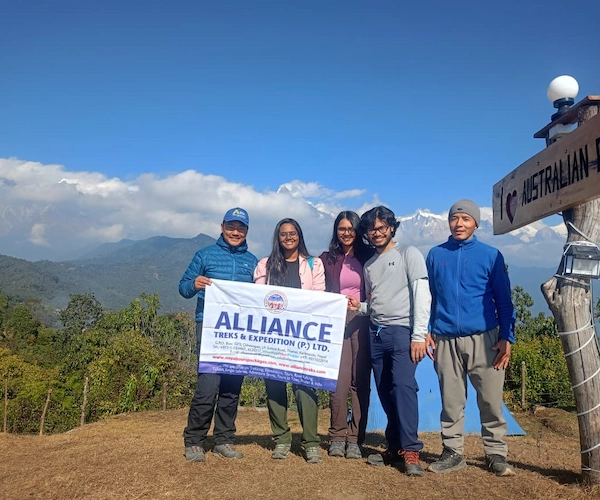
Gurung Heritage Trek which is known as Gurung Heritage Trekking Trail too is quite popular in these days and Alliance Treks provides excellent experienced, well trained and highly professional trekking guide who is certified from Nepal government especially trained from Nepal Academy of Tourism and Hotel Management (NATHM). Accordingly we have local porters, professional, physically fit and well equipment with very special cared by the company for their safety and security. Furthermore, Gurung Heritage Treks has very reasonable trekking cost like 1 Pax USD 2499, 2-5 Pax USD 2299, 6-10 pax USD 2199 and 10+ Pax USD 1999 for whole 14days full camping trekking starting from Kathmandu and ending in Kathmandu.
You do not need any special trekking for this trekking however you have to have Annapurna Conservation Area Project (ACAP) permit and Trekkers’ Information Management System (TIMS) permit for your safe and legal trekking in Gurung Heritage Trekking Trails.
Its is moderate to difficulty trekking (3,000m – 4,910m) but safe and enjoyable trekking. We have designed 11 days very flexible trekking itinerary but it is flexible and can customized as per your interest as well as requirement. Accordingly, we do have navigation systems with your trekking guide leading and walking in the safe way along the way and also provides very modern and well designed with accurate height, distance and well briefed trekking map for your pleasant trek with Alliance Treks in 2026-2027 and more seasons to come.
Gurung Heritage Trek is best to do in Spring (March-May) and Autumn (September – November). Accordingly as it is being a full camping trekking you have to have Camping tents, Kitchen equipment, Trekking equipment and personally you have to prepare yourself your own seasonal trekking equipment and personal clothings. Similarly, we do provide you Down sleeping bag, Down Jacket, Kit Bag, Rain coat, Water bottle and Walking poles rest you will have to have yourself. Accordingly, most of the time, you will sleep in the tent but some places you sleep in the normal lodges along the way. We do provide well and freshly cooked meals three times a day like Breakfast (chapati, pancake, muesli, porridge, hot mil, tea/coffee, eggs, etc…), Lunch (rice, lentil, vegetable, noodle, spaghetti, spring roles etc…) and Dinner (soup, pasta, spring roles, rice, lentil, pickle, vegetables, noodles, macaroni etc..).
In Spring and Autumn, we get +c temperature and clear sky in Gurung Heritage trekking trails. There are majority of Gurung people with rich culture and Gurung culture, flora and fauna, excellent Annapurna ranges as well as very pristine valley with less crowd along with sometimes great experience of snow fall walk along the way. Additionally this is the best place to experience Kapuche Lake trek as well as Sikles trek too.
Alliance Treks is more than happy to recommend even Ruby Valley Trek, Langtang Valley Trek as well as Manaslu Circuit trek as an alternative trekking with proper Tea Houses along the way so please visit our website for your updates.
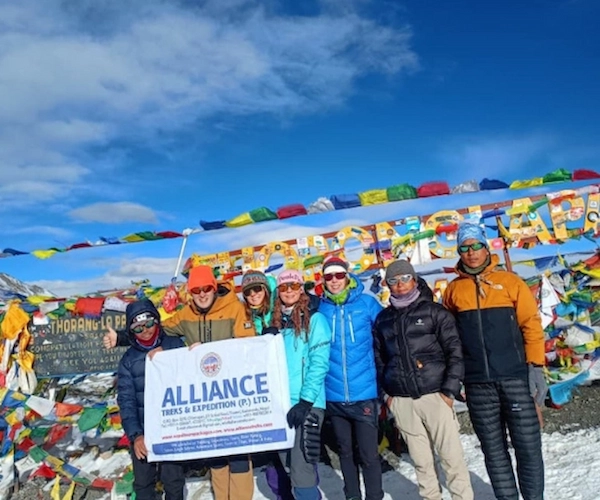
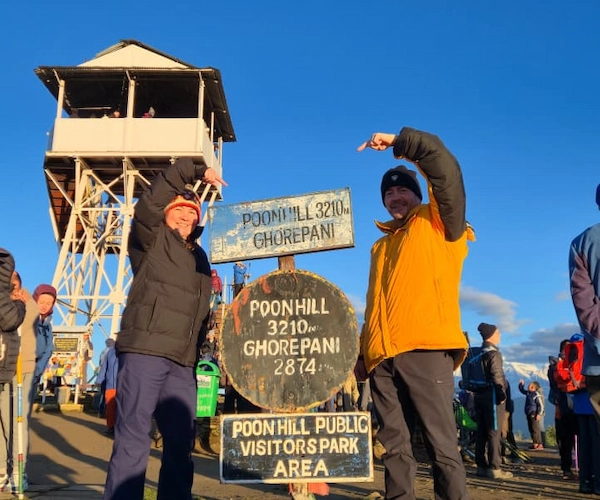
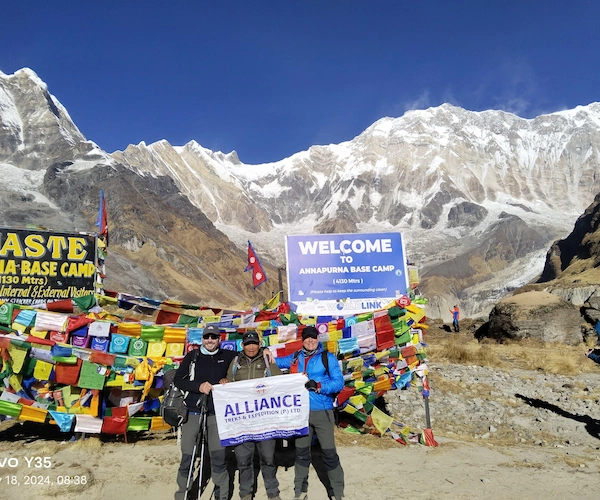
Alliance Treks & Expedition Pvt. Ltd. Once is not enough for naturally and culturally Himalayas