Exclusive Offer: 7 Days Annapurna Base Camp Trek $405 Per Person

(Viber, Whatsapp, Cell) +977 9851022814 +977 9841451681

Experience

Tsho Rolpa Trek - Days

  • Duration Days
  • Trip Grade
  • Group Size
  • Transportation
  • Trip Meals
  • Accommodation
  • Best Season

Tsho Rolpa Trek – Journey to Nepal’s Largest Glacial Lake in the Untouched Rolwaling Himal

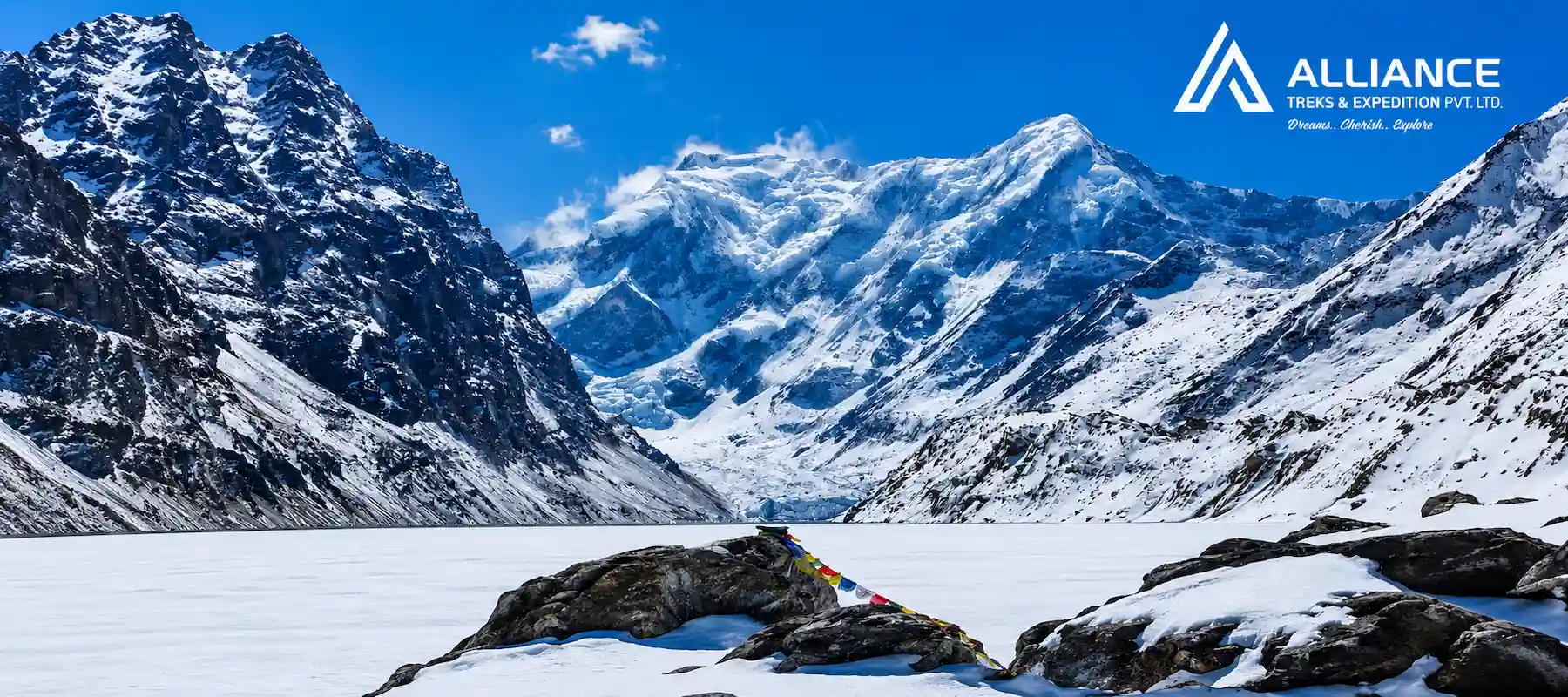
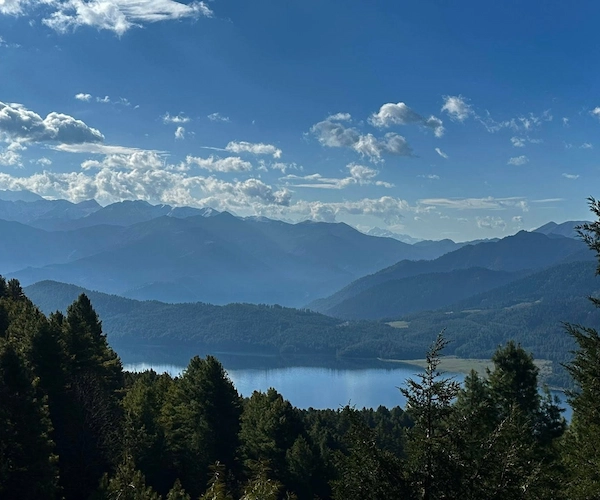
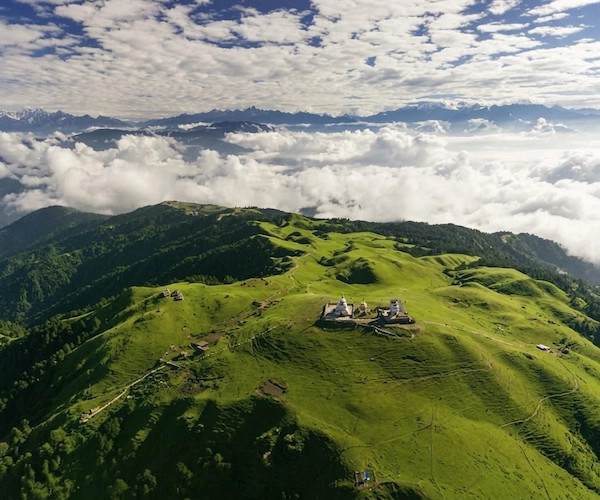
Deep inside the Nepal’s central Himalayas, far from the trails of Everest and Annapurna the unfamous and untouched natural wonder – Tsho Rolpa, Nepal’s largest glacial lake. The Tsho Rolpa Trek is a 10-day journey into the remote Rowaling Valley, a corridor of rhododendron forests, traditional Sherpa villages, and towering peaks.

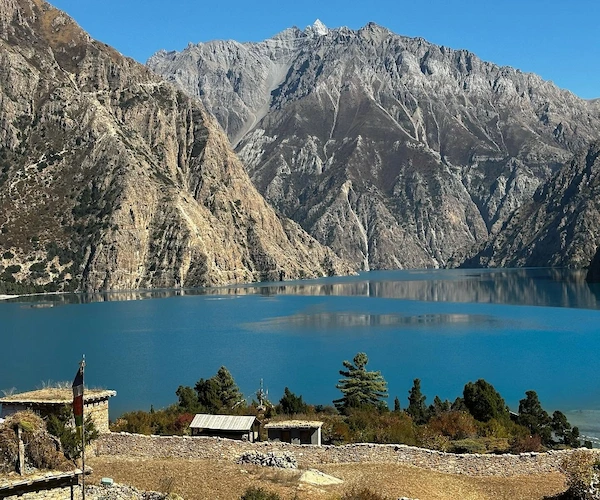
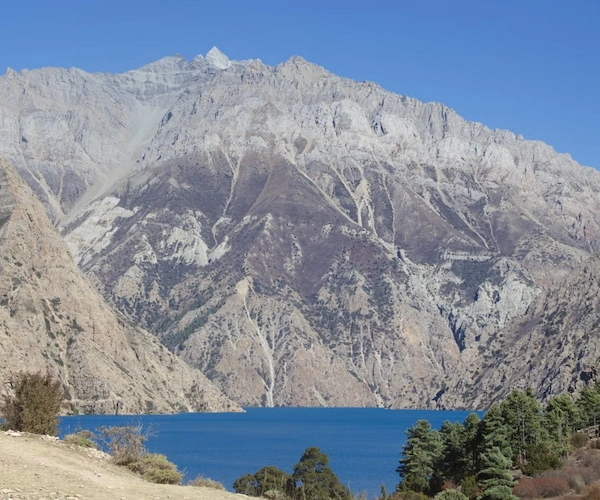
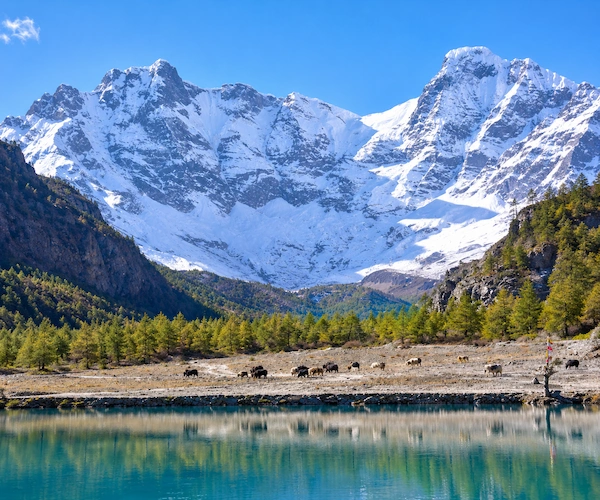
The streams from the giants of Gaurishankar (7,134m) and Melungste, Tsho Rolpa, stretch across the high valley floor at 4,580 meters. Reaching it requires a genuine trekking effort, a steady, well-paced climb through forest, riverbank, and high alpine terrain. Still, the reward is a landscape and a silence that few outsiders ever experience.

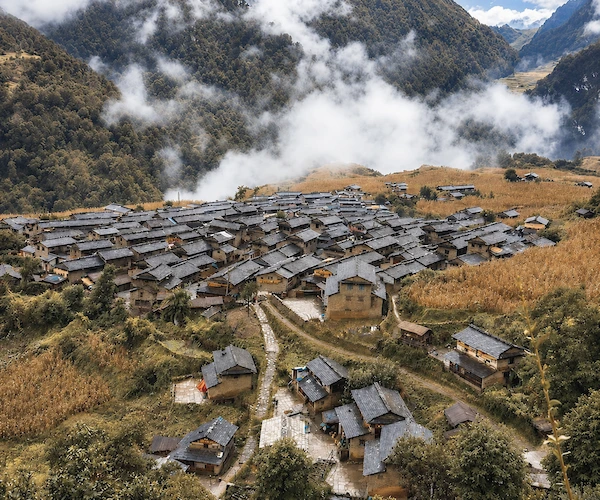
Along the way, the trail passes through the Sherpa villages of Simigaun, Dongang, Beding, and Na Gaun, where Buddhist monasteries cling to Cliffside, prayer flags snap in the mountain wind, and a way of life shaped by altitude and isolation continues much as it has for generations. This trek is for those who have already done the popular routes and want something rawer — a genuine Himalayan wilderness experience without another trekking group in sight.


Tsho Rolpa Trek :- Trekking Guide, Porter,  Accommodation, Meals, Transportation

At Alliance Treks & Expedition, your Tsho Rolpa Trek is guided by highly professional, licensed, government-certified, and NATHM (Nepal Academy of Tourism and Hotel Management) trained trekking guides with more than 10 years of experience in the Nepal Himalayas. Our guides have excellent knowledge of the local culture, mountain trails, and safety procedures to ensure a safe, enjoyable, and memorable trekking experience. Likewise, our porters are experienced, physically fit, honest, and reliable, and each porter carries up to 20 kg of luggage with great care throughout the trek.

Accommodation during the trek is simple, clean, and comfortable. You may find private twin-sharing rooms in some villages, while most mountain lodges in the higher and more remote areas provide basic dormitory-style rooms with shared bathrooms. Since these mountain lodges do not have room heating or central heating systems, we highly recommend bringing a four-season down sleeping bag for extra warmth, although blankets are available in some lodges. Meals are freshly prepared and include Dal Bhat, chapati, Tibetan bread, pancakes, soups, momo, noodles, seasonal vegetables, tea, coffee, and a selection of Nepali, Tibetan, and Continental dishes to keep you energized throughout the journey. Transportation is by local bus and shared jeep, allowing you to experience the daily life of local people while traveling through scenic mountain roads. Please note that the roads are rough, the seats are basic, and the vehicles do not have air conditioning, but the spectacular Himalayan scenery makes the journey truly rewarding.

Tsho Rolpa Trek :  Difficulty, Best Trekking Season, Altitude, Trekking Equipment, Trekking permit

Tsho Rolpa Trek difficult level is we grade it Difficulty so you have to be physically fit, healthy and prepare with proper equipment. Accordingly is best trekking season is Spring (March-May) and Autumn (September – November) because you get clear weather, clear sky and with warm temperature. Furthermore, you go up to 4,183m  and even visit Menlung La Pass (5616m) overall this trekking is moderate to difficult. In addition as you will be close to higher zone, you have to have properly trekking equipment with warm clothes at least Down Sleeping bag, Down Jacket, Water bottle, Rain Coat, Kit bag and walking poles. at last, you need to have Gaurishanker Conservation Area Project (GCAP) permit, Trekkers’ Information Management System (TIMS) for Tsho Rolpa Trek.

Tsho Rolpa Trek – Cost, Wifi, Drinking Water, Trail Conditions, Culture, Tips Safety and Security

Tsho Tolpa Trek cost is quite reasonable however due to remote area it is bit more expensive compared to another trekking area however being a pristine valley and breath taking landscape around the trekking region, it make you lifetime experience. Accordingly, you can take you purchasing local SIM card with data use phone however most of the places you get poor wifi in this trekking region. We strongly recommend not to drink stream or tap water hence boiled water is highly recommend although you may take water purifying tablet for your safe drinking. Furthermore, Spring and Autumn are the best trail condition but in the winter it will be bit cold and dry trails whereas monsoon will have muddy and slippery trails so need to prepare accordingly.

Most the places and villages has renown Sherpa culture but bit mix of Tamang and other cost bit influence of Tibetan culture along the way. The veteran Everest summiteers as well as climbing Heros from this area too. So, you will have wonderful informations, culture and people on this trekking. Tipping to guide and porter is quite usual culture in Nepal so USD 5/- per day (minimum) per day for porter and USD 10/- per day  (minimum) for a guide to give them at the end of the trekking is highly recommended. Being guide and porter/s highly professional they know the trekking briefing, local people, culture, flora and fauna, possible incident and accident, trails condition, jungle walk, possible snow fall or avalanche with wildlife encounter so safety and security on this trekking seriously and preciously considered.

Trip Highlights of Tsho Rolpa Trek

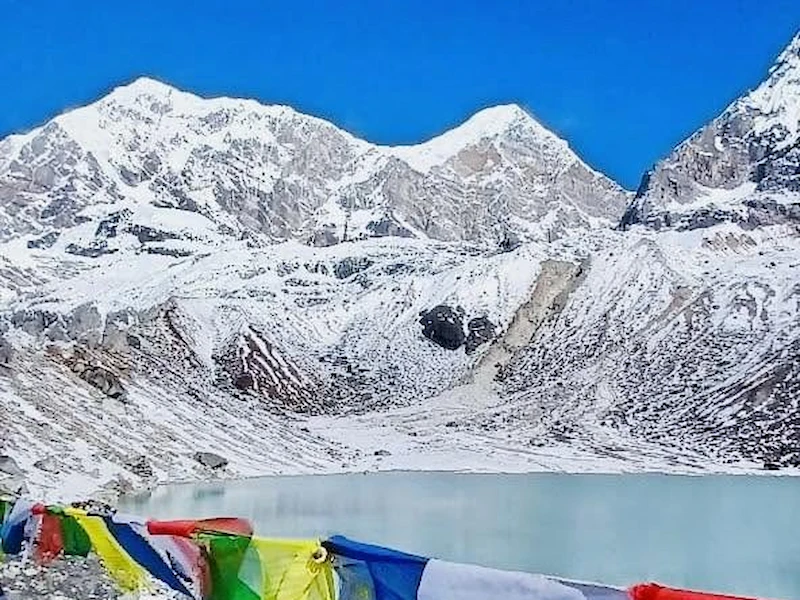
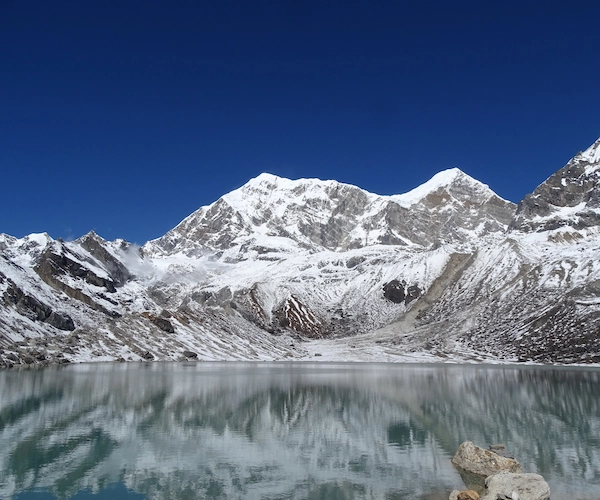
  • Reach Tsho Rolpa Lake (4,580m) — Nepal's largest glacial lake, fed by the Trakarding Glacier and ringed by the towering summits of Gaurishankar and Melungtse
  • Trek through the remote and rarely visited Rolwaling Valley — one of Nepal's most authentic off-the-beaten-path trekking corridors
  • Visit Beding village (3,693m) — the largest Sherpa settlement in the valley, home to the dramatic cliffside Chorkyang Monastery
  • Spot blue sheep, Himalayan tahr, and rare alpine wildlife along high-altitude trails through Gaurishankar Conservation Area
  • Cross scenic suspension bridges and cantilever crossings over the Tama Koshi River and its tributaries amid waterfalls and forest
  • Explore the ancient highland settlement of Na Gaun (4,183m) — a cluster of around 20 stone houses with its own monastery, among the most isolated villages in Nepal
  • Walk through changing landscapes — subtropical river valleys, oak and rhododendron forest, alpine meadows, and high glacial terrain — within a single 10-day journey
  • Enjoy genuine wilderness solitude on a route where you are unlikely to encounter other trekking groups
  • Acclimatize properly with a dedicated rest day at Beding, including an optional hike toward Menlung La Pass (5,616m)

Trip Itinerary

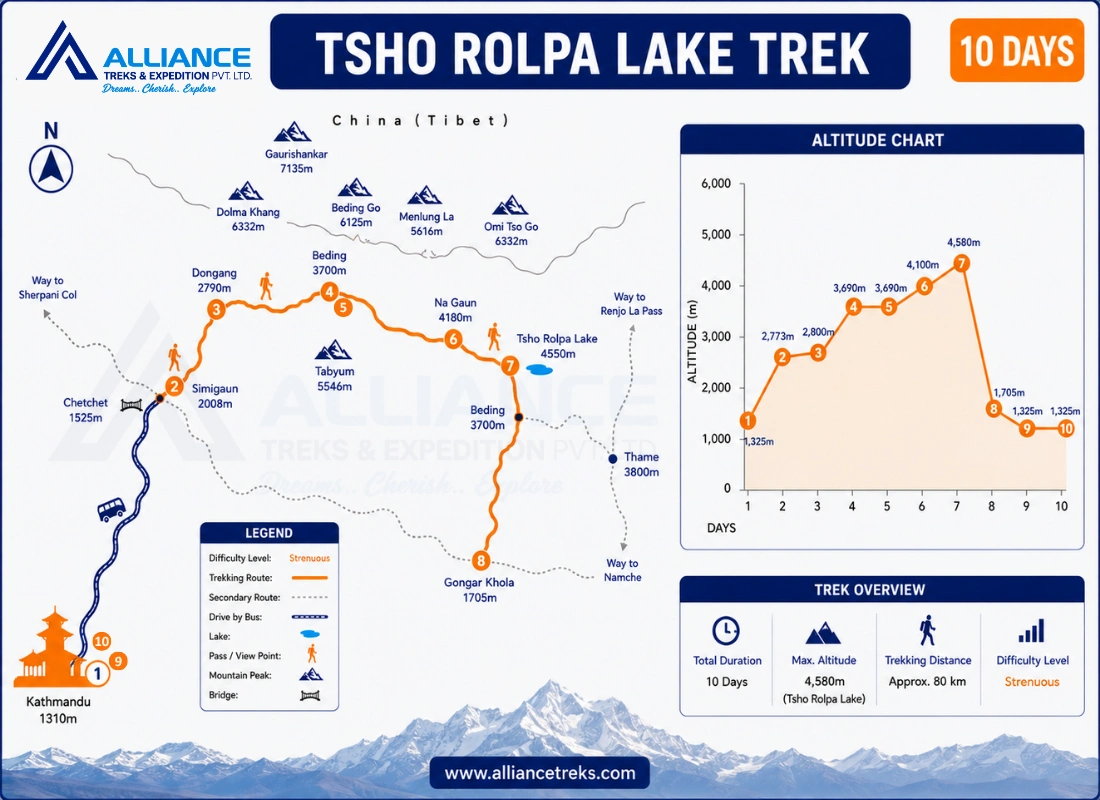
Day 1 Arrival in Kathmandu

  • Highest Altitude1,350m
  • AccommodationHotel in Thamel
You will arrive at Tribhuvan International Airport (TIA) and an Alliance Trek representative will transfer you to your hotel in Thamel, Kathmandu. Rest and recover from your journey and use the day to finalize trekking permits (TIMS and Gaurishankar Conservation Area), check gear, and meet your guide for a pre-trek briefing.

Day 2 Kathmandu to Simigaun

  • Highest Altitude2,019m
  • AccommodationTeahouse in Simigaun
A long, scenic drive from Kathmandu through Dolakha district, following the Tama Koshi River north into the Rolwaling Valley. You will pass through the cascading Bhorley Jharana waterfall and cross the dramatic Chetchet suspension bridge before arriving at Simigaun, a traditional Sherpa village marking the gateway to the valley.

Day 3 Simigaun to Dongang

  • Walking Distance6-7 hours
  • Highest Altitude2,790m
  • AccommodationTeahouse lodge in Dongang
An early start through mixed oak and pine forest, crossing the well-known bridge at Surmuche and passing several waterfalls along the way. The trail climbs steadily through lush vegetation and occasional yak pasture, reaching the small Sherpa village of Dongang with its first views of the Rolwaling peaks.

Day 4 Dongang to Beding

  • Walking Distance5-6 hours
  • Highest Altitude3,693m
  • AccommodationLocal Lodge in Beding
The trail climbs steeply from Dongang into the heart of the Rolwaling Valley, passing terrain known for blue sheep and alpine wildflowers. After walking for 5-6 hours, arrive at Beding — the valley's largest Sherpa village — overlooked by the dramatic cliffside Chorkyang Monastery, with close-up views of Mt. Gaurishankar and the surrounding ice peaks.

Day 5 Acclimatization Day in Beding

  • Highest Altitude3,693m
  • AccommodationLocal Lodge in Beding
A crucial rest day to adjust to the altitude. Explore the village at leisure or take an optional acclimatization hike toward Menlung La Pass (5,616m) for sweeping Himalayan panoramas. Proper rest here significantly reduces the risk of altitude sickness on the days ahead.

Day 6 Beding to Na Gaun

  • Walking Distance6-7 hours
  • Highest Altitude4,183m
  • AccommodationTeahouse at Na Gaun
The trail pushes deeper into the high Rolwaling Valley, growing rockier as it passes yak herds and traditional Sherpa summer settlements. Arrive at Na Gaun — an ancient cluster of around 20 stone houses with a striking local monastery and prayer flags, set in profound mountain quiet.

Day 7 Na Gaun to Tsho Rolpa Lake & Back to Beding

  • Walking Distance6-7 hours
  • Highest Altitude3,693m
  • AccommodationTeahouse at Beding
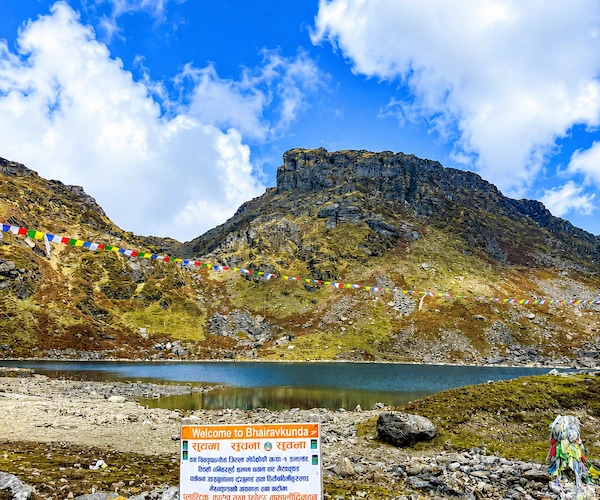
The highlight of the trek. A roughly two-hour climb from Na Gaun along a rocky trail leads to Tsho Rolpa Lake (4,580m) — Nepal's largest glacial lake, ringed by snow-capped peaks and fed by glacier meltwater. After taking in the otherworldly turquoise panorama, retrace the trail back down to Beding for the night.

Day 8 Beding to Gongar Khola

  • Walking Distance5-6 hours
  • Highest Altitude1,430m
  • AccommodationTeahouse at Gongar Khola
Begin the long descent through rhododendron and oak forest as the valley opens up with spectacular views of Mt. Gaurishankar and the surrounding Rolwaling summits. Reach Gongar Khola, the last riverside stop before returning to Kathmandu, and celebrate the trek's near-completion in the lush, lower-elevation forest.

Day 9 Gongar Khola to Kathmandu

  • AccommodationHotel in Thamel, Kathmandu
Drive back to Kathmandu along the Araniko Highway, passing through the districts of Dolakha and Kavre with a final sweep of Nepal's mid-hill landscape before descending into the Kathmandu Valley. Arrive in the evening and enjoy a festive farewell dinner to celebrate your Rolwaling adventure.

Day 10 Departure from Kathmandu

You will be transferred to Tribhuvan International Airport for your onward flight home. If time allows, enjoy a final stroll through Thamel or a quick visit to one of Kathmandu's heritage sites before departure.

Cost Includes in Tsho Rolpa Trek

  • All airport pick-up and drop-off by private vehicle
  • 2 nights 3-star hotel accommodation in Kathmandu on a bed & breakfast basis
  • Welcome dinner on Day 1 and farewell dinner on Day 9 in Kathmandu
  • Private jeep/vehicle transportation from Kathmandu to Simigaun and from Gongar Khola to Kathmandu
  • All teahouse accommodation during the 7 trekking nights
  • Three meals per day — breakfast, lunch, and dinner — on all trekking days
  • Experienced, licensed English-speaking trekking guide — salary, food, accommodation, insurance, and equipment fully covered
  • Porter service: 1 porter per 2 trekkers (maximum 20–25kg per porter) — salary, food, accommodation, and insurance included
  • Gaurishankar Conservation Area Permit (GCAP)
  • TIMS Card (Trekkers' Information Management System)
  • Comprehensive first aid kit carried by the guide throughout the trek
  • Arrangement of emergency evacuation service (requires personal travel insurance)
  • Alliance Treks sleeping bag, down jacket, duffel bag, and trekking map
  • Trekking achievement certificate on successful completion
  • All applicable government and local taxes

Cost Excludes in Tsho Rolpa Trek

  • International airfare to and from Kathmandu
  • Nepal entry visa fees (approx. USD 30 for 15 days, USD 50 for 30 days — available on arrival at KTM Airport)
  • Lunch and dinner in Kathmandu (except welcome and farewell dinners)
  • Personal travel and medical insurance — mandatory, must include emergency helicopter evacuation coverage up to at least 5,000m
  • Emergency helicopter evacuation costs (covered by your travel insurance)
  • Hot showers, phone/battery charging, and Wi-Fi at teahouses (small local charge)
  • Alcoholic beverages, bottled water, snacks, and other personal items during the trek
  • Personal trekking gear and cold-weather equipment
  • Tips and gratuities for guide, porter, and driver (customary and greatly appreciated)
  • Extra nights or meals due to flight delays, road closures, or itinerary changes
  • Any costs arising from landslides, weather disruptions, or events beyond our control
  • Anything not explicitly listed under Cost Includes
From US$ US$ (Price varies by group size)

Detailed Overview – Tsho Rolpa Trek

The Tsho Rolpa Trek starts in Kathmandu, where one day will be dedicated to finalizing permits and acclimatizing to the trek that lies ahead of them before they embark on the long drive across the plains to the Rolwaling Valley. It is a memorable drive up out of Kathmandu Valley through the district of Dolakha, passing through the cascading waterfall Bhorley Jharana and crossing the dramatic Chetchet suspension bridge to reach Simigaun (2,019m), a Sherpa village at the entrance to the Valley, which is another memorable introduction to the trek.

The trail from Simigaun is steep and leads up through mixed oak and pine forest to the famous cantilever bridge at Surmuche and then to the small quiet Sherpa village of Dongang (2790m), where you start to get the first proper views of the Rolwaling peaks. The next day’s ascent to Beding (3,693m) is one of the best sections of the trek, with blue sheep and wildflowers in the alpine vegetation, and then at the top of a dramatic rock face overlooking the settlement, the Chorkyang Monastery is one of the trek’s most impressive cultural features and the largest Sherpa village.

A complete acclimatization day at Beding gives trekkers a chance to acclimatize properly before heading higher; there is the chance of a short hike to the Menlung La Pass (5616m) for a wonderful panoramic view of the ice giants surrounding it. This rest day is necessary as from here there is a steep ascent into truly high altitude country, through ever more rugged trail and traditional yak pasture to the ancient little complex of about 20 stone houses Na Gaun (4183m), complete with it’s own small monastery and a great sense of remoteness.

The highlight of the trek is the next day when it’s a steep, rocky ascent up to Tsho Rolpa Lake (4,580m), Nepal’s largest glacial lake, surrounded by snow-capped mountains and directly fed by the glacial meltwater. The panoramic turquoise vista, bordered by ice walls of Trakarding Glacier and far away mountain summits of Gaurishankar and Melungtse is something that very few trekkers in Nepal get to see firsthand. The trail makes its way back down to Beding for the night after spending some time at the lakeshore.

The return trip drops down through rhododendron and oak woodlands to Gongar Khola (1,430m), the last riverside spot before the length of the Araniko Highway to Kathmandu, where a final tour of the mid-hill terrain of Nepal follows a farewell dinner.
You Should Know Before Travel Expand All Collapse All

The Tsho Rolpa Trek is rated moderately challenging. It involves steady elevation gain over several days, reaching a maximum altitude of 4,580m at the lake itself, with sections above 4,000m requiring careful pacing.

Spring (March to May) and autumn (September to November) are the best seasons. Spring brings blooming rhododendron forests across the lower valley and generally stable weather. Autumn offers the clearest skies and the sharpest views of Gaurishankar and the surrounding peaks.

Two permits are required: the Gaurishankar Conservation Area Permit (GCAP), which covers entry into the protected Rolwaling Valley region, and the TIMS Card (Trekkers' Information Management System) for safety registration. Both are straightforward to obtain and are arranged in full by Alliance Treks Nepal as part of your package.

The Tsho Rolpa Trek follows the much quieter Rolwaling Valley, a region that has remained largely untouched by mass tourism compared to the heavily trafficked Everest and Annapurna routes. Rather than flying to a busy mountain airstrip, the trek begins with an overland drive, and the trail itself sees a fraction of the trekkers found on the major circuits.

The Rolwaling Valley and surrounding Gaurishankar Conservation Area support a rich range of Himalayan wildlife across its varied climatic zones. Trekkers have a good chance of spotting blue sheep (bharal) on the higher slopes near Dongang and Beding, along with Himalayan tahr in rockier terrain.

Alliance Treks & Expedition Pvt. Ltd. Once is not enough for naturally and culturally Himalayas
Contact us