(Viber, Whatsapp, Cell) +977 9851022814

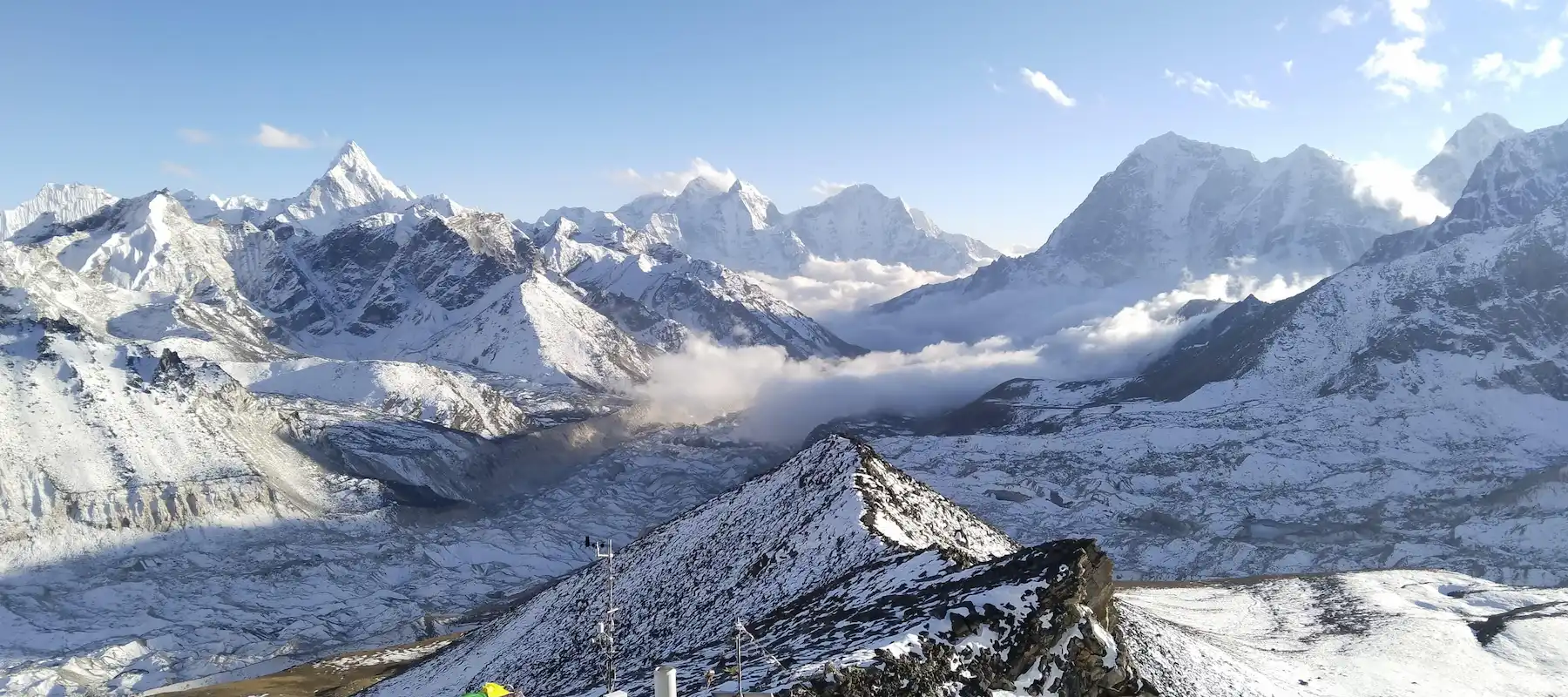
The Jiri to Everest Base Camp Trek is the long, rewarding way to reach the foot of the world’s highest mountain. Before the Lukla airstrip opened in the 1960s, expeditions and pilgrims alike began their Everest journey on foot from the Jiri roadhead, crossing a succession of forested ridges and river valleys to reach the Khumbu. This 18-day itinerary follows that same traditional approach, adding roughly a week of walking through the lower Solu region before joining the main Everest Base Camp trail.
The extra days are the point. Instead of flying straight into the high mountains, you cross the Dudh Koshi valley and climb over passes such as Lamjura La, moving through Rai, Tamang, and Sherpa villages, rhododendron forest, and terraced farmland that most Everest trekkers never see. The gradual gain in altitude also gives your body an unusually gentle introduction to the heights ahead, which is why many guides consider this route one of the best-acclimatized ways to approach Everest Base Camp.
From Namche Bazaar onward, the trail follows the classic route through Tengboche, Dingboche, Lobuche, and Gorak Shep to Everest Base Camp and the sunrise summit of Kala Patthar, then returns via Pheriche and Namche to Lukla for the flight back to Kathmandu. It is a long trek and a demanding one, but for travelers who want the full story of the Everest approach, from green foothills to the Khumbu Glacier, it is hard to beat.
Day 1 Kathmandu (1,310m/4,296ft) - Jiri (1,900m/6,234ft)
Day 2 Jiri (1,900m/6,234ft) - Deurali (2,705m/8,875ft)
Day 3 Deurali (2,705m/8,875ft) - Sete (2,520m/8,268ft)
Day 4 Sete (2,520m/8,268ft) - via Lamjura La - Junbesi (2,567m/8,422ft)
Day 5 Junbesi (2,567m/8,422ft) - Nunthala (2,345m/7,694ft)
Day 6 Nunthala (2,345m/7,694ft) - Khari Khola (2,194m/7,198ft)
Day 7 Khari Khola (2,194m/7,198ft) - Puiyan (2,770m/9,088ft)
Day 8 Puiyan (2,770m/9,088ft) - Ghat (2,590m/8,497ft)
Day 9 Ghat (2,590m/8,497ft) - Namche Bazaar (3,440m/11,286ft)
Day 10 Acclimatization Day in Namche Bazaar (3,440m/11,286ft)
Day 11 Namche Bazaar (3,440m/11,286ft) - Tengboche (3,870m/12,697ft)
Day 12 Tengboche (3,870m/12,697ft) - Dingboche (4,410m/14,468ft)
Day 13 Dingboche (4,410m/14,468ft) - Lobuche (4,910m/16,109ft)
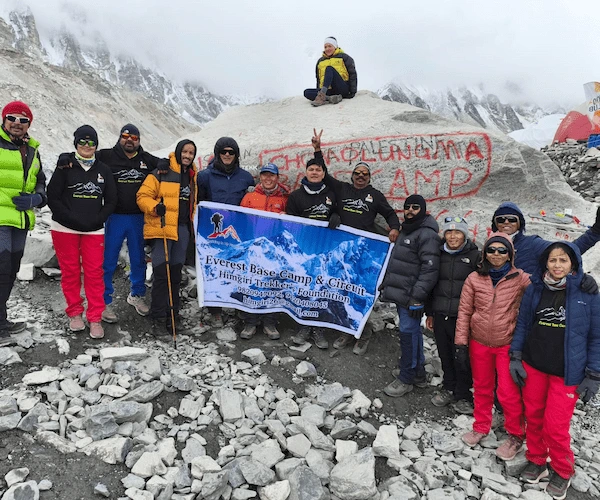
Day 14 Lobuche (4,910m/16,109ft) - Gorak Shep (5,160m/16,929ft) and Everest Base Camp (5,364m/17,598ft)
Day 15 Visit early morning visit Kala Patthar (5,545m/18,192ft) - Trek to Pheriche (4,300m/14,108ft)
Day 16 Pheriche (4,300m/14,108ft) - Namche Bazaar (3,440m/11,286ft)
Day 17 Namche Bazaar (3,440m/11,286ft) - Lukla (2,860m/9,383ft)
Day 18 Fly from Lukla (2,860m/9,383ft) - Kathmandu (1,310m/4,296ft)
Jiri to Everest Base Camp Trek – most Everest Base Camp itineraries begin with a 35-minute flight from Lukla (Tenzing Hillary Airport) to Kathmandu or vice versa and a short walk. The Jiri route begins with an eight-to-nine-hour drive into the hills and a week of steady walking before you even reach Namche Bazaar. That difference shapes the entire experience.
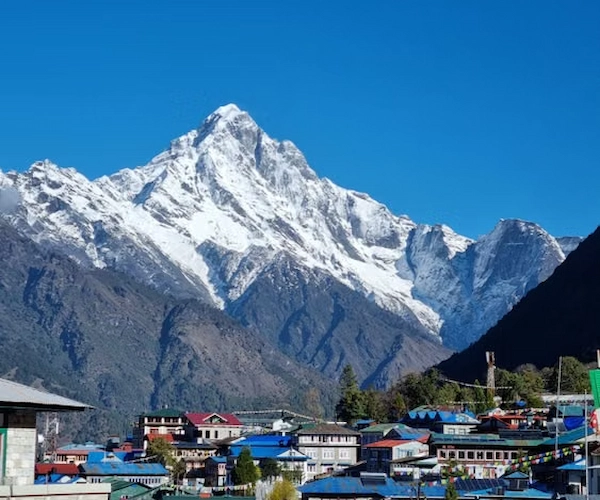
The first week is a trek in its own right. The trail rises and falls repeatedly, dropping into river gorges and climbing back out over ridges, so you build fitness and trail legs early, before the altitude becomes a real factor. Villages along this stretch, including Sete, Junbesi, and Nunthala, offer a more relaxed pace of life, with local lodges, apple orchards, monasteries, and views of snow peaks appearing and disappearing between ridgelines. Junbesi in particular is known for its Sherpa culture and nearby Thubten Choling Monastery, giving a cultural preview well before the Khumbu proper.
Two highlights of the approach are the Lamjura La pass at around 3,530m/11,581ft, the highest point of the lower route, and the Taksindu La ridge with its monastery and rhododendron forest. Between them lies the deep Dudh Koshi river valley, which you cross before climbing again toward the Everest region. These crossings can be tiring, but they are exactly what makes the Jiri route so effective for acclimatization.
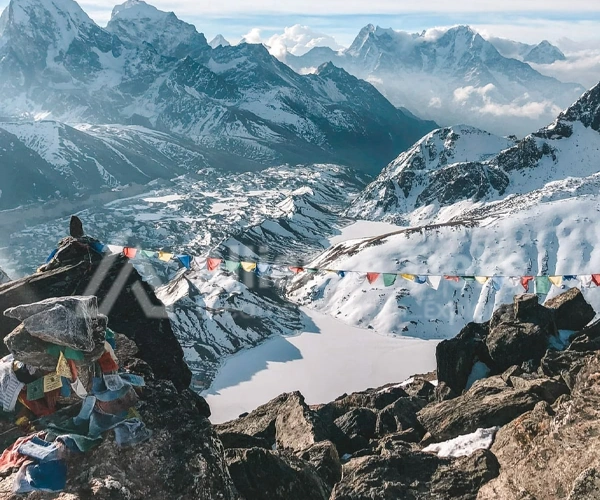
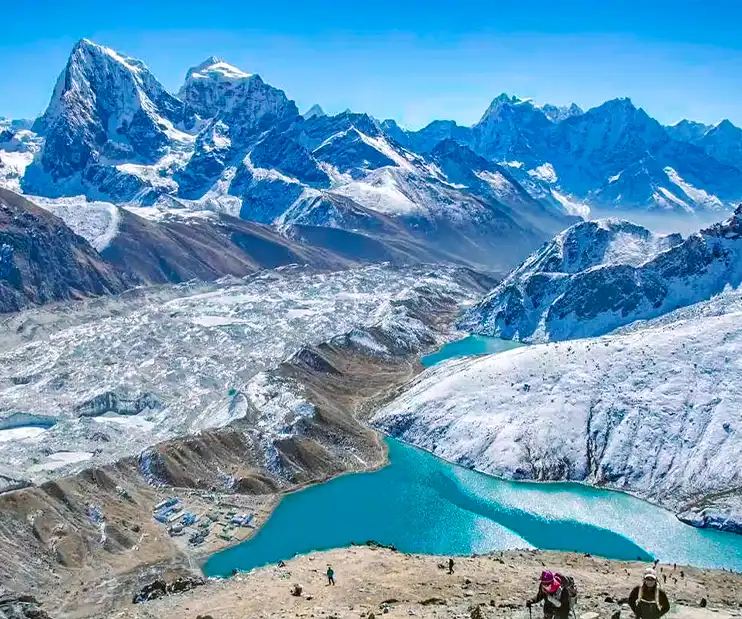
Around Ghat and Phakding, the trail merges with the main Lukla route. From here, the walk to Namche Bazaar, the acclimatization day, and the climb to Tengboche follow the well-known Everest Base Camp trail, with the crowds a little thinner than on itineraries that fly into Lukla, since you arrive on foot and at your own rhythm. Beyond Tengboche the landscape turns stark and glacial, passing through Dingboche and Lobuche to Gorak Shep, where the trek reaches its summit: Everest Base Camp at 5,364m/17,598ft, followed by a pre-dawn climb of Kala Patthar at 5,545m/18,192ft for the classic close-up view of Everest, Nuptse, and Lhotse.
The return journey descends via Pheriche and Namche Bazaar to Lukla, and a short flight completes the loop. Having earned every meter on foot, most trekkers describe the arrival at base camp on this route as a very different experience from the fly-in itineraries: slower, deeper, and far more satisfying.
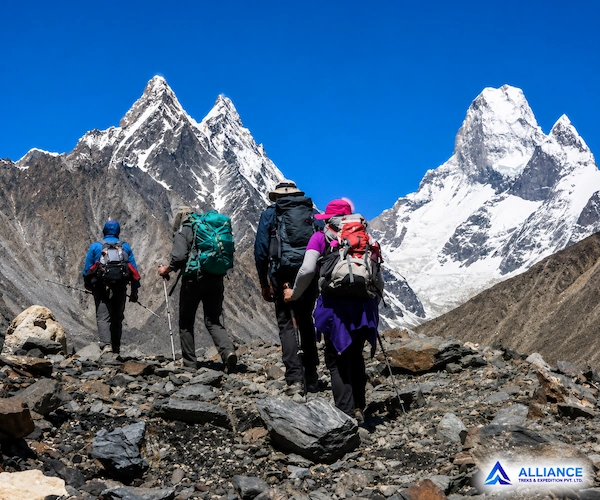
This trek is graded strenuous mainly because of its length and the repeated ups and downs of the lower section. Days of 5 to 8 hours of walking, combined with several passes above 3,000m/9,840ft and the final ascent to 5,545m/18,192ft, demand good fitness and prior hiking experience. On the positive side, the gradual altitude gain on the approach gives most trekkers better natural acclimatization than fly-in itineraries. No technical climbing skills are required.
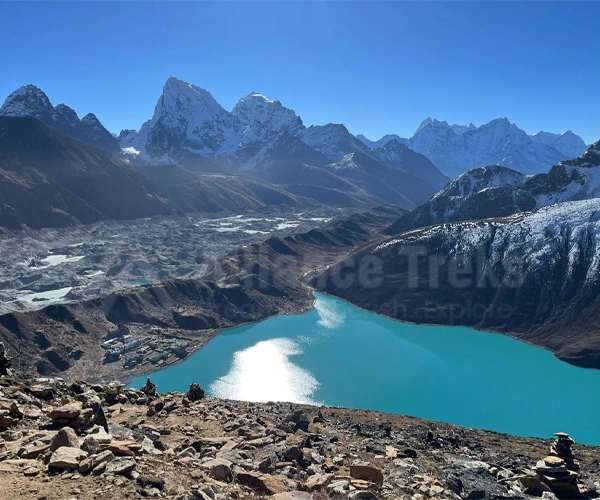
Jiri to Everest Base Camp Trek is always quite inspiring trekking in Nepal with Alliance Treks and it was some years back one of the most popular trekking. The trekkers those who has limited time also can do Trek to Everest Base Camp -12 days, Everest Base Camp Gokyo Lake Trek as well as Everest Three High Passes Trek too. Accordingly we even recommend you Gokyo Ri Trek along wit alternative trekking like Kanchajunga Circuit Trek or Ruby Valley Trek for your optional trek.
Before you start your Everest Base Camp (EBC) Trek in Nepal, we recommend learning about the local rules, trekking permits, environmental protection, wildlife, and safety guidelines. In addition, staying updated through official organizations will help you prepare for a safe, responsible, and enjoyable Himalayan adventure.
Here are some important organizations and resources you should check before your Everest region trek.
Learn about the environmental protection activities, waste management programs, and cleanliness campaigns in the Everest region. SPCC plays an important role in keeping the Everest Base Camp trekking route clean and protecting the Himalayan environment.
Check the latest information about national park entry permits, conservation rules, local wildlife, flora, and fauna. You can also learn about the park’s efforts to protect the natural and cultural heritage of the Everest region. In this way, it will help you to update all about the Sagarmatha National Park.
Check local notices, rules, and regulations before starting your trek. Local authorities can provide useful information about local requirements and guidelines for visitors to the Everest region. So Pasang Lhamu Rural Municipality is the right portal to visit keep updating yourself before start your Jiri to Everest Base Camp Trek.
Visit the official Department of Immigration website or contact the relevant office in Kathmandu for the latest visa requirements, visa extensions, and other immigration information before travelling to Nepal. So, visiting and get information about Nepal visa Department of Immigration (DoI) is much helpful and useful.
Consult TAAN for information about trekking industry standards, registered trekking agencies, responsible trekking practices, and relevant industry updates. A reliable trekking agency lake Alliance Treks can also help you understand the current requirements for your Everest Base Camp trek.
If you plan to climb a trekking peak in the Everest region, check the latest information about climbing permits, peak classifications, and applicable regulations through Nepal Mountaineering Association (NMA).
For mountaineering expeditions and climbing activities, consult the Department of Tourism (DoT) for the latest permit procedures, regulations, and official updates. Make sure you confirm which authority manages the permit for your chosen mountain.
Learn about KEEP’s work in sustainable tourism, environmental education, and support for trekking guides and porters. Its activities have included training and awareness programs that promote safer and more responsible trekking practices.
At Alliance Treks & Expedition, we believe that good preparation is the foundation of a successful Himalayan adventure. Therefore, we encourage every trekker to stay informed, respect local communities, protect the natural environment, and follow the latest official guidelines before setting out on the Everest Base Camp Trek.
Prepare Well, Trek Responsibly, and Help Preserve the Himalayas for Future Generations!
Alliance Treks & Expedition Pvt. Ltd. Once is not enough for naturally and culturally Himalayas