(Viber, Whatsapp, Cell) +977 9851022814

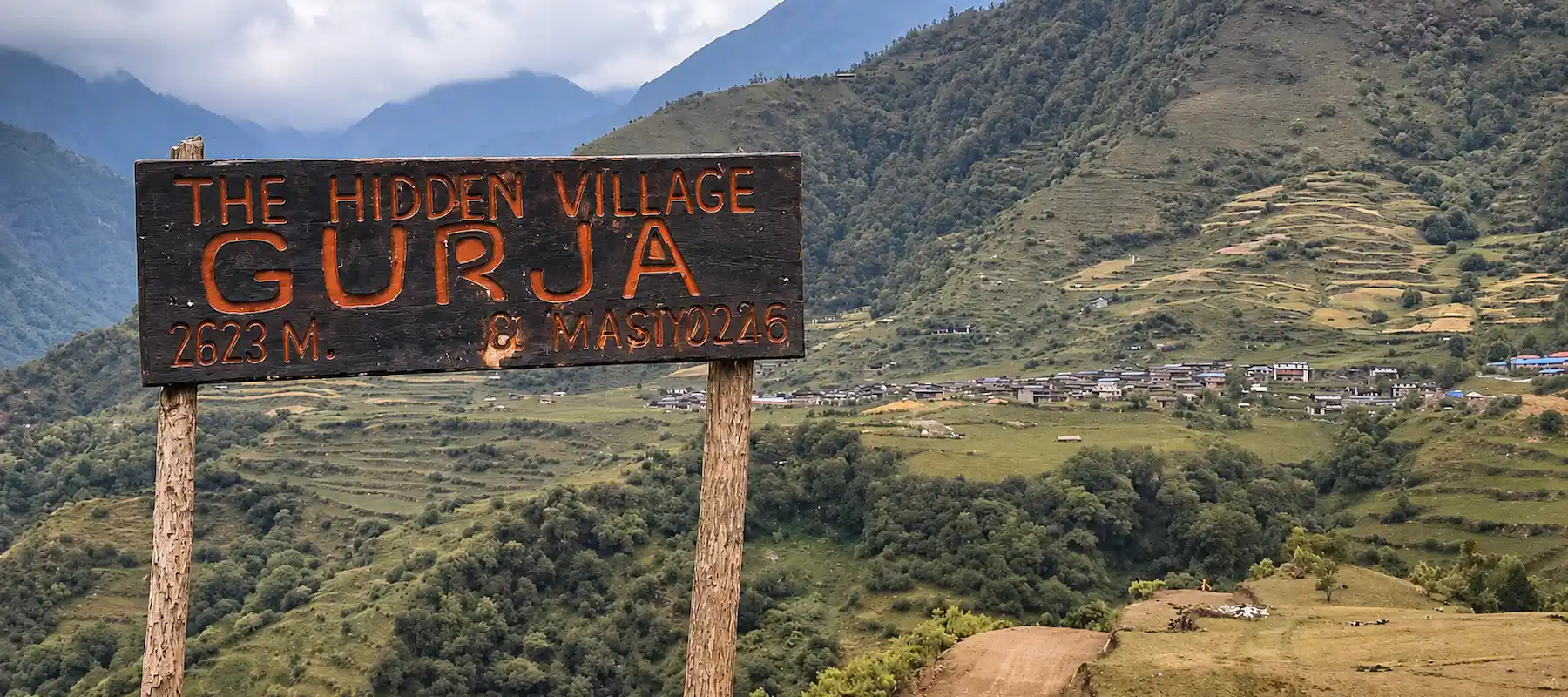
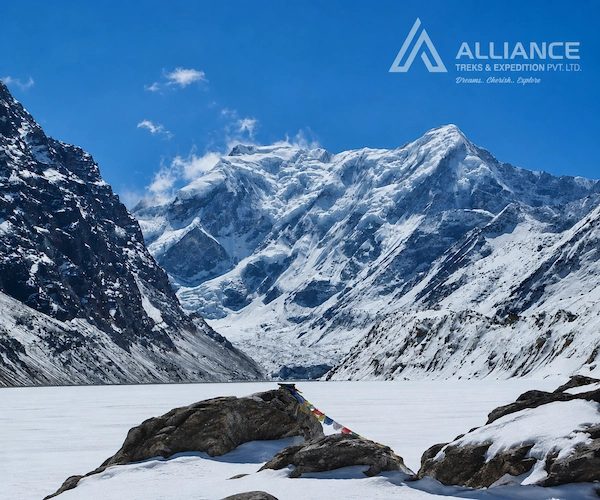
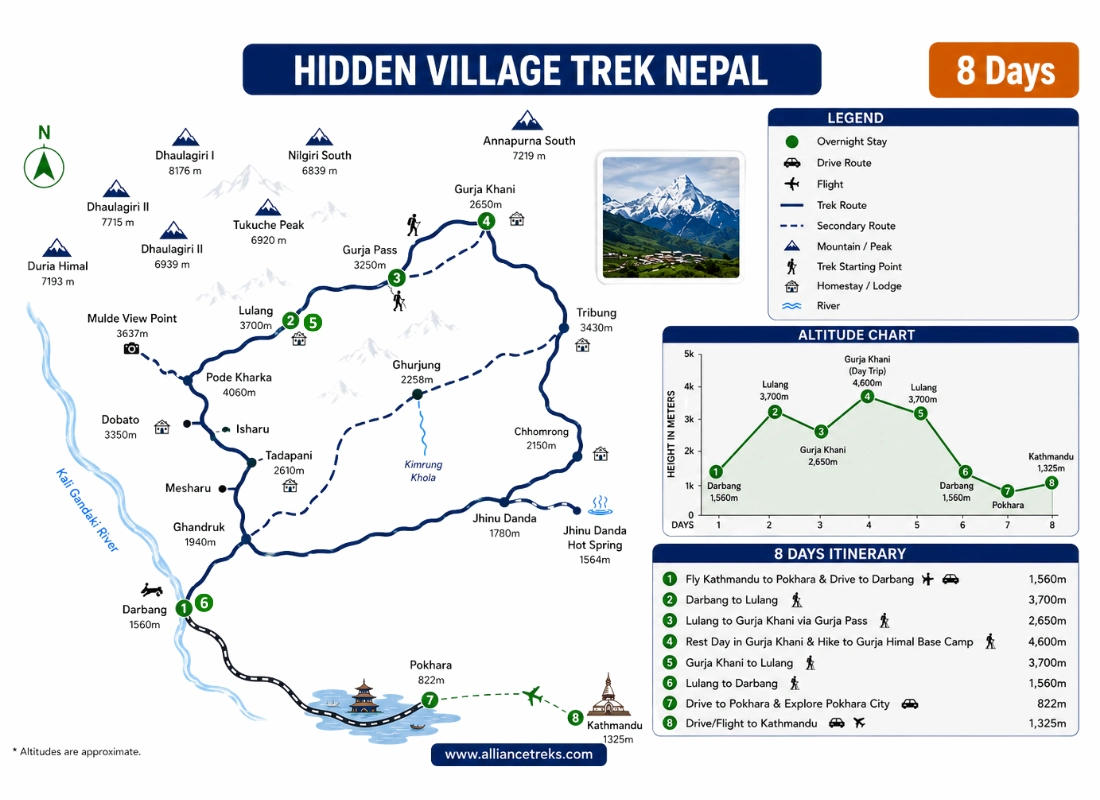
Hidden Village Trek Nepal the Gurja Khani is one of the most remote and least-known villages in the entire Himalaya, located beneath the steep ice walls of Gurja Himal (7,193m) in the remote Lower Dhaulagiri region of Nepal. The Hidden Village Trek is an 8-day tour to this amazing place, which is one of the most neglected and amazing trekking routes of Nepal.
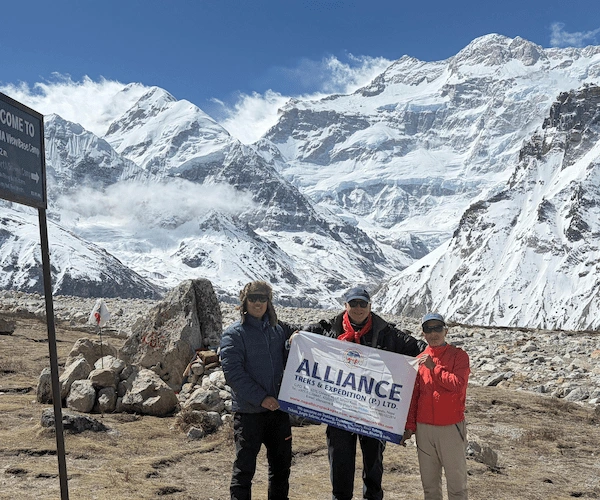
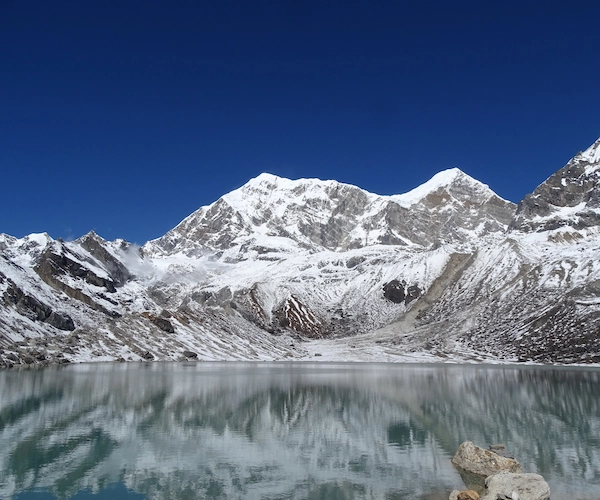
The route then runs through the Magar village of Lulang (2,450m) – a vibrant, colourful village nestled on terraced hillsides, and then crosses the dramatic Gurja Pass (3,250m) and descends to Gurja Khani itself, where the steep facelift of the Gurja Himal dominates the entire northern horizon, and the ancient lifestyle of the people continues without many modern influences. The full day at the village involves an optional trek to Gurja Himal Base Camp, where you’ll gaze across at Dhaulagiri (8,167m), Churen Himal, and the whole western Dhaulagiri massif.
This is not a trek for the comforts of the teahouse and well-marked tourist trails. The Hidden Village Trek for the real adventurer; the trekking trails that are signposted in popular Nepal are for adventure travellers; the Hidden Village Trek is for the pure and uncivilized adventurers who wish to experience an adventure with the pure and uncivilizedness of discovery; the adventure travellers are for the adventure to be popular, the Hidden Village Trek is for the pure and uncivilized.
Day 1 Fly from Kathmandu (1,325m/4,344ft) - Pokhara (822m/ 2,696ft) & Drive to Darbang (1,560m/ 5,116ft)
Day 2 Darbang (1,560m/5,116ft) - Lulang (3,700m/ 12,140ft)
Day 3 Lulang (3,700m/ 12,140ft) - Gurja Khani (2,650m/ 8,692ft) via Gurja Pass (3,250m/10,660ft)
Day 4 Rest Day in Gurja Khani (3,250m/10,660ft) & Day Trip to Gurja Himal Base Camp (4,600m/ 15,091ft)
Day 5 Gurja Khani (2,650m/ 8,692ft) - Lulang (3,700mm/ 12,140ft)
Day 6 Lulang (3,700m/ 12,140ft) - Darbang (1,560m/ 5,116ft)
Day 7 Drive to Pokhara (822m/ 2,696ft) - Explore Pokhara City
Day 8 Drive from Pokhara (822m/ 2,696ft) - Kathmandu (1,325m/ 4,344ft)
The Hidden Village Trek was an unforgettable experience. The traditional villages, quiet trails, beautiful landscapes, and welcoming local communities made the journey feel very authentic. Riddhi was a wonderful guide who was patient, encouraging, and always ready to help. I would definitely recommend this trek to anyone looking for a peaceful Himalayan adventure.
I really enjoyed getting away from the crowded trekking routes and exploring these peaceful villages. The scenery changed throughout the trek, with green hills, forests, and mountain views. Race was a caring and knowledgeable guide who kept us motivated and comfortable. The whole experience felt genuine and very enjoyable.
I had a fantastic time on this trek. The route was peaceful and offered beautiful views of the hills and surrounding mountains. Race was an excellent guide who always checked that everyone was doing well and helped us whenever needed. I really enjoyed the slower pace and authentic village experience.
The Hidden Village Trek exceeded my expectations. I especially enjoyed meeting local people and seeing traditional village life along the route. Riddhi was friendly, professional, and very supportive during the more difficult sections. The combination of nature, culture, and peaceful trails made this trek really special.
This trek was perfect for experiencing a quieter and more authentic side of Nepal. The trails passed through forests, terraced farmland, and traditional settlements with beautiful views along the way. Race was a fantastic guide and kept us comfortable while explaining the local culture and surroundings. It was a very memorable adventure.
I loved the peaceful atmosphere of this eight-day trek. Walking through small villages and beautiful countryside gave us a genuine experience of rural Nepal. Riddhi was a very helpful and patient guide who shared interesting information about the local lifestyle and culture. The mountain views were an added bonus.
The Hidden Village Trek was a wonderful experience away from the busy trekking routes. I really enjoyed the peaceful trails, traditional villages, green hills, and beautiful mountain scenery. Race was an excellent guide who was friendly, knowledgeable, and always made sure we were comfortable throughout the journey.
The Hidden Village Trek Nepal starts in Kathmandu, then a flight to Pokhara, and 3-4 hours drive through the beautiful Myagdi valley to reach Beni and Darbang (1560m) where the final road on the western approach to the Dhaulagiri massif runs into the mountains. Darbang is a lively Bazaar town that is found on the Myagdi River, and is not much known to those following the main circuit of the Annapurna and Everest Circuit. The Hidden Village Trek from here leads into a sparsely visited area, with just a few trekking groups visiting the area during one of the seasons.
This is the first full trekking day, starting from Darbang, going through an extraordinary variety of landscapes, via a jeep road to a forest path, then through terraced farmland, subtropical woodland, and the picturesque village of Takam with its small pagoda temple, then climbing steadily through forested ridge country to the village of Sibang, where the trail leads to Lulang (2,450m). One of the most interesting cultural sites in the trek is the large Kami (blacksmith caste) Magar settlement, whose approximately 200 households are spread out around a steep amphitheater of terraced fields and marigolds and pumpkins, rows of maize being dried, and houses painted in distinctive splashes of red, white and black mud plaster. The people are friendly and helpful and the accommodation in the home stays offers a glimpse into the village life of the highlands which few visitors get to see.
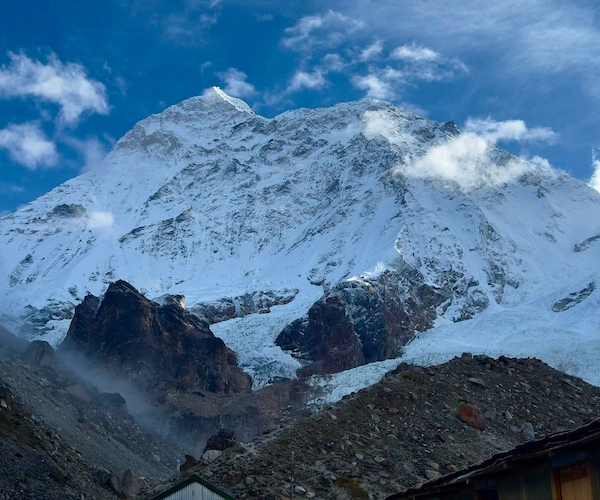
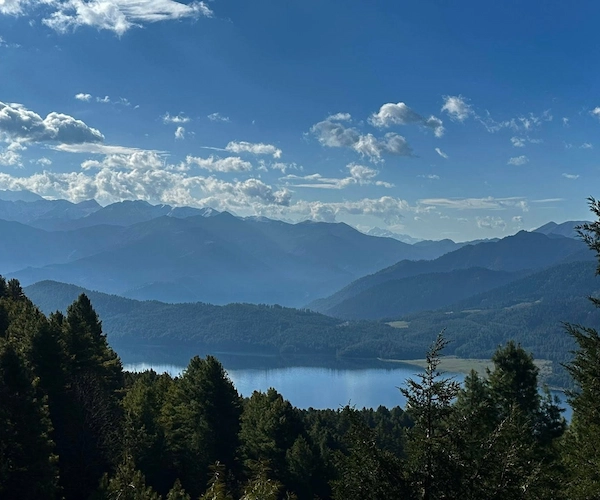
The highlight of the trek is the crossing of Gurja Pass (3250m) on Day 3, which is both a physical and scenic crossroad of the trek. The trail rises quickly from Lulang, passing through thick moss-covered oak and rhododendron woods (the branches almost smothered under mats of ferns, orchids and dangling lichens) before reaching the open ridge line at the pass. Views here are magnificent if they arrive before noon: the dramatic south face of Gurja Himal that towers over the northern horizon, and the bulk of Dhaulagiri that dominates the western horizon. The long descent from the pass through the cedar forest to Gurja Khani (2650m) with a hot tea and noodles shop along the way, across a suspension bridge over the Dhaula Khola and up to the final steep stretch to the village meadow.
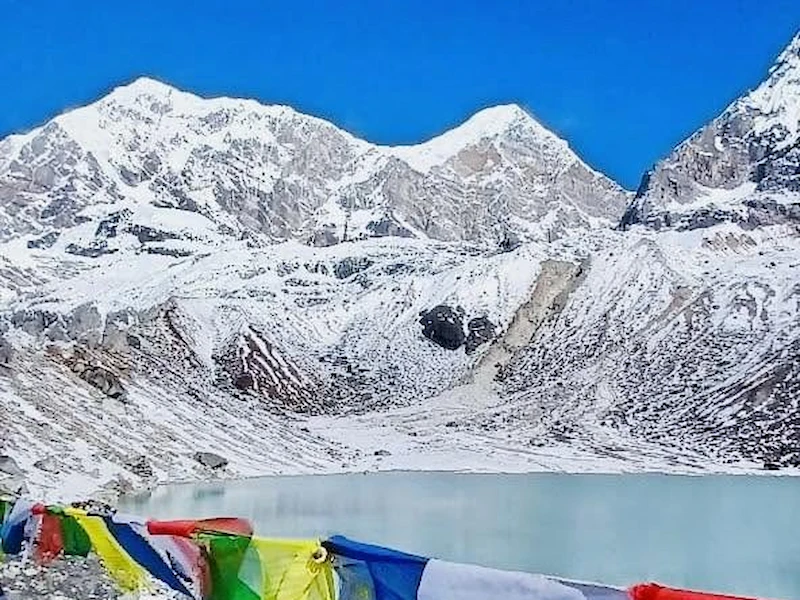
Gurja Khani is truly unique in all of the trekking trails in Nepal. The village is nestled in a sloping green plateau just under the south western slope of Gurja Himal and is almost encircled by the glacier-streaked mountain overhead and the ridge lines on the other side cutting off the outside world. The community has a lifestyle that is defined by its isolation in the mountains, seasonal migration between highlands and lowlands, traditional agriculture using barley and potato on steep terraces and an ancient culture that started long before the modern trekking industry in Nepal. The day trip from Gurja to the Base Camp of the glacier is through open and alpine area and passes through the moraine to the glacier’s foot and offers a view of Dhaulagiri peak, Churen Himal and the entire western Himalayan range which very few trekkers in Nepal ever get to see.
The return trip is a repeat of the outbound hike, crossing Gurja Pass and passing through Lulang again on the way back to Darbang and then to Pokhara and home to Kathmandu in one of the most true-to-form short hikes in Nepal.
Hidden Village Trek Nepal is Nepal’s mysterious cultural experience trek. Accordingly Alliance Treks provides excellent well experienced, trained and certified from NATHM trekking guide with physically fit, experience and very humble trek porters. Furthermore, Meals threes times a day like Breakfast, Lunch and Dinner will be local style, Nepali, Tibetan, Indian flovor and more Tibetan styles too – Chapati, Noodle, Pancake, rice, lentil, Vegetable, Soup, Macaroni, Pickle, Tea/Coffee, potato items, etc..
Lodge or home stay will be quite simple most of the places dormitory bed room with common bath room. You have to have good trekking equipment and you need to make up your mind accommodation is very simple. In addition, you need Dhorpatan Conservation Area entry permit and Trekkers’ Information Management System (TIMS) permit for your safety.
Hidden Village Trek Nepal need ward clothes but Spring (March-May) and Autumn (September-November) being the best trekking season in this area, obviously it will not be too cold in this season. You still can do in the monsoon (June – August) but very raining and muddy trails whereas Winter (December-February) is quite good too but it will be colder compared to other season. Its a modern trekking (2000m-3000m) and difficult as you visit upto Gurja Himal Base Camp (4,800m) but it will be only one day. Accordingly we have designed here very flexible trekking itinerary for you so if you have time you can shorter/longer as you wish exploring more culture, more village and scenic places of the area. We have designed 8 days Kathmandu to Kathmandu itinerary fit for age 7 years to 75 years.
Hidden Village Trek Nepal trekking cost is listed here but we can always make you better offer depends on your group size and number of days you do this trek. You can easily book with Alliance treks inquiring in email on [email protected] or visit website:- www.alliancetreks.com for more optional trekking like Ruby Valley Trek, Langtang Valley Trek, Tamang Heritage Trek or Ruby Valley Cultural Trek even Everest Base Camp Trek as well as Annapurna Circuit Trek.
Booking for 20269/2027/2028 is always open so for your quick response you may also call our official WhatsApp:-+977-9851022814 or +977-9841451681 . Tipping to guide and porter is highly recommended and guide about USD 10 per day and USD 5 per porter per day but being itself a gratitude you decide as you wish. Alliance Treks is always thankful taking care yourself your own guides and porters on the trekking.
Alliance Treks & Expedition Pvt. Ltd. Once is not enough for naturally and culturally Himalayas