(Viber, Whatsapp, Cell) +977 9851022814


Gurja Himal Trek – Discover Nepal’s Remote Trails, Untouched Landscapes, and Hidden Himalayan Beauty.
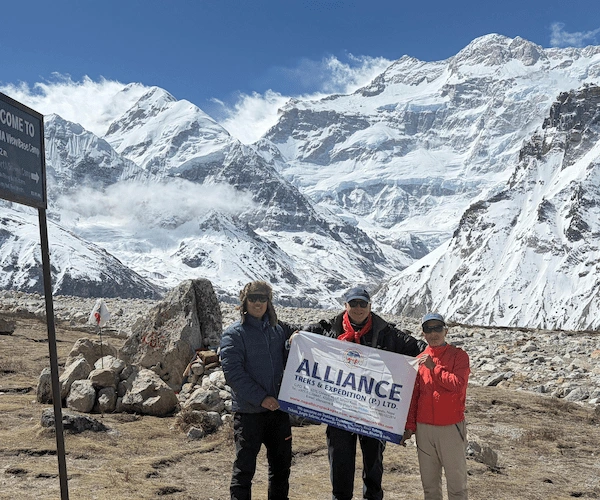
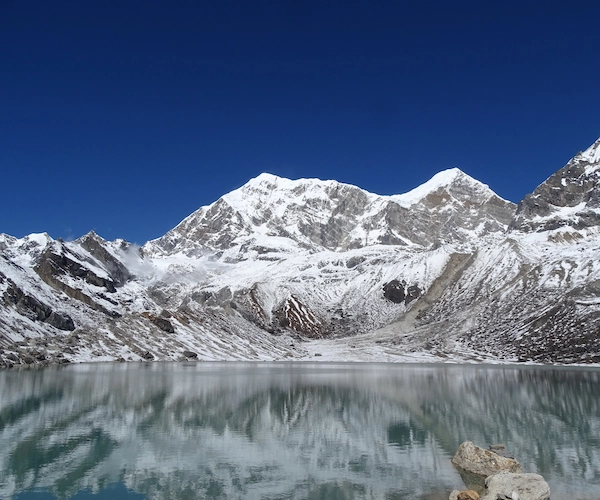
The Gurja Himal Trek via Baglung is a genuinely remote wilderness journey through the western reaches of te Dhaulagiri massif, leading to the foot of Gurja Himal (7,193m), one of the least-visited seven-thousanders in the entire Nepal Himalaya. Unlike the increasingly popular Dhaulagiri Circuit or Annapurna routes, this trail sees only a handful of trekkers each year, passing through the Dhorpatan Hunting Reserve — Nepal’s only hunting reserve and a unique protected area home to blue sheep, musk deer, and a rich diversity of alpine wildlife.
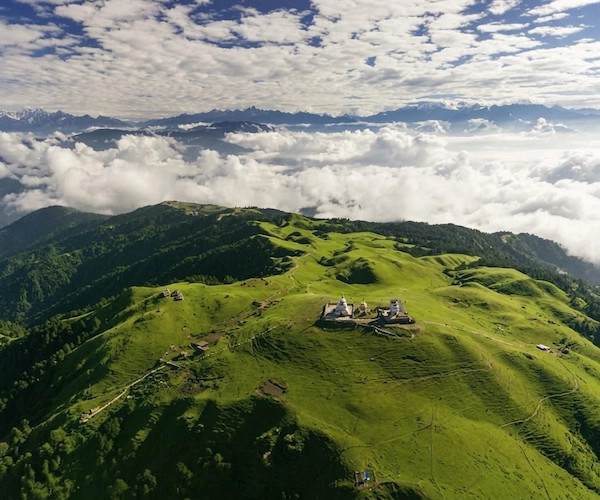
Starting with a long overland drive from Kathmandu to Baglung, the trek quickly leaves the road behind, climbing through Magar hill villages and dense forest toward a series of high passes — Nila Jotin Danda, Dansi Lekh, Sole Lekh, and the Gurjaghat Pass — each opening onto increasingly dramatic views of the Dhaulagiri range. The trail’s heart lies in and around Dhorpatan Valley, a wide, high-altitude grassland historically used by Tibetan refugee communities and still home to Chentung Monastery, before pushing on toward Gurja Khani and a demanding crossing of Rugachaur Pass at 3,900m.
A dedicated rest day at Gurja Khani allows for a side excursion up the Khegas Khola valley to the very foot of Gurja Himal itself, an experience reserved for a genuinely small number of trekkers each season. From here, the trek descends gradually through remote hill villages to Darbang, where a final drive connects to Beni or Pokhara, closing out one of the more demanding and rewarding off-the-beaten-path treks available in western Nepal.
Day 1 Drive from Kathmandu (1,310m/4,296ft) - Baglung (1,000m/3,281ft)
Day 2 Baglung (1,000m/3,281ft) - Okhle (2,000m/6,562ft)
Day 3 Okhle (2,000m/6,562ft) - Phedi/Sipa (2,210m/7,250ft) via Nila Jotin Danda (2,530m/8,301ft)
Day 4 Phedi/Sipa (2,210m/7,250ft) - Rum (1,900m/6,234ft) via Dansi Lekh Pass (2,800m/9,186ft)
Day 5 Rum (1,900m/6,234ft) - Bonga Khani (1,800m/5,906ft) via Sole Lekh (2,600m/8,530ft)
Day 6 Bonga Khani (1,800m/5,906ft) - Gurjaghat (3,000m/9,843ft) via Gurjaghat Pass
Day 7 Rest Day in Gurjaghat/Dhorpatan Valley — Visit to Chentung Monastery
Day 8 Gurjaghat (3,000m/9,843ft) - Gurja Khani (2,700m/8,858ft) via Rugachaur Pass (3,900m/12,795ft)
Day 9 Rest Day at Gurja Khani — Side Trip up Khegas Khola to the Foot of Gurja Himal
Day 10 Gurja Khani (2,700m/8,858ft) - Lulang (2,400m/7,874ft) or Phalyangaon (1,800m/5,906ft)
Day 11 Lulang (2,400m/7,874ft) - Darbang (1,618m/5,307ft), Drive to Beni or Pokhara (822m/2,696ft)
Day 12 Pokhara (822m/2,696ft) - Kathmandu (1,310m/4,296ft)
The Gurja Himal Trek in western Nepal offers a rare opportunity to explore remote mountain villages, quiet forest trails, high mountain passes, and spectacular Himalayan landscapes. Located in the western part of the Dhaulagiri region, this off-the-beaten-path trekking route provides a different experience from Nepal’s more established trekking destinations.
While many trekkers visit the Dhaulagiri Circuit, the Gurja Himal Trek via Baglung takes you through less-visited parts of western Nepal. Along the way, you will discover traditional Magar villages, walk across scenic ridges, cross high mountain passes, and experience local culture far from busy trekking trails.
Moreover, this trek combines natural beauty, cultural discovery, wilderness, and adventure. It is especially suitable for experienced trekkers who want to explore a remote Himalayan region with fewer visitors and a stronger connection to local communities.
The Gurja Himal Trek usually begins with a drive from Kathmandu to Baglung, a major town in western Nepal. From Baglung, the trail gradually enters the hills, where traditional settlements, terraced fields, and forested slopes create a beautiful setting for the journey.
The trek continues through Okhle and crosses Nila Jotin Danda at approximately 2,530 metres before descending towards Phedi and Sipa. During this first section, you will experience rural mountain life, walk through peaceful landscapes, and meet local people whose daily lives remain closely connected to farming and traditional village culture.
Furthermore, the route becomes more remote as you continue towards Dansi Lekh Pass, Sole Lekh, and Bonga Khani. The landscape changes gradually from green hills and forests to open ridges and higher mountain terrain. As a result, this section offers a rewarding experience for trekkers seeking a remote trekking adventure in western Nepal.
Because accommodation and services remain limited in some areas, trekkers should prepare for basic lodge stays and camping. A knowledgeable local guide can also help you manage route conditions, identify suitable overnight stops, and adjust the daily walking plan when necessary.
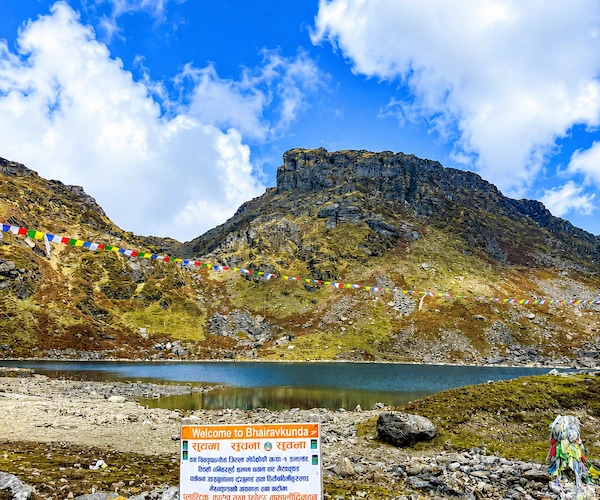
One of the major highlights of the Gurja Himal Trek is Dhorpatan, a broad mountain valley surrounded by forests, hills, and high Himalayan landscapes.
Dhorpatan is home to Nepal’s only hunting reserve, which was established in 1987 and covers approximately 1,325 square kilometres. The protected area extends across parts of Baglung, Myagdi, and eastern Rukum. It supports diverse wildlife, including blue sheep, Himalayan tahr, musk deer, and several species of birds. Here is the best details for you Department of National Parks and Wildlife Conservation
The reserve also provides an important setting for nature observation, photography, and learning about wildlife conservation in Nepal. However, wildlife sightings depend on the season, weather, and luck.
During your stay in the Dhorpatan area, you can explore the valley, learn about local traditions, and visit Chentung Monastery if local access and conditions permit. The monastery offers an opportunity to understand the religious and cultural life of the local community. In addition, the region reflects a mix of local cultures and traditions. Therefore, the Gurja Himal Trek is not only a mountain adventure but also an opportunity to learn about the people and heritage of western Nepal.
The mountain passes are among the most challenging and rewarding parts of the Gurja Himal Trek. After exploring the Dhorpatan area, the route continues towards Gurja Khani through rugged mountain terrain and high ridges.
The trek includes several passes, such as Nila Jotin Danda, Dansi Lekh, Sole Lekh, Gurjaghat, and Rugachaur. The exact route and pass elevations should be confirmed with the local trekking team before departure. Rugachaur Pass, commonly reported at approximately 3,850–3,900 metres, is one of the highest points on this trekking route. The climb can be demanding, particularly when the trail is steep, the weather changes, or snow covers the path.
Nevertheless, the effort brings opportunities to enjoy wide mountain views, remote valleys, and dramatic Himalayan scenery. Trekkers should maintain a steady pace, carry suitable clothing, and allow enough time to cross each pass safely. Because mountain weather can change quickly, a flexible itinerary and experienced local guide are important for this remote trekking adventure.
Gurja Khani is one of the most memorable stops on the Gurja Himal Trek. This remote mountain village provides an opportunity to experience traditional village life and explore the landscape around the Gurja Himal massif.
After arriving in Gurja Khani, you can spend time learning about local culture, meeting residents, and enjoying the peaceful surroundings. Depending on the final route, weather, and trail conditions, you may also arrange a side hike towards the upper Khegas Khola valley and the lower slopes of Gurja Himal.
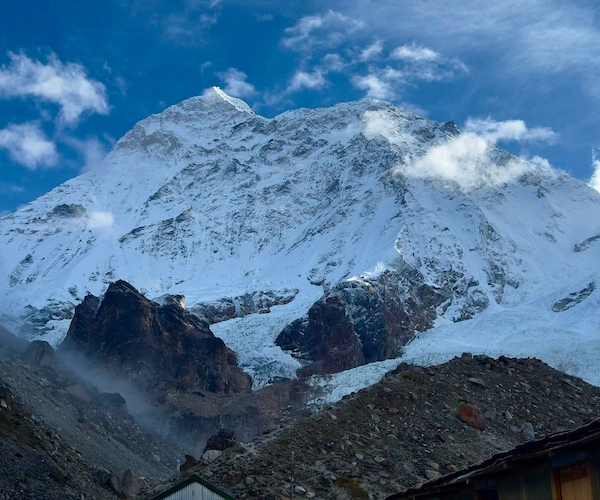
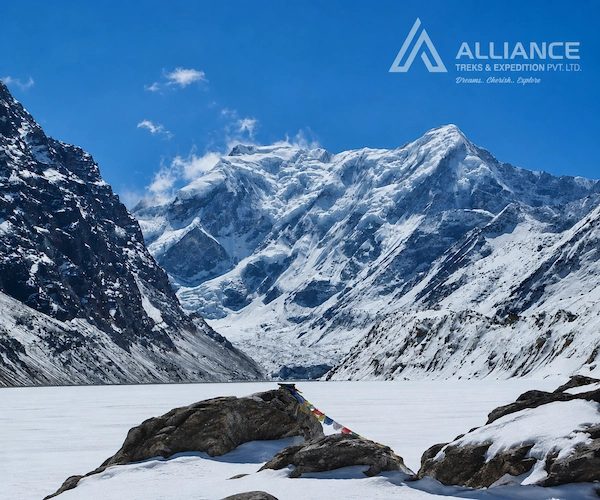
Gurja Himal rises to approximately 7,193 metres and forms part of the wider Dhaulagiri Himalayan region. Its impressive mountain landscape attracts trekkers who want to explore less-visited parts of Nepal.
Unlike busy trekking destinations, the area offers a quieter setting where you can enjoy nature and appreciate the scale of the surrounding mountains. However, reaching the foot of Gurja Himal requires careful route planning, suitable weather, and guidance from people familiar with the local terrain. The side excursion should not be treated as a guaranteed walk to the mountain’s base without a confirmed route assessment.
The Gurja Himal Trek offers more than mountain views. It also introduces you to traditional settlements and the everyday life of people living in western Nepal.
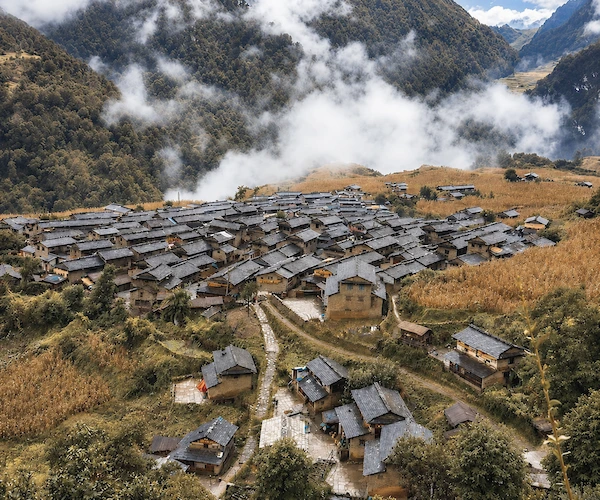
As you walk between villages, you may see terraced farms, traditional houses, grazing areas, and local trails used by residents. These experiences provide a closer look at rural life and the relationship between local communities and their mountain environment.
Depending on the route and available accommodation, you may stay in basic village lodges or homestays and experience local hospitality. In more remote sections, however, camping may be necessary because established teahouses are limited.
Furthermore, travelling with a local guide can improve communication with villagers and help you understand local customs. By choosing responsible trekking practices, you can also support local services and contribute to sustainable tourism in western Nepal.
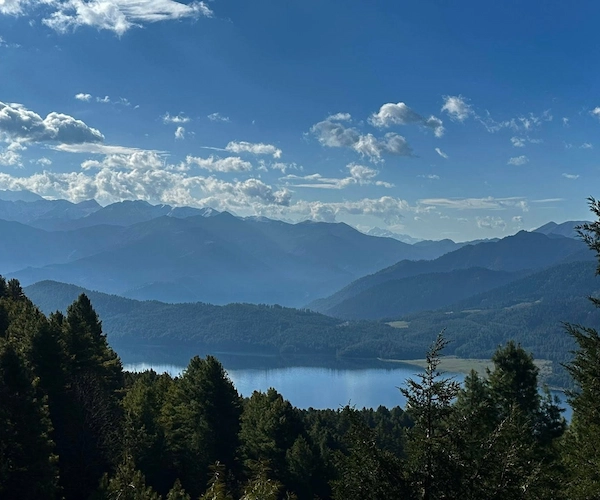
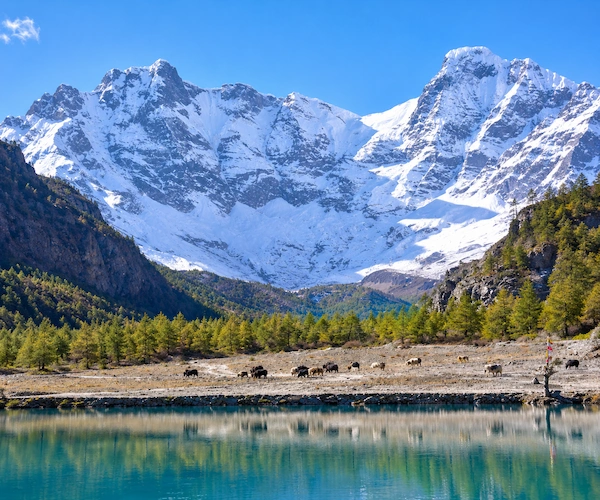
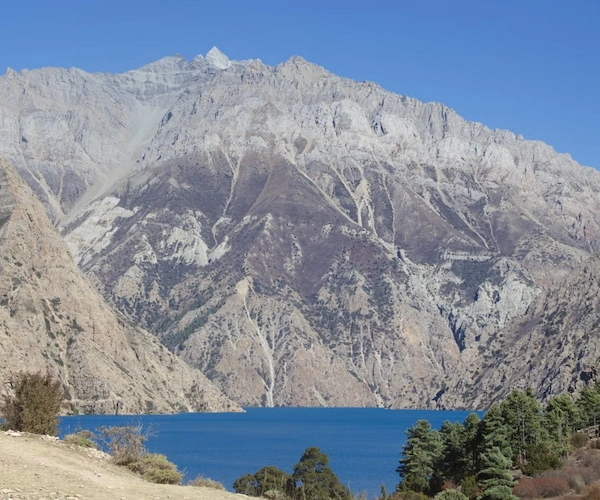
The Gurja Himal Trek takes you through a changing range of landscapes, from forested hills and green valleys to open mountain ridges and high-altitude terrain.
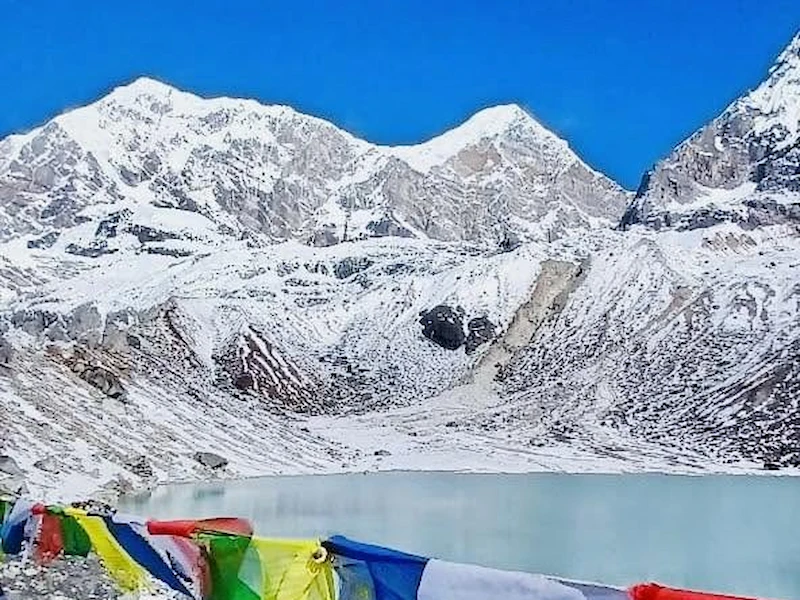
Along the route, you may enjoy views of Gurja Himal and other peaks of the wider Dhaulagiri region, depending on the location and weather. The higher viewpoints and mountain passes can provide especially rewarding scenery on clear days.
In spring, lower sections may feature blooming rhododendrons and fresh green forests. During autumn, clear skies often provide good conditions for mountain views. However, visibility and trail conditions vary with the weather and season.
The region also offers opportunities for landscape photography, birdwatching, and observing local plants and wildlife. Therefore, this trek suits travellers who enjoy nature, quiet trails, and exploration beyond Nepal’s busiest trekking routes.
Spring and autumn are generally the most suitable seasons for trekking in the Gurja Himal and Dhorpatan region.
Spring (March to May): Lower forests become greener, and rhododendrons may bloom. However, snow and cold conditions can remain on higher passes, particularly in early spring.
Autumn (September to November): This season often provides clear mountain views and favourable walking conditions. Nevertheless, temperatures can fall considerably at higher elevations, especially at night.
Winter (December to February): Heavy snow, cold temperatures, and strong winds can make high passes difficult or unsafe.
Monsoon (June to August): Rain, slippery trails, leeches, landslides, and poor mountain visibility can affect the journey.
Before booking, consult an experienced local trekking operator about current snow conditions, pass accessibility, camping locations, and weather forecasts.
The Gurja Himal Trek is best suited to experienced and physically fit trekkers who are comfortable walking for several hours a day over uneven mountain terrain.
The route includes long ascents and descents, remote trails, high mountain passes, and sections where accommodation and transport services are limited. In addition, some days may require camping and carrying equipment or walking with the support of a trekking crew.
Previous experience with multi-day trekking is strongly recommended. Trekkers should also prepare through regular walking, hill training, and cardiovascular exercise before departure.
Although the route does not require technical climbing on the standard trekking sections, snow, poor visibility, and difficult trail conditions can increase the challenge. Therefore, the itinerary should remain flexible and allow changes when safety requires them.
Accommodation varies along the Gurja Himal Trek. Some villages may offer basic lodges or homestays, while other sections require tented camping.
Camping allows you to stay closer to nature and explore remote areas where regular accommodation is unavailable. However, the trekking team must select safe campsites with access to suitable water sources and protection from strong winds where possible.
Trekkers should bring appropriate sleeping bags, insulated sleeping mats, warm clothing, and other essential equipment. The required sleeping bag rating depends on the season, campsite altitude, and expected overnight temperatures.
Your trekking operator should confirm the proposed campsites, available facilities, food arrangements, waste management plan, and any required permissions before the trip.
The Gurja Himal region offers an opportunity to support responsible tourism in less-visited mountain communities.
Trekkers can help protect the environment by carrying out their waste, avoiding single-use plastics, respecting local customs, and following guidance on wildlife conservation. Similarly, using local guides and services can create opportunities for people living along the trekking route.
At Alliance Treks & Expedition, we encourage travellers to respect local culture, protect mountain landscapes, and support communities through responsible travel.
By travelling thoughtfully, you can enjoy the beauty of the Gurja Himal region while helping preserve its natural and cultural heritage for future generations.
Alliance Treks & Expedition offers local knowledge and trekking experience to help travellers explore Nepal’s mountain regions with care and preparation.
For a remote trek such as Gurja Himal, we can help plan the route, arrange an experienced local guide, coordinate accommodation and camping, and organise transport between the trailhead and the road network.
We also understand that each trekking group has different interests, fitness levels, and expectations. Therefore, we can discuss your preferred walking pace, camping requirements, cultural interests, and available time before preparing a suitable itinerary.
Contact our team to discuss your travel dates, trekking experience, group size, and preferred services. Alliance Treks & Expedition (P.) Ltd provides you 24/7 responses providing details information by email [email protected] or WhatsApp:-+977-9851022814 of Gurja Himal Trek or even very much alternative trekking like Annapurna Circuit Trek, Annapurna Base Camp Trek, Ruby Valley Trek, Trek to Everest Base Camp as well as Manaslu Circuit Trek too.
The Gurja Himal Trek lies in western Nepal, in the wider Dhaulagiri region. The route described here connects Baglung, Dhorpatan, Gurja Khani, and the surrounding mountain valleys.
It is a challenging trek that involves long walking days, steep trails, remote terrain, and high mountain passes. Previous trekking experience and good physical fitness are recommended.
Rugachaur Pass is commonly reported at approximately 3,850–3,900 metres. However, the exact elevation and highest point depend on the route followed.
Yes, camping is an important option on remote sections where established lodges are unavailable. Your trekking team should confirm suitable campsites, food supplies, water access, and any required permissions before departure.
Spring and autumn are generally preferred. However, early spring can bring snow to higher passes, while autumn usually offers favourable conditions for mountain views.
The route is better suited to experienced trekkers because of its remoteness, long walking days, and high passes. Beginners should discuss their fitness, previous hiking experience, and support requirements with a qualified trekking operator before booking.
An experienced local guide is strongly recommended because the route passes through remote areas where trail information, accommodation, and transport services may be limited. Your operator should also confirm current permit and guide requirements before departure.
Permit requirements depend on the final route and current regulations. The route may involve entry into Dhorpatan Hunting Reserve, so trekkers should confirm the applicable entry permit, fees, and other requirements with the relevant authorities or their trekking operator before travelling.
Essential items include sturdy trekking boots, layered clothing, a warm down jacket, waterproof outerwear, a suitable sleeping bag, an insulated sleeping mat, a headlamp, a first-aid kit, water purification supplies, and personal trekking equipment. Camping groups should also confirm who will carry tents, cooking equipment, and food supplies.
Plan your Gurja Himal Trek with Alliance Treks & Expedition and experience the remote trails, mountain culture, and remarkable landscapes of western Nepal.
The Gurja Himal Trek via Baglung is graded strenuous to challenging, involving 11 days of sustained trekking, multiple high-pass crossings, and a maximum altitude of 3,900m/12,795ft at Rugachaur Pass. Daily walking hours range from 5 to 10 hours, with limited infrastructure beyond Baglung requiring genuine self-sufficiency and camping capability. This trek suits experienced trekkers with prior multi-day trekking experience and strong overall fitness; it is not recommended for first-time trekkers given the route’s remoteness and limited emergency access.
Alliance Treks & Expedition Pvt. Ltd. Once is not enough for naturally and culturally Himalayas