(Viber, Whatsapp, Cell) +977 9851022814

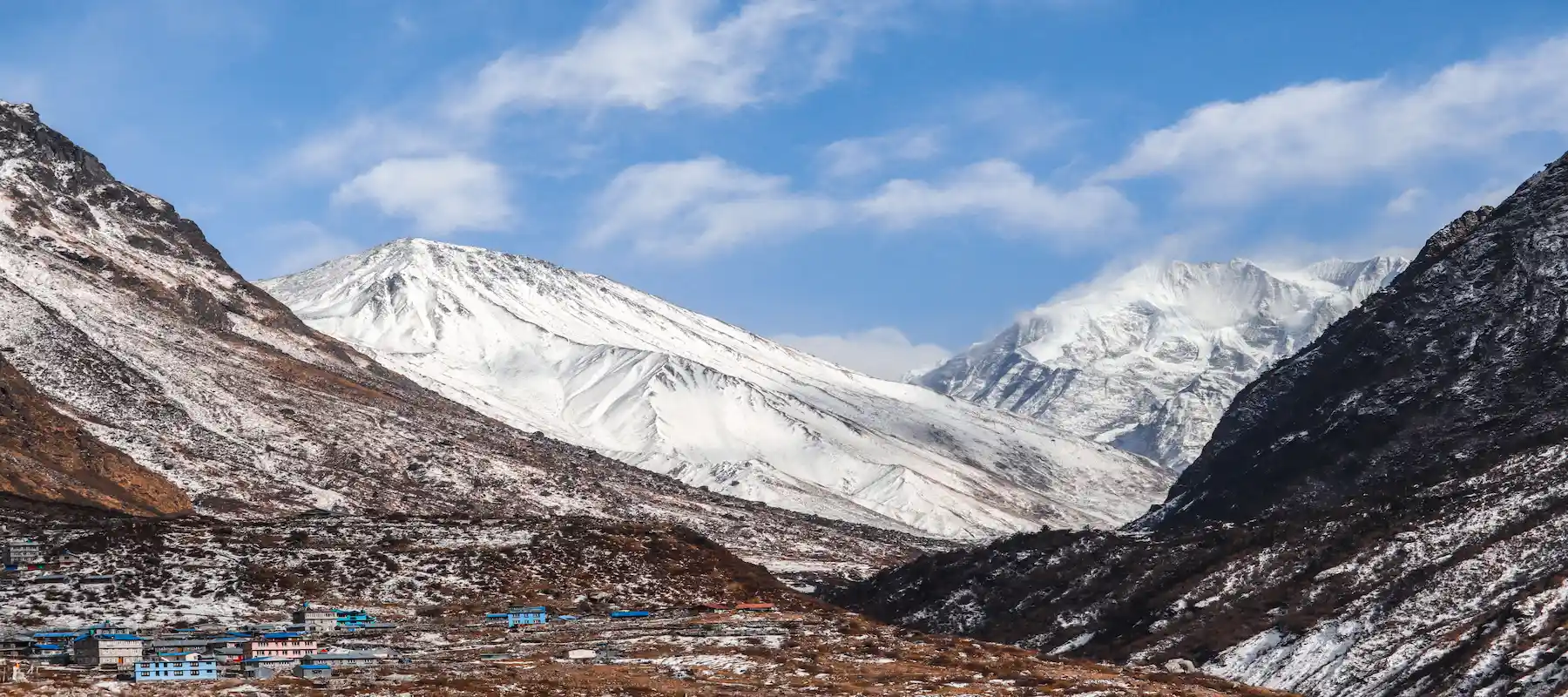
Sitting at Kyanjin Gompa (3,870m), watching Langtang Lirung’s glaciated face catch the last afternoon light while your Tamang guide brews tea on a small stove, you realize something important: the Langtang Valley Trek isn’t just a mountain walk. It’s one of Nepal’s most complete trekking experiences — cultural immersion, dramatic landscapes, and genuine Himalayan adventure, all within a few hours’ drive from Kathmandu.
Unlike Everest Base Camp, which demands weeks of time and serious logistics, or the Annapurna Circuit, which requires crossing remote high passes above 5,000m, Langtang sits in a sweet spot. Eight days. Moderate difficulty. Maximum reward.
But “moderate” doesn’t mean casual. Getting your Langtang Valley Trek packing list wrong creates real problems — blisters on forest trails, cold nights at Kyanjin Gompa, missed acclimatization hikes because you’re too exhausted from carrying an overloaded pack. This guide, built on real trekking experience in Langtang National Park, gives you exactly what you need — nothing more, nothing less.
Before diving into the Langtang Valley Trek packing list, understanding why this trek has unique gear requirements saves you from common mistakes.
Think as a Casual Trek: Many trekkers treat Langtang as a short day hike because it’s close to the capital. It isn’t. You’re ascending from 1,550m at Syabrubesi to 5,033m at Tserko Ri over 8 days. Temperature swings of 20°C between valley floors and high ridges are normal. Preparation matters.
Tea House Trekking Has Specific Gear Implications: Unlike Ruby Valley’s homestays, Langtang uses tea houses — commercial establishments with basic amenities. You have slightly more flexibility, but shared bathrooms, limited hot water, and no central heating above 3,000m remain realities.
Diverse Terrain Requires Versatile Gear: In 8 days, you walk through subtropical forests along the Langtang River, past traditional Tamang villages, through yak pastures, and up to high alpine ridges. Rain, humidity, cold, and intense UV exposure all occur — sometimes on the same day.
Tserko Ri (5,033m) Changes the Gear Equation: Day 5’s optional summit hike reaches over 5,000m. This is genuine high altitude. Proper layering, acclimatization awareness, and altitude preparation matter for this day specifically, even though the rest of the trek stays more moderate.
Post-2015 Earthquake Trail Conditions: Langtang Village was devastated in the 2015 earthquake and has been rebuilt. Some trail sections remain uneven, requiring proper footwear and trekking poles for stability.
Your backpack choice shapes your entire 8-day experience on the Langtang Valley Trek.
Main trekking pack: 40–50 liters. Eight days of tea house trekking requires enough space for sleeping gear, clothing layers, and personal items. Many trekkers hire a porter ($20/day, included in package options) to carry the main pack, dramatically improving daily comfort. This is genuinely recommended — carrying 12kg through 21km descent days like Day 6 wears you down unnecessarily.
Day pack: 20–25 liters. This goes on your back every single trekking day. Water, snacks, camera, layers, medications, and documents travel here. Comfort and fit matter more than brand.
Protective accessories:
Langtang’s elevation range from 1,550m (Syabrubesi) to 5,033m (Tserko Ri) creates genuinely different climate conditions. Your Langtang Valley Trek packing list clothing system must flex across all three.
Base Layers
| Item | Quantity | Purpose |
| Merino Wool Base Layer Shirts | 2–3 | Daily trekking; temperature regulation across elevation changes |
| Merino Wool Long Sleeves | 1–2 | UV protection on open ridge sections |
| Merino Wool Socks | 5–6 pairs | Blister prevention on forest and alpine trails |
| Thermal Underwear | 2 pairs | Essential for Kyanjin Gompa nights (3,870m) |
| Quick-Dry Underwear | 3–4 pairs | Tea house laundry opportunities exist but are limited |
Mid Layers
| Item | Quantity | Temperature Range |
| Lightweight Fleece Jacket | 1 | Down to 5°C; likely used every morning |
| Down Jacket or Vest | 1 | Essential above 3,500m; Kyanjin Gompa evenings are cold |
| Wool Sweater | 1 optional | Comfortable tea house evenings |
Outer Shell Layer
| Item | Quantity | Purpose |
| Waterproof Breathable Jacket | 1 | Mandatory — forest sections near Lama Hotel catch heavy rain |
| Lightweight Waterproof Pants | 1 | Full protection during wet descents |
Head and Face Protection
| Item | Why It Matters | Key Consideration |
| Waterproof Hiking Boots | Langtang River trail is frequently wet; ankle support critical on uneven post-earthquake trail sections | Break in thoroughly before arrival — 2 practice hikes minimum |
| Lightweight Camp Shoes or Sandals | Tea house evenings; foot recovery after long descent days | Day 6’s 21km descent is brutal on feet without relief footwear |
| Waterproof Gaiters | Forest sections and stream crossings create muddy conditions | Particularly valuable in spring and early autumn |
| Blister Prevention Kit | 8-day duration with significant elevation change creates blister risk | Leukotape, moleskin, and merino socks work together |
Specific Recommendation: Medium-weight waterproof hiking boots (800–1,000g per pair) are ideal. Tserko Ri (5,033m) doesn’t demand mountaineering boots, but ankle support and waterproofing are non-negotiable.
Langtang tea houses above 3,000m have no central heating. Kyanjin Gompa nights regularly drop below freezing in spring and autumn.
| Item | Specification | Why It Matters |
| Sleeping Bag | −10°C rated | Kyanjin Gompa (3,870m) nights are genuinely cold; don’t compromise here |
| Sleeping Bag Liner | Fleece preferred | Adds 3–5°C warmth; improves hygiene in shared tea house bedding |
| Earplugs | Basic foam | Tea house walls are thin; neighboring trekkers’ schedules differ from yours |
Reality Check: Tea houses provide blankets, but their thickness and cleanliness vary enormously. Your own sleeping bag is the single most important comfort investment for Langtang. A quality −10°C synthetic bag ($150–200) transforms cold Kyanjin Gompa nights from miserable to comfortable.
Day 5’s acclimatization hike to Kyanjin Ri or Tserko Ri is the trek’s most demanding and most rewarding day. Specific preparation makes the difference between a triumphant summit and an exhausted turnaround.
| Item | Purpose |
| All insulation layers | Temperatures at 5,033m can be 15°C colder than Kyanjin Gompa |
| Warm gloves | Exposed ridge sections create significant wind chill |
| High-calorie snacks | 6–7 hour round trip demands sustained energy |
| Headlamp | Early start recommended for best weather window |
| Trekking poles | Steep scree sections require balance assistance |
| Sunscreen SPF 50+ | UV intensity at 5,000m is extreme; glacier reflection amplifies exposure |
Real Talk: Tserko Ri’s 5,033m elevation is genuine high altitude. Some trekkers experience mild altitude symptoms on this day — headaches, reduced energy. Proper acclimatization on Days 3–4 (staying at Langtang Village and Kyanjin Gompa), staying hydrated, and ascending slowly make this summit day achievable for most fit trekkers.
Langtang tea houses have basic bathrooms. Village medical facilities are essentially nonexistent above Syabrubesi.
Daily Hygiene
| Item | Purpose |
| Biodegradable Soap and Shampoo | Respects Langtang National Park water systems |
| Toothbrush and Travel Toothpaste | Basic village supplies unavailable above Syabrubesi |
| Sunscreen SPF 50+ | Mandatory — altitude UV exposure causes rapid sunburn |
| Lip Balm with SPF | Dry mountain air and wind cause painful chapping |
| Hand Sanitizer | Before all meals; especially important after wildlife trail sections |
| Wet Wipes | When hot shower access is limited or charged extra |
| Feminine Hygiene Products | Unavailable in Langtang villages |
First Aid Kit
Altitude Medication: Discuss Diamox with your doctor before departure. Langtang’s maximum elevation (5,033m on Tserko Ri) is meaningful altitude. Previous high-altitude experience and personal sensitivity determine whether Diamox is advisable.
| Item | Purpose | Langtang Specific Note |
| Trekking Poles | Knee protection on Day 6’s 21km descent; balance on suspension bridges | Highly recommended — Day 6 descent is the physically hardest day |
| Headlamp with Extra Batteries | Early Tserko Ri starts; tea house power cuts | Lithium batteries perform better in cold Kyanjin Gompa temperatures |
| Power Bank (10,000 mAh) | Tea houses charge NPR 200–300 per device charge | Worth carrying to avoid daily charging fees over 8 days |
| Smartphone with Offline Maps | Mobile coverage is unreliable between Lama Hotel and Kyanjin Gompa | Download Maps.me or Gaia GPS Langtang section before departure |
| Camera | Langtang Lirung views from Kyanjin Gompa are exceptional | Waterproof pouch essential for forest and river trail sections |
| Document | Cost (2026) | Notes |
| Valid Passport | — | Six months validity beyond departure required |
| Nepal Tourist Visa | USD 40–100 | Available on arrival at Tribhuvan International Airport |
| TIMS Card | NPR 2,000 (~USD 15) | Typically arranged by trekking company |
| Langtang National Park Permit | NPR 3,100 (~USD 23) | Required; arranged by operator |
| Travel Insurance | Varies | Must cover helicopter evacuation — non-negotiable for 5,000m altitude |
Money Reality: Withdraw Nepali Rupees in Kathmandu. No ATMs exist in Langtang Valley. Budget for lunch and dinner separately (approximately USD 11 per lunch, USD 15 per dinner as per package exclusions), plus hot shower fees (NPR 200–300), battery charging fees, and guide/porter tips.
Spring (March–May)
Autumn (September–November)
Winter (December–February)
Mistake #1: Underestimating Day 6’s 21km Descent This is the longest single day of the entire trek. Trekkers who pack inadequate knee support (no poles, worn-out boots) suffer significantly. Trekking poles and proper boots aren’t optional on descent days this long.
Mistake #2: Inadequate Sleeping Bag for Kyanjin Gompa The most common comfort mistake on Langtang. Tea house blankets are inconsistent. A proper −10°C sleeping bag costs $150–200 and transforms the highest nights from miserable to comfortable. Don’t borrow a cheap bag.
Mistake #3: Forgetting Camp Shoes Eight days of boots without relief footwear creates unnecessary foot fatigue. Lightweight sandals or camp shoes weigh 300g and make tea house evenings genuinely comfortable.
Mistake #4: No Offline Maps Downloaded Mobile signal disappears between Lama Hotel and Kyanjin Gompa. Trekkers who rely on live Google Maps find themselves navigationally confused. Download offline maps before leaving Kathmandu — it takes five minutes and matters on the trail.
Mistake #5: Insufficient Sun Protection for Tserko Ri The 5,033m summit day generates UV exposure that causes severe sunburn even in cold weather. Trekkers who pack SPF 30 rather than SPF 50+ regret it. Glacier reflection at this altitude is extreme.
Mistake #6: Overpacking Clothing Tea houses offer laundry service. Six to seven clothing items over 8 days is sufficient. Trekkers who pack 15 items carry unnecessary weight on every single climbing day.
Mistake #7: Not Testing Boots Beforehand Syabrubesi is not the place to discover your new boots cause blisters. Two practice hikes at home before the trek identifies problems when you can still solve them.
Yes, with proper preparation. Moderate fitness, broken-in boots, and this packing list make it accessible. Day 5’s Tserko Ri summit is optional and can be skipped.
The package includes free use of sleeping bags, down jackets, and trekking bags if required. However, carrying your own −10°C bag ensures comfort and hygiene at higher elevations.
March–May (spring) and September–November (autumn) offer the best conditions. Spring brings rhododendron blooms; autumn offers crystal-clear mountain views.
Yes, especially on Tserko Ri day (5,033m). Proper acclimatization on Days 3–4 at Langtang Village and Kyanjin Gompa, combined with slow ascent and good hydration, significantly reduces risk.
Some tea houses offer WiFi for a fee (NPR 200–500), but connectivity is slow and unreliable. Don’t plan around internet access above Syabrubesi.
Standing on Tserko Ri at 5,033m, watching sunrise illuminate Langtang Lirung’s north face while the entire Langtang Valley falls away beneath you, you understand why this is called Nepal’s best trek near Kathmandu. Not because it’s close — but because it delivers everything a Himalayan trek should: dramatic mountain scenery, genuine cultural encounters with Tamang communities, diverse trail environments, and that particular satisfaction that comes from reaching real altitude under your own effort.
Your Langtang Valley Trek packing list is the foundation of this experience. The right sleeping bag means you sleep soundly at Kyanjin Gompa. The right boots mean Day 6’s long descent doesn’t break you. Trekking poles mean your knees still work on Day 7. Offline maps mean you navigate confidently when mobile signal disappears.
Pack thoughtfully, test everything at home, and arrive in Syabrubesi knowing your gear supports rather than fights you. The mountains will handle the rest.
Alliance Treks & Expedition Pvt. Ltd. Once is not enough for naturally and culturally Himalayas