(Viber, Whatsapp, Cell) +977 9851022814

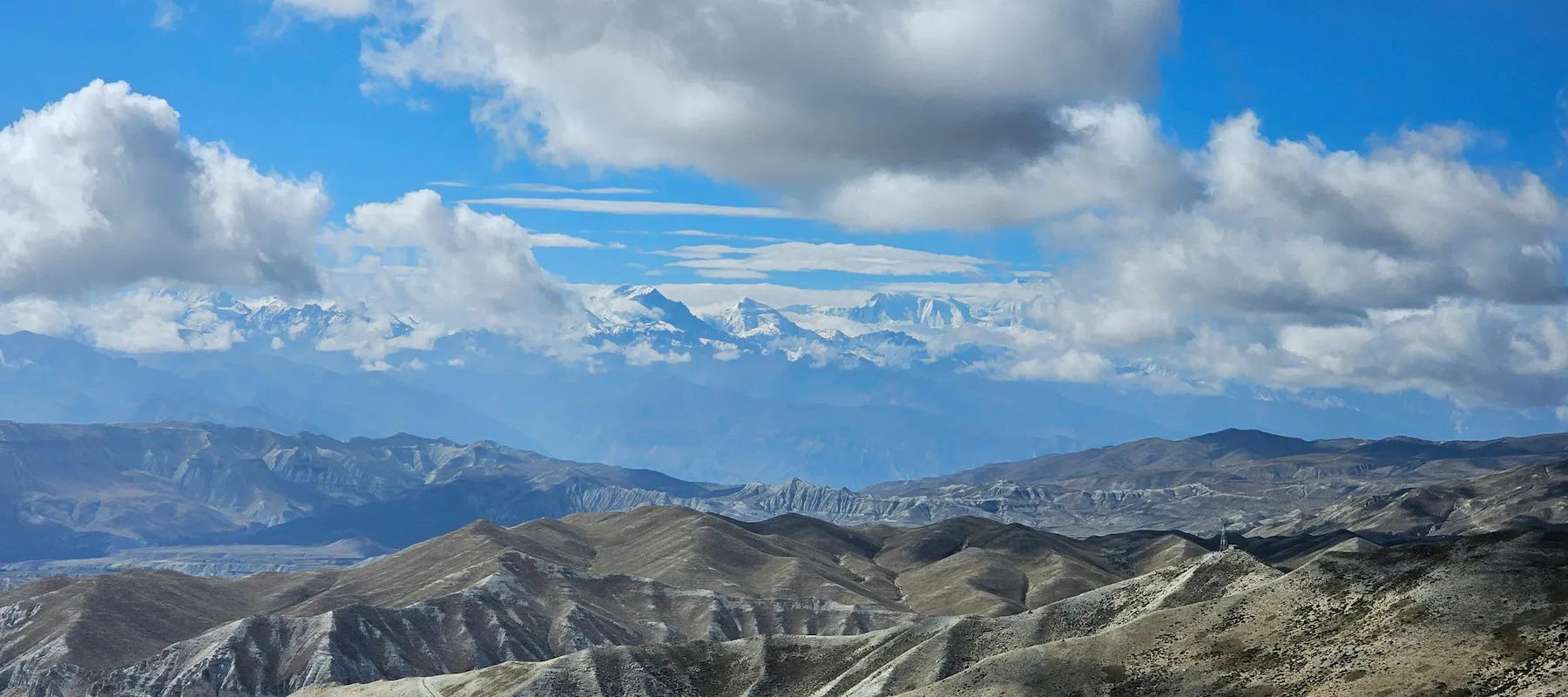
Standing at Lo Manthang (3,840m), the ancient capital of the forbidden kingdom, you’re surrounded by whitewashed Tibetan buildings, prayer flags fluttering in the relentless mountain wind, and a landscape so stark and colorful it seems painted by hand. The Upper Mustang Trek is one of Nepal’s most exclusive 15-day journeys—a trek through isolated villages, deep canyons, and high desert terrain that demands a completely different packing strategy than Nepal’s other famous trails.
But here’s what most trekkers get wrong: they pack for a typical Himalayan trek. Upper Mustang isn’t about snow and rain. It’s about dust storms, extreme UV radiation, dehydration, and relentless wind. Each year, underprepared trekkers arrive with inadequate sun protection, insufficient wind-resistant gear, and water purification systems that won’t cut it in this arid environment. These aren’t just discomforts—at high altitude with extreme conditions, they become genuine health threats.
If you’re planning the Upper Mustang Trek in 2026, this Upper Mustang Trek Packing List guide is your essential companion. Built on field experience and knowledge from seasoned trekkers who’ve navigated these Tibetan plateaus, this packing list provides practical, location-specific recommendations that will keep you safe, comfortable, and genuinely prepared.
Let’s gear up for the kingdom beyond the hills.
The Upper Mustang Trek isn’t just another high-altitude adventure. It’s a trek through one of Earth’s most extreme arid environments—a trans-Himalayan rain shadow where weather can shift from blazing sun to howling windstorm within minutes.
Unlike other Nepal treks, Upper Mustang presents unique environmental challenges:
Extreme Aridity and UV Exposure: Located in a rain shadow zone created by the Dhaulagiri and Annapurna ranges, Upper Mustang receives minimal rainfall. This means intense, unfiltered UV radiation that can cause sunburn at unprecedented speeds—far faster than sea level, even faster than other high-altitude areas. The sun reflects intensely off the pale rock and sand, doubling the exposure.
Relentless High-Altitude Wind: The Upper Mustang valley funnels powerful winds down from the north, creating conditions where wind chill can make temperatures feel 10-15°C colder than the actual reading. This wind is constant—not occasional gusts, but sustained pressure that can exhaust you if you’re not properly protected.
Temperature Extremes Between Seasons: Daytime temperatures in lower areas like Jomsom range between 10-15°C, while night temperatures fall below 0°C to -5°C. At higher elevations like Syangbochem (3,800m), daytime temperatures range from 5-12°C with nighttime drops to -8°C to -2°C. In winter, day temperatures plunge around -10°C with nighttime readings around -20°C. You’re carrying gear for two completely different climates.
Moderate Altitude but Long, Demanding Days: While trekking stays mostly below 4,000m, the trail demands walking for up to 7 hours maximum each day, and most days last between 4 and 7 hours with some longer days near Lo Manthang. Combined with rocky, uneven, dry, and windy paths, this creates cumulative fatigue that proper gear can significantly alleviate.
Dust and Sand Intrusion: Unlike other treks where rain is a primary concern, Upper Mustang trekkers face persistent dust and sand that infiltrates gear, electronics, and respiratory systems. Dust storms are common in the arid climate, requiring gear to protect eyes, face, and electronics.
The bottom line: You need specialized packing for extreme sun, powerful wind, dramatic temperature swings, and an arid environment. Get this right, and you’ll have a transformative experience. Get it wrong, and you’ll be miserable.
Your backpack is the foundation of everything.
Main trekking pack: 45-60 liters. On the Upper Mustang, most trekkers hire a porter to carry this, giving you a lighter daily experience on this demanding trek.
Day pack: 20-30 liters. You’ll carry this yourself, holding water, sun protection, electronics, snacks, and a wind layer. Given the arid conditions, this pack will likely be heavier on water than other treks.
Protective accessories:
The Upper Mustang’s layering system is fundamentally different from snow-heavy treks. Here, you’re managing sun exposure, wind protection, and temperature swings—not battling precipitation.
Base Layers (Moisture-wicking, never cotton)
Mid Layers (Warmth without bulk)
Outer/Shell Layer (Wind and dust protection)
Head and Face Protection (Critical for sun and wind)
Your feet will traverse 100+ kilometers of rocky, uneven canyon trails and sandy paths. Proper footwear isn’t optional.
| Footwear Item | Why It Matters for Upper Mustang |
|---|---|
| Waterproof Trekking Boots | Upper Mustang trails are often dusty, rocky, and uneven. Waterproof trekking boots help keep sand out, protect feet during occasional stream crossings, and provide essential ankle support to reduce the risk of injuries. Make sure they are fully broken in before your trek. |
| Camp Shoes / Lightweight Sandals | Crocs, sandals, or other lightweight camp footwear offer welcome relief after long days of hiking. They are especially useful in teahouse villages where trekkers typically remove their boots and relax after the day’s walk. |
| Trekking Gaiters | Upper Mustang’s desert-like environment often includes sandy and rocky trails. Trekking gaiters help prevent sand, dust, and small stones from entering your boots, improving comfort and reducing irritation throughout the trek. |
| Blister Prevention | Quality merino wool socks help reduce friction and manage moisture, lowering the chance of blisters. Carry blister treatment essentials such as moleskin, Compeed patches, or similar products for quick relief if hotspots develop. |
Teahouses provide basic accommodation, but bring your own sleep system for comfort and hygiene.
The Upper Mustang has virtually no mobile network coverage. Electronics and navigation tools aren’t luxuries—they’re safety systems.
The arid climate of Upper Mustang creates severe dehydration risk. Proper hydration and nutrition systems are vital.
Water and Purification
Nutrition and Snacks Teahouses serve meals, but supplementing with your own snacks is smart—especially on long days between villages when teahouses are hours apart.
You are 8-12 hours from the nearest medical facility. This kit can save your life.
Essential Medications and Treatments
Wound and Blister Care
Sun and Skin Protection
Monitoring and Assessment
The Upper Mustang is a restricted trekking area. Missing even one document results in being turned back at checkpoints—and there are multiple verification points along the route.
Required Documents for 2026
Document Management Strategy
Teahouses offer basic water, but showers are infrequent or extremely cold. Prepare accordingly.
Given Upper Mustang’s deep Tibetan cultural significance, bring items to enhance cultural engagement:
Underpacking sun protection: Trekkers often bring one sunscreen bottle. One. At high altitude in arid conditions, you’ll need significantly more. The arid climate and intense UV radiation at altitude require proper sun protection. Bring 2-3 bottles minimum. Burnt skin at altitude doesn’t just hurt—it interferes with acclimatization and creates infection risk.
Ignoring the wind: Many trekkers pack rain jackets but forget windproof layers. Wind is the primary environmental factor here, not rain. A quality windproof jacket is more important than a rain jacket in Upper Mustang.
Bringing cotton clothing: Cotton absorbs water and loses all insulating properties when damp. At altitude, this creates hypothermia risk. Don’t bring cotton—period.
Insufficient dust protection: Dust storms are real. Goggles or high-quality sunglasses with side protection prevent sand infiltration into eyes. A dust mask protects your lungs and sinuses during storms.
Inadequate water capacity: The arid landscape means long stretches between water sources. Carrying less than 2 liters of water capacity is a mistake. You’ll drink more than you expect.
Skipping the satellite communicator: Mobile coverage on this trail is essentially nonexistent. A Garmin inReach or similar device isn’t a luxury—it’s a genuine safety tool. In case of emergency, this device might save your life.
Forgetting permit documents: Real and regular checkpoints monitor the restricted area. Missing documents means immediate turnaround—nothing you can say or do will change this policy.
Packing “just in case” items: Worry about losing weight leads trekkers to overpack. Follow the list. Every ounce on the trail is an ounce lost to fatigue. Essential items can be purchased in Kathmandu.
Underestimating night temperatures: Winter temperatures drop to -20°C at night. A light sleeping bag is inadequate. This isn’t a mistake you can fix once you’re there.
Ignoring the importance of a licensed guide: Upper Mustang requires a licensed guide for a reason. The terrain is isolated and potentially dangerous. Your guide is both a safety tool and a cultural interpreter. Don’t skimp on guide quality.
A main trekking pack of 45–60 liters carried by a porter, plus a 20–30 liter day pack that you carry yourself, is ideal. The day pack is typically larger than on many other Nepal treks because you will need to carry additional water in Upper Mustang’s dry, arid environment.
Crampons are generally only necessary for winter treks between December and February when higher passes may be covered in snow and ice. For spring (March–May) and autumn (September–November) departures, trekking gaiters are usually sufficient.
Yes. Kathmandu offers a wide range of trekking shops that rent equipment. However, quality can vary considerably. For essential items such as sleeping bags, trekking boots, and insulated jackets, bringing your own gear is often the safest and most reliable option.
Absolutely. Teahouse blankets are often not warm enough for cold nights at higher elevations. A sleeping bag rated to at least -10°C, and preferably -15°C, is strongly recommended for both comfort and safety.
The permit currently costs USD 100 per week for foreign nationals during the peak trekking season (September–November), plus USD 15 for each additional day. During the off-season (December–August), the fee is USD 75 per week plus USD 10 per additional day. Permit fees may change, so it is always wise to confirm current rates with your trekking company.
At a minimum, carry two liters of water or refillable bottles, sunscreen, a sun hat, sunglasses, snacks, a rain layer, a warm layer, a headlamp, a camera, and any personal medications. Because water sources are limited and conditions are dry, your day pack may be heavier than on other trekking routes.
Altitude sickness is generally less common on the Upper Mustang Trek because most trekking days remain below 4,000 meters. Nevertheless, proper acclimatization, adequate hydration, and a gradual ascent remain important for a safe and enjoyable experience.
Spring (March–May) and autumn (September–November) are widely considered the best seasons. Spring offers comfortable daytime temperatures averaging between 16°C and 22°C, while autumn provides clear skies and stable weather. Winter can be extremely cold, and summer may experience occasional monsoon spillover.
Yes. Upper Mustang is a restricted area, and trekking independently is not permitted. You must be accompanied by a licensed guide who helps with navigation, safety, permit compliance, and respectful interaction with local communities.
Although altitude-related problems are less common on this route, symptoms should never be ignored. If you experience headaches, dizziness, nausea, or unusual fatigue, stop ascending, rest, and inform your guide immediately. If symptoms worsen, descend to a lower altitude and seek medical assistance as needed.
The Upper Mustang Trek is more than a high-altitude adventure; it’s an immersion into a kingdom that’s remained largely unchanged for centuries. The whitewashed villages, ancient monasteries, prayer-flag-draped peaks, and Tibetan culture create a transformative experience that few trekkers ever forget.
But that transformation depends on preparation. Packing well isn’t about buying the most expensive gear—it’s about getting the right equipment, carried properly, and tested beforehand. A $40 merino wool shirt matters more than a $300 jacket you haven’t worn. A simple sunscreen reapplication schedule matters more than any single item.
Take this list as your foundation. Adjust it for your body, your budget, and your experience level. Discuss specific conditions and seasonal variations with your trekking company. Test your gear before departure—especially your boots, sleeping system, and sun protection routine.
Then, when you stand at Lo Manthang watching sunset paint the desert cliffs in impossible colors, when prayer flags snap in the mountain wind above ancient chortens, when local children greet you with genuine curiosity in remote villages—you’ll know that every item you carefully selected was worth it.
The Upper Mustang doesn’t forgive the unprepared. But for those who arrive genuinely ready, it offers rewards that transcend the physical journey.
Welcome to the kingdom beyond the hills.
Alliance Treks & Expedition Pvt. Ltd. Once is not enough for naturally and culturally Himalayas