(Viber, Whatsapp, Cell) +977 9851022814

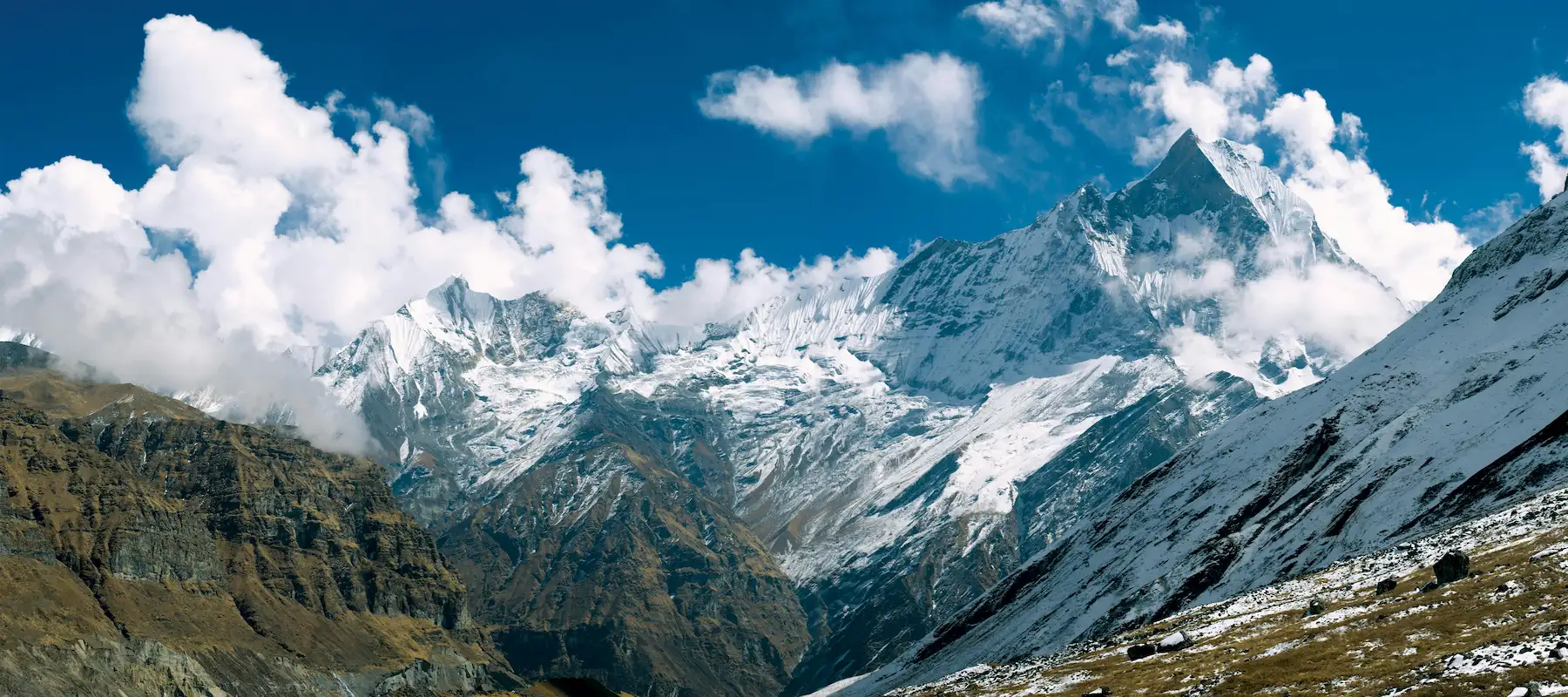
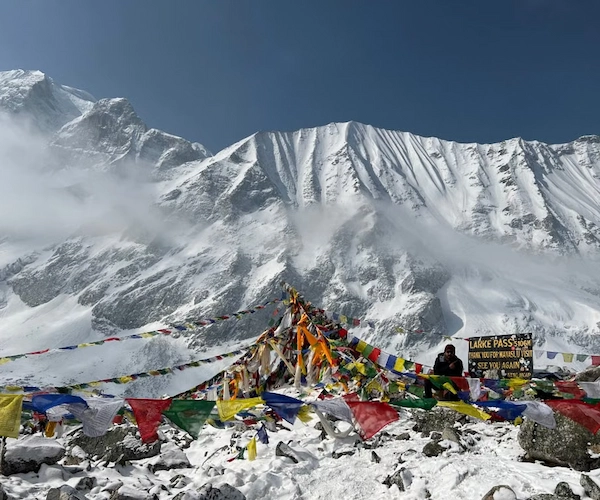
Standing at Thorong La Pass (5,416m), surrounded by the towering Annapurna massif on every side, you’re at the highest point of the Annapurna Circuit Trek—one of Nepal’s most iconic and rewarding 10-day journeys. The view before you stretches across snow-capped peaks, and below the pass lies the diverse landscape you’ve trekked through: lush rhododendron forests, high alpine deserts, ancient Tibetan villages, and deep river valleys.
The Annapurna Circuit Trek is moderately challenging due to its altitude, extreme weather variability, and the legendary Thorong La Pass crossing. But here’s what most trekkers get wrong: they arrive unprepared for the dramatic temperature swings and unpredictable conditions.
One day, you’re hiking through a warm, humid jungle at 1,000m wearing t-shirts. Three days later, you’re facing -20°C temperatures, icy trails, and snowstorms at the pass. Every year, underprepared trekkers suffer through inadequate layering systems, insufficient high-altitude gear, and missing crampons that are essential for the pass crossing. These aren’t minor inconveniences—at 5,416m with extreme cold and icy conditions, they become genuine safety threats, which is why this complete guide for Annapurna Circuit Trek Packing List will help for your safety.
If you’re planning the Annapurna Circuit Trek in 2026, this guide is your essential companion. Built on field experience from the diverse seasons and knowledge from trekkers who’ve successfully navigated both the spring blooms and autumn clarity, this packing list provides practical, comprehensive recommendations that will keep you safe, comfortable, and genuinely prepared for one of the Himalayas’ greatest adventures.
Let’s gear up for the circuit around the Annapurna massif.
The Annapurna Circuit Trek isn’t a single climate experience—it’s a complete spectrum of Himalayan conditions compressed into 12-21 days. You’ll experience more weather variation than most trekkers face on other Nepal treks, which is both thrilling and demanding.
Temperature Extremes Across Elevation Zones: Lower elevations around Besisahar (800m) can be warm and humid, requiring lightweight gear. The midrange areas (2,500-3,500m) offer moderate temperatures of 10-20°C, perfect for acclimatization. But above 4,000m—especially at Thorong La Pass—temperatures plummet to -20°C or colder with severe wind chill. You’re not just carrying two climate wardrobes; you’re carrying gear for three completely different worlds.
Unpredictable Weather System: The Annapurna region’s weather is notoriously volatile. Spring (March-May) brings beautiful rhododendron blooms but unpredictable snowfall—even in late March, significant snow can fall. Autumn (September-November) offers the most stable conditions with clear skies, but afternoon storms still occur. Winter is genuinely dangerous with temperatures dropping below -25°C at the pass. The weather can shift from clear blue skies to howling snowstorms within minutes.
The Thorong La Pass Challenge: This 2km stretch with 400-500m elevation gain is the decisive point of the trek. Starting before dawn (often 3-4am), you face icy conditions, high winds, sudden snowstorms, and extreme altitude sickness risk. Many trekkers experience their worst symptoms here. The pass regularly features icy sections requiring crampons for safe passage. One wrong step on an icy slope at 5,400m can be catastrophic.
Altitude Sickness Risk: Unlike Upper Mustang (below 4,000m), the Annapurna Circuit regularly exposes trekkers to serious altitude above 3,000m. Altitude sickness is common and can start at elevations above 2,550m. Symptoms include nausea, headaches, and tiredness that compound the physical challenge. Proper acclimatization and the right gear are essential.
Diverse Terrain and Environmental Hazards: The circuit includes lush river valleys vulnerable to flooding during monsoon, rocky alpine sections, and areas with rockfall danger. Landslides are a genuine concern during and after the monsoon season. The trail changes dramatically based on recent weather—snow, ice, and rain transform straightforward sections into challenging obstacles.
Duration and Stamina Demands: Modern trekking (with road access) takes 14 days, but the classic route takes 21 days. Either way, you’re committing to 5-7 hours of hiking most days, often with significant elevation change. This cumulative fatigue, combined with altitude, makes proper gear selection critical for success.
Get the packing right, and you’ll have one of the world’s greatest trekking experiences. Get it wrong, and you’ll face genuine danger combined with severe discomfort.
Your backpack is the foundation. The Annapurna Circuit’s length and elevation change require thoughtful pack selection.
Main trekking pack: 50-65 liters. Most trekkers hire a porter to carry this, which significantly enhances your daily experience on this challenging, extended trek.
Day pack: 20-30 liters. You’ll carry this yourself, holding water, snacks, layers, electronics, and your high-altitude medication. The circuit’s long daily hiking distances mean this pack will be used heavily.
Protective accessories:
The Annapurna Circuit demands a sophisticated layering system accommodating three completely different environments. This is the most critical packing decision.
Base Layers (Moisture-wicking, never cotton)
Mid Layers (Temperature control and insulation)
Outer/Shell Layer (Wind and water protection)
Head and Face Protection (Critical for extreme conditions)
Your feet will trek 120-180+ kilometers across lush forests, rocky alpine terrain, and potentially icy passes. Proper footwear is non-negotiable.
| Footwear Item | Why It Matters for Annapurna Circuit |
|---|---|
| Waterproof Trekking Boots | The Annapurna Circuit passes through a wide range of environments, from humid lower valleys to snowy high-altitude terrain. Waterproof trekking boots keep feet dry in changing conditions, while strong ankle support helps prevent injuries on rocky trails and during the Thorong La Pass crossing. Thoroughly break in your boots before the trek. |
| Gaiters | Gaiters are highly recommended for both rocky and snowy sections of the route. They prevent stones, mud, snow, and water from entering your boots, which becomes particularly valuable on higher sections approaching Thorong La Pass. |
| Crampons or Microspikes | Often considered essential for safely crossing Thorong La Pass when icy conditions are present. Early-morning crossings frequently encounter frozen sections where additional traction improves safety and stability. Many trekkers choose to rent crampons or microspikes in Kathmandu or at Thorong Phedi. |
| Camp Shoes / Sandals | Lightweight sandals or Crocs provide welcome comfort after long days of trekking. They are ideal for relaxing around teahouses and giving your feet a break from heavy trekking boots. |
| Blister Prevention Kit | Merino wool socks help reduce friction and manage moisture, lowering the risk of blisters. Carry blister-care essentials such as moleskin, Compeed patches, or similar treatments to address hotspots before they become serious problems. |
Teahouses provide accommodation, but bring your own sleep system for comfort, hygiene, and warmth assurance.
Weather variability and remote sections require reliable navigation and communication tools.
The Annapurna Circuit’s length and elevation changes demand excellent nutrition and hydration strategy.
Water and Purification
Nutrition and Snacks Teahouses serve meals, but supplementing with personal snacks is smart, especially on long days between villages.
You are hours to a full day from the nearest medical facility. This kit can prevent minor issues from becoming serious.
Essential Medications and Altitude Treatment
Wound and Blister Care
Sun and Skin Protection
Monitoring and Assessment
Missing permits results in immediate turnaround. The Annapurna Circuit requires conservation area permits.
Required Documents for 2026
Document Management Strategy
Showers are infrequent and often ice-cold. Prepare for basic hygiene conditions.
This demanding section requires specific preparation:
Spring (March-May) Specific Items:
Autumn (September-November) Specific Items:
Winter (December-February) Essential Additions:
Underestimating temperature swings: Trekkers often pack as if the circuit has consistent conditions. Wrong. The 4,400m elevation change creates dramatic temperature variation requiring sophisticated layering. Pack for all three climate zones.
Forgetting or underestimating crampons: Many trekkers skip crampons, thinking they won’t need them. The Thorong La Pass regularly features icy sections—crampons aren’t optional equipment. Rent if necessary, but don’t skip this.
Insufficient high-altitude gear: Some trekkers bring a light down jacket, thinking it will be enough. At -20°C, light down is insufficient. Bring a serious 700+ fill-power down jacket rated to -15°C minimum.
Bringing cotton clothing: Cotton loses all insulation when damp. At altitude with temperature swings and potential snow, this creates hypothermia risk. Don’t bring cotton—period.
Overpacking “just in case”: Every gram matters at 5,416m. Follow the list. Essential items can be purchased in Kathmandu or Pokhara. Overpacking turns a challenging trek into a miserable one.
Inadequate water capacity: The circuit’s length means long stretches between reliable water sources. Carrying less than 2 liters of capacity is a mistake. You’ll need more water than other treks due to altitude and exertion.
Skipping altitude sickness medication: Diamox is inexpensive and can be genuinely helpful. Consult your doctor; don’t assume you won’t need it. Altitude sickness above 3,000m is common on the Annapurna Circuit.
Missing essential permits: Checkpoints verify ACAP and TIMS cards. Missing documentation means immediate turnaround—nothing you say or do will change this.
Ignoring weather forecasts: Check seasonal weather patterns before packing. Spring brings different challenges than autumn. Pack accordingly for your specific trekking season.
Underestimating the pass crossing difficulty: Many trekkers treat Thorong La like another day. It’s not. It’s a high-altitude mountaineering section requiring serious preparation, early starts, and mental toughness. Pack and prepare accordingly.
A main trekking pack of 50–65 liters carried by a porter, combined with a 20–30 liter day pack that you carry yourself, is generally ideal. Because the Annapurna Circuit is longer than many other popular treks in Nepal, trekkers usually need additional space for clothing, cold-weather gear, and personal items.
Yes. Thorong La Pass frequently features icy and snow-covered sections, particularly during early morning crossings. Crampons or microspikes provide essential traction and can significantly improve safety. Many trekkers rent them in Kathmandu, Pokhara, or at Thorong Phedi before crossing the pass.
Yes. Both Kathmandu and Pokhara offer numerous trekking shops that rent equipment. However, rental quality can vary considerably, so inspect all gear carefully before committing. For critical items such as high-quality sleeping bags and insulated down jackets, bringing your own equipment often provides greater reliability and comfort.
Absolutely. Nighttime temperatures at higher elevations along the Annapurna Circuit can fall well below freezing, particularly near Thorong Phedi and Thorong La Pass. A sleeping bag rated to at least -15°C, and ideally -20°C, is strongly recommended for warmth, safety, and comfortable sleep.
The Annapurna Conservation Area Permit (ACAP) costs approximately NPR 3,000 for foreign nationals, while the TIMS Card costs around NPR 2,000. Permit fees may change periodically, so it is always advisable to verify current rates with your trekking agency before departure.
Your day pack should include 2–3 liters of water capacity, sunscreen, sunglasses, a sun hat, snacks, a waterproof shell, a warm mid-layer, a headlamp, camera equipment, personal medication, and electrolyte supplements. Because of the high altitude and long trekking days, carrying essential items with you at all times is important.
Yes. Altitude sickness is one of the most significant challenges on the Annapurna Circuit and can affect trekkers once they reach elevations above approximately 2,500 meters. Proper acclimatization, gradual ascent, adequate hydration, and discussing preventative measures such as Diamox with your doctor can help reduce the risk.
Autumn (September–November) is generally considered the best season due to stable weather, excellent mountain visibility, and comfortable trekking conditions. Spring (March–May) is also popular thanks to blooming rhododendron forests, although occasional snowfall can affect higher sections. Winter is much colder, while the monsoon season from June to August is usually avoided due to rain and landslide risk.
Although regulations and enforcement can change, hiring a licensed guide is strongly recommended for the Annapurna Circuit. Guides assist with route planning, altitude management, weather-related decisions, accommodation arrangements, and emergency situations, particularly during the Thorong La Pass crossing.
Several sections of the Annapurna Circuit pass through steep terrain where landslides and rockfalls can occur, particularly during and shortly after the monsoon season. Trekkers should move carefully through marked hazard zones, remain alert for falling debris, and follow the advice of guides and local authorities whenever conditions appear unstable.
Yes. Many trekkers complete the Annapurna Circuit as their first high-altitude adventure. The route offers a gradual ascent profile that supports natural acclimatization. With proper preparation, reasonable fitness, and respect for altitude-related risks, most healthy trekkers can successfully complete the circuit.
The Annapurna Circuit Trek is more than a high-altitude adventure; it’s a transformative journey through some of the Himalayas’ most spectacular scenery, diverse cultures, and challenging terrain. From the lush rhododendron forests of spring to the crystal-clear autumn skies, from warm lowland villages to the snow-covered Thorong La Pass at 5,416m, the circuit offers rewards that few trekking experiences match.
But those rewards depend on preparation. Packing well isn’t about owning the most expensive gear—it’s about owning the right equipment, carried properly, and tested beforehand. A $40 merino wool shirt matters more than a $400 jacket you haven’t worn. A solid acclimatization plan matters more than any individual piece of equipment.
Take this list as your foundation. Adjust it for your body, your budget, and your experience level. Discuss seasonal variations and specific trail conditions with your trekking company. Test your gear before departure—especially your boots, sleeping system, and the specific crampons you’ll use on Thorong La.
Then, when you stand atop Thorong La Pass watching the sunrise illuminate the Annapurna massif—when you’re surrounded by some of the world’s highest peaks and feeling the profound accomplishment of summiting one of high altitude’s greatest challenges—you’ll know that every item you carefully selected was worth it.
The Annapurna Circuit doesn’t forgive the unprepared. But for those who arrive genuinely ready, equipped with the right gear and the right mindset, it offers an adventure that changes how you understand yourself, mountains, and the world.
Welcome to one of trekking’s greatest journey
Alliance Treks & Expedition Pvt. Ltd. Once is not enough for naturally and culturally Himalayas