(Viber, Whatsapp, Cell) +977 9851022814

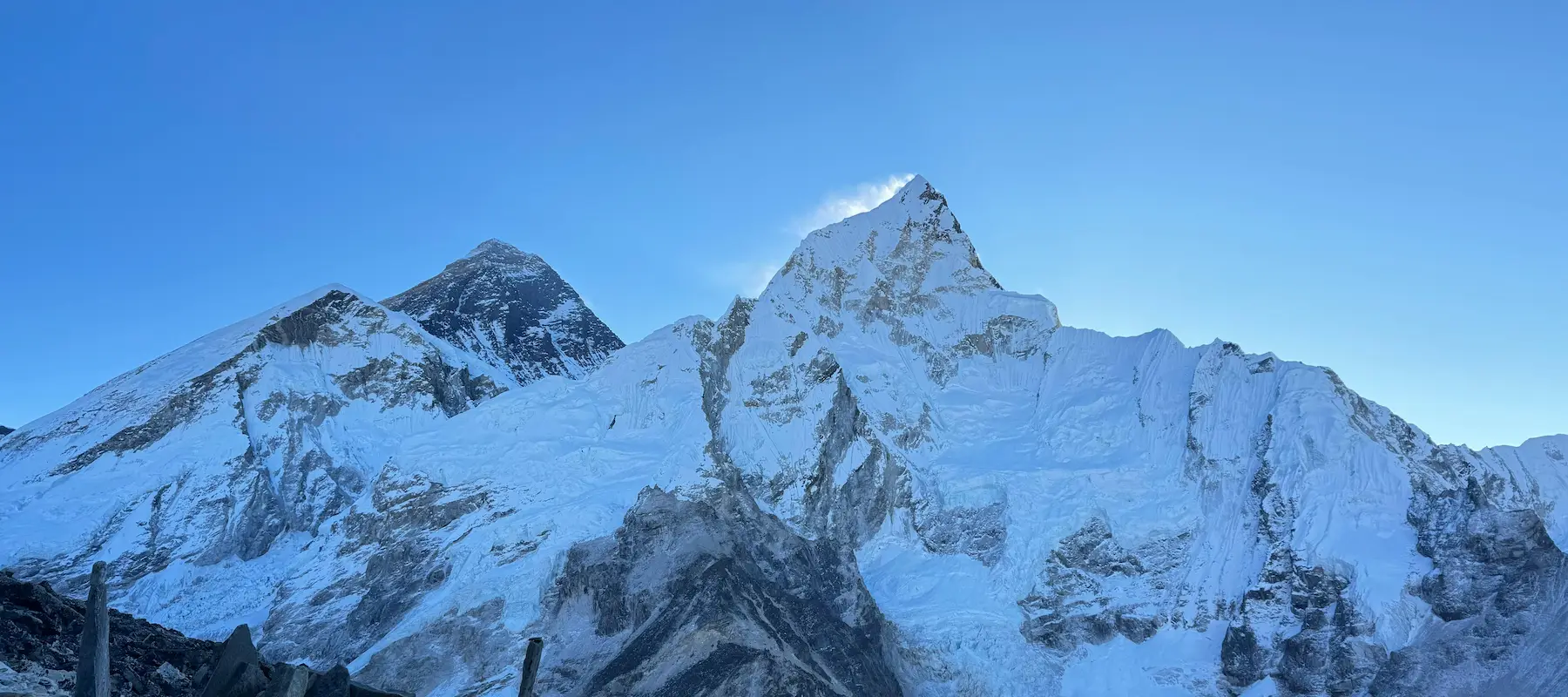
Standing at 5,364 meters above sea level, watching the sunrise paint Mount Everest‘s slopes golden – it’s the kind of moment that transforms you. But getting there requires more than just determination. It requires preparation.
The Everest Base Camp Trek is one of the most iconic trekking adventures on Earth. Every year, thousands of trekkers from around the world arrive in Nepal with dreams of reaching the foot of the world’s tallest mountain. Some complete the journey comfortably and confidently. Others struggle with freezing temperatures, altitude sickness, poorly chosen gear, and inadequate preparation.
The difference often comes down to packing the right gear in the limited space of your backpack. So, this Everest Base Camp Trek Packing List guide will be helpful if you are planning to visit Everest Base Camp in 2026.
Unlike many mountain hikes, the Everest Base Camp Trek takes you through multiple climate zones within a matter of days. You’ll start your journey through the mild forests of Lukla, pass through traditional Sherpa villages like Namche Bazaar and Tengboche, and eventually reach the harsh alpine environment above 5,000 meters where temperatures can plunge below -20°C.
A sunny afternoon in Namche can feel pleasantly warm. A pre-dawn hike to Kala Patthar can feel like a polar expedition. This dramatic shift in conditions means packing correctly is not just about comfort—it’s about safety, performance, and enjoyment.
Every year, guides witness trekkers arriving with cotton hoodies instead of proper base layers, lightweight sneakers instead of mountain-ready boots, or sleeping bags completely unsuitable for Everest temperatures. These mistakes become increasingly costly as altitude increases.
If you’re planning the Everest Base Camp Trek in 2026, this complete packing guide will help you prepare like an experienced Himalayan trekker. Based on real trekking experience, seasonal conditions, and current trekking practices in the Everest region, this guide covers everything you need to stay warm, safe, and comfortable from Lukla to Everest Base Camp and Kala Patthar.
Let’s get packed for the adventure of a lifetime.
The Everest Base Camp Trek is not technically difficult, but it presents unique challenges that demand thoughtful preparation.
One of the biggest surprises for first-time trekkers is how rapidly temperatures change throughout the trek.
| Location | Elevation | Average Temperature |
|---|---|---|
| Lukla | 2,860m | 5°C to 20°C |
| Namche Bazaar | 3,440m | 0°C to 15°C |
| Dingboche | 4,410m | -5°C to 10°C |
| Lobuche | 4,940m | -10°C to 5°C |
| Everest Base Camp | 5,364m | -15°C to 5°C |
| Kala Patthar | 5,545m | -20°C or lower |
The key is a versatile layering system that works across every elevation zone.
Altitude sickness can affect anyone of any age or fitness level. Above 3,000 meters, oxygen levels begin dropping significantly. Proper clothing, hydration, nutrition, and medical preparedness become increasingly important as you gain elevation.
While Namche Bazaar offers some equipment and supplies, prices increase dramatically with altitude.
For example:
Packing properly from the start saves money and prevents unnecessary problems.
Most days in trekking involve:
Your gear must perform reliably every day for nearly two weeks.
Your backpack setup can significantly impact your comfort throughout the trek.
Recommended Size: 60–80 Liters
Most trekkers hire a porter who carries their primary duffel bag.
Choose:
Recommended Size: 20–30 Liters
Your daypack should contain:
Layering is the most important aspect of Everest Base Camp preparation.
Avoid cotton completely.
Pack:
These provide insulation during colder conditions.
Recommended:
This is your primary defense against the Everest-region cold.
Bring:
This jacket becomes essential above Dingboche.
The weather in the Khumbu changes quickly.
Bring:
Altitude dramatically increases exposure.
Carry two pairs:
Many trekkers underestimate how cold their hands become during the Kala Patthar sunrise hike.
Your boots should be:
Never bring brand-new boots to Everest.
Bring:
Your feet will appreciate the break after long hiking days.
Useful during:
Tea houses provide beds but not adequate insulation.
Recommended:
Above Lobuche, nights become extremely cold.
Benefits:
One of the best investments for EBC.
Benefits:
Required for:
Choose Category 3 or Category 4 lenses.
Snow blindness is a genuine risk at high altitude.
Pack:
Cold temperatures drain batteries much faster than normal.
Hydration is critical for altitude acclimatization.
Carry:
Aim for 3–4 liters daily.
Essential items include:
Bring extra supplies because replacements may not be available.
For Everest Base Camp Trek 2026, carry:
Your insurance should cover:
This is non-negotiable.
Several thin layers perform better than one heavy layer.
Especially:
Aim for:
5–7 kg maximum
Heavy daypacks become exhausting at altitude.
Store batteries and phones inside your sleeping bag overnight.
Cotton retains moisture and loses insulation.
Most trekkers bring 30–40% more than they actually use.
High-altitude UV exposure can damage your eyes.
This is one of the most common comfort mistakes.
Weather can change rapidly in the Everest region.
A 20–30 liter daypack for your daily essentials and a 60–80 liter duffel bag carried by a porter is the ideal setup for most Everest Base Camp trekkers. Your daypack should hold water, extra clothing, snacks, valuables, and any personal medication you may need during the day.
Generally, no. Standard Everest Base Camp treks do not require crampons. However, microspikes can be extremely useful during winter departures or following heavy snowfall when sections of the trail become icy and slippery.
Yes. Kathmandu has a large number of trekking shops that rent equipment such as sleeping bags, down jackets, trekking poles, duffel bags, and other trekking essentials. Be sure to inspect rental gear carefully to ensure it is in good condition before your trek.
Nighttime temperatures at Everest Base Camp can fall below -15°C, particularly during the peak trekking seasons. At Kala Patthar, temperatures before sunrise frequently drop below -20°C, making proper layering and a quality sleeping bag essential.
Most trekking guides recommend drinking 3–4 liters of water per day. Proper hydration plays a vital role in acclimatization, energy levels, and reducing the risk of altitude-related illnesses throughout the trek.
Yes. Although most teahouses provide blankets, they are typically not warm enough for the freezing temperatures encountered at higher elevations. A quality sleeping bag rated for sub-zero temperatures is strongly recommended for both comfort and safety.
The Everest Base Camp Trek is more than a bucket-list adventure—it’s a journey into the heart of the Himalayas, through ancient Sherpa villages, beneath towering glaciers, and toward the foot of the highest mountain on Earth.
But reaching Everest Base Camp comfortably requires preparation.
The trekkers who enjoy the journey most aren’t necessarily the fittest or most experienced. They’re the ones who arrive with the right gear, understand mountain conditions, and respect the challenges of high altitude.
Use this packing list as your foundation for 2026. Adjust it based on the season, your personal preferences, and your trekking style. Test your equipment before departure, prioritize quality over quantity, and remember that every item in your backpack should earn its place.
When you’re standing at Kala Patthar watching the first sunlight illuminate Everest, Lhotse, and Nuptse, you’ll be grateful for every smart packing decision you made.
Explore our guided Everest Base Camp Trek packages, speak with our local trekking experts, and start planning your Himalayan adventure today. The world’s most iconic trekking destination is waiting for you.
Alliance Treks & Expedition Pvt. Ltd. Once is not enough for naturally and culturally Himalayas