(Viber, Whatsapp, Cell) +977 9851022814

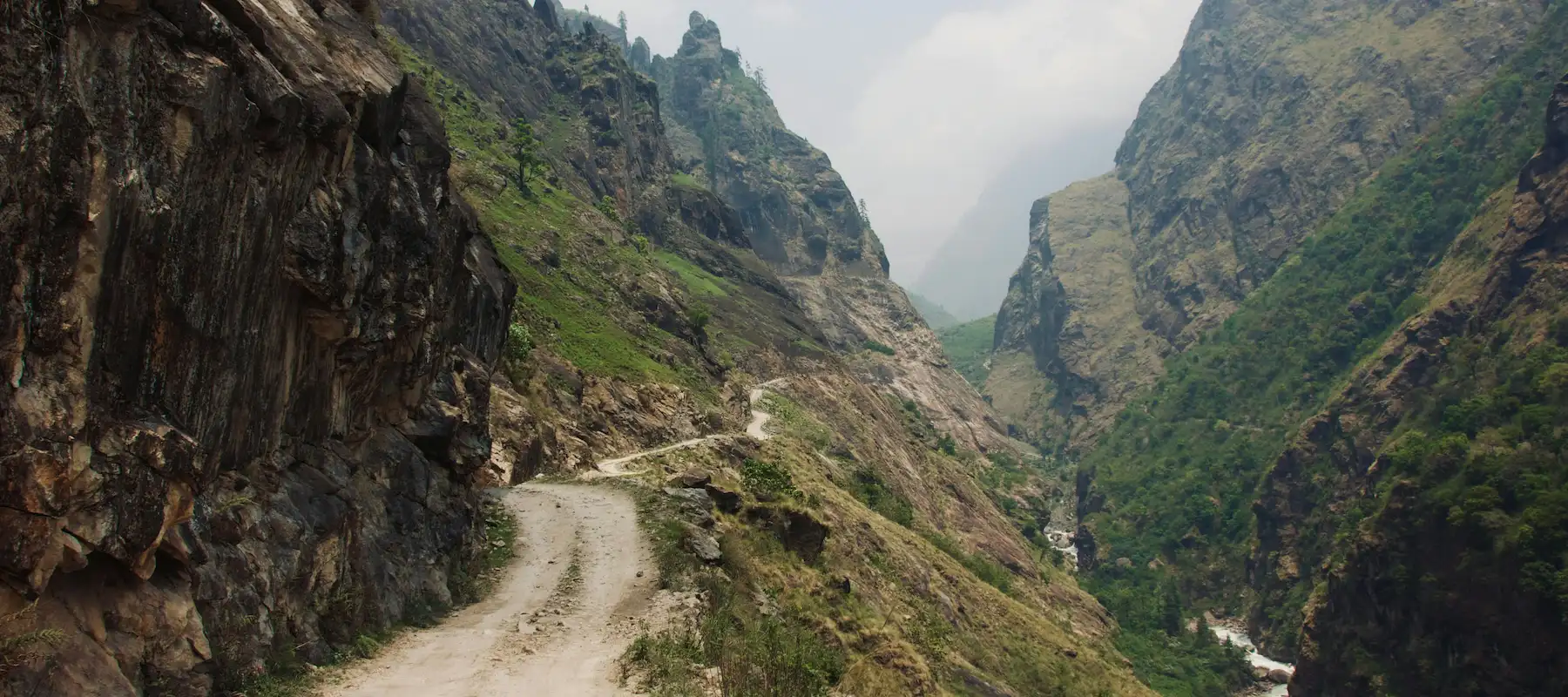
Sitting in a traditional Tamang kitchen in a Ganesh Himal homestay, warming your hands on a cup of butter tea while locals chat in languages you don’t understand, you suddenly understand the difference between trekking and adventuring. The Ruby Valley Circuit Trek isn’t about conquering mountains—it’s about being welcomed into villages that exist largely unchanged since ages.
Unlike crowded Everest Base Camp treks, where thousands walk the same route yearly, or expensive Annapurna Circuit treks with their infrastructure of teahouses and porters, the Ruby Valley Circuit Trek remains refreshingly untouched. You’re trekking through genuine mountain communities—Tamang, Gurung, Ghale, Brahmin villages—where trekker tourism has not yet fundamentally changed local life.
Here’s what most Ruby Valley trekkers don’t realize: this isn’t high-altitude mountaineering, so packing strategy is completely different from Everest or Annapurna. You’re ascending from 1,310m to a maximum of 3,850m (Pangsang La Pass) over 9 days, staying in homestays rather than commercial teahouses, and interacting directly with local families.
The mistakes I see on Ruby Valley differ from high-altitude routes. Trekkers overpack cultural irrelevance. They bring heavy mountaineering gear, unnecessary for moderate altitude. They fail to respect homestay environments. They arrive unprepared for genuine cultural immersion in remote villages. So, this guide will be useful for trekkers seeking a Ruby Valley Trek Packing List.
If you’re planning the Ruby Valley Circuit Trek in 2026, this guide is your essential companion. Built on field experience guiding trekkers through the Ruby Valley Rural Municipality and informed by real feedback from families hosting international guests, this packing list provides practical recommendations that will keep you comfortable, culturally respectful, and genuinely prepared for one of Nepal’s most authentic mountain adventures.
Let’s gear up for Ruby Valley.
The Ruby Valley Circuit Trek presents unique packing challenges that differ fundamentally from other Nepal trekking routes.
Different Accommodation Type Changes Everything: Unlike teahouse treks, where you’re a paying customer in commercial establishments, homestays mean you’re a guest in family homes. Your packing strategy must reflect cultural respect. Proper footwear choices, modest clothing, and cultural awareness items matter tremendously here. You’re not just trekking, you’re building relationships.
Moderate Altitude Means Lighter Gear Requirements: Ruby Valley’s maximum elevation (3,850m) is dramatically lower than Everest (5,545m) or Annapurna (5,416m). This allows lighter packing overall, you don’t need extreme mountaineering-grade equipment. A -5°C sleeping bag suffices where Everest demands -15°C. Lightweight boots work where Everest needs insulated mountaineering boots. This isn’t casual, you’re still at real altitude, but it’s more manageable.
Diverse Terrain Requires Versatile Gear: Ruby Valley includes lush rhododendron forests, suspension bridges, natural hot springs at Tatopani, mountain passes, and river valleys. You’re experiencing more environmental variety than higher-altitude treks. Rain, heat, humidity, and cold all occur sometimes on the same day. Your gear must flex with conditions.
Homestay Supply Limitations Are Real: You cannot run to a village shop for forgotten items. Homestays have limited facilities. Shared bathrooms are basic. Water is hand-carried from wells. Laundry is limited. Power charging is restricted. Unlike busy trekking routes with frequent teahouses and shops, Ruby Valley has genuine supply limitations. Preparation at home is critical.
Cultural Sensitivity Directly Impacts Experience: You’re entering communities where your behavior sets the tone for future trekker acceptance. Dressing modestly, respecting sacred spaces, showing genuine interest in local life, these matter. Proper packing reflects respect. Disrespectful packing (revealing clothing, heavy outdoor boots in family homes, careless behavior) damages community relationships and diminishes your own experience.
Natural Hot Springs Require Specific Preparation: Day 3’s visit to Tatopani natural hot springs (1,500m) is a highlight. Proper water gear (swimsuit, quick-dry towel, waterproof bag) transforms this from awkward to amazing. Many trekkers arrive unprepared and miss this experience.
Get the packing right, and Ruby Valley becomes a transformative cultural and natural experience. Get it wrong, and you miss what makes this trek special, genuine human connection and authentic mountain community life.
Your backpack is your only companion for 9 days of village trekking. Choose wisely.
Main trekking pack: 40-50 liters. Ruby Valley’s 9-day duration (shorter than Everest or Annapurna) requires less gear overall. Many trekkers hire a porter for $15-18/day to carry the main pack, significantly enhancing daily experience. This is optional, unlike high-altitude treks where porter support is almost essential.
Day pack: 20-25 liters. You’ll carry this yourself daily for 5-6 hours, holding water, snacks, layers, camera, and medications. Make this comfortable—you’ll use it extensively.
Protective accessories:
Ruby Valley’s elevation range (1,310m to 3,850m) creates three distinct climate zones. Your layering system must accommodate this diversity.
Base Layers (Moisture-wicking, never cotton)
| Item | Quantity | Purpose | Why It Matters |
|---|---|---|---|
| Merino Wool Base Layer Shirts | 2–3 | Daily wear; sun protection | Regulates temperature across climates and resists odor, allowing multiple days of wear without washing. |
| Merino Wool Long Sleeves | 1–2 | Arm protection; UV shielding | Protects against intense sun exposure and prevents arm sunburn during long trekking days. |
| Merino Wool Socks | 5–6 pairs | Foot insulation and blister prevention | Provides comfort on long trails while reducing friction and moisture buildup. |
| Thermal Underwear | 2 pairs | Sleeping layers above 2,500m | Essential for cold nights at higher elevations where temperatures drop significantly. |
| Underwear | 3–4 pairs | Daily wear | Quick-drying merino or synthetic fabrics work well with limited laundry opportunities. |
Mid Layers (Insulation and temperature control)
| Item | Quantity | Temperature | Purpose |
|---|---|---|---|
| Lightweight Fleece Jacket | 1 | Down to 5°C | Primary insulation layer for cool mornings and evenings; likely used daily. |
| Wool or Casual Sweater | 1 | Down to 0°C | Comfortable evening wear and a warmer alternative to a fleece layer. |
| Down Sweater (Optional) | 1 optional | Down to -10°C | Provides additional warmth above 3,000m and benefits trekkers who get cold easily. |
Outer/Shell Layer (Wind and waterproof protection)
| Item | Quantity | Purpose |
|---|---|---|
| Waterproof, Breathable Jacket | 1 | Essential protection against sudden mountain rain, wind, and changing weather conditions. |
| Lightweight Waterproof Pants | 1 | Provides full-length protection during wet weather and exposed high-altitude sections. |
| Rain Poncho (Optional) | 1 optional | Lightweight backup rain protection for extended trekking days between villages. |
Head and Face Protection (Critical for variable conditions)
Casual Clothing for Homestays (Respects cultural norms)
Your feet carry you through forests, village paths, suspension bridges, and mountain ridges over 9 days.
| Footwear Item | Why It Matters for Ruby Valley | Specific Concerns |
|---|---|---|
| Waterproof Hiking Boots | Ruby Valley includes stream crossings, dew-soaked trails, and occasional rain. Waterproof boots keep feet dry and comfortable while providing ankle support on uneven village paths, forest trails, and suspension bridges. | Break your boots in thoroughly before the trek. Test them on practice hikes to avoid blisters and pressure points. |
| Lightweight Hiking Shoes or Trail Runners | Perfect for evenings at homestays and giving your feet relief after long days in trekking boots. Helps reduce pressure and prevent blister development. | One of the most valuable comfort items for a multi-day trek. Highly recommended. |
| Sandals or Slip-On Shoes | Useful inside homestays and communal areas where wearing muddy trekking boots is inappropriate. Provides comfort during rest periods. | Choose lightweight, packable options that are easy to remove and put on throughout the day. |
| Waterproof Gaiters | Help keep mud, stones, debris, and moisture out of your boots during stream crossings, forest trails, and wet conditions. | Particularly useful during spring rains, monsoon shoulder seasons, and muddy trail sections. |
| Blister Prevention Kit | Merino wool socks, Leukotape, and moleskin help reduce friction and stop hot spots from becoming painful blisters. | Treat hot spots immediately. Prevention is far easier than dealing with blisters during the trek. |
Specific Boot Recommendation: Medium-weight waterproof hiking boots (800-1,000g per pair) are ideal. Ruby Valley’s terrain doesn’t demand extreme mountaineering boots; lighter boots reduce foot fatigue on long days through forests.
Homestay accommodation means basic facilities. Your sleep system must ensure comfort and warmth in rustic settings.
| Item | Rating Required | Why It Matters |
|---|---|---|
| Sleeping Bag | -5°C to 0°C Minimum | Homestay rooms above 2,500m often have no heating, and nights around Tipling and the Pangsang La region can fall below freezing. A sleeping bag rated between -5°C and 0°C provides adequate warmth, while cold-sensitive trekkers may prefer a -10°C rating for extra comfort. |
| Sleeping Bag Liner | Fleece Preferred | Adds approximately 3–5°C of extra warmth, improves hygiene when using homestay bedding, and is easy to wash during longer treks. |
| Sleeping Pad / Foam Mat | 3-Season Minimum | Provides additional cushioning on basic homestay beds and helps insulate your body from cold surfaces, reducing overnight heat loss and improving sleep quality. |
Reality Check: Unlike Everest where sleeping bag quality directly impacts survival at 5,000m, Ruby Valley sleeping bag requirements are more forgiving. A quality $150-200 synthetic -5°C bag suffices perfectly. You don’t need Everest-level $400+ down equipment for this moderate-altitude trek.
You’re living in family homes, not anonymous commercial establishments. These items enhance cultural respect and practical comfort.
| Item | Purpose | Cultural Importance |
|---|---|---|
| Slip-On Shoes or Sandals | For homestay interiors where boots are removed frequently. | Essential for respecting local customs. Wearing muddy trekking boots inside family homes is considered inappropriate, and easy-to-remove footwear makes repeated transitions convenient. |
| Lightweight Towel | Personal hygiene and daily comfort. | Although homestays provide basic facilities, carrying your own towel is hygienic and demonstrates consideration for your hosts and their household resources. |
| Lightweight Robe or Cardigan | Comfortable clothing for evenings and time spent inside homestays. | Allows you to change out of trekking clothes and wear modest, relaxed attire while sharing space with local families. |
| Small Gifts for Families | Building meaningful relationships with hosts. | Small items such as chocolates, postcards, photographs, or simple souvenirs are greatly appreciated and often create memorable cultural exchanges. |
| Notebook and Pen | Journaling experiences and recording stories from local communities. | Writing thank-you notes or sharing messages with homestay families is a thoughtful gesture that often leaves a lasting positive impression. |
| Modest Clothing | Appropriate attire for villages, monasteries, and sacred sites. | Long pants and shirts that cover the shoulders demonstrate respect for local traditions, religious sites, and community values. |
Day 3’s visit to Tatopani natural hot springs is a trek highlight. Proper gear transforms this from awkward to amazing.
| Item | Purpose | Makes This Experience |
|---|---|---|
| Swimsuit or Quick-Dry Shorts | Comfortable soaking in mineral-rich hot springs. | Transforms the hot springs experience from awkward and inconvenient into one of the most relaxing and memorable moments of the trek. |
| Lightweight Quick-Dry Towel | Efficient drying after hot spring visits. | Microfiber towels pack small, dry quickly, and are ideal for remote trekking environments where drying opportunities may be limited. |
| Waterproof Bag or Dry Sack | Protecting valuables and clothing from water exposure. | Keeps cameras, phones, wallets, and extra clothing dry while you enjoy the hot springs, reducing the risk of water damage. |
| Sandals or Water Shoes | Foot protection around rocky hot spring areas. | Provides better grip and prevents cuts or bruises on wet, uneven rocks commonly found around natural hot springs. |
Real Talk: Many trekkers arrive unprepared for Tatopani—no swimsuit, no towel. They either skip the hot springs entirely or participate in self-conscious discomfort wearing trekking clothes. Proper water gear—costs minimal weight (1-2kg)—makes this experience genuinely amazing.
Homestay bathrooms are basic. Hygiene management prevents infection and illness in remote village settings.
Daily Hygiene
| Item | Purpose | Why Important |
|---|---|---|
| Biodegradable Soap and Shampoo | Respects mountain water systems and homestay environments. | Using biodegradable products minimizes environmental impact and demonstrates respect for local communities and natural resources. |
| Toothbrush and Travel-Size Toothpaste | Daily oral hygiene. | Basic hygiene supplies are difficult to find in remote villages, so carrying enough for the entire trek is recommended. |
| Sunscreen (SPF 50+) | Protection from intense ultraviolet exposure at altitude. | Mountain sunlight is much stronger than at sea level. Reapplying sunscreen every few hours helps prevent sunburn and long-term skin damage. |
| Lip Balm with SPF | Protects lips from sun, wind, and dry mountain air. | Prevents painful cracking and chapping, which are common during multi-day treks at higher elevations. |
| Moisturizing Lotion | Maintains skin hydration in dry mountain conditions. | High-altitude air can quickly dry out the skin, making lotion especially useful for hands, face, and feet. |
| Wet Wipes or Hand Sanitizer | Maintains hygiene when water access is limited. | Hand sanitizer is particularly important before meals and after using shared facilities in remote villages. |
| Feminine Hygiene Products | Personal care during the trek. | These products are rarely available in remote mountain settlements, so it is important to carry an adequate supply. |
| Deodorant (Optional) | Personal comfort during extended trekking. | Not essential, but many trekkers appreciate having it during longer journeys with limited opportunities for showering. |
First Aid and Medications
Altitude Medication (Optional)
Altitude sickness is less common on Ruby Valley (max 3,850m) than high-altitude routes. Discuss with a doctor beforehand; Diamox is optional based on personal altitude sensitivity.
Ruby Valley’s authentic villages and forest scenery are incredibly photogenic. Electronics support navigation, communication, and memory capture.
| Item | Purpose | Why Critical |
|---|---|---|
| Trekking Poles (Pair) | Reduce strain on knees during descents, assist with steep climbs, and improve balance on uneven trails and suspension bridges. | Not mandatory but highly beneficial on a 9-day trek. Particularly useful for suspension bridge crossings, long downhill sections, and maintaining stability on rocky village paths. |
| Headlamp with Extra Batteries | Provides hands-free lighting for early morning starts, evening walks, and nighttime bathroom visits. | Many homestays have limited lighting. A reliable headlamp is essential for navigating dark interiors and preparing for pre-dawn departures. Lithium batteries perform best in cold conditions. |
| Power Bank (5,000–10,000 mAh) | Keeps phones, cameras, and other electronics charged throughout the trek. | Electricity can be limited in remote homestays, and charging often comes with an additional fee. A power bank provides independence and ensures devices remain operational. |
| Smartphone with Offline Maps | Supports navigation, route planning, and emergency communication. | Mobile coverage is unreliable throughout parts of Ruby Valley. Downloaded offline maps provide a dependable backup for villages, trails, emergency routes, and key waypoints. |
| Camera or Smartphone | Captures landscapes, village life, cultural encounters, and trekking memories. | The Ruby Valley Trek offers exceptional opportunities for photography. Protect electronics with a waterproof pouch or dry bag during rain and stream crossings. |
| Universal Adapter and Charging Cables | Allows charging of devices in teahouses and homestays. | Nepal primarily uses Type D and Type A plugs. Carrying a quality adapter and spare charging cable helps avoid equipment issues in remote locations. |
Missing permits means immediate turnaround. Ruby Valley trek requires documentation and proper currency.
| Document | Cost (2026) | Necessity | Notes |
|---|---|---|---|
| Valid Passport | — | Essential | Your passport should remain valid for at least six months beyond your planned departure date from Nepal. |
| Nepal Tourist Visa | USD 40–100 | Essential | Most trekkers obtain a 60-day tourist visa either on arrival at Tribhuvan International Airport or through a Nepali embassy before travel. |
| TIMS Card | NPR 2,000 (~USD 15) | Essential | The Trekkers’ Information Management System (TIMS) card helps track trekkers for safety purposes and is usually arranged by your trekking company. |
| Langtang National Park Permit | NPR 3,100 (~USD 23) | Essential | Required for trekking through protected areas associated with the Ruby Valley and Pangsang La region. Typically arranged by your trekking operator. |
| Travel Insurance | Varies | Strongly Recommended | Choose a policy that specifically covers mountain trekking, emergency medical treatment, and helicopter evacuation in Nepal. |
| Vaccination Records | — | Conditional | Yellow fever vaccination certificates may be required if arriving from, or transiting through, countries where yellow fever is present. |
Currency and Payment Strategy
Real Talk About Payment: Lunch and dinner at homestays are typically paid directly to families (not included in trek cost). Budget approximately USD $5-8 per meal. Many homestay families appreciate small gifts for their hospitality—chocolate, photos, small trinkets create genuine connections.
The highest point of Ruby Valley Circuit Trek requires specific preparation for this 6-7 hour climbing day.
Pass-Specific Preparation
| Preparation | Why It Matters |
|---|---|
| Early Morning Wake-Up | Starting between 7:00–8:00 a.m. allows you to cross Pangsang La during the most stable weather window. Conditions often become windier and less predictable later in the day. |
| Extra Insulation Layers | Temperatures and wind chill at 3,850m can change quickly. Carrying and wearing sufficient layers helps maintain body temperature and comfort throughout the pass crossing. |
| Hand and Foot Warmers | Chemical warmers provide additional protection against cold exposure and can be extremely valuable if weather conditions deteriorate unexpectedly. |
| Headlamp with Spare Batteries | Essential for early departures, cloudy mornings, or unexpected delays. A reliable headlamp improves safety and visibility in low-light conditions. |
| High-Calorie Snacks | The Pangsang La crossing is one of the longest and most demanding trekking days in Ruby Valley. Energy-dense snacks help maintain strength, concentration, and decision-making ability. |
Real Talk About the Pass: Pangsang La Pass is Ruby Valley’s decisive point—the highest elevation, most exposed section, and most challenging day. Many trekkers find this day surprisingly taxing. Proper preparation, early start, and maintaining energy levels are essential.
Spring (March-May) Specific Items
Autumn (September-November) Specific Items
Winter (December-February) Essential Additions
Mistake #1: Overpacking Heavy Mountaineering Gear
Many trekkers pack Everest-level gear for Ruby Valley’s moderate altitude. This creates unnecessary weight and backpack burden. Ruby Valley’s max 3,850m doesn’t demand mountaineering-grade equipment. Lighter gear suffices. Every extra kilogram you eliminate improves daily comfort significantly.
Mistake #2: Forgetting Sandals or Slip-On Shoes
This is genuinely disrespectful in homestay settings. Wearing heavy trekking boots in family homes shows cultural insensitivity. Sandals or slip-on shoes are essential and show respect. They cost minimal weight (200-300g) and matter enormously to families hosting you. This single item impacts cultural relationships significantly.
Mistake #3: Inadequate Blister Prevention
Many trekkers underestimate Ruby Valley’s trail mileage and terrain variation. Blisters are common on 9-day treks with this elevation change. Leukotape, merino socks, and multiple footwear options prevent foot misery. Proper prevention is cheaper than suffering through foot pain.
Mistake #4: Overpacking Clothing
Ruby Valley’s 9-day duration and homestay laundry availability means you need less clothing than other treks. Many trekkers pack double what they need. Homestay families offer laundry service (USD $1-2 per load, 24-hour turnaround). Pack 6-7 items of clothing, not 15. Trust homestay laundry.
Mistake #5: Inadequate Sleep System for Homestay Conditions
Ruby Valley homestays lack central heating. Cold nights above 2,500m require proper sleeping bags. A -5°C to 0°C rated bag is minimum; many cold-sensitive trekkers need -10°C. Proper sleep ensures proper acclimatization and enjoyment. Don’t compromise on sleeping quality.
Mistake #6: Forgetting Water Gear for Tatopani Hot Springs
Many trekkers arrive unprepared for Tatopani hot springs and either skip this highlight or participate in uncomfortable self-consciousness. A swimsuit, quick-dry towel, and dry sack (total weight ~1-2kg) transform this day from awkward to amazing.
Mistake #7: Arriving Without Testing Gear
Test boots on home hikes before arrival. Test your sleeping system in cold conditions. Test your layers. Discovering gear problems at trek start is too late. 1-2 practice hikes before departure prevent real-trek problems.
Mistake #8: Ignoring Laundry Opportunities
Some trekkers try to carry dirty clothes for 9 days rather than utilizing homestay laundry services. This creates pack weight, unpleasant smell, and unnecessary burden. Use homestay laundry. Rotate your smaller wardrobe every 2-3 days.
Mistake #9: Inadequate Sun Protection
Forest sun reflection is deceptive. Trekkers sunburn despite tree cover, especially near water and in open ridge sections. SPF 50+ sunscreen, sunglasses, and wide-brimmed hats are mandatory. Sun damage affects trek quality for the entire remaining duration.
Mistake #10: Insufficient Cultural Sensitivity Items
Small gifts for homestay families, modest clothing for religious sites, and cultural respect items cost minimal weight but generate genuine human connections. These genuine relationships—sharing meals, learning local stories, exchanging gifts—are what make Ruby Valley special. Pack cultural respect intentionally.
A: Yes. Sleeping bags, pads, and jackets can be rented for $3-8 per item for 9 days. Quality varies; inspect rental gear carefully. If renting, book through Alliance Treks in advance and test items before trek start. Many successful trekkers rent for Ruby Valley since moderate altitude doesn’t demand extreme-quality equipment.
A: Most do, but they’re thin and sometimes inadequate above 2,500m. Your sleeping bag must function independently. Blankets are supplements, not primary warmth. A proper sleeping bag ensures comfortable nights regardless of homestay blanket quality.
A: Breakfast is included in trek cost. Lunch and dinner are paid directly to homestay families (approximately USD $5-8 per meal). Credit cards don’t work; bring Nepali Rupees or USD. Most families appreciate cash tips for their hospitality.
A: Yes. Most families offer laundry service for approximately USD $1-2 per load. Turnaround is typically 24 hours. Ask your guide on Day 2 about laundry facilities. Plan your small wardrobe around this available service.
A: Less common than higher-altitude treks, but possible above 2,500m. Proper acclimatization, hydration, and gradual ascent prevent 90% of cases. Discuss with your doctor beforehand; Diamox is optional based on personal altitude sensitivity.
A: Porters cost $15-18/day and are optional, not essential. A porter carries your main pack, allowing you to carry only a day pack. This dramatically improves daily comfort, recovery at altitude, and overall experience. Consider it an investment in trek quality.
A: Basic. Shared bathrooms with other guests (and sometimes the family). Showers are infrequent and cold water only (occasionally families heat water). Expect minimal Western comfort. Prepare mentally for basic facilities. This is part of the authentic homestay experience.
A: Your guide can contact emergency services or arrange evacuation to Kathmandu if necessary. Travel insurance that covers mountain rescue is essential. For minor issues, guides carry first aid kits and can advise on treatment.
A: Spring (March-May) and Autumn (September-November) offer stable weather and comfortable conditions. Winter is possible but cold. Monsoon (June-August) is generally avoided due to rain. Autumn offers clearest skies and coldest nights; Spring offers blooming rhododendrons and milder temperatures.
A: Yes. Solo trekking is common on Ruby Valley. Hiring a guide is recommended for route planning, cultural interpretation, and emergency support. The Ruby Valley community is welcoming to respectful visitors. Guideless trekking is possible but less recommended for first-time visitors.
A: Guide tips: USD $3-5/day for good service (so $27-45 total for 9 days) Porter tips (if hired): USD $2-3/day ($18-27 total) Homestay family tips: USD $2-5 per family (gesture of gratitude for hospitality) Total expected tips: USD $50-80 depending on group size and service quality
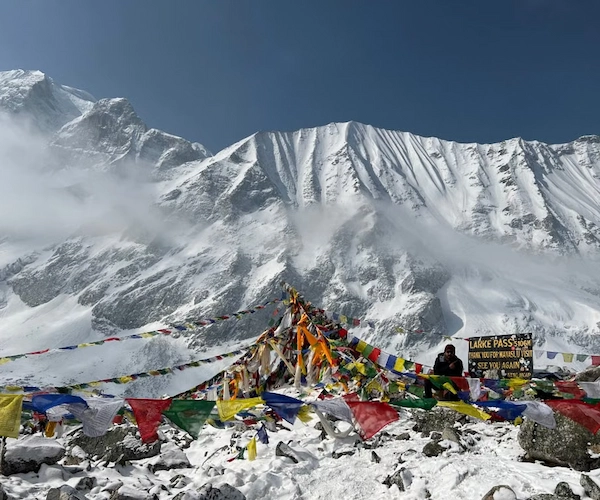
Standing on Pangsang La Pass (3,850m), watching clouds roll through valleys below you while Ganesh Himal and Langtang peaks rise around you, you’re standing in one of Nepal’s most authentic mountain regions. Below you lie villages where your guide’s extended family lives. Around you are mountains that few tourists ever see. Within you is the profound realization that Ruby Valley’s magic isn’t about conquering altitude—it’s about genuine human connection.
The Ruby Valley Circuit Trek differs fundamentally from high-altitude base camp treks or infrastructure-heavy circuit routes. Here, you’re not following thousands of annual trekkers on beaten paths. You’re walking through communities largely unchanged by mass tourism, staying in family homes, eating meals prepared for guests treated as friends rather than customers.
This different nature demands a different packing strategy. You’re not packing for altitude survival—you’re packing for cultural immersion, moderate-altitude comfort, and respectful engagement with communities hosting you. Every item either serves practical mountain needs or demonstrates cultural respect.
Get the packing right, and Ruby Valley becomes transformative. You’ll share butter tea with Tamang elders, soak in natural hot springs under Himalayan sky, visit ancient monasteries in quiet meditation, and form genuine relationships with families hosting you. You’ll understand Nepal’s rural mountains in ways urban Nepal never shows.
Get the packing wrong, and you miss what makes this trek special. Overheavy packs, inappropriate clothing, inadequate gear, and cultural insensitivity diminish the experience. The magic of Ruby Valley is accessible—but only to trekkers who pack thoughtfully, respect communities, and understand that this trek is about connection, not conquest.
Take this list as your foundation. Adjust for your body and experience level. Test everything at home. Discuss seasonal variations with your trekking company. Pack cultural respect intentionally—gifts for families, modest clothing, genuine curiosity about local life.
Then, when you stand on Pangsang La Pass watching sunrise illuminate Ganesh Himal, sitting next to your guide discussing his childhood in these mountains, understanding that your trekking dollars directly support his family’s wellbeing, you’ll know that thoughtful packing transformed this trek from touristic adventure into a genuine human experience.
Welcome to one of Nepal’s most authentic mountain journeys.
Alliance Treks & Expedition Pvt. Ltd. Once is not enough for naturally and culturally Himalayas