(Viber, Whatsapp, Cell) +977 9851022814

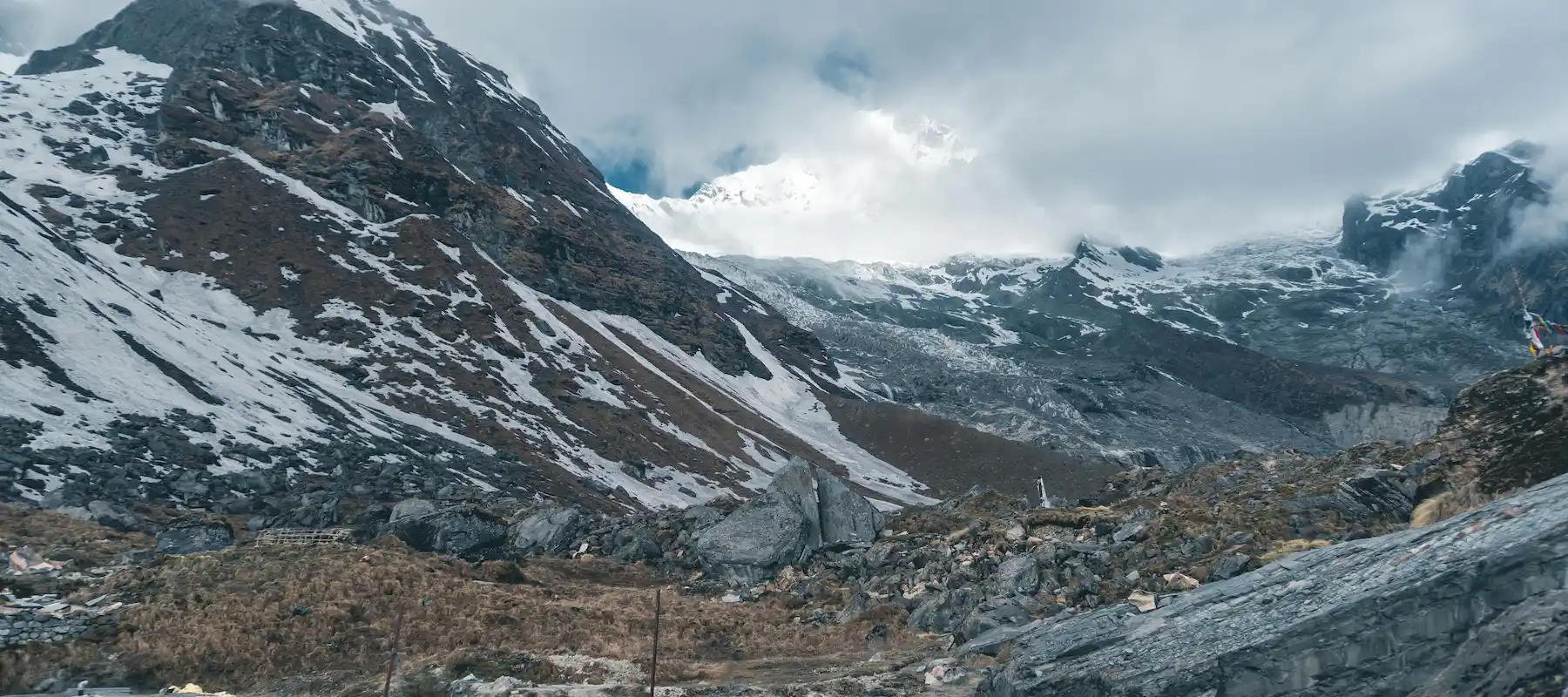
You have dreamed of seeing the Himalayas. You have imagined standing in rhododendron forests, watching sunrise over snow-capped mountains. You have imagined, then dIoubt crept in.
“Can I do this with my disability?” “Will I be welcomed as an LGBTQ+ traveler?” “Is mountain travel really accessible for people like me?”
Our travel agency, Alliance Treks & Expedition, spent 34 years guiding thousands of people through Nepal’s mountains. Over those decades, we guided wheelchair users to viewpoints, supported transgender travelers, found acceptance in Himalayan conservation regions, accommodated every variation of ability and identity, and also witnessed transformative travel experiences that changed the lives of many. The inclusive travel Nepal is combined for everyone; we don’t look for any skills, gender- Everyone is welcome for the mountain journey.
This blog exists because travel should be for everyone – not someday, not eventually, but now. Your disability, your identity, your body, your journey—none of these are barriers to mountain adventure. They’re simply variables we plan around, as we plan for weather or altitude.
Travel industry statistics tell that approximately 1.3 billion people worldwide live with disabilities, yet less than 10% of travel content addresses accessibility. LGBTQ+ travelers face many difficulties and acceptance concerns in the community.
This isn’t about fairness, it’s about recognizing that travel transforms people – mountains make you be humble, teach diverse communities, and adventures build confidence. These lessons aren’t restricted to able-bodied, heterosexual travelers. Everyone deserves access to this change.
Accessible travel isn’t about mountains to be easiest, it’s about honest information about what is possible with proper planning, appropriate support, and realistic expectations. Most of the wheelchair users won’t summit Everest Base Camp’s high passes, but they can experience the beauty of the mountains from lower altitudes, and experience the community in the Himalayan region.
Nepal is culturally conservative, but increasingly welcoming in tourist areas. Not just in Pride month, travel demands understanding the local context, identifying safe places, and connecting with other travellers. With proper planning and guidance, LGBTQ+ travelers find acceptance and enjoy the scenic views of mountains.
The actual landscape rather than false information:
Urban Accessibility (Kathmandu, Pokhara)
| Accessibility Factor | Reality Check | What This Means |
| Sidewalk Navigation | Uneven, broken, often obstructed | Wheelchair users need personal assistance or lightweight, terrain-capable chairs. Mobility canes work with careful navigation. |
| Public Transportation | Buses/minibuses not wheelchair accessible | Taxis and private vehicles are accessible options. More expensive but functional. |
| Hotel Accessibility | Mid-range to luxury hotels often have accessible rooms; budget hostels rarely do | Book directly; specify accessibility needs. Request ground-floor rooms or elevators. |
| Restaurant Accessibility | Tourist restaurants in Thamel/main areas generally accessible; local eateries variable | Stick to established tourist venues if mobility is limited; staff are generally helpful. |
| Medical Facilities | Kathmandu Valley has excellent international medical facilities; rural areas limited | Emergency access is reasonably good; plan routine medical needs carefully. |
Mountain Accessibility (Trekking Routes)
| Trek Type | Accessibility Level | Who Can Do It |
| Poon Hill Trek (3,210m) | Partially accessible with modifications | Ambulatory hikers with moderate fitness; some sections have steep stairs requiring assistance. Wheelchairs are not viable; trekking poles essential. |
| Annapurna Base Camp Trek (4,130m) | Moderately challenging for some abilities | Requires good fitness, altitude tolerance, and personal support. Altitude sickness affects all trekkers regardless of disability. |
| Ruby Valley Circuit Trek (3,850m) | Potentially accessible with homestay support | Moderate altitude; local guides understand accessibility modifications. Shorter than major circuits. |
| Everest Base Camp Trek (5,545m) | Challenging for most specially abled trekkers | Extreme altitude creates universal challenges. A few wheelchair users have attempted lower-altitude sections; it requires extraordinary planning. |
| Kathmandu Valley Day Hikes | Highly accessible with proper planning | Multiple day hike options around Kathmandu Valley with accessible trailheads and short distances. |
Real Accessibility Profile: What Works
Successful specially abled travelers in Nepal typically:
Not all disabilities are equivalent. Accessibility means different things for different bodies. Let me address specific abilities:
For Wheelchair Users
Accessible Lower-Altitude Options
Reality Check for Wheelchair Users: Climbing mountain passes in a wheelchair is currently not feasible in Nepal’s terrain. However, cultural experiences, lower-altitude scenic viewing, and accessible local community engagement are realistic options. Many wheelchair users report fulfilling Nepal experiences without summiting.
For Ambulatory Users with Limited Mobility (Canes, Crutches, Braces)
Accessible Trek Options
Support Recommendations
For Deaf and Hard of Hearing Travelers
Specific Accessibility Solutions
Reality: Deaf travelers successfully trek Nepal. Some guides have training; others adapt naturally. Communication requires planning but doesn’t prevent mountain access.
For Blind and Low Vision Travelers
Accessibility Solutions
Reality: Blind travelers trek Nepal. The experience is different but equally valid. Some report heightened awareness of sounds, smells, temperature changes—sensory richness other travelers miss.
For Neurodivergent and Invisible Disability Travelers (ADHD, Autism, Chronic Illness, Mental Health)
Accessibility Considerations
Reality: Many neurodivergent and invisible disability travelers trek successfully. Transparency with guides about needs is essential. Accommodations are possible when properly communicated.
Getting to trailheads and between locations is often the biggest accessibility challenge.
Urban Transportation
| Option | Accessibility | Cost | Best For |
| Taxi (standard) | Generally accessible; help with boarding | NPR 200-400 per ride (~$2-4) | Short urban distances |
| Private car/driver rental | Most accessible option; vehicle available continuously | $40-70/day | Multi-day city exploration; full control |
| Hotel vehicle arrangement | Hotel arranges familiar drivers; pre-arranged logistics | $50-80/day | Peace of mind; reliability |
| Ride-sharing apps (Uber/local apps) | Hit or miss accessibility; surge pricing | Variable | When no other options; unpredictable |
Mountain Transportation
| Route | Challenge | Solution |
| Kathmandu to Pokhara | 6-7 hour drive; rough roads; vehicle variable quality | Book tourist bus (more comfortable) or hire private car (accessible, expensive but worth it) |
| Pokhara to trek start (Poon Hill) | 1.5 hour jeep ride; rough mountain roads | Private jeep rental ($60-100/day) more accessible than public jeeps |
| Lukla Flight (Everest region) | Mountain airport challenging; luggage handling rough | Airport staff provide assistance; arrange porter for luggage |
| Helicopter evacuation (emergency) | Available for serious medical emergencies; expensive | Travel insurance MUST cover helicopter evacuation |
Pro Accessibility Tip: Private vehicle rental with driver is most accessible mountain option. Costs more (approximately $50-100/day) but provides control, accessibility, and comfort essential for many specially abled travelers.
Let me address this directly: Nepal is culturally conservative regarding LGBTQ+ identities, but increasingly welcoming in tourist contexts.
Legal and Political Context
| Category | Current Status (2026) | What This Means |
| Same-Sex Marriage | Not legally recognized | LGBTQ+ couples don’t have spousal legal protections |
| Anti-Discrimination Laws | Limited; improving slowly | Legal protections in workplace/housing limited; tourism generally more open |
| Gender Recognition | Some progress; not formalized | Transgender identity recognition variable; legal documents challenging |
| Social Acceptance | Urban/tourist areas increasingly accepting; rural areas conservative | Your safety depends on location and presentation choices |
Geographic Safety Profile
| Location | LGBTQ+ Acceptance | Travel Context |
| Kathmandu (Thamel/tourist areas) | HIGH – very accepting; LGBTQ+ bars, community, international travelers | Generally safe; authentic community presence; Pride events held annually |
| Pokhara (tourist zones) | MODERATE-HIGH – tourist-friendly; LGBTQ+ awareness growing | Safe in main tourist areas; local guides accepting |
| Mountain villages (rural areas) | MODERATE-LOW – culturally conservative; curious rather than hostile | Generally respectful if you’re respectful; fewer LGBTQ+ presentations; locals nonintrusive |
| Kathmandu Valley schools/offices | MODERATE – growing acceptance; younger generation more open | Less relevant for tourists; tourism context more progressive |
Real Talk About LGBTQ+ Mountain Trekking
After 34 years guiding, I can tell you: LGBTQ+ travelers successfully trek Nepal’s mountains. Some observations:
Health and medical access are critical for specially abled and LGBTQ+ travelers with health needs.
Medical Facilities in Nepal
| Facility Type | Location | Quality | Cost |
| International hospitals | Kathmandu Valley | Excellent; equivalent to Western standards | Expensive: $100-300+ consultation |
| Quality private hospitals | Kathmandu, Pokhara | Good; reliable; English-speaking | $50-150 consultation |
| Government hospitals | Throughout Nepal | Variable; overcrowded but functional | Inexpensive: $5-20 consultation |
| Teahouse clinics | Mountain villages | Basic; equipped for altitude sickness/injuries | NPR 300-1000 (~$3-10) |
Full mountaineering—no. Cultural experiences, lower-altitude areas, accessible day tours—yes. Many wheelchair users report fulfilling Nepal experiences without climbing high passes. Book accessible accommodations, hire experienced guides, use private transportation, and choose lower-altitude activities.
Kathmandu Valley day hikes (highest accessibility). Poon Hill Trek (moderate accessibility with support). Ruby Valley Circuit Trek (moderate altitude, local guide flexibility). Lower-altitude sections of any trek (without ascending to high passes).
Google “LGBTQ+ friendly trekking Nepal,” check Purple Roofs, contact Blue Diamond Society in Kathmandu, read TripAdvisor reviews mentioning LGBTQ+ experience. Alliance Treks welcomes LGBTQ+ travelers; call +977 9851022814 and ask for inclusive guides.
Kathmandu/tourist areas—yes, very safe. Mountain villages—generally safe with respect to local culture. Rural areas—culturally conservative; safety depends on circumstances. Thousands of LGBTQ+ travelers safely visit Nepal annually. Use common sense, be respectful, and connect with the community.
Standard trekking trails—no. The terrain is too uneven. However, some wheeled solutions exist: all-terrain wheelchairs, mountain bikes, specialized equipment. Discuss with guides; sometimes creative solutions are possible at lower altitudes.
Everyone deserves mountains, not eventually, not after you’re more able, not after society changes, but now.
Our agency watched wheelchair users experience Nepal’s cultural and natural beauty. We have guided deaf trekkers who felt overwhelmed by the experience then other travelers. We also led LGBTQ+ travelers who found acceptance, adventure, and self-discovery in Nepal’s mountains.
None of these people were superhuman. They were simply humans with special abilities and diverse identities who refused to accept unnecessary barriers.
Alliance Treks & Expedition Pvt. Ltd. Once is not enough for naturally and culturally Himalayas