(Viber, Whatsapp, Cell) +977 9851022814

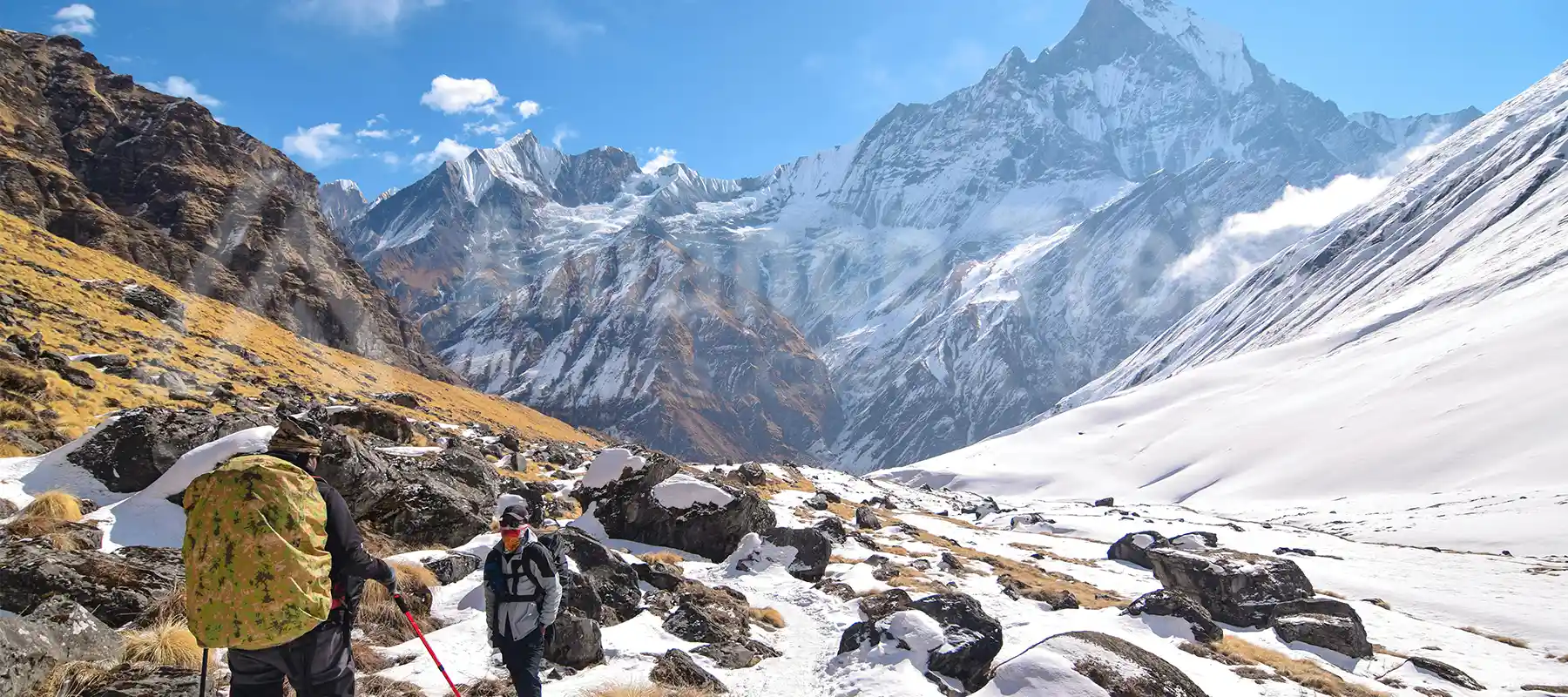
Nepal is famous for its high-altitude peaks in the world. The real secret to budget trekking in Nepal is avoiding the unnecessary things and choosing the perfect destination with a budget-friendly option to popular trek locations. Unlike the other mountain ranges in other countries where you must carry heavy camping gear and food, Nepal’s trails are connected with local lodges or teahouses. This infrastructure allows you to trek with a lighter backpack and lower overhead. In the current landscape, balancing new safety regulations with cost saving measures is an important consideration for a successful, low-cost adventure
To keep your expenses low, you can follow these budget suggestions that will help you to cut down on extra money during travel:
For the best budget trek destination, focus on regions that are accessible by road from Kathmandu or Pokhara. The following table shows you a clear picture of the best destination with their duration, estimated budget cost, and highlights of the tour.
| Trek Name | Duration | Estimated Cost Per Person (USD) | Highlights |
|---|---|---|---|
| Annapurna Base Camp Trek | 7 Days | $400 – $500 | Standing in a natural mountain view surrounded by massive 8,000m peaks. |
| Poonhill Trekking from Pokhara | 4 Days | $300 | Viewing the world-famous golden sunrise over the Dhaulagiri and Annapurna ranges. |
| Langtang Valley Trek | 8 Days | $390 | Exploring the “Valley of Glaciers” and experiencing unique Tamang culture. |
| Gosaikunda Trek from Kathmandu | 6 Days | $500 – $600 | Standing in a natural mountain view surrounded by massive 8,000m peaks. |
| Ruby Valley Cultural Trek | 7 Days | $550 – $600 | Visiting hidden traditional villages and staying in authentic local homestays. |
Timing your trip can save you a significant amount on accommodation and flights. There are times in Nepal when trekking will be on budget if you plan in a well-structured way.
The months of May (Late Spring) and September (Early Autumn) are considered the Best Travel Window for budget travelers. You get nearly peak-season views at off-peak prices.
Winter is the absolute cheapest time for a Budget Trekking in Nepal, it will be the best time for lower treks.
Most of the travelers avoid the rain, the monsoon is the Hidden Budget Season for specific regions known as Rain Shadows Trek:
There are some invisible costs that can rise your financial planning, so considering these costs is also important:
Mastering budget trekking in Nepal is not rocket science. By choosing road transport over flights, opting for local foods over western foods, the main thing is choosing the best traveling agency with the best budget, and trekking in the months between May and September, you can experience the world’s highest mountains for a fraction of the cost of a standard package tour. The true wealth of the Himalayas–the hospitality of the people with smiles and the silence of the peaks–costs nothing at all.
Yes, most regions now require a licensed guide for safety. To save, join a group to split the $25–$35 daily fee among several people.
Skip the $400 round-trip flights to Lukla. Choose road-accessible treks like Langtang or Annapurna, where a local bus or jeep costs only $10–$20.
Dal Bhat. It’s the only dish on the menu that typically offers free refills, providing the best “calories-per-dollar” for long hiking days.
Rent. You can get pro-grade down jackets and sleeping bags in Kathmandu for just $1.50–$3 a day, saving you hundreds in purchase and baggage fees.
Avoid paying $5 for teahouse Wi-Fi or charging. Buy a local SIM card with a data pack and carry a power bank to keep your devices fueled for free.
Alliance Treks & Expedition Pvt. Ltd. Once is not enough for naturally and culturally Himalayas