Post Date: 19 May 2026
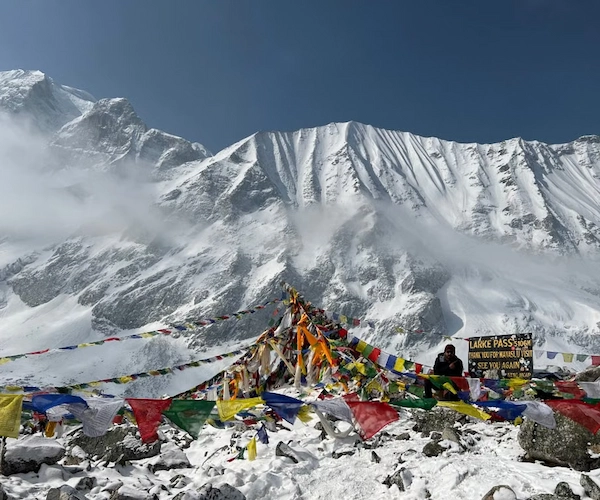
Suppose you were standing at Larkya La Pass (5106m). The thin air of the Himalayas at your face while a landscape of snow-capped peaks is in front of your eyes. Manaslu Circuit Trek Nepal is the most stunning and tough trek in Nepal that offers a 16-18 day trek around the world’s highest peak, Manaslu. But each year, most of the trekkers commit the same costly error, and they repeat it: they arrive under-prepared.
Too heavy. Too light. Wrong boots. Missing permit documents, so you need a perfect Manaslu Circuit Trek Nepal Packing List Guide. A down jacket that’s been dropped because it’s not needed. These aren’t just inconveniences – in high altitude, they become real-life threats.
So if you are thinking of taking the Manaslu Circuit Trek Nepal in 2026, you’ve come to the right place. This packing list has been created based on trial experience and knowledge of the experienced trekker in order to provide a practical and realistic packing list.
Let’s gear up.
Why the Manaslu Circuit Trek Nepal Demands a Serious Packing Strategy
The Manaslu Circuit Trek Nepal isn’t a weekend trek. The trail includes remote villages, thick rhododendron woods, glacial moraines and the highest point on Larkya La Pass, with the weather in these conditions constantly changing within hours.
Temperature at higher elevations can go down to -15°C (5°F) or colder at night,even in peak trekking seasons (March–May and September–November). The bottom, meanwhile, may be very warm and damp. You’re carrying the clothes for two completely different climates in one pack!
If you have the proper gear list you’ll be carrying just the right amount of gears and you’ll have everything you need. You’ll save weight and space for your trip.
Manaslu Circuit Trek Nepal Packing List 2026: The Full Breakdown
1) The Right Backpack
Everything starts here. Your pack is the foundation.
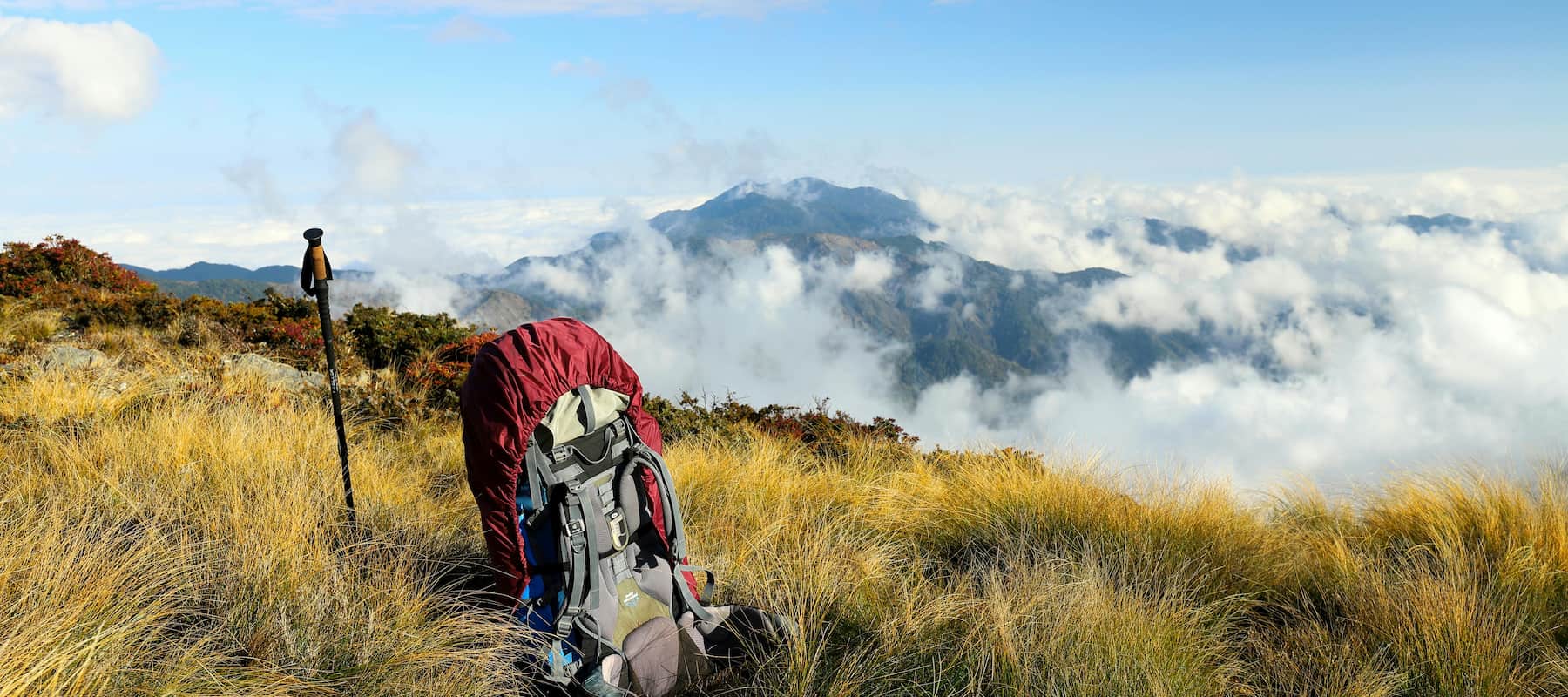
- Main trekking pack: 50–65 liters. This will be carried by a porter if you hire one, and on the Manaslu Circuit, most trekkers do.
- Day pack: 20–30 liters. You’ll carry this yourself on the trail, holding snacks, water, rain gear, camera, and a warm layer.
- Dry bags or pack liners: Waterproof your essentials. Rain on the Manaslu trail is unpredictable so saving your essentials in dry bags is an important thing to do.
2) Clothing
On the Manaslu Circuit, your clothing system will be the difference between a miserable slog and a genuinely joyful trek. The layering method — base, mid, outer — is non-negotiable.
Base Layers
- 2–3 moisture-wicking long-sleeve shirts (merino wool or synthetic; avoid cotton at altitude)
- 2 pairs of thermal underwear / base layer bottoms
- 4–5 pairs of merino wool hiking socks
- 4–5 pairs of liner socks to prevent blisters
- 3–4 pairs of breathable underwear
Mid Layers
- 1 fleece jacket (300-400g weight works well)
- 1 insulated down jacket (600–800 fill power minimum; this is your lifeline at Larkya La)
- 1–2 pairs of trekking pants (zip-off styles give you versatility)
- 1 pair of warm trekking pants or soft-shell pants for cold mornings and high camps
Outer/Shell Layer
- 1 waterproof, breathable rain jacket
- 1 pair of waterproof over-pants (lightweight and comfortable)
Accessories
- Warm trekking hat / beanie
- Sun hat with brim (UV exposure at altitude is intense)
- Lightweight gloves
- Heavy insulated gloves or mittens for the pass and high camps
- Balaclava or buff/neck gaiter
- Gaiters (especially useful for the Larkya La crossing in snow)
3) Footwear
Your feet will cover 150+ kilometers. So choosing perfect shoe pairs are necessary.
| Footwear Item |
Recommendation |
| Trekking Boots |
Waterproof, Ankle-Support |
| Camp Shoes / Sandals |
Crocs or Lightweight sandals for teahouse rest |
| Trekking Gaiters |
Essential for snowy high passes |
4) Sleeping Gears
Teahouses on the Manaslu Circuit Trek Nepal offer basic blankets, but they are thin and sometimes damp and often shared by many trekkers over many seasons. Bringing your own can give you a comfortable sleep.
- Sleeping bag: Rated to at least -10°C (14°F), ideally -15°C (depending on your cold tolerance)
- Sleeping bag liner: Adds 3–8°C of warmth and keeps your bag clean. Silk liners are lightweight; fleece liners are warmer.
- Sleeping mat: Most teahouses provide mattresses, so a full mat isn’t necessary — but an inflatable sit-pad is helpful at rest stops.
5) Navigation and Electronics
- Trekking poles: Highly recommended — two poles significantly reduce knee stress on long descents
- Headlamp with extra batteries (lithium batteries perform better in cold)
- Power bank (10,000–20,000 mAh; charging options in teahouses are limited and often charged by the hour)
- Camera / action cam: GoPro Hero 12 or similar — waterproof and compact
- Smartphone loaded with offline maps
- Universal adapter plug and short charging cables
- Satellite communicator / GPS device: Garmin inReach Mini is worth every penny in an emergency — mobile coverage on this trail is essentially nonexistent
- Solar charger (lightweight panel for supplemental power on rest days)
6) Food, Water, and Nutrition
Teahouses provide meals, but smart trekkers supplement with their own snacks — especially for long crossing days when teahouses are hours apart.
- Water purification: Carry both a UV purifier and Iodine tablets as backup
- Reusable water bottles
- Insulated flask: A thermos for hot water or tea is a lifesaver at altitude
- High-energy snacks: Trail mix, energy bars, dark chocolate, electrolyte tablets, instant oats
- Electrolyte powder packets (altitude sickness can be prevented with proper hydration)
7) First Aid and Health Kit
This section is not optional. You are hours or a day away from the nearest medical facility. So, these essential items mentioned below can save your life.
Essential items:
- Diamox (acetazolamide) for altitude sickness prevention — consult your doctor before departure
- Ibuprofen and paracetamol for pain and fever
- Oral rehydration salts (ORS)
- Blister treatment kit (moleskin, Compeed, needle, antiseptic)
- Antiseptic wipes and cream
- Bandages, gauze, medical tape
- Antidiarrheal medication (Imodium)
- Antihistamines
- Throat lozenges (dry air at altitude is rough)
- Hand sanitizer (at least 2 small bottles)
- Lip balm with SPF 50+
- Sunscreen SPF 50+ (you’ll burn faster at altitude than at sea level — bring more than you think)
- Pulse oximeter: A cheap, lightweight device that monitors your blood oxygen saturation, an early warning system for altitude sickness
8) Documents and Permits
Nepal’s Manaslu Circuit is a restricted trekking area. Missing even one document can result in being turned back at checkpoints — and there are several.
Required documents for 2026:
- Valid passport (with minimum 6 months validity beyond your trek dates)
- Nepal visa (available on arrival at Kathmandu’s Tribhuvan International Airport or through your embassy)
- Manaslu Restricted Area Permit (RAP): Currently $100 USD per week (September–November) plus $15 USD per additional day and $75 USD per week (December–August) plus $10 USD per additional day
Note: All SAARC and Foreign nationals price rate is same
- Manaslu Conservation Area Permit (MCAP): Approximately NPR 3,000 ($23 USD) for foreign nationals and NPR 1,000 ($8 USD) for foreign nationals.
- Annapurna Conservation Area Permit (ACAP): Required if continuing to the Annapurna Circuit, Approximately NPR 3,000 ($23 USD) for foreign nationals and NPR 1,000 ($8 USD) for foreign nationals
- TIMS Card (Trekkers’ Information Management System)
- Travel insurance documents — ensure your policy covers high-altitude trekking above 5,000m and helicopter evacuation
Tip: Keep your original documents securely tucked away in a waterproof compartment of your pack. Carry physical photocopies in an easily accessible pocket to show at the various trail checkpoints.
9) Hygiene and Toiletries
- Biodegradable soap and shampoo
- Quick-dry travel towel (microfiber)
- Toothbrush and toothpaste (small tube)
- Wet wipes (essential when showers are scarce or ice-cold)
- Toilet paper in a sealed plastic bag
- Hand sanitizer
- Feminine hygiene products (limited availability on the trail)
- Small mirror
- Nail clippers
10) Miscellaneous Essentials
- Trekking gaiters for snow and mud
- Zip-lock bags (multiple sizes — waterproofing, snack storage, separating wet gear)
- Duct tape (It will be handy to fix everything from boot soles to backpack straps)
- Carabiners and stuff sacks for external organization
- Trekking umbrella (It doubles the protection from both sun and rain)
- Earplugs
- Journal and pen
- Small padlock for your bag at teahouses
Common Packing Mistakes on the Manaslu Circuit Trek Nepal
- Bringing cotton clothing: The cotton absorbs water and it becomes completely impervious to insulation when wet. Wet cotton shirt can be a cause of hypothermia at altitude. Do not bring any cotton to school.
- Avoiding the use of a satellite communicator: The coverage on the Manaslu Circuit is very limited for mobile phones, for most of the way. The Garmin inReach or other similar device is not solely luxury but also a real security device.
- Taking more “just in case” equipment: Worrying about losing something makes trekkers better prepared than they might have to be. Stick to the list. The most essentials can be purchased in Kathmandu and every ounce on the trail is an ounce that is lost.
- Misjudging how cold it is at the high elevation: The crossing Larkya La is normally started at 2-3am to avoid the afternoon weather. It can be very cold at this time of day. Don’t skimp on a second-rate down jacket.
- Forgetting permit documents: Real and regular permit checkpoints are in place in Nepal. If you miss papers, you are turned back — and nothing you can say or do will change that.
Frequently Asked Questions (FAQs)
What is the best bag size for the Manaslu Circuit Trek Nepal?
A 50–65L main pack (carried by a porter) paired with a 20–30L day pack is the ideal combination. Furthermore, the day pack carries your daily essentials — snacks, water, rain gear, camera — while your porter handles the heavy load.
Do I need crampons for the Manaslu Circuit?
For most trekkers during peak season (March–May, September–November), crampons are not essential, but microspikes or yaktrax are highly recommended for the Larkya La crossing, which can be icy and snowy. Moreover, conditions vary by year — confirm with your agency closer to departure.
Can I rent gear in Kathmandu for the Manaslu Circuit?
Yes. Thamel in Kathmandu has numerous shops offering rental gear including down jackets, sleeping bags, and trekking poles. Buying quality gear, however, is always preferable for comfort and reliability on a challenging trek like Manaslu.
Is a sleeping bag required for the Manaslu Circuit?
Teahouses provide blankets, but bringing your own sleeping bag rated to at least -10°C is strongly advised. Additionally, teahouse blankets are thin and conditions in higher villages can be extremely cold at night.
How much does the Manaslu Restricted Area Permit cost in 2026?
As of current information, the Manaslu Restricted Area Permit costs approximately $100 USD per week during peak season (September–November) and $75 USD per week during other months. Consequently, verify exact fees with a licensed Nepali trekking agency, as permit costs are subject to revision.
What should I carry in my day pack on the Manaslu Circuit?
Your day pack should hold: water bottles or hydration bladder, snacks and energy bars, rain jacket and wind layer, camera, headlamp, first aid essentials, sunscreen, lip balm, pulse oximeter, and your permit documents.
Conclusion
The Manaslu Circuit Trek Nepal is one of those rare trails that truly change people. It is remote and challenging and spectacularly beautiful — a road worth honouring and a road to be prepared for. But the truth is, that packing well is not about buying the most expensive equipment, it is about getting the right equipment carried properly, and tested beforehand.
Take this list as a starting point. Make it work for you, your budget, and your experience. Discuss any specific conditions with your trekking company for your particular travel dates. Then, when you realize that the wind is in your face and the Himalayas are before you at Larkya La, you will enjoy every decision you made back home.