Post Date: 02 Jul 2026
Post by - Kul Bahadur Gurung
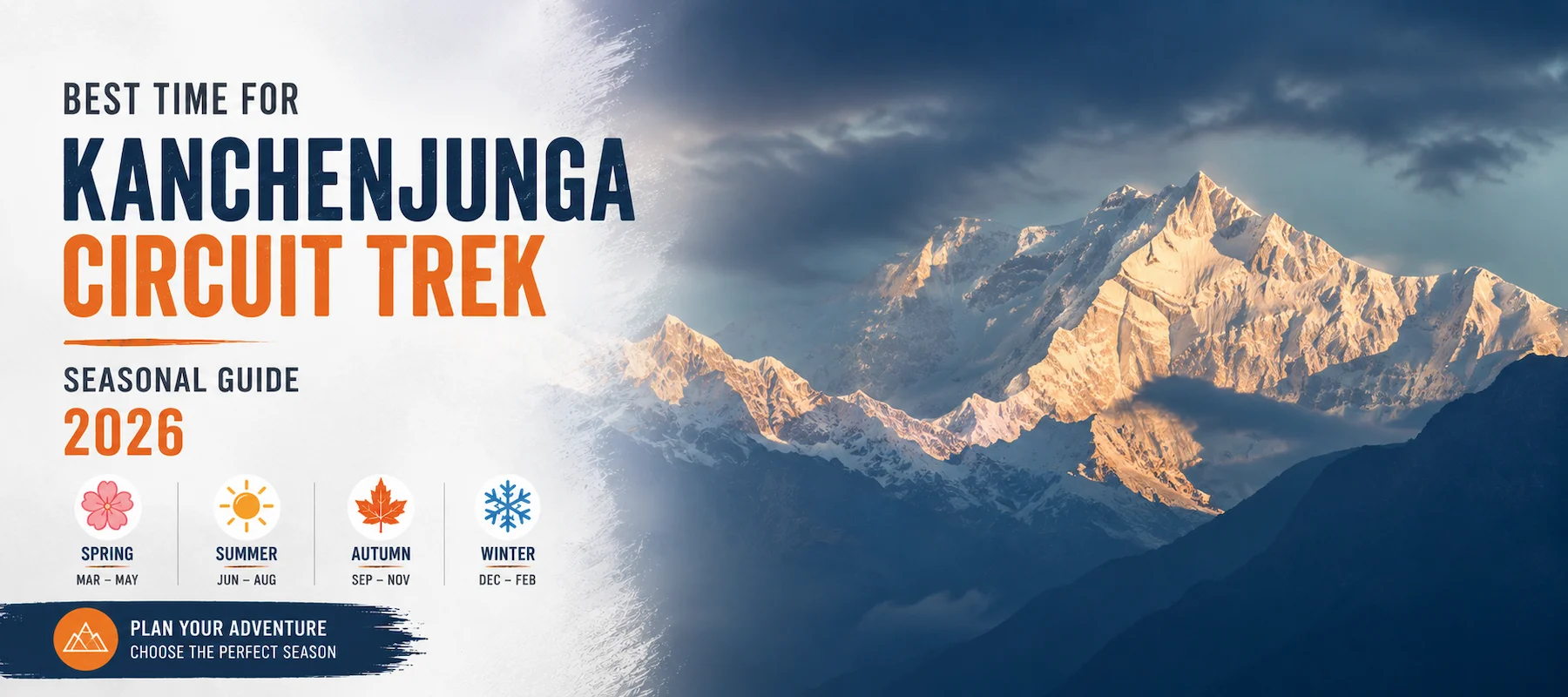
The Best Time for Kanchenjunga Circuit Trek is from September to November (Autumn).
However, what sets Kanchenjunga apart from other treks is its remoteness, lesser population, and extreme seasonality. The monsoon influence is more pronounced, being in eastern Nepal, where the monsoon winds are more abundant.
The season is best in the fall when the weather is favourable, and views are clear and the journey less daunting. However, compared to Manaslu or the EBC, Kanchenjunga is an area where fewer trekkers can be found even at its peak season. You may end up on a trail that you don’t encounter another western trekker on for days, even in October.
Spring is also a great time, and lots of seasoned trekkers prefer it over the fall season. Wildflowers flower (other than Manaslu flowers), the weather is nice, and you see even fewer crowds than during autumn.
Winter is a harsh and icy season indeed. The amount of snowfall in the Kanchenjunga region is higher than in the central region of Nepal. However, when you’re ready, it’s very lonely, and the views are tremendous. Monsoon is monsoon. Precipitation: heavy rain, clouds, landslides. Not recommended.
Kanchenjunga is unique in that, no matter how busy it gets in the season, you’ll have a lot more solitude than Manaslu or Everest Base Camp. It is the farthest of the major walks in Nepal.
Why Timing Matters for Kanchenjunga Circuit Trek
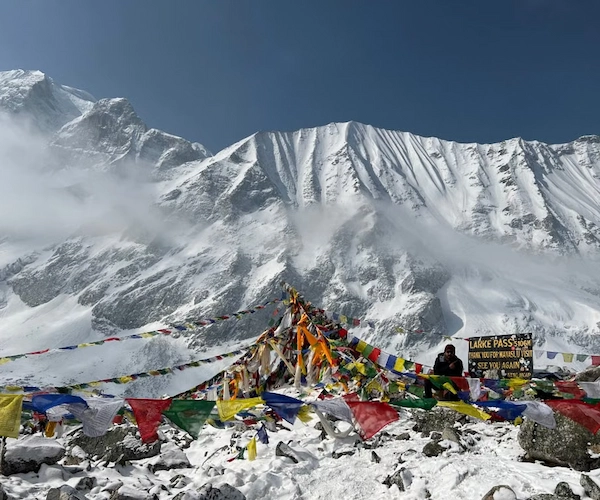
Kanchenjunga Circuit Trek is one of the longest in Nepal, with a duration of 23-24 days to the highest point of Singla La (5,458m). The walk is through a remote area, and the basic tea house facilities are available. Season matters profoundly.
- Weather determines route safety: Routes are not safe when the weather is adverse. The area of the Kanchenjunga region is more influenced by the monsoons than central Nepal is. Heavy rains during the summer months. Snowfall is heavier during the winter. Passes can turn into impassable real fast. The passes are easily crossed in the fall when conditions are stable and high pressure.
- Temperature affects health at altitude: Weather conditions at altitude have an impact on health. This hike lasts for a lot of days above 4000m. Here, temperature is a very crucial factor. Temperatures at night fall to -15°C or below in the winter. Spring nights aren’t too bad. There is more rain than sunshine during the summer months.
- Clouds block views constantly: The landscape is dominated by Kanchenjunga (8586m—the third tallest in the world), but if you can’t see it, then it’s not a problem. Clouds occur frequently in spring. The weather is always monsoon. Few clouds are seen in the autumn.
- Remoteness increases in poor seasons: This hike goes through villages where there is no English, little food and rescue will take hours. Remoteness becomes dangerous in the monsoon with landslides. It’s an adventure in fall.
- Crowds don’t actually exist here: There are actually no crowds here. During the peak season of October, 20-30 trekkers cross each day at Peak Manaslu. Peak Kanchenjunga sees 5-10. At busiest times, you feel isolated. Driving it is part of what’s great about Kanchenjunga, authentic, untouristed, raw Nepal.
- Cost varies but remains affordable: Cost goes from low to medium, but is still affordable. During peak season it is still cheaper than peak Manaslu due to fewer numbers of trekkers, thus the pressure of infrastructures is less.
Peak Season (September-November)? Best Time for Kanchenjunga Circuit Trek
The Best Overall Season for Kanchenjunga
The Best Overall Season for Kanchenjunga is spring.Spring is the Best Overall Season to visit Kanchenjunga. September to November is the best period in which to cross passes when the weather is most dependable.
- The weather becomes stable: Following the monsoon, the area gets clear skies through a high pressure system. October is particularly clear. During the day temperatures are good (15-20°C) at lower levels. Nights are cold at higher elevations (3,000m: -5°C, greater at higher passes). It’s reliability that’s the real draw. It’s possible to see the mountains as well. Kanchenjunga is monumental, it is the third highest peak in the world (8586m). It is clearly visible in fall, and sometimes on a daily basis. From several places along the track, the surrounding peaks (most of them over 7,000m) can be seen. Photography conditions are excellent. Passes begin to be passable. Snow on Singla La (5,458m) but passable. The route is clear. There is little risk from landslides. The safest time to travel along the route is this time of year.
- Crowds are remarkably light: During the peak of October, it’s likely between 5-10 trekkers a day for the entire route. There’s room at the tea houses. You may be eating by yourself. Occasionally you are the sole guest. Even during the peak season Kanchenjunga has far fewer trekkers than Manaslu, which has 20-30 trekkers per day.
The cost is reasonable: Trek packages cost USD $1,100-1,350, which is higher than Manaslu trek packages as it is a more remote and longer trek. More experienced guides are needed because of the remoteness. However, it’s not out of the budget.
Best specific weeks
- Early September (1-15) is great – Monsoon ends, weather improves, less crowds than in October, and prices are a bit lower.
- The most beautiful fall is in mid-October (10-25). Fine weather, best views, mountains very clear. A bit more crowded than normal for a trek. Book 2-3 months ahead.
- Early November (1-10) is still very good. The weather remains good, but clouds are growing, the crowds are lighter and the prices are lower. November 1-10 is a kind of sweet time – not too many people, not so bad quality.
- Avoid mid-November onward. Winter begins and cases of the flu begin to arise. Clouds increase. Passes become deeper when there is snow. Weather becomes unpredictable.
Spring Season (March-May)? Best Time for Kanchenjunga Circuit Trek
The Flower Season – Different but Equally Beautiful
For experienced Kanchenjunga trekkers, the spring season is preferred over autumn. The weather is nice, the crowds are not that bad, and the wildflowers are incredible.
- Spring wildflowers transform the trek: The walk is transformed in the spring when wildflowers are in bloom. There are alpine wildflowers in the Kanchenjunga region, while rhododendrons are also present, but not as much as in Manaslu. On days 8-12, you pass through high meadows full of flowers: purple primula, white anemone, yellow poppy, and pink rhododendrons. There are so many different types, it’s mind-boggling. Photography is incredible. The flowers are not all produced at once. In early March, nothing but green is visible! Buds develop by mid-April. They flower late in April. May is the best time to see the flowers, with more rainfall. The best time is the absolute best time, April 20-May 10.
- Temperature and comfort are excellent: The spring day temperatures are nice (15-22°C in the lower elevations, 0-5°C at the passes). The nights are cool (5-10°C at high camps). This is actually more comfortable for walking every day than fall.
- Mountain views are good but less reliable than in autumn: The weather is generally clear in the mornings for views of Kanchenjunga. Clouds develop in the afternoon. This is the compromise of spring—you get blossoms, but some loss of visibility versus the certain all-day visibility of the autumn season.
- Crowds are extremely light: Between 3 and 7 trekkers visit the site on a daily basis in the spring. You’ll hike for hours without any other human being in sight. Authenticity is maximized. Tea houses are authentic – they are not geared towards tourists.
- Cost is reasonable: Trek packages run USD $1,000-1,200, about USD $100-150 cheaper than autumn peak.
Best specific weeks
- Early April (1-15) has minimal flowers but excellent weather and budget prices.
- Mid-April to early May (April 20-May 10) is spring peak. Wildflowers at their best, weather warm but rains increasing by late May, few crowds, good value. Book 2 months ahead.
- Avoid late May (15+) Monsoon edge approaching. Rains increase daily. Weather becomes unstable.
Winter (December-February)? Best Time for Kanchenjunga Circuit Trek
For Experienced Trekkers Seeking Extreme Solitude
The Kanchenjunga area is very cold in the winter. Additional snowfall, colder weather, and greater isolation. For the ones who are ready, it’s transcendent.
- The cold is serious: Snowfall is heavier in the Kanchenjunga region than in central Nepal. Lows in the lower areas are cold during the day (5-12°C). During the day on high passes (-5,000m) the temperatures are at the freezing point, and during the nights they fall to -15°C or even below. This is not the kind of cold that is encountered when trekking, but rather at mountaineering elevation. The passes are covered in snow. There could be 0.5- 1 m of snow at Singla La. Snow navigation and the ability to perform in the cold (-15°C) with proper equipment is required along with mental toughness. It’s not for novices or casual trekkers.
- The reward is remarkable solitude: There are probably 100-200 trekkers in the season as a whole in the winter. Maybe 2-4 per day. Sometimes you go journeying all the way by yourself. In the autumn, tea houses that are “busy” are empty. This is a local family that cooks just for you. It is intimate, genuine, and raw.
- The sky is clear: The high pressure of winter brings clear skies. The mountain tops are clearly visible. Snow-capped mountain peaks shine in the sun. The amazing thing about photography is its beauty, except when it’s cold.
- Cost is the cheapest: The cost of trek packages is approximately 30% lower in the autumn term than in winter, at USD $800-1,000. Few people book treks in the winter, so it is much cheaper than in autumn – USD $800-1,000.
- February’s the best winter month: January is the coldest and harshest. February is a little warmer, a little more comfortable, but still has excellent conditions and solitude.
Monsoon (June-August)? Best Time for Kanchenjunga Circuit Trek
Honestly: Not Recommended
Other areas of trekking in Nepal are not as much affected by the monsoon as they are. Heavy monsoon moisture in the Kanchenjunga region is due to its location in the eastern part of the country and the position of the region in the path of the moisture-laden winds.
- Rainfall is heavy and persistent: Expect rain for 14-16 days of 17-20 trekking days. Not afternoon showers – heavy rain lasting through the afternoon. It rains all day long. Rivers swell. Trails become treacherous.
- Landslides are a serious issue: Emergency services are far away due to the remote location. Landslides block routes. In some seasons, entire monsoon departures are cancelled due to the unsafe nature of the route. Groups have been forced to turn back part of the way on a trek because of new landslides closing the route.
- You cannot see the mountains: Kanchenjunga is hidden by clouds. The surrounding peaks are not visible. You’re trekking through fog essentially.
- The remoteness becomes dangerous: Even in good times, this hike is remote. When there’s a landslide in a monsoon, remoteness implies that help is hours away.
- Cost is cheapest, but experience is worst: USD $700-850, you hike in the dark in mud, rain, and peril.
Kanchenjunga-Specific Weather Patterns
Knowing the weather in Kanchenjunga assists you in deciding wisely.
- Kanchenjunga receives more monsoon moisture than central Nepal: The area is directly in the path of the southwest monsoon winds from the Bay of Bengal. This implies that summer monsoons are more intense, winter is colder (more snow), and the transitions between seasons in spring are more dramatic.
- Autumn stability is crucial: That northwest high-pressure system brings tremendous stability. September to October is the best time to travel, as the weather is the most predictable and safest. This is the only time of year that you can be certain passes will be open, and that wintry weather will be favorable.
- Spring is a transition period: As temperatures warm, low pressure starts building to the south. This results in clouds, more rain possibilities, and instability by May. The window to trek in the spring is much smaller than that of Manaslu, really April and early May.
- Winter pressure systems create deep snow: In combination with any moisture remaining, Continental cold air from the north forms a great amount of snow. Can collect 0.5-1m of snow. It will need the skills and experience of mountaineering.
- Elevation magnifies everything: The temperature at 5458m (Singla La) is about 10-15°C lower than at lower elevation. Wind increases dramatically. At 5,000m, what can be done at 3,000m is extreme.
Understanding Kanchenjunga Crowds
The beautiful truth about Kanchenjunga: it’s remote and unpopular in the best way.
- During maybe 5-10 days of the month of Peak October, 5-10 trekkers come and go daily. That is in the 20-30 range, as opposed to 30-50 at Everest Base Camp or Manaslu. Kanchenjunga is still very remote even during the peak season. Other trekkers may not be visible on some days. Tea houses are local and not touristy at all.
- There are not many people in the park in spring or fall. October may have a few more trekkers than April, but the months are still rather bare when compared to the treks in central Nepal.
- Very few people come at this time of year. Probably 2-4 trekkers a day. It would be possible to go for a walk for 2-3 days without encountering another person.
- This is the big attraction of Kanchenjunga. Enjoy the mountain without the crowds. Tea houses are true and real. Villages are untouristed. It is just as if it were actually an adventure.
Cost Differences by Season
Trek package costs vary by season:
- October (peak autumn): USD $1,200-1,350. High cost reflects peak conditions but still light crowds.
- April (peak spring): USD $1,050-1,200. Good weather, flowers, slightly less than autumn.
- September/November: USD $1,100-1,200. Excellent conditions, moderate pricing.
- March/May: USD $950-1,100. Budget-friendly options at the end of the season.
- December/February: USD $800-1,000. Cheapest option—40% less than October.
Why variation? Remoteness means guides and porters are expensive regardless. But the high season sees more demand, so prices increase. Also, the trek is 23-24 days (longer than Manaslu), so daily costs are higher.
You save USD $400-500 by choosing February over October. That’s significant. And you’re not sacrificing experience—just dealing with extreme cold.
Frequently Asked Questions
Which single month is the absolute best for the Kanchenjunga Trek?
Mid-October (around 10–25 October) is considered the best time to trek Kanchenjunga. The weather is stable, mountain views are crystal clear, high passes are generally safe, and trekking conditions are excellent. Since only a limited number of trekkers visit the region, book at least three months in advance to secure permits and guides.
Is spring or autumn better for the Kanchenjunga Trek?
Both seasons are excellent. Autumn offers the clearest mountain views and the most stable weather, while spring is known for colorful wildflowers and blooming rhododendrons. Choose autumn for scenery and spring for vibrant landscapes.
Can I trek Kanchenjunga during the monsoon season?
Technically yes, but it is not recommended. Heavy rainfall, frequent landslides, muddy trails, and poor visibility make the trek much more difficult. Although prices may be lower, the overall experience is significantly reduced.
Is winter too cold for non-mountaineers?
For most people, yes. Winter temperatures can drop to around -15°C at night, and snow makes high passes more demanding. Experienced trekkers with proper winter gear can still enjoy the trek, but beginners should choose spring or autumn instead.
When do the wildflowers bloom?
Wildflowers begin appearing in early April, with peak blooms occurring between 20 April and 10 May. Late April is widely considered the most beautiful time for spring trekking.
Is Kanchenjunga always less crowded than Manaslu?
Yes. Even during peak season, Kanchenjunga remains far quieter than Manaslu. Most days see only a handful of trekkers, making it one of Nepal’s best choices for solitude, wilderness, and authentic mountain culture.
What if I can only trek in May?
Early May (1–15 May) is still a good time to trek. After mid-May, weather becomes increasingly unstable as the monsoon approaches, bringing more rain and reducing mountain visibility.
How difficult is Kanchenjunga compared to Manaslu?
Kanchenjunga is generally considered more challenging. It is longer (23–24 days), reaches higher elevations (up to 5,458m), is more remote, and has fewer facilities along the trail. Proper preparation and good fitness are essential.
Do trekking permits restrict which season I can trek?
No. Kanchenjunga trekking permits are available throughout the year. However, hiring a licensed guide is mandatory in every season. During peak seasons, it is best to book your guide 2–3 months in advance.
Should I choose spring or wait for autumn?
Choose spring if you want blooming wildflowers, fewer trekkers, and slightly lower costs. Choose autumn if your priority is crystal-clear mountain views, stable weather, and ideal trekking conditions. Winter suits experienced trekkers seeking solitude, while monsoon is generally not recommended.
Conclusion & How to Choose
Choosing the right season is your most important Kanchenjunga decision.
If you want guaranteed excellence, choose October. The weather will be perfect. Views will be crystal clear. Mountains will be visible. Passes will be safely crossable. Even with light crowds by trekking standards, you’ll encounter other trekkers, and guides will be eager. Cost is highest (USD $1,200+). But you’ll get the classic Kanchenjunga experience with maximum reliability.
If you want flowers and save money, choose April. Wildflowers will be blooming. Weather will be good (afternoon clouds likely, but manageable). Crowds will be minimal. The cost will be lower (USD $1,100). Only drawback: clouds might obscure afternoon views.
If you want extreme solitude and clear skies, choose February. Mountains will be crystal clear (arguably clearer than autumn). You’ll trek mostly alone. The cost will be half in October. Challenge: extreme cold requires preparation, proper gear, and experience.
If you want a budget and good weather, choose March. The weather will be dry and clear. The cost will be low. Flowers won’t bloom yet. Crowds will be minimal. March is the “budget + weather” sweet spot.
Never choose monsoon (June-August). The experience simply isn’t good enough. Save longer, choose any other season.