(Viber, Whatsapp, Cell) +977 9851022814

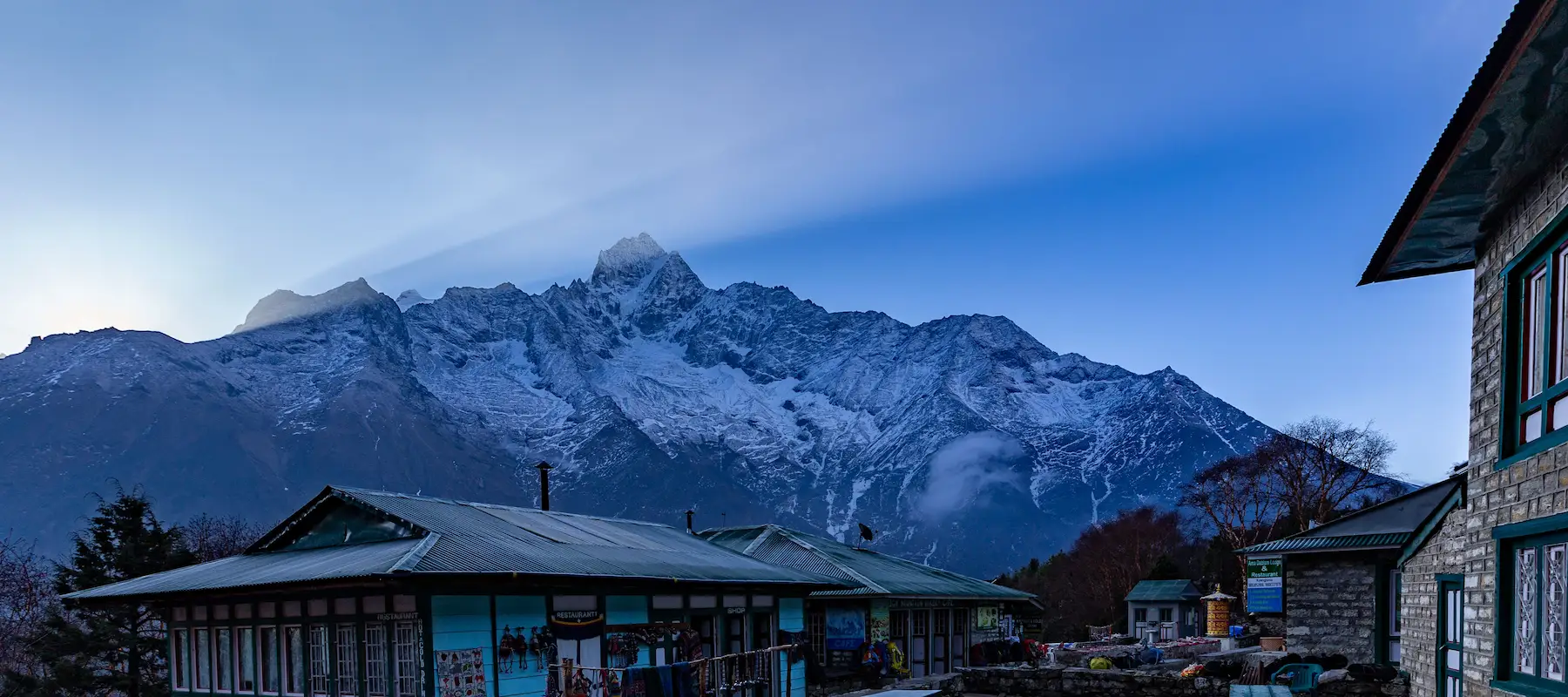
Tea House Trekking in Nepal is one of the greatest travel experiences on Earth. Additionally, it combines Himalayan adventure with warm local hospitality, simple mountain lodges, and surprisingly excellent plates of fried potatoes after long uphill walks.
Unlike camping treks, tea house trekking allows travelers to sleep inside small mountain lodges each night. Meanwhile, these tea houses provide meals, beds, hot drinks, and places to rest tired legs while staring dramatically at snow-covered peaks outside the window.
At Alliance Treks, we have guided trekkers across Nepal for more than 34 years. Moreover, we have watched countless travelers arrive expecting rough survival conditions and leave wondering why mountain tea houses somehow serve better apple pie than cafes back home.
Tea house trekking feels wonderfully human. Furthermore, evenings become filled with conversations around dining room heaters while strangers from different countries exchange trekking stories, altitude complaints, and opinions about instant noodles.
Tea house trekking opened Nepal’s mountains to ordinary travelers. Additionally, people no longer needed heavy camping equipment or massive expedition budgets to experience the Himalayas.
You hike during the day, enjoy mountain scenery, and sleep inside a warm lodge at night. Meanwhile, someone usually hands you hot tea within thirty seconds of arrival, which honestly feels heroic after six hours uphill.
Camping keeps trekkers slightly separated from local life. However, tea houses place travelers directly inside mountain communities.
Trekkers eat beside local families, chat with lodge owners, and learn regional traditions naturally. Consequently, tea house trekking in Nepal feels far more personal and memorable. Alliance Treks believes these human connections often become travelers’ favorite memories. Additionally, mountain hospitality in Nepal remains genuinely special.
First-time trekkers often imagine tea houses as rough wooden huts barely standing against mountain winds. However, many lodges feel surprisingly comfortable.
Most tea houses provide twin-sharing rooms with beds, blankets, and pillows. Additionally, dining halls usually contain wood stoves or yak-dung heaters that become social gathering spots every evening.
The higher you trek, the more basic facilities become. Meanwhile, expectations should remain realistic. Hot showers occasionally disappear, Wi-Fi sometimes becomes mythical, and charging electronics may cost extra.Still, after a long trekking day, even a basic room feels luxurious.
Food menus across trekking regions look oddly similar. Furthermore, you quickly notice that fried rice, noodles, pasta, soup, pancakes, and potatoes dominate mountain cuisine.
Dal Bhat remains the trekking superstar. Additionally, this traditional Nepali meal includes rice, lentils, vegetables, and endless refills that somehow arrive magically before you even ask.
Trekkers develop strange food obsessions in the mountains. Meanwhile, garlic soup suddenly becomes a daily necessity despite nobody touching it at home.
The Annapurna region offers Nepal’s most famous tea house trekking routes. Moreover, excellent infrastructure makes this area ideal for beginners and experienced trekkers alike. Popular routes include the Ghorepani Poon Hill Trek, Mardi Himal Trek, and Annapurna Base Camp Trek.
Everest tea house trek experiences combine legendary mountain scenery with Sherpa culture. Additionally, tea houses here often feel lively because trekkers from around the world gather nightly.
The Everest region attracts dreamers, photographers, and people who suddenly become obsessed with mountain bakeries at high altitude.
Langtang tea house trekking feels quieter and more intimate. Furthermore, the region combines glacier scenery with warm Tamang hospitality. Alliance Treks regularly recommends Langtang for travelers wanting peaceful trails without sacrificing mountain views.
The Ghorepani Poon Hill Trek remains one of Nepal’s classic tea house adventures. Additionally, the route passes rhododendron forests, Gurung villages, and endless stone staircases that secretly test your patience.
Tea houses here feel comfortable and welcoming. Meanwhile, dining rooms buzz nightly with trekkers comparing hiking struggles while pretending their knees feel perfectly fine.
Sunrise from Poon Hill creates unforgettable memories. Furthermore, Annapurna and Dhaulagiri glow golden while sleepy trekkers clutch mugs of tea in freezing morning air.
Annapurna Base Camp Trek combines dramatic scenery with excellent tea house infrastructure. Moreover, trekkers sleep beneath giant Himalayan walls while enjoying surprisingly good meals at high altitude.
The final approach toward base camp feels cinematic. Consequently, many trekkers fall silent simply staring upward at snow-covered giants surrounding the valley.
Alliance Treks has guided trekkers here for decades. Additionally, our guides know exactly where to stop for the best mountain photography spots.
Everest Base Camp Trek represents Nepal’s most iconic tea house trekking route. Additionally, the trail combines Sherpa villages, suspension bridges, monasteries, and legendary mountain views.
Tea houses in Namche Bazaar feel almost luxurious compared to remote regions. Meanwhile, higher villages become simpler but more atmospheric.
Trekkers often gather around dining hall heaters every evening discussing altitude symptoms dramatically while secretly eating chocolate bars.
Everest tea houses create friendships quickly. Furthermore, trekkers from different countries share stories, route updates, and surprisingly detailed discussions about blisters.
Some people arrive alone. However, many leave with lifelong trekking friends.
Langtang Valley Trek offers one of Nepal’s most rewarding tea house experiences. Moreover, the route feels quieter than Annapurna or Everest while still delivering spectacular Himalayan scenery.
Tea houses along the trail remain family-run and welcoming. Additionally, evenings often include local stories, warm meals, and endless cups of milk tea.
The valley itself feels dramatic yet peaceful. Meanwhile, yaks wander nearby while glaciers shine above distant ridgelines.
Kyanjin Gompa becomes the highlight for many trekkers. Furthermore, the small settlement sits beneath enormous mountains that feel almost unreal at sunrise.
Alliance Treks encourages travelers to spend an extra acclimatization day here whenever possible.
Tea house rooms usually contain two single beds, blankets, and simple furniture. Additionally, walls may feel thin enough to hear neighboring trekkers unzip sleeping bags at midnight.
However, most trekkers quickly stop caring because exhaustion wins every argument.
Lower-elevation tea houses often provide attached bathrooms. Meanwhile, higher regions usually offer shared facilities.
Hot showers exist in many villages. However, cold weather occasionally turns “hot shower” into a deeply philosophical concept.
Most tea houses provide charging stations and Wi-Fi services for extra fees. Additionally, connection speeds range from acceptable to hilariously terrible.
Ironically, poor internet often improves the trekking experience dramatically.
Tea house trekking costs vary depending on route and season. Additionally, Everest region treks usually cost more because transportation and supplies become expensive at higher altitudes.
Annapurna region routes generally remain more affordable. Meanwhile, remote trekking regions often involve additional logistics costs.
Alliance Treks helps travelers choose routes matching both comfort expectations and budgets.
Most trekkers spend money on accommodation, meals, drinks, charging devices, and occasional bakery items that become emotionally important at altitude.
Oddly enough, cinnamon rolls above 3,000 meters taste suspiciously life-changing.
Practical Tip: Carry a sleeping bag even during tea house treks. Additionally, mountain nights become colder than many travelers expect.
Tea house trekking allows lighter backpacks compared to camping. Furthermore, overpacking becomes everyone’s favorite regret by the second uphill climb.
Bring layers, comfortable shoes, and essential toiletries. Meanwhile, leave unnecessary “just in case” items behind.
Tea houses are family homes as well as trekking lodges. Consequently, respectful behavior matters greatly.
Always remove shoes where required. Additionally, ask before photographing local people or religious objects.
Beginners often rush unnecessarily. However, steady pacing helps enormously in Himalayan regions.
Alliance Treks guides constantly remind trekkers to walk slowly, hydrate well, and enjoy the scenery instead of racing uphill heroically for five minutes before collapsing dramatically.
Practical Tip: Carry cash during tea house treks. Additionally, remote mountain villages rarely accept card payments.
Important Warning: Never rely completely on Wi-Fi or mobile signals during Himalayan trekking. Furthermore, weather conditions can disrupt communication quickly.
Tea house treks usually include accommodation, meals, guides, permits, and transportation, depending on the package you choose. At Alliance Treks, itineraries can also be customized to match your travel style and preferences.
Yes. Tea houses throughout Nepal are generally safe, welcoming, and family-run. Local communities rely heavily on trekking tourism, making hospitality an important part of the trekking experience.
The Ghorepani Poon Hill Trek is one of the best tea house treks for beginners. It offers comfortable accommodation, well-established trails, and manageable daily walking distances while providing spectacular Himalayan views.
Many tea houses offer hot showers for an additional fee. However, facilities become more basic at higher elevations, and hot water availability may depend on the weather and location.
Absolutely. Tea house trekking is a popular choice for solo travelers. The trails are social, and trekkers often meet fellow hikers in dining halls and lodges along the route.
Tea House Trekking in Nepal offers the perfect combination of adventure, comfort, cultural immersion, and breathtaking Himalayan scenery. Whether you’re a first-time trekker or an experienced hiker, staying in tea houses lets you experience Nepal’s mountain hospitality without the need for camping, making your journey both memorable and enjoyable.
You spend days walking through forests, villages, and mountain valleys. Meanwhile, evenings bring hot meals, warm tea, tired legs, and conversations beside glowing stoves while snow peaks shine outside. The mountains feel enormous. However, tea houses make the Himalayas feel welcoming rather than intimidating.
Alliance Treks has guided trekkers through Nepal’s mountain trails for more than 34 years. Moreover, our experienced local team understands how to create safe, meaningful, and unforgettable Himalayan adventures. If you have been dreaming about Nepal trekking but worrying about camping or difficult conditions, tea house trekking might become your perfect introduction to the Himalayas.
Visit www.alliancetreks.com and start planning your tea house trekking adventure with Alliance Treks today.
Alliance Treks & Expedition Pvt. Ltd. Once is not enough for naturally and culturally Himalayas