(Viber, Whatsapp, Cell) +977 9851022814

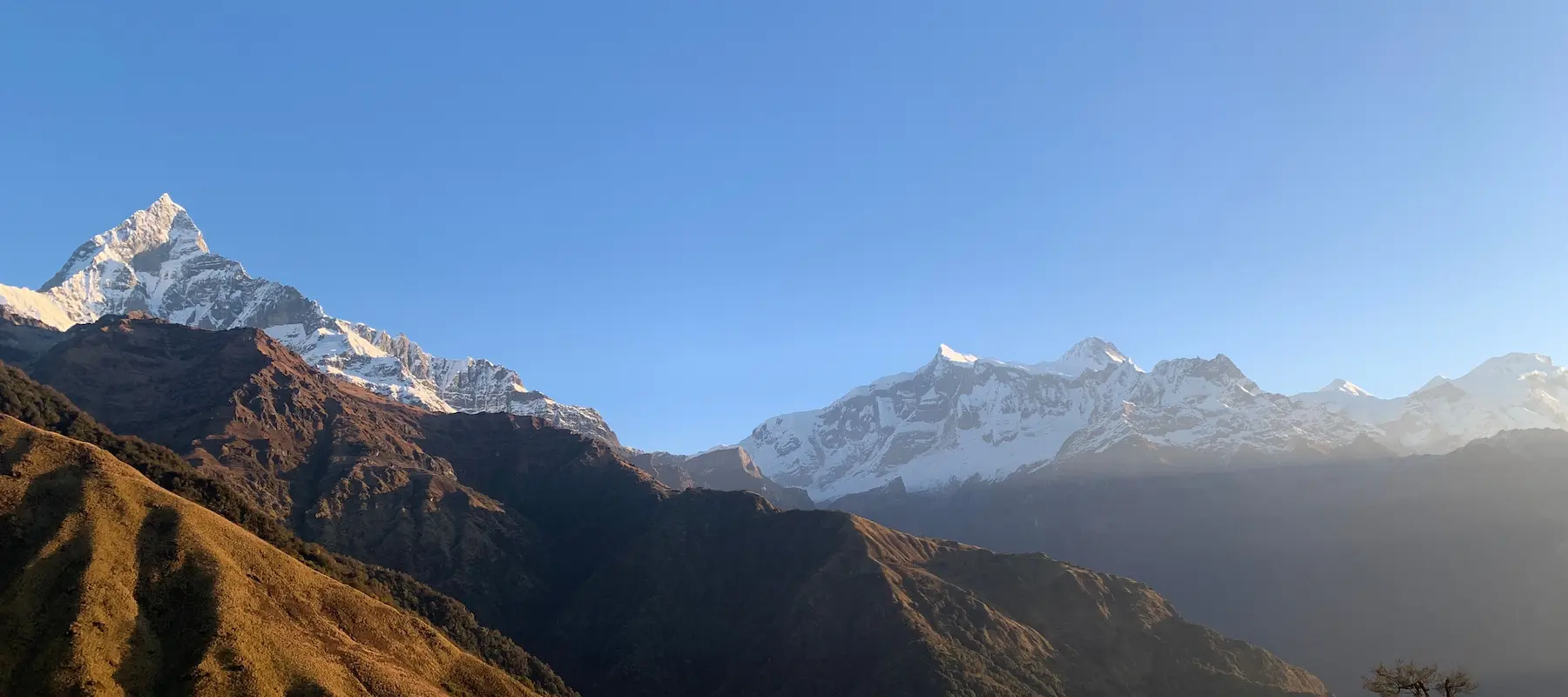
Ghorepani Poon Hill Trek is one of Nepal’s most popular and for good reason. You’ll climb to Poon Hill (3,210m), watch sunrise over snow-capped mountains, walk through rhododendron forests, and experience authentic Nepali village life.
But here’s what most first-timers don’t realize: Packing right makes the difference between loving your trek and struggling through it. We’ve guided thousands of trekkers up Poon Hill. We’ve seen people arrive unprepared and miserable. I’ve seen others pack too much and carry burdensome weight. We’ve learned what works for the Ghorepani Poon Hill Trek Packing List.
This guide tells you exactly what to pack for the Ghorepani Poon Hill Trek. Not generic advice. Not packing for other treks. Specific to this trek, this altitude, this terrain, this season.
Ghorepani Poon Hill trek is a moderate trekking destination and it’s not extreme. But wrong packing still causes problems.
What goes wrong with bad packing:
Understanding the trek helps you pack right.
| Factor | Details |
| Duration | 9 days total (3 trekking days + 4 Kathmandu/Pokhara) |
| Actual Trekking | Days 4, 5, 6, 7 = 4 days of walking |
| Daily Walking | 3-4 hours to 8-9 hours |
| Max Altitude | 3,210m (Poon Hill) |
| Start Point | Nayapul (810m) |
| Accommodation | Tea houses (basic, clean) |
| Group Size | 1-15 people |
| Difficulty | Moderate (not hard, not easy) |
| Best Season | March-May (spring), September-November (autumn), December-February (winter) |
Your backpack carries everything for the whole trekking so getting it right is necessary.
Good backpack features:
Budget: A good trekking backpack costs USD $80-150 which is worth it. Cheap backpacks create shoulder/back pain problems in the long run.
Poon Hill trek has temperature swings so you need flexibility in cloth selection process.
The challenge: Lower elevation (Nayapul, 810m) is warm. Higher elevation (Poon Hill, 3,210m) is cold. Same day temperature goes from 20°C to 0°C. Need layers.
| Item | Quantity | Why |
| Merino wool t-shirts | 2-3 | Don’t smell after wearing. Better than cotton. |
| Merino wool long sleeves | 1-2 | Sun protection (altitude sun is intense). |
| Merino wool socks | 4-5 pairs | Prevent blisters. Tea house laundry available. |
| Thermal underwear | 1-2 pairs | For nights above 2,500m. Tea houses get cold. |
| Underwear | 3-4 pairs | Merino or synthetic (never cotton). |
Most important rule: No cotton. Cotton holds moisture. Wet cotton = you’re cold.
| Item | Quantity | Temperature |
| Lightweight fleece jacket | 1 | Down to 10°C |
| Wool sweater or cardigan | 1 | Down to 5°C (optional) |
One fleece is usually enough. You can layer under it.
| Item | Quantity | Purpose |
| Waterproof, breathable jacket | 1 | Essential for rain (afternoon showers common) |
| Waterproof pants | 1 | Full-length (rain protection) |
| Lightweight rain poncho | 1 optional | Covers pack + you while walking |
Your feet carry you 5-8 hours daily. They deserve care.
What to look for:
Cost: USD $80-150 for good hiking boots
Pro tip: Buy boots 2 months before trek. Wear them on weekend hikes. Break them in at home. Arriving with new boots = guaranteed blisters.
| Footwear | Purpose |
| Primary boots | Daily trekking (7-8 hours) |
| Lightweight shoes/trail runners | Evening wear in tea houses (gives feet relief) |
| Sandals or slip-ons | For tea house interiors (respectful, comfortable) |
Multiple footwear options prevent blisters. Your feet need boot-free time daily.
Tea houses provide basic beds. Your gear makes them comfortable.
Temperature rating: 0°C to -5°C minimum
You don’t need extreme-cold bags (not high altitude extreme trek)
Lightweight synthetic works fine
Down compresses better (if budget allows)
Why this matters: Tea houses don’t have heating above 2,500m. Your sleeping bag is your warmth source.
| Item | Why |
| Sleeping bag liner | Adds warmth, keeps bag clean, easy to wash |
| Foam pad or mattress | Tea house beds are hard. The pad adds comfort + insulation. |
| Pillow or stuff sack | Cervical support for your neck |
| Wool blanket | Some tea houses provide blankets. Having an extra layer helps. |
Tea house bathrooms are basic. Basic hygiene prevents problems.
| Item | Purpose |
| Biodegradable soap | Wash hands, body, clothes |
| Quick-dry travel towel | Microfiber dries fast |
| Toothbrush + toothpaste | Daily care |
| Sunscreen SPF 50+ | Altitude sun is intense. Apply hourly. |
| Lip balm with SPF | Prevent chapped lips (wind + altitude) |
| Moisturizing lotion | Altitude air is extremely dry |
| Wet wipes or hand sanitizer | Water is limited for handwashing |
| Feminine hygiene products (if needed) | Bring extra. Not available in villages. |
| Deodorant (optional) | Tea house stays feel long without showers |
| Dry shampoo (optional) | Hair stays cleaner longer |
Small problems become big problems in remote areas.
Essential Medications
| Medication | Purpose | Quantity |
| Pain reliever (ibuprofen) | Altitude headaches, muscle pain | 20 tablets |
| Anti-diarrheal (Imodium) | Dietary change in mountains | 10 tablets |
| Antihistamine (allergy pill) | New foods might cause allergies | 10 tablets |
| Antacid | Digestive discomfort | 10 tablets |
| Blister treatment (Leukotape) | Prevent blisters from becoming serious | 1 roll |
| Antibiotic ointment | Minor cuts, scrapes, prevention | 1 tube |
Document your memories. Stay connected if needed.
| Item | Purpose |
| Smartphone | Primary camera for most trekkers |
| Portable Charger (5,000–10,000 mAh) | Tea houses have limited charging outlets |
| USB Charging Cable | Required for charging phones and power banks |
| Universal Adapter | Nepal commonly uses Type D and Type A plugs |
| Headlamp with Batteries | Essential for the early morning Poon Hill sunrise hike (around 3 AM start) |
| Offline Maps Downloaded | Cellular coverage can be unreliable in mountain areas |
The Poon Hill sunrise is the highlight. Pack accordingly.
| Item | Why |
| Warm Layers (All of Them) | At 3,210m during sunrise, temperatures can drop to -5°C with strong wind chill. |
| Headlamp with Full Batteries | The hike usually begins between 3–4 AM when it is still dark and cold. |
| Hot Drink in a Thermos | Helps keep you warm before sunrise. Some tea houses provide hot drinks. |
| Energy Snacks (Bars, Nuts) | Provides energy for the early morning climb before breakfast. |
| Extra Warm Socks | Keeps feet warm during the cold pre-dawn hike. |
| Camera with Charged Battery | Capture the spectacular sunrise and panoramic Himalayan views from Poon Hill. |
| Waterproof Gloves (Optional) | Useful during very cold mornings; chemical hand warmers can provide additional comfort. |
Legal requirements + practical payments.
| Document | Required? |
| Passport (Original + Copy) | YES — Required at trekking checkpoints. |
| Nepal Tourist Visa | YES — Obtain on arrival or through a Nepalese embassy. |
| TIMS Card (Trekkers’ Information Management System) | YES — Usually included in the trekking package. |
| ACAP Permit (Annapurna Conservation Area Permit) | YES — Required for the Poon Hill Trek and generally included in the package. |
| Travel Insurance | Recommended — Should include emergency medical and helicopter evacuation coverage. |
| Travel Confirmation | Helpful — Not mandatory, but useful for reference during travel. |
| Credit Cards | YES — Useful as a backup payment method, though cash is preferred on the trek. |
| Currency | Amount | For |
| Nepali Rupees (NPR) | USD Equivalent of $200–300 | Tea house meals, drinks, snacks, WiFi, charging fees, hot showers, and guide/porter tips. |
| US Dollars (USD) | $100–150 | Emergency backup funds, additional tips, and unexpected travel expenses. |
They are optional but highly recommended. Trekking poles reduce knee strain during descents, improve balance on uneven trails, and weigh very little. A good pair typically costs around USD $30–50.
Yes. Sleeping bags, sleeping pads, and down jackets are widely available for rent in Pokhara, usually costing around USD $3–5 per item for a 9-day trek. Rental quality varies, so inspect the gear before renting.
A typical package with Alliance Treks costs around USD $600–900, depending on group size and services included. Packages generally cover guides, porters, accommodation, meals, and permits. International flights, travel insurance, tips, and personal expenses are usually excluded.
Not if you prepare properly. Wearing well-broken-in hiking boots, merino wool socks, comfortable camp shoes, and carrying blister treatment can make the trek much more comfortable.
Altitude sickness is uncommon on the Ghorepani Poon Hill Trek because the highest point is only 3,210m. Walking at a steady pace, staying hydrated, and ascending gradually greatly reduce the risk. If symptoms occur, descending to a lower altitude is the best treatment.
A porter normally carries up to 15kg (about 35 lbs) of shared luggage. Hiring a porter allows you to enjoy the trek with only a light daypack. Porter services generally cost around USD $20–25 per day.
Yes. Winter trekking is possible and often offers clear mountain views with fewer crowds. However, temperatures are much colder, and snowfall is possible above 2,500m, so warmer clothing is essential.
Most tea houses offer WiFi for an additional fee of around USD $2–5 per day. The connection can be slow and unreliable, so it’s a good idea to download offline maps and travel information before your trek.
Yes. Many tea houses provide laundry services for approximately USD $2–3 per load. Drying times depend on the weather, so plan accordingly if you intend to wash clothing.
Yes, but investing in quality hiking boots, a warm sleeping bag, and a reliable waterproof jacket will greatly improve your comfort and safety. You can save money by renting or using budget accessories while prioritizing essential gear.
Alliance Treks & Expedition Pvt. Ltd. Once is not enough for naturally and culturally Himalayas