(Viber, Whatsapp, Cell) +977 9851022814

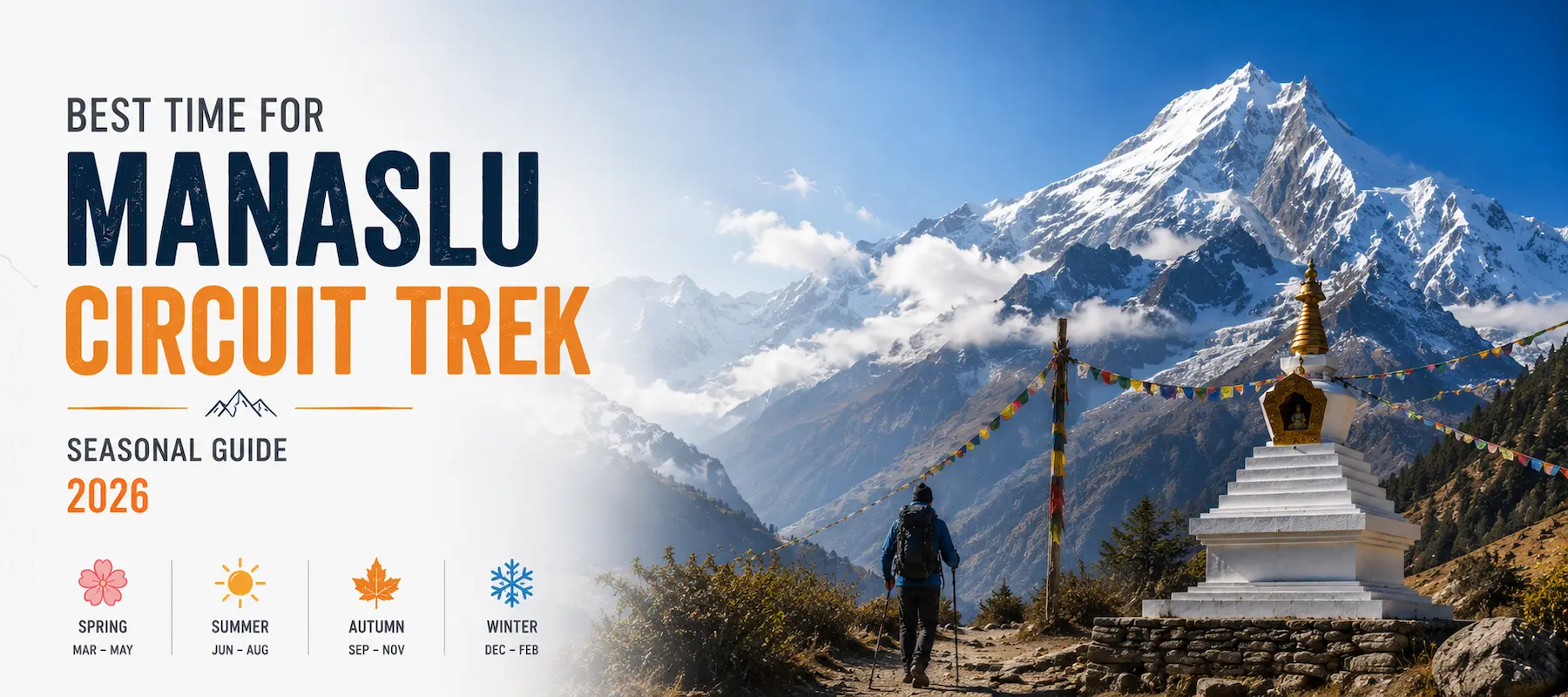
The best time for Manaslu Circuit Trek is September-November (Autumn) But the reality is more nuanced.
Fall is a great time for hiking the high country with its blue skies, mild weather, and stunning views. The Himalayan Mountaintop of Mt. Manaslu will be seen in its bright white and deep blue setting. The day-time temperatures are comfortable (15-20°C) while the night-time ones are cold but manageable (-5 to 0°C). This is the high season, though, and prices are higher, and so will be the number of trekkers you’ll find.
Spring (March-May) is also a great time, but different. The mountains are not quite as rugged as autumn, but the rhododendron forests are in a blaze of color. Think about hiking through mountains that are blanketed with pink, red and white flowers. It’s warmer during the day and fewer visitors than this time of year.
During the winter (December, January, February) the skies are clear and the solitude is serious. You might end up hiking for days and encounter virtually no other hiker. The price is almost half that of autumn. However, the nights can get to -10°C and sometimes colder. Experience and equipment are required.
Monsoon (June-August) is quite the downer time period. Rainfall each afternoon – heavy, mountains obscured by clouds, hazardous landslides. Led trekkers who failed to see Mt. Manaslu after 17 days. They went on the journey without seeing the way.
In short, 90% of trekkers go in September-November and March-May. For good reason. You’re living in the greatest of times!
Manaslu Circuit Trek is 17 days at high altitude (up to 5,160m). Season affects everything about your experience:
What timing controls:
The season with the highest average rating for most people.
September to November is the most popular time to be on the trail and quite honestly, it’s a good time of year.
The weather is absolutely ideal. Dry conditions with temperatures of 15-20°C at day-time are comfortable enough (you are not in trouble with heat, but not in trouble with cold either) and you don’t need heavy layers. You can walk in tea forests in a t-shirt and fleece and you’re perfectly comfortable! It is cold at night with temperatures ranging from -5 to 0°C, but a good sleeping bag can cope with this. But most importantly, there is little rain. Perhaps an afternoon shower every now and then, but not enough to obstruct trails and spoil the fun.
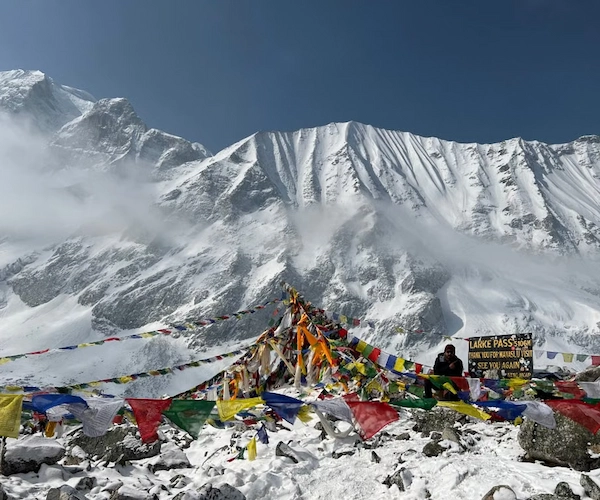
The true magic is the sky. During autumn, the sky is a bright blue 90% of the time. The air is fresh and clean. At the end of Day 11 you are at Larke La Pass at 5,160m and can enjoy a 360-degree view of snow-covered mountains. The sheer magnificence of Mt. Manaslu (8163m) stands out, a pristine white peak perched over all the rest. Manaslu North is delicious and clear. All the surrounding peaks are visible. That’s a dream come true for trekkers.
The crowds are sizable but not overwhelming. About 1,500 to 2,000 trekkers per season (c. 20-30 per day) are seen over the entire season, especially during the peak season (October). Other trekkers will be in your tea house. Dinner becomes a social gathering, sharing stories with people from different countries, different background, all given one mission: this adventure. Some trekkers enjoy this. Others don’t like it because it’s too crowded.
The problem is the expense and stress of booking. A trek package ranges from USD $850-1100, October being the most expensive month in the year. That’s $200-300 more than winter. And 2-3 months’ booking is required. October dates (mid-October especially) often fill up by July.
The first week or so of September (1–15) is a great time. The monsoon will be coming to a close, the air is clearing but October crowds are not yet here. It is a great time to visit the area with its fine weather, clear sky, and lesser number of trekking visitors as compared to the mid-October season. There’s also a little less of a premium for the prices.
Absolute peak is mid October (10-25). Best weather, crystal clear views, most popular. However, the most costly and booking is required for June.
It’s still early November (1-10) and it’s great! Weather remains good, clouds are just starting to increase, but not significantly. The number of people in the crowd decreases significantly from October. Prices have come down. This is a great deal during the busy season.
Avoid mid-November onward, Winter is starting and also clouds increase. There is an increasing risk of snow above 3,500m and windows are quickly shut.
It is the most popular season for trekking among many experienced trekkers, even though they prefer the spring season to autumn. Moderate crowds and good weather, but with a unique selling point – the rhododendrons.
The entire hike is taken over by the rhododendrons. Certain days, particularly days 6-8, you pass through the mountain-side blanketed with rhododendron flowers. This is about 2-3 meter tall bushes that are literally exploding with pink, red, white and purple flowers. The whole hillside looks like a flower garden. Colors flow into the valley. Until you’ve seen it, it is difficult to describe. Photography is incredible. Even those who aren’t photographers pause frequently to take photographs.
It takes time for the flowers to grow. There are green leaves in the spring in early March. The first buds appear in mid-April. Peak bloom is in late April when the most flowers are open at any given time. Flowers are still on the tree in May, but fading, and it’s getting rainer and rainer. The best window is April 15-25.
The weather and temperature are nice. The daytime temperature is 15-22°C, which is warmer than at the same time of year in the autumn. Nights are 5-10°C which is cold but not as cold as winter. The amount of precipitation increases during March and April, but is relatively low. The month of March is very dry. Showers are possible throughout the day during the month of April. The monsoon edge is also nearing and afternoon rains increase by mid-May.
The views of the mountain are good but not perfect. Spring skies are 90% of the time crystal clear, but clouds rise as you move closer to May. It is a good place to watch the sunrise, typically the views are great – you can easily see Mt Manaslu at dawn. Clouds will usually form from the south in the afternoon. Still great—the mountains are still visible—but not like the all day clarity of fall.
Crowds are moderate. The total number of trekkers in the spring is 1200-1800, which is less than in the fall but still a respectable number. Tea houses are not overcrowded but are very busy. You see other trekkers but don’t feel the pressure. Many believe this to be the middle ground; not too social that you meet people, and not too isolated that you find peaceful.
The cost is reasonable. The cost of a trek package in spring is USD $750-950, $100-150 less in autumn. Excellent trekking and economical. Generally, it’s enough to book 2 months in advance; it’s not necessary to reserve as far ahead as fall.
The least flowery period is early March (1-20) with the lowest prices and the driest weather. Budget, conditions good, but no flowers.
The spring season is peak April (from 10-25). It’s the rhododendrons that are in bloom, warm weather, and it’s perfect. Book 2 months ahead.
There are flowers in early May (1-15), but they are becoming wilted. Rains are increasing. The danger of Larke La increases. Stay away from late May (monsoon edge, landslide danger).
For experienced Trekkers, seeking solitude, It is this time of year that things are honest. It’s not an easy season. Beauty is everywhere but the risk is high and many difficulties can arise.
The cold is real. The temperatures in the daytime are fine (5-15°C) at lower altitudes and comfortable for walking. But at night? At Samdo (3,875m) you’re looking at -10°C. At Larke La Pass (5,160m) on Day 11, it can be -15°C or colder. Your fingers hurt. If you’re not careful, your feet go numb. No heating in Tea Houses. Water freezes. You always have a cloud of breath.
I’m not saying this is for everyone, I just want to make sure everyone understands that. If it is your first time, you shouldn’t go for winter. However, if you are an experienced, well-equipped and mentally savvy individual, winter has something special to offer: You will go to sleep at night with a minimum of -10°C.
The sky is the clearest in the season. Stable weather is provided by winter high pressure systems. There is hardly any rain. Clearly visible. As you summit Larke La Pass in winter, you find yourself in absolutely pristine conditions – clear, blue skies and incredible views, crisp cold air that makes the mountains seem to float. Winter is considered by some to be the best mountain photography season of the year; they claim that the air is the clearest.
You’ll be alone. Around 300-600 trekkers trek throughout the season in winter, or 3-10 daily on average. You will not find another trekker some days. October is a very busy time at the packed tea houses until it empties out! You may be the only visitor to a tea house. You are served a private meal by local families. It’s an intimate, authentic experience. Winter is the season for seclusion and for connecting to the mountains.
The lowest cost is the most economical choice. The Trek package is priced at USD $600-800 which is almost half of what it was in October. This makes winter available for budget travelers who also are sufficiently experienced to be able to deal with the cold. The savings on the money are substantial.
The best winter month is February. January is the coldest and toughest. February is still quite clear, and a little warmer and rather more comfortable. Also December (late December in particular) is up to par and then before January extreme colds.
is the least favourable time for the Manaslu Circuit Trek. We will not recommend it unless you have highly special reasons.
It’s raining a lot. Not every day with afternoon showers. I mean continuous, heavy downpour. Overnight rain and at times all day. Occasionally afternoon rain lasts several hours. My experience leading monsoon trips is that you can expect rain 13-15 of your 17 days in July (peak monsoon). Your clothes stay wet. You get wet in your sleeping bag. Everything feels damp.
Mountains are not visible. This is the trek to Manaslu. That 8,163m peak is a peak you pay USD $700 to see. During the monsoon, it is covered by clouds. I have been leading treks for people that I didn’t get a chance to see Mt. Manaslu even once in 17 days. They had to pay to take a ride on a blind and a blind. They were angry. Rightfully so.
Slides are a very serious matter. The soils are drenched with monsoon rains. Hillsides collapse. Trails get blocked. In some years, trekking companies do not do any monsoon trekking due to unsafe conditions.In some years, trekking companies cancel out the whole monsoon season because of unsafe conditions on the route. Rivers swell and are too dangerous for crossing. I have had to reroute groups due to fresh landslides blocking the route on the trek.
It’s a depressing experience. Rain, no views, cold from rain and altitude, mud trails, unsung tea houses, as there is no trekking, and not much to eat, as supplies can’t reach villages. I’ve led monsoon treks on which people were miserable to the fourth day and rarely completed the trek.
The paradox: No one wants to trek monsoon, so it is the cheapest season (USD $600-750). You save money, but you do not get the experience you’re paying for, your sighting of Manaslu.You save money, and you don’t receive the experience that you are paying for, seeing Manaslu.
The only reason for monsoon: If you are only concerned about budget and don’t mind having a bad experience and you have an extremely low expectation. Otherwise, save longer, in spring or autumn, have a good time.
| Season | Best For | Overall Rating |
| September–November (Autumn) | Clear skies, moderate temperatures, and fewer crowds | ⭐⭐⭐⭐⭐ Best |
| March–May (Spring) | Blooming rhododendrons, pleasant weather, and spring festivals | ⭐⭐⭐⭐⭐ Best |
| December–February (Winter) | Solitude, clear mountain views, and fewer tourists, but very cold conditions | ⭐⭐⭐ Good (if prepared) |
| June–August (Monsoon) | Lush green landscapes and fewer trekkers, but frequent heavy rainfall | ⭐⭐ Not Recommended |
Learning the reason for the seasons aids in the selection process.
Your trek experience is shaped by the number of trekkers you have.
Mid-October (around 10–25 October) is widely considered the best time to trek. The weather is stable, mountain views are crystal clear, and trail conditions are excellent. Although it’s the busiest period, it offers the best overall experience for most trekkers.
It depends on your priorities. Autumn offers the clearest skies and the best mountain views, while spring is famous for colorful rhododendron blooms. Both seasons provide pleasant temperatures and excellent trekking conditions.
Yes, but it is generally not recommended. Although most trails remain open, heavy rain, muddy paths, landslides, leeches, and poor mountain visibility make trekking much more challenging and less enjoyable.
Winter trekking is possible if you are well prepared. Expect daytime temperatures between 5–15°C and nighttime temperatures dropping to around -10°C. Proper winter clothing and experience in cold conditions are highly recommended.
Rhododendrons usually begin blooming in early April, with peak flowering between 15–25 April. Early May still offers some blossoms, but the display gradually fades.
Yes. October is Nepal’s busiest trekking season, so accommodation and services are in high demand. If you prefer fewer crowds, consider September or November, which still offer excellent trekking conditions.
Yes. Autumn and spring are ideal for solo trekkers due to favorable weather and more people on the trails. Winter is suitable for experienced trekkers, while monsoon trekking is generally discouraged because of safety concerns.
Early May (1–15 May) is still a good time to trek. Late May marks the beginning of the monsoon season, bringing increasing rainfall, cloudy skies, and a higher risk of landslides.
No. Trekking permits are available throughout the year. However, permit offices are much busier during peak seasons, so it is advisable to apply 10–14 days in advance.
Both seasons are excellent. Choose spring if you want blooming rhododendrons, fewer crowds, and slightly lower costs. Choose autumn if your priority is the clearest mountain views, the most stable weather, and classic Himalayan scenery.
Alliance Treks & Expedition Pvt. Ltd. Once is not enough for naturally and culturally Himalayas