(Viber, Whatsapp, Cell) +977 9851022814

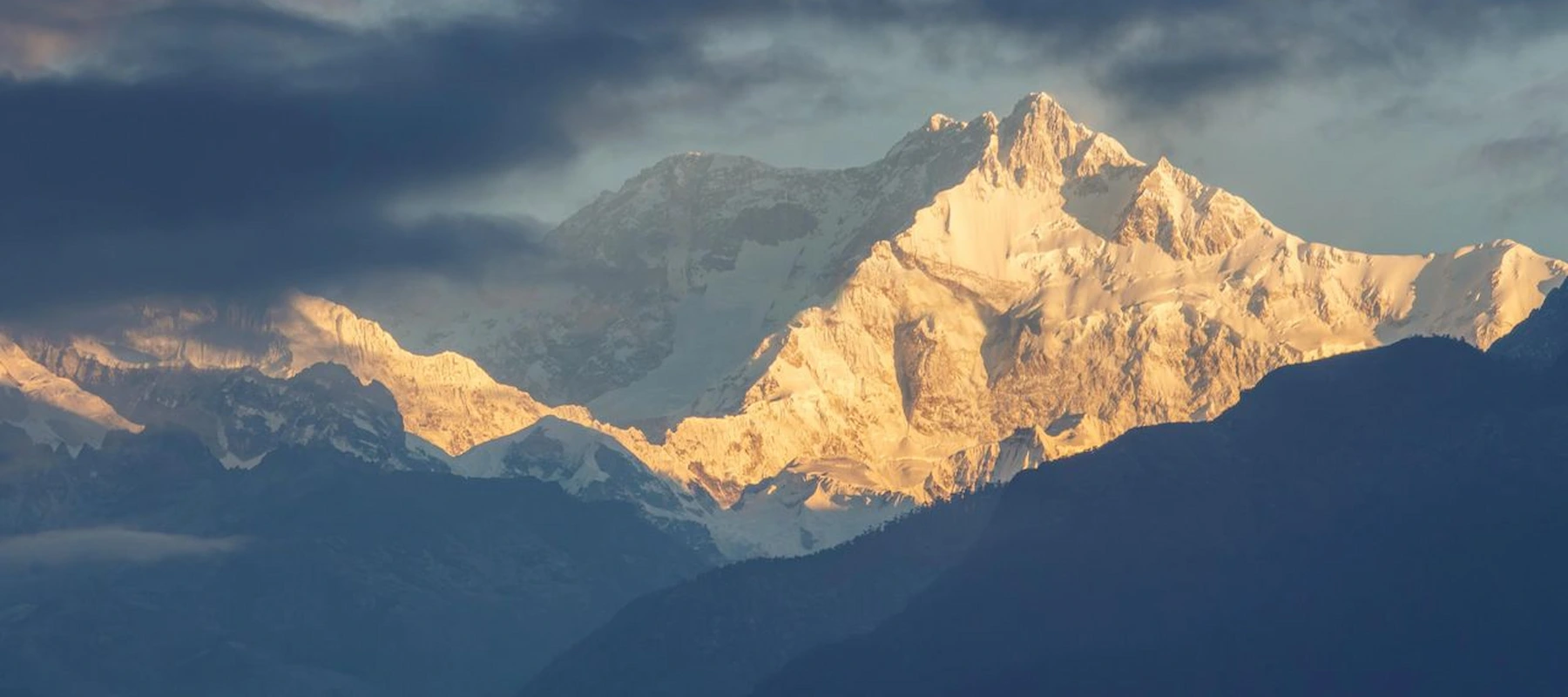
The third highest mountain on the earth. One of Nepal’s most remote and uncrowded trekking routes. And Yes – It requires a special permit in order to enter the Kanchenjunga restricted areas.
For those who will be travelling the Kanchenjunga Circuit Trek in 2026, knowledge of the permit system is a necessity. This is not optional; you must have it before you enter into this region. You need the right documents before you take a single step on the trail. This guide addresses all of it – what permits you need, exactly how much they cost, where you get them from, and what will happen if you don’t obtain them, and the importance of the Kanchenjunga Circuit Trek Permit.
There are several reasons the government tightly controls access to the Kanchenjunga Region:
You need three separate permits for the Kanchenjunga Circuit Trek. Here is the full cost breakdown:
| Permit | Cost (NPR) | Cost (USD) | Notes |
| Restricted Area Permit | NPR 3,300 | USD $25 | Main permit — mandatory |
| Kanchenjunga Conservation Area Permit (KCAP) | NPR 3,300 | USD $25 | Park entry fee — mandatory |
| TIMS Card | NPR 2,000 | USD $15 | Trekking ID card — mandatory |
| Total | NPR 8,600 | USD $65 | All three permits combined |
These are the government-set fees for 2026. They do not change by season or nationality; every foreign trekker pays the same rate.
The permits themselves are just one part of your cost picture. Here are the other essential expenses:
| Item | Cost | Notes |
| Licensed Guide (required by law) | USD $25–40/day | Mandatory for the Kanchenjunga Restricted Area |
| Porter (optional but recommended) | USD $15–20/day | Strongly recommended due to the rugged terrain and long trekking days |
| Tea House Accommodation | USD $15–25/night | Basic but comfortable lodges available along the trekking route |
| Meals | USD $6–10/day | Meals served at local tea houses and mountain lodges |
Important: A license guide is not optional, The Nepal government has a rule that requires all trekkers in restricted areas like Kanchenjunga to be accompanied by a registered guide. This is a legal requirement, not just a recommendation. Attempting to trek solo without a guide is illegal and puts both you and local communities at risk.
The full Alliance Treks Kanchenjunga Circuit Trek package (21 days) starts from USD $2,139 per person, which includes all permits, guide, porter, transport, and meals — making it the simplest way to ensure you’re fully compliant and well-supported from day one.
This is the most important document. It is your government-issued permission to enter and trek the Kanchenjunga restricted zone.
Cost: NPR 3,300 / USD $25
Issued by: Department of Tourism, Nepal
Valid for: The duration of your trek (14-day special trekking permit included in packages)
What you receive: A laminated card with your name and photo
Without this permit, you will be turned back at the first police checkpoint.
This permit grants you entry into the Kanchenjunga Conservation Area, the protected national park through which the trekking route passes.
Cost: NPR 3,300 / USD $25
Issued by: Department of National Parks and Wildlife Conservation
What it funds: Environmental protection, wildlife conservation, and local community programs
The conservation area covers the entire circuit route, so this permit is required for the full 21-day trek.
The TIMS card is your trekking identification document. It allows the government to track trekkers in remote areas, which is essential for search and rescue operations if something goes wrong.
Cost: NPR 2,000 / USD $15
Issued by: Trekking Agencies’ Association of Nepal (TAAN) or Department of Tourism
Why it matters: It carries your photo and personal details, and is checked at multiple points along the trail
All three permits are different documents from different issuing bodies. You need all three. A trekking company like Alliance Treks will obtain all three on your behalf as part of any package.
When applying for your Kanchenjunga permits, you have to get the following ready:
Document Required? Notes
| Document | Required? | Notes |
| Passport (original + photocopy) | Yes | Carry the original passport along with a photocopy of the main information page. |
| Passport-sized Photos | Yes | Bring at least 2–3 recent passport-sized photographs. |
| Nepal Tourist Visa | Yes | Your visa must remain valid for the entire duration of the trek. |
| TIMS Card | Yes | Usually obtained together with the required trekking permits. |
| Travel Insurance | Recommended | Not required for permit issuance, but strongly recommended with emergency helicopter evacuation coverage. |
This is by far the easiest and most reliable approach. Alliance Treks handles all permit paperwork on your behalf as part of the Kanchenjunga Circuit Trek package.
Step 1: Contact Alliance Treks with your trek dates and group size
Step 2: Provide your passport details, nationality, date of birth, and contact information
Step 3: Pay the permit fee (USD $65) along with your package booking
Step 4: Permits are collected and delivered to your hotel in Kathmandu before the trek begins
Total effort on your part: minimal. Total time: 2–3 days.
If you prefer to handle permits independently, you can visit the government offices directly:
Department of Tourisms
Location: Singha Durbar, Kathmandu
Hours: 9:00 AM – 5:00 PM, Monday to Friday
Step 1: Go to the Department of Tourism with your passport and photocopies
Step 2: Fill in the Restricted Area Permit form, TIMS card form, and personal information form
Step 3: Pay the total fee of NPR 8,600 at the designated bank and collect your receipt
Step 4: Return to the Tourism Department with your forms, receipts, and passport photos
Step 5: Collect permits — usually ready the same day or the next day
Allow 2–3 days for this process, especially if offices are busy during peak trekking seasons.
Trek the full Kanchenjunga Circuit route (both North and South Base Camps)
Stay in tea houses and local lodges along the trail
Trek with a group of up to 25 people per guide
Take personal photographs throughout the journey
Trek in any season (best: March–May and September–November)
The answer is Big No. And you absolutely should not try.
The Kanchenjunga trail has multiple police checkpoints where permits are verified. If you arrive without valid documents, you will be stopped and turned back. The consequences go further than just losing trek time:
The permits cost USD $65 total. A 21-day Kanchenjunga circuit costs well over $2,000. Skipping the $65 is not a saving — it’s a risk that ends your entire trip.
Now that you understand the permit system, here’s a brief overview of what this remarkable trek involves.
Duration: 21 days
Maximum Altitude: 5,143 m
Difficulty: Moderate to Challenging
Start/End: Kathmandu
Best Seasons: March–May and September–November
Package Price from Alliance Treks: USD $2,139 per person (group discounts available)
The circuit takes you through the heart of eastern Nepal, passing Limbu villages, ancient monasteries, dense rhododendron forests, and high alpine terrain. You visit both Kanchenjunga North Base Camp and Kanchenjunga South Base Camp, an experience very few trekkers in the world have had.
The journey begins with a scenic drive from Kathmandu to Birtamode and then on to Taplejung, the trekking gateway. From there, the trail winds through villages like Sinuwa, Taplethok, Sekathum, Amjelasa, Gyapla, and Ghunsa, each offering a window into the traditional Limbu culture of the region.
An acclimatisation day in Ghunsa prepares you for the higher reaches. You then push on through Khambachen and Lhonak before making the exciting excursion to Kanchenjunga North Base Camp (Day 12), where the sheer scale of the world’s third-highest mountain becomes real.
The circuit then crosses to the southern side via Selela Base Camp and Ramche, with Day 16 bringing the unforgettable visit to Kanchenjunga South Base Camp. The descent through Cheram, Trongding, Yambudin, and Gopetar completes the loop before the long drive back to Kathmandu.
| Group Size | Price Per Person |
| 1 person | USD $2,139 |
| 2–5 people | USD $2,039 |
| 6–10 people | USD $1,869 |
| 11+ people | USD $1,769 |
Yes. The Restricted Area Permit, Kanchenjunga Conservation Area Permit (KCAP), and TIMS Card are all mandatory. You cannot legally enter the Kanchenjunga trekking region without all three permits.
Apply at least 7–10 days before your trek. Since Kanchenjunga is a restricted area, same-day permit processing is generally not available.
Permit extensions are difficult to arrange once you are on the trail. It is best to apply for the correct trekking dates before your trip begins.
No. A licensed guide is required by Nepali law for all Kanchenjunga restricted area treks. This rule is in place for both legal compliance and trekker safety.
Yes. One complete set of permits covers the entire Kanchenjunga Circuit, including both the North and South Base Camp sections.
Inform your guide immediately and visit the nearest police or checkpoint office. A replacement can usually be arranged, although the process may take 1–2 days.
Yes. Every trekker, regardless of age, must obtain their own individual permits before entering the restricted area.
Yes, but Kanchenjunga permits are only valid within the Kanchenjunga region. If you plan to trek in areas such as Everest, Annapurna, or Manaslu, you must obtain the separate permits required for those regions.
Alliance Treks & Expedition Pvt. Ltd. Once is not enough for naturally and culturally Himalayas