(Viber, Whatsapp, Cell) +977 9851022814

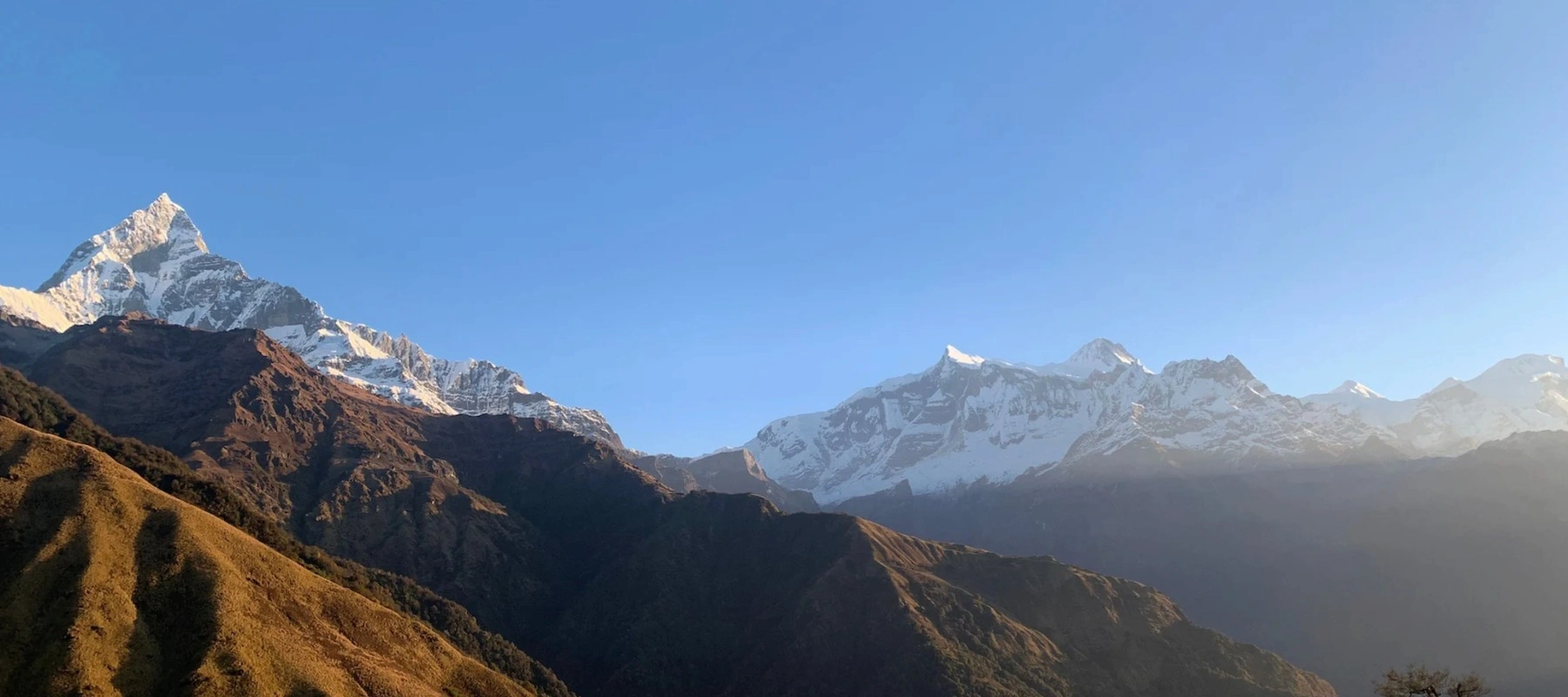
Mardi Himal is one of Nepal’s newest and most scenic trekking routes—a stunning 5-6 day trek to a viewpoint (3,580m) offering panoramic Himalayan views. The trek is less crowded than Poon Hill, more accessible than Everest Base Camp, and delivers exceptional mountain scenery.
The trek’s quality depends significantly on the timing of travelers’ trips to this destination. Trek during October, and you’ll experience crystal-clear mountain views with perfect weather. Trek during the monsoon, and you’ll face rain, mud, and clouds that block the mountains. Understanding seasonal variations helps you choose the optimal time based on your priorities—whether you prioritize views, crowds, budget, or physical comfort.
This comprehensive guide analyzes all seasons in detail, providing data on weather, visibility, crowds, and costs to help you make an informed decision, and you’ll figure out which is the best time for Mardi Himal Trek.
| Season | Best For | Weather | Crowds | Visibility | Cost |
|---|---|---|---|---|---|
| October | Optimal conditions | Perfect | High | 95%+ | Standard |
| April-May | Spring flowers | Pleasant | Moderate | 85% | Standard |
| September | Budget + views | Good | Low | 85% | Lower |
| November | Still excellent | Clear | Moderate | 92% | Standard |
| March | Budget spring | Variable | Low | 75% | Lower |
| Monsoon (June-Aug) | Solitude/budget | Rainy | Very Low | 40% | Cheapest |
| Winter (Dec-Feb) | Extreme challenge | Cold | Very Low | 70% | Lower |
Autumn is Nepal’s peak trekking season and the optimal time for the Mardi Himal trek.
Why Autumn is Best
Autumn offers a perfect combination of factors that make trekking exceptional:
Weather: Stable, predictable, comfortable
Visibility: Crystal clear mountain views
Experience: Ideal for trekking
Weather Profile:
Visibility & Views:
Spring is Nepal’s second peak trekking season and offers an excellent alternative to autumn.
Why Spring is Excellent
Spring offers its own advantages, particularly for photography and flower enthusiasts:
Weather: Pleasant, gradually warming
Visibility: Good to excellent
Special Feature: Rhododendron flowers
April Weather Profile:
May Weather Profile:
Visibility & Views (April best):
The monsoon season presents challenges but offers advantages for specific trekkers.
Monsoon Weather Characteristics
June Weather:
July-August Weather:
The Monsoon Experience
Trail Conditions:
Visual Experience:
Wildlife & Nature:
Winter is the most challenging trekking season but offers unique experiences for hardy adventurers.
Winter Weather Characteristics
December Weather:
January-February Weather:
Temperature:
Trail Conditions:
Teahouse Heating:
Answer: October statistically offers the best combination of factors: 95% visibility, perfect temperature (15-22°C), virtually guaranteed dry weather (2% rain chance), and the highest success rates. However, “best” depends on priorities. If you prioritize solitude over views or budget over weather, other months may suit you better. October delivers the best all-around experience if weather and mountain views are your priority.
Answer: Yes, but it is challenging. Monsoon offers solitude, beautiful green landscapes, dramatic clouds, and the lowest costs, often 30-45% cheaper. However, mountains may remain hidden most days, visibility can drop to 40-50%, trails become muddy, daily rain is expected, and leeches may be present at lower elevations. It is better suited to experienced trekkers comfortable with wet and muddy conditions.
Answer: Season significantly affects visibility, crowds, cost, temperature, and overall trekking conditions. For example, visibility may reach 95% in October compared with 40-50% during monsoon. October is much busier, while monsoon offers greater solitude and lower costs. Your chosen season should match your priorities regarding weather, views, budget, and crowd levels.
Answer: April is an excellent alternative and is often considered the second-best month overall. It offers good visibility, moderate crowds, reasonable prices, and peak rhododendron bloom. April provides a strong balance between reliable weather and fewer crowds than October.
Answer: October’s estimated 95% visibility compared with April’s 85% represents a noticeable but not dramatic difference. Both months can offer clear mountain views. October is generally sharper because of lower atmospheric moisture, while April adds the unique advantage of blooming rhododendron forests and spring landscapes.
Answer: Most teahouses along the main Mardi Himal route stay open throughout the year. October can be extremely busy, so advance booking is recommended. Operations are generally most reliable from September through November. During December to February, some higher-altitude teahouses may have limited services, while monsoon lodges may operate with reduced staffing.
Answer: Leeches can be present at lower elevations, particularly below 2,000 meters, during the monsoon. They are usually more active in June and July. Wearing long socks, tucking trousers into boots, and carrying salt or insect repellent can help reduce contact. Leeches are generally more annoying than dangerous, but trekkers uncomfortable with them may prefer another season.
Answer: Altitude sickness risk depends primarily on elevation and the rate of ascent rather than the season. Mardi Himal reaches around 3,580 meters, where some trekkers may experience altitude-related symptoms. Proper hydration, gradual ascent, and paying attention to symptoms are more important than the month you choose to trek.
Answer: Every season is possible if you accept its trade-offs. October offers excellent views but more crowds, April provides good weather and spring flowers, monsoon brings rain and muddy trails but greater solitude, and winter offers cold conditions with fewer trekkers. The best choice depends on the months available to you and what matters most for your trek.
Answer: Choose based on your main priority. For mountain views, October and April are strong choices. For fewer crowds, monsoon and winter offer more solitude. For lower costs, monsoon, winter, and March can be attractive. For comfort and balanced conditions, October and April are generally the best options. If avoiding crowds matters more than perfect weather, April may provide a better balance.
For choosing the best time for Mardi Himal trek, you need to consider your priorities. October offers the best trekking conditions, outstanding mountain scenery, ideal weather and high success rates, but also higher prices and crowds. Spring flowers, some good views, fewer crowds and reasonable prices make April an excellent alternative.
The monsoon and winter months are good for certain trekkers who value solitude and budget over views. September and November are good compromises with good weather and views (less crowded).
Knowing about the seasonal changes can help you make the right decision according to your priorities. The “best” time is not a universal thing; it depends on the context of your situation, your taste, and your limitations.
Ready to Trek Mardi Himal at the Perfect Time?
Alliance Treks specializes in Mardi Himal trekking across all seasons. With 36 years of experience, we understand seasonal nuances and can help you choose optimal timing based on your specific goals.
Our Mardi Himal Trek Packages Include:
Mardi Himal Trek Details:
Contact Information:
📧 Email: [email protected] / [email protected]
📞 WhatsApp/Viber: +977 9851022814 / +977 9841451681
📱 Phone: +977 01 5326667, 01-5320317
🌐 Website: https://www.alliancetreks.com
📍 Address: JP Marg, Thamel, Kathmandu, Nepal
Alliance Treks & Expedition Pvt. Ltd. Once is not enough for naturally and culturally Himalayas