(Viber, Whatsapp, Cell) +977 9851022814

Best Treks in Nepal are something that everyone looks for. There is something deeply personal about the moment you first see the Himalayas. The mountains do not simply appear — they arrive, filling the sky with a scale that makes the rest of the world feel small and quiet. Nepal holds eight of the world’s fourteen 8,000-metre peaks, and furthermore, it shelters hundreds of trekking routes that wind through ancient forests, high-altitude passes, and villages where people have lived close to the land for generations. Whether you are a first-time trekker or a seasoned adventurer planning your next big journey, consequently, finding the right trail can feel overwhelming.
That is exactly why the team at Alliance Treks put together this guide of Best Treks in Nepal. We have trekked these routes ourselves, listened to thousands of travelers’ stories, and moreover, we understand what makes a trail truly unforgettable. This list covers Nepal’s 15 Best Treks for 2026 and 2027 — from world-famous classics to hidden paths that most guidebooks still overlook. Therefore, whether you have two weeks or two months, there is a trail here that will change the way you see the world.
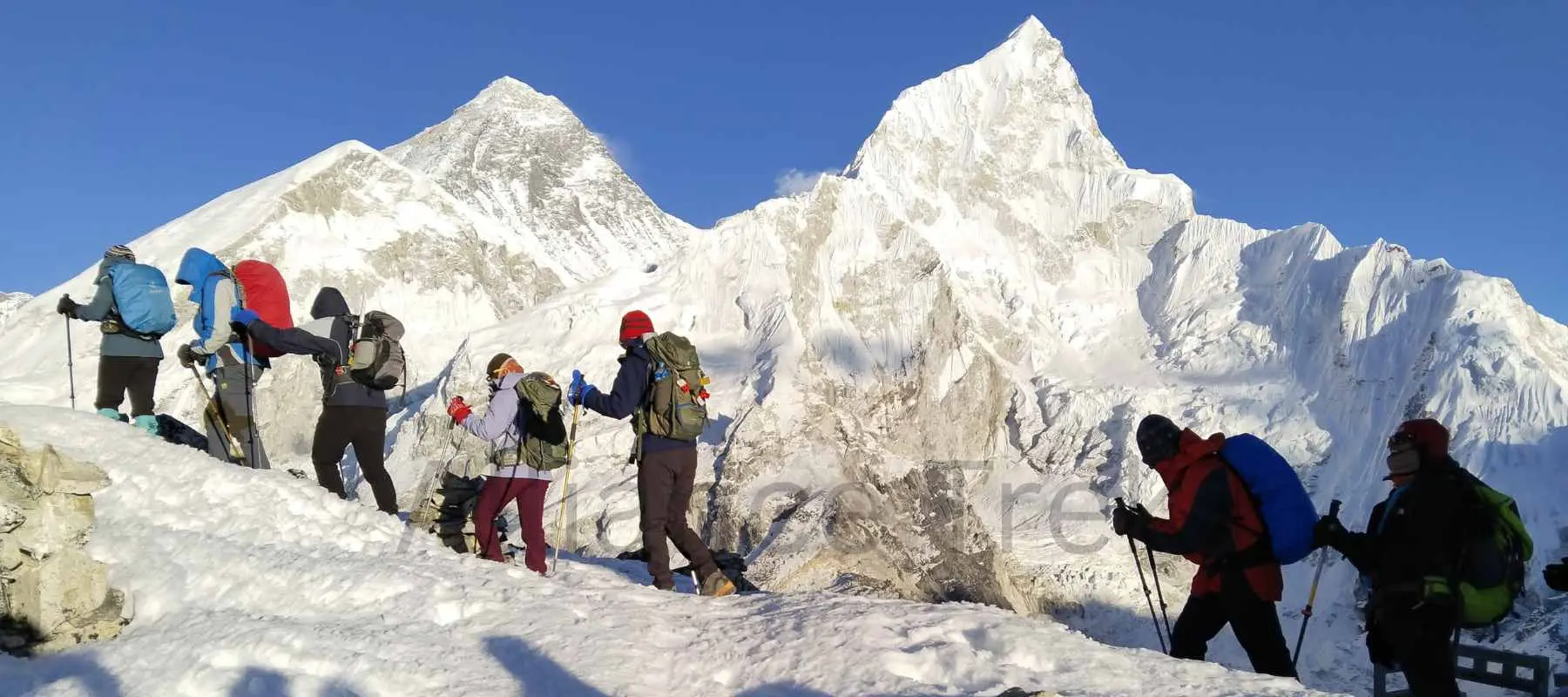
No list of the best treks in Nepal begins anywhere else. The Everest Base Camp Trek carries a weight that goes beyond altitude — it is, furthermore, a journey through living Sherpa culture, Buddhist monasteries draped in prayer flags, and air so thin it makes every small victory feel enormous. Additionally, the trail follows the Dudh Koshi river valley, climbing through the famous villages of Namche Bazaar and Tengboche before reaching the glacier-strewn valley beneath the world’s highest peak at 5,364 meters.
Most trekkers complete this route in 12 to 14 days, and consequently, the standard itinerary includes crucial acclimatization days that protect health while giving hikers time to soak in the surroundings. Alliance Treks designs its Everest Base Camp packages with built-in flexibility, so trekkers never feel rushed on this iconic route. Moreover, the return journey via Kala Patthar — the small hill that delivers the most photographed sunrise view in Nepal — adds an unforgettable final chapter to the experience.
Trekkers who complete the Annapurna Circuit rarely describe it as just a trek. It is, furthermore, a complete cross-section of Nepal — from subtropical lowlands to high-alpine desert — packed into a single connected loop that crosses the legendary Thorong La Pass at 5,416 metres. As a result, hikers experience dramatic climate shifts, diverse ethnic communities, and landscapes that shift from terraced rice paddies to stark, wind-carved ridgelines within just a few days of walking.
The full circuit takes 15 to 20 days, and moreover, shorter variations allow trekkers with limited time to experience the most dramatic sections without missing the highlights. Alliance Treks recommends this route to anyone who wants genuine variety — because on the Annapurna Circuit, no two consecutive days ever look the same. Additionally, the hot springs at Tatopani and the apple orchards of Marpha make every rest stop feel like a small celebration.
Not every great trek demands three weeks of your life. The Annapurna Base Camp trek reaches a glacial amphitheater at 4,130 meters, and furthermore, it surrounds hikers with a complete 360-degree wall of Himalayan giants — Annapurna I, Machhapuchare, Hiunchuli, and more — in a way that feels almost theatrical in its drama. Consequently, this trail consistently ranks among the most emotionally powerful experiences in Himalayan trekking, despite its relatively manageable length of 7 to 12 days.
The trail passes through the famous Modi Khola gorge and the Annapurna Sanctuary, and moreover, it offers rich encounters with Gurung and Magar communities whose culture and architecture feel entirely distinct from the rest of Nepal. Therefore, Alliance Treks considers this route one of the finest options for first-time trekkers who want a high-altitude goal without committing to the full Annapurna Circuit.
Langtang sits just north of Kathmandu, and yet, furthermore, it delivers mountain scenery that rivals trail twice as remote. The Langtang Valley Trek weaves through dense rhododendron forests and yak-grazing meadows before opening into the wide, glacier-fed valley that gave this region its name. Additionally, the trail passes through Kyanjin Gompa, an ancient monastery village where cheesemakers produce yak cheese using methods passed down across generations, creating a cultural experience as nourishing as the mountain views.
This region carries a deeply human story too. The 2015 earthquake reshaped many villages along the trail, and consequently, trekking here today means contributing directly to the ongoing recovery of communities that depend on tourism for their livelihoods. Alliance Treks actively supports Langtang’s community-led recovery through responsible trekking partnerships that channel revenue back into local businesses. Moreover, the relatively short duration of 7 to 10 days makes Langtang one of the best treks in Nepal for travelers with limited time.
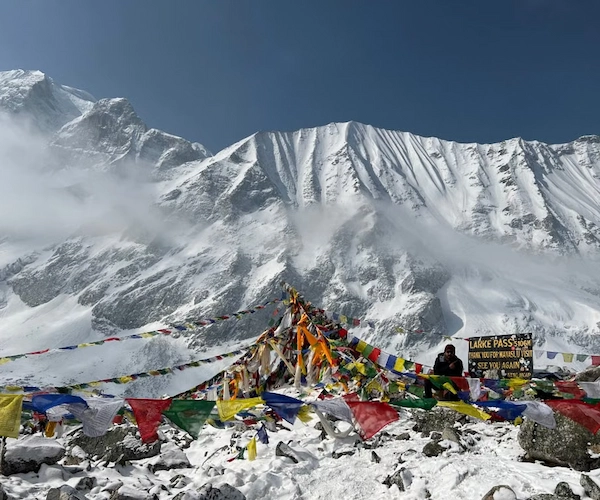
The Manaslu Circuit surrounds the world’s eighth-highest mountain in a complete loop that takes 14 to 18 days and crosses the Larkya La Pass at 5,160 meters. Furthermore, this trek requires a restricted area permit, which limits daily trekker numbers and consequently preserves the trail’s extraordinary sense of wildness and isolation. Hikers who walk the Manaslu Circuit share the trail with yak caravans, encounter Tibetan-influenced villages that feel genuinely remote, and moreover, witness landscapes that shift from sub-tropical river valleys to high-altitude snowfields across a single week of walking.
Alliance Treks has guided hundreds of trekkers around the Manaslu Circuit and understands exactly where the trail demands extra care. The Larkya La Pass crossing is, furthermore, one of the most exhilarating single days in Himalayan trekking, and therefore, preparing adequately with proper acclimatization days makes the difference between suffering and soaring. This route consistently earns its place among the very best treks in Nepal for experienced hikers.
Upper Mustang is not just a trek — it is a journey backward through time. The former Kingdom of Lo sits on the high Tibetan plateau north of the main Himalayan range, and furthermore, its ancient cave monasteries, mud-walled fortresses, and ochre-coloured cliffs look more like a scene from another century than a place you can reach on foot. Additionally, Upper Mustang remains a restricted area requiring a special permit, which consequently ensures that the trail remains uncrowded and the culture remains authentically intact.
The walled city of Lo Manthang — the ancient capital of the Mustang Kingdom — stands as one of the most extraordinary settlements in the entire Himalayan world. Moreover, the trail here stays relatively protected from monsoon rains, making Upper Mustang one of the few trails in Nepal that works beautifully during the June-to-August window. Alliance Treks organises all restricted area permits and logistics, so trekkers focus entirely on the experience rather than the paperwork.
The Everest Three High Passes Trek takes everything that makes the classic base camp route great and, furthermore, raises the stakes considerably. This extended circuit crosses Renjo La (5,360m), Cho La (5,420m), and Kongma La (5,535m) — three of the most dramatic mountains passes in the Everest region — and consequently delivers a complete circumnavigation of the Khumbu massif that few trekkers ever experience. Additionally, the trail includes Gokyo Lakes, a chain of turquoise high-altitude lakes that many experienced trekkers rate as more visually stunning than base camp itself.
This route demands solid prior trekking experience and excellent physical preparation. Moreover, the weather window matters enormously — therefore, Alliance Treks recommends the spring season above all others for this particular itinerary, when snow conditions on the passes remain manageable and mountain visibility reaches its annual peak. Completing this trek earns a genuine sense of achievement that even seasoned Himalayan travelers describe as exceptional.
Some of the most breathtaking views in Nepal belong to those who are willing to climb just one more hour before sunrise. Poon Hill rises to 3,210 meters, and furthermore, its 360-degree sunrise panorama across the Annapurna and Dhaulagiri ranges has made it one of the most photographed viewpoints on the planet. Consequently, the trail leading there — through blooming rhododendron forests and terraced hillsides — ranks as one of the best short treks in Nepal for those beginning their Himalayan story.
The trek takes just 4 to 5 days, and moreover, the trail passes through charming Gurung villages where warm hospitality sets the tone for every rest stop. Therefore, Alliance Treks recommends this route to families, older trekkers, and anyone who wants the full emotional impact of Nepal trekking without committing to altitude above 3,500 meters. Additionally, the relatively lower difficulty level makes it accessible to a genuinely wide range of fitness levels and ages.
Kanchenjunga stands as the world’s third-highest mountain, and furthermore, its base camp trek in far eastern Nepal remains one of the least-trekked major routes in the country. The journey to the twin base camps — north and south — takes 20 to 25 days and passes through sal forests, high-altitude meadows, and remote Rai and Limbu villages where traditional life continues largely undisturbed by modern tourism. Consequently, trekkers who make the effort to reach this corner of Nepal discover a version of Himalayan wilderness that feels genuinely raw and unchanged.
The approach through Taplejung and along the Ghunsa Khola valley builds dramatic momentum over many days, and moreover, the final approach to the north base camp at 5,143 metres delivers a wall of glaciated peaks that ranks among the most spectacular sights in all of Himalayan trekking. Additionally, Alliance Treks handles all restricted area permits for this route and provides experienced guides who know this remote trail intimately. Therefore, even though this trek is long and demanding, it rewards those who commit to it completely.
Makalu is the world’s fifth-highest mountain, and the trail that leads to its base camp crosses the Sherpani Col, West Col, and Amphu Lapcha — three of the most demanding high passes in Nepal. Consequently, this trek appeals primarily to experienced mountaineers and highly fit trekkers who want a genuine physical challenge alongside extraordinary mountain scenery in the Makalu-Barun National Park. Moreover, the Arun River valley section of the trail moves through some of the richest biodiversity in the entire Himalayan range, rewarding naturalists as generously as it rewards peak baggers.
The relative isolation of this route means that trekkers frequently walk entire days without encountering other groups. Furthermore, the silence of the Makalu-Barun wilderness — broken only by birdsong, wind, and distant avalanches — creates a meditative quality that busy trails simply cannot offer. Alliance Treks guides this route with small, well-equipped teams that maintain the low environmental impact the national park demands.
Upper Dolpa sits beyond the main Himalayan range in Nepal’s far northwest, and furthermore, reaching it requires a flight to Juphal followed by multiple days of walking through one of the most sparsely populated landscapes on earth. The trek circles the sacred Shey Phoksundo Lake — Nepal’s deepest lake, whose impossibly blue waters rest at 3,611 metres — and moreover, it passes through the Shey Phoksundo National Park, a protected wilderness where snow leopards, blue sheep, and Himalayan wolves roam relatively undisturbed.
The Bon Buddhist culture of Dolpa represents one of the most ancient spiritual traditions in Nepal, and consequently, trekkers encounter monasteries and rituals that feel entirely unlike anything found on the more travelled Himalayan routes. Additionally, Upper Dolpa requires a restricted area permit costing significantly more than standard trekking fees, which therefore ensures that only genuinely committed trekkers make the journey. Alliance Treks considers this route one of Nepal’s best-kept secrets, and moreover, guides every group here with deep respect for the cultural and ecological sensitivity of the region.
The Nar Phu Valley sits hidden behind the main Annapurna range, and furthermore, it remained completely closed to outsiders until 2003. As a result, the Tibetan-influenced culture here has developed in near-total isolation, producing a way of life — and a landscape — that feels genuinely untouched by the outside world. Moreover, the twin villages of Nar and Phu sit above 4,000 metres and require a special restricted area permit that limits annual visitor numbers to just a few hundred trekkers.
The trail approaches through the dramatic Kang La Pass at 5,320 metres, and consequently, trekkers need solid high-altitude experience and excellent fitness. However, the reward — a vast amphitheatre of peaks, golden-roofed gompas, and villagers who treat outsiders with astonished and genuine warmth — justifies every demanding step. Therefore, Alliance Treks rates the Nar Phu Valley among the most singular trekking experiences available anywhere in the Himalayas today.
Mardi Himal opened to trekkers in 2012, and furthermore, it has built a loyal following among trekkers who want to experience the Annapurna region without walking the same path as everyone else. The trail climbs the ridge east of Machapuchare (Fishtail Mountain), and consequently, it delivers front-row views of the Annapurna range from a perspective that the more popular trails simply cannot offer. Additionally, the trail takes just 5 to 7 days, making it one of the most accessible high-value short treks in Nepal.
The high camp at around 4,500 metres sits close enough to Mardi Himal’s summit ridge that trekkers feel genuinely immersed in the mountain, not merely looking at it from a distance. Moreover, the forest sections lower on the trail bloom spectacularly in spring, when rhododendrons turn entire hillsides crimson and pink. Therefore, Alliance Treks recommends this trek as an excellent companion to — or replacement for — the Ghorepani Poon Hill route for trekkers seeking something slightly more adventurous.
The Helambu region lies just two to three hours north of Kathmandu, and furthermore, its network of trails passes through Sherpa and Hyolmo villages that maintain strong Buddhist traditions and a warm, welcoming relationship with visiting trekkers. Consequently, Helambu offers one of the most culturally immersive short trekking experiences available in Nepal, without requiring the altitude acclimatization that longer Himalayan routes demand. Moreover, the trail links beautifully with the Langtang and Gosaikunda routes for trekkers who want to extend their journey deeper into the mountains.
The Gosaikunda Lakes — a cluster of sacred high-altitude lakes revered in both Hindu and Buddhist traditions — lie within easy reach of the Helambu trail network. Additionally, the annual Janai Purnima festival draws thousands of pilgrims to Gosaikunda each August, creating a remarkable cultural spectacle for trekkers who time their visit to coincide with it. Alliance Treks designs bespoke Helambu itineraries that combine village-based trekking with cultural visits, therefore ensuring trekkers leave with a deep understanding of this region’s living traditions.
The Ruby Valley Trek passes through the Ganesh Himal region of Dhading district, and furthermore, it delivers a combination of cultural richness, natural beauty, and trail solitude that most well-known routes in Nepal can no longer offer. The trail winds through Tamang and Gurung villages where homestay families’ welcome trekkers with a generosity that feels entirely unperformed, and moreover, the crossing of Pangsang Pass at around 3,842 metres reveals panoramic Himalayan views that rival routes twice as famous. Consequently, the Ruby Valley Trek stands as one of Nepal’s finest off-the-beaten-path experiences for trekkers who want authenticity above all else.
This trek suits a wide range of fitness levels, and additionally, its relative proximity to Kathmandu makes it one of the most accessible genuine mountain treks in the country. Alliance Treks specializes in this route and builds every Ruby Valley itinerary around community-based tourism principles that channel trekking income directly into local households and conservation projects. Therefore, choosing the Ruby Valley Trek means choosing a journey that does good while delivering the kind of raw, human, mountain experience that first made Nepal famous among trekkers worldwide.
Choosing the right trekking company matters as much as choosing the right trail. Alliance Treks brings genuine local expertise, licensed guides, and a deep commitment to responsible mountain tourism to every trek it organizes. Furthermore, the company’s team includes experienced high-altitude guides who have walked every route on this list many times and understand the specific challenges and rewards each trail delivers across different seasons.
Moreover, Alliance Treks handles every logistical detail — from permits and accommodation to emergency protocols and equipment checks — so trekkers arrive at the trailhead feeling genuinely prepared rather than anxious. The company additionally maintains strong relationships with local communities throughout Nepal, ensuring that trekkers not only see the mountains but connect meaningfully with the people who call them home. Consequently, every trek organized by Alliance Treks carries a human dimension that no purely transactional trekking service can replicate.
Whether you choose the world-famous Everest Base Camp route or the quiet wonder of the Ruby Valley Trek, therefore, Alliance Treks ensures your journey unfolds safely, responsibly, and with the kind of personal care that creates memories lasting a lifetime. Additionally, the team remains available before, during, and after your trek to answer questions, adjust plans, and provide the kind of flexible support that mountain travel sometimes demands. As a result, trekkers who travel with Alliance Treks consistently return — because once you walk these trails with people who truly love them, no other way of travelling the Himalayas ever feels quite enough.
The trails above represent 15 very different answers to the same fundamental question: what does it mean to walk through one of the world’s greatest mountain landscapes? Furthermore, the answer changes with every step, every village, and every morning you wake up to a sky full of peaks. Whether you are drawn to the iconic drama of Everest, the cultural depth of Upper Mustang, or the quiet authenticity of the Ruby Valley, moreover, Nepal holds a trail that fits the exact shape of the adventure you are looking for.
Alliance Treks invites you to stop dreaming and start planning. Contact the team today, and consequently, within days you will have a personalized itinerary, a clear cost breakdown, and the confidence that comes from working with people who know these mountains as well as they know their own homes. Additionally, 2026 and 2027 are shaping up to be landmark years for Nepal trekking as new trail infrastructure, improved teahouse networks, and growing conservation awareness create conditions that serious trekkers have never had before. Therefore, the best time to walk Nepal’s greatest trails is not some distant future — it is the season you decide to go.
Alliance Treks & Expedition Pvt. Ltd. Once is not enough for naturally and culturally Himalayas