(Viber, Whatsapp, Cell) +977 9851022814

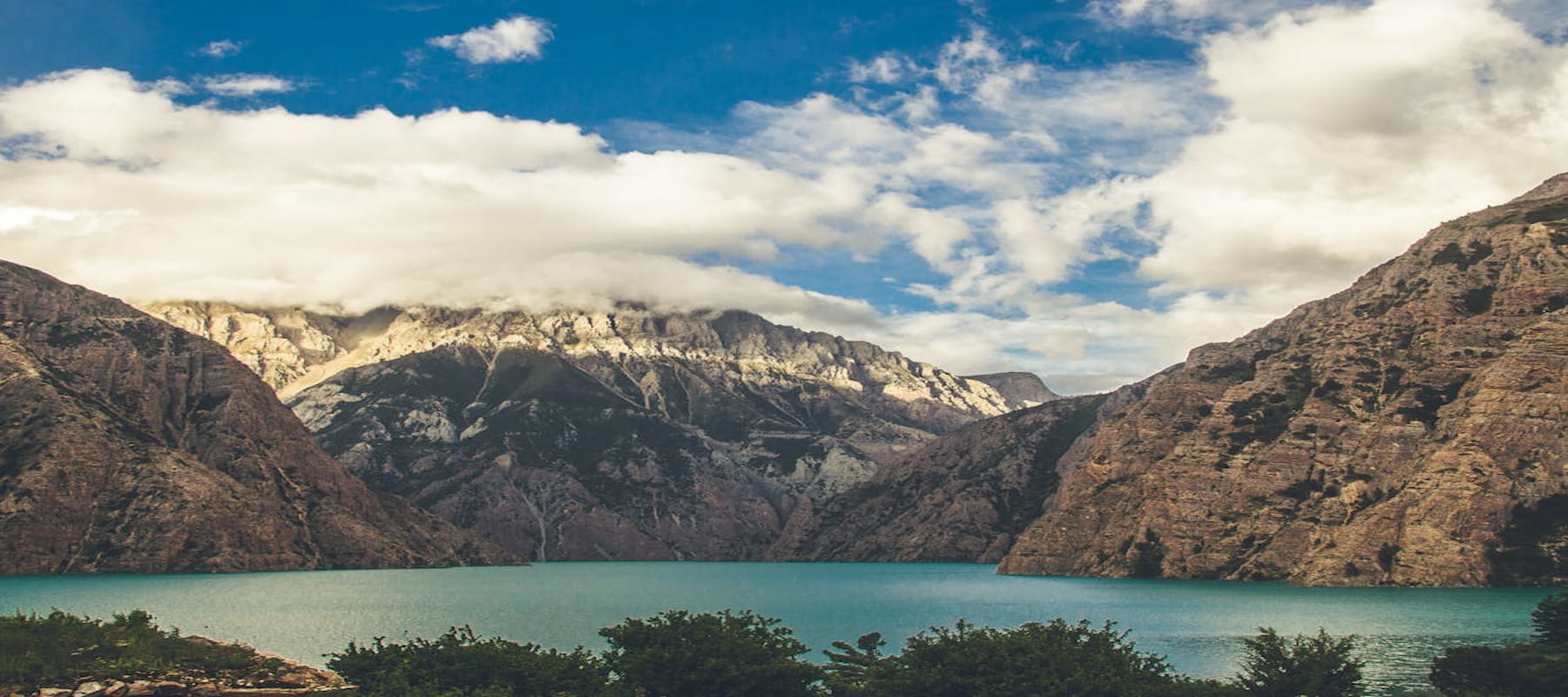
Nepal is one of the most beautiful countries in the world. It has mountains and lots of rare animals and old cultures. Many people come to Nepal every year to see these things for themselves in the parts of the country. There are some places in Nepal that people are not allowed to visit without permission. The government says that some areas are restricted, which means you need a permit to go there.
If you want to visit one of these restricted areas of Nepal, you have to get a permit. In this guide, we will talk about why you need these permits, which areas of Nepal require them, how to get these permits, and what happens if you go to a restricted area of Nepal without a permit.
Restricted areas in Nepal are regions or areas that require special government permission to enter. These areas are not open to general trekkers like most trails in Nepal and are usually located near international borders — especially near China (Tibet) and India. The Nepalese government controls access to these zones for several important reasons. Only a limited number of tourists are allowed to visit each year, which is done on purpose to protect the environment and wildlife.
The government of Nepal has real and important goals behind the Restricted Areas system.
Many of Nepal’s areas are located very close to the borders of Nepal with China and Tibet. These areas are very sensitive to Nepal’s security, which is the reason the government of Nepal needs to know who is entering and leaving these restricted areas of Nepal.
The permit system for these areas helps the government of Nepal track the visitors to these restricted areas and prevent people from crossing the borders of Nepal illegally. This keeps the country of Nepal safe and very secure.
Some of the remote villages in Nepal are inside the restricted zones of Nepal. The people who live in these villages have traditions, languages, and ways of life.
If many visitors go to these villages in the restricted zones of Nepal it can disturb the people who live there. The permit system for areas helps control the number of tourists who visit these villages in the restricted zones of Nepal and helps preserve the local culture of Nepal for the future generations of Nepal.
The restricted areas of Nepal are often home to endangered animals and plants of Nepal. Places like Upper Mustang and Dolpo in Nepal have ecosystems that can be damaged if too many people visit these restricted areas of Nepal.
By limiting the number of tourists who visit these restricted areas of Nepal, the government of Nepal protects these environments of Nepal from too much tourism. The trekkers who visit these restricted areas of Nepal are expected to follow the rules of travel.
The fees collected from the permits for areas of Nepal go toward the conservation projects and the local development of Nepal. When you pay for a permit to visit the restricted areas of Nepal you are directly supporting the efforts to protect the cultural heritage of Nepal.
This money is used to maintain the trails of Nepal, support the parks of Nepal and fund the programs for the local communities of Nepal.
By requiring the permits for areas of Nepal, the government of Nepal ensures that the visitors to these areas are serious travelers who are well-prepared to visit the restricted areas of Nepal. This helps maintain the quality of tourism in these regions of Nepal.
It also reduces the risk of accidents in the areas of Nepal as the trekkers must be accompanied by a registered guide when they visit the restricted areas of Nepal.
Here is a list of the main restricted areas in Nepal that require a special permit:
| Restricted Area | Location | Why It’s Special |
|---|---|---|
| Upper Mustang | Northwest Nepal | Ancient Tibetan culture, Lo Mangthang walled city |
| Upper Dolpo | Far Western Nepal | One of the most remote areas in Nepal |
| Lower Mustang | Northwest Nepal | Sacred Muktinath temple, ancient trade routes |
| Manaslu Circuit | Gorkha District | Borders Tibet, a biodiversity hotspot |
| Tsum Valley | Gorkha District | Sacred Tibetan Buddhist valley |
| Nar Phu Valley | Annapurna region | Remote high-altitude villages |
| Kanchenjunga Area | Eastern Nepal | Close to the Indian border |
| Limi Valley | Humla District | Ancient Tibetan culture |
| Api Nampa | Far-western Nepal | Pristine wilderness area |
| Humla (Simikot) | Far-western Nepal | Gateway to Mount Kailash route |
Each of these areas has its own permit rules, costs, and entry requirements.
To go to places in Nepal, you need to get a permit. It really depends on where you want to go. If you want to visit an area, you will need more than one kind of permit. Here are the common ones:
Getting a permit in restricted areas of Nepal is not difficult, but it requires planning ahead. Here is a step-by-step process:
For most restricted areas, you must travel with a registered trekking agency. Solo trekking is not allowed. Your agency will handle the permit application on your behalf.
Look for agencies registered with the Nepal Tourism Board (NTB) or the Trekking Agencies’ Association of Nepal (TAAN).
You will need these documents:
Your trekking agency submits the restricted area permit application to the Department of Immigration in Kathmandu. Some permits can also be processed at district offices.
Allow at least 1–2 working days for processing.
The cost of the permit is different for different restricted areas. Make sure you pay the amount and keep the receipt. You can pay in US Dollars or Nepali Rupees.
The trekking agency will also get your TIMS card and any national park permits you need. Make sure you have all the papers before you leave. The restricted area permit is very important so you need to get that and all the other documents. The trekking agency will help you with the area permit and the other documents.
Here is a rough guide to restricted area permit fees in Nepal:
| Restricted Area | Restricted Area Permit (RAP) Fee (Per Person) | Required Secondary Permits |
|---|---|---|
| Upper Mustang | $50 / day | ACAP Permit (NPR 3,000) |
| Upper Dolpo | $500 for the first 10 days; $50 / day after | Shey Phoksundo National Park Permit (NPR 3,000) |
| Lower Mustang | $0 (No RAP required) | ACAP Permit (NPR 3,000) + e-TIMS Card (NPR 2,000) |
| Manaslu Circuit | • Sep–Nov: $100 / first 7 days, then $15/day after • Dec–Aug: $75 / first 7 days, then $10/day after |
MCAP Permit (NPR 3,000) + ACAP Permit (NPR 3,000) + Local Municipality Fee (NPR 2,000) |
| Tsum Valley | • Sep–Nov: $40 / first 7 days, then $7/day after • Dec–Aug: $30 / first 7 days, then $7/day after |
MCAP Permit (NPR 3,000) |
| Nar Phu Valley | • Sep–Nov: $100 / first 7 days, then $15/day after • Dec–Aug: $75 / first 7 days, then $15/day after |
ACAP Permit (NPR 3,000) |
| Kanchenjunga Area | $20 / week for the first 4 weeks; $25 / week after | KCAP Permit (NPR 2,000) |
| Limi Valley | $50 / first 7 days; $10 / day after | Api Nampa Conservation Area Permit or local area logs (if entering boundaries) |
| Api Nampa | $90 / first 7 days; $15 / day after | ANCA Permit (NPR 1,000) + e-TIMS Card (NPR 2,000) |
| Humla (Simikot) | $50 / first 7 days; $10 / day after | Local entry registration checks |
Note: ACAP: Annapurna Conservation Area Project, MCAP: Manaslu Conservation Area Project, KCAP: Kanchenjunga Conservation Area Project, ANCA: Api Nampa Conservation Area
If you go to an area in Nepal without a valid permit that is against the law. If you get caught without a permit here is what can happen to you:
It is really not worth taking the risk of going trekking without a permit. The process of getting a permit is easy to follow. The cost of a permit is a small amount of money to pay for a safe and legal trip to Nepal. Going trekking without a permit is not an idea because a permit is necessary for a safe and legal journey.
No you cannot. Restricted areas in Nepal need you to have a government-licensed guide with you. You are not allowed to trek. You have to book through a registered trekking agency.
It usually takes 1 to 2 working days.. If your documents are ready and the area is not too far from Kathmandu it can be done on the same day.
Yes it is. A restricted area permit is not the same as a TIMS card. Restricted treks also need a national park or conservation area permit.
Some areas near zones or border regions may be fully closed. These areas can change so you should always check the rules from Nepal’s Department of Immigration.
The best time to visit areas in Nepal is in spring from March to May. Another good time is autumn from September to November. Summer is not good because of the rain. Winter can be very cold in altitude restricted zones.
In some areas you can extend your permit.. This is only possible in certain district headquarters. It is always better to plan and get a permit for enough time before you start.
Alliance Treks & Expedition Pvt. Ltd. Once is not enough for naturally and culturally Himalayas