(Viber, Whatsapp, Cell) +977 9851022814

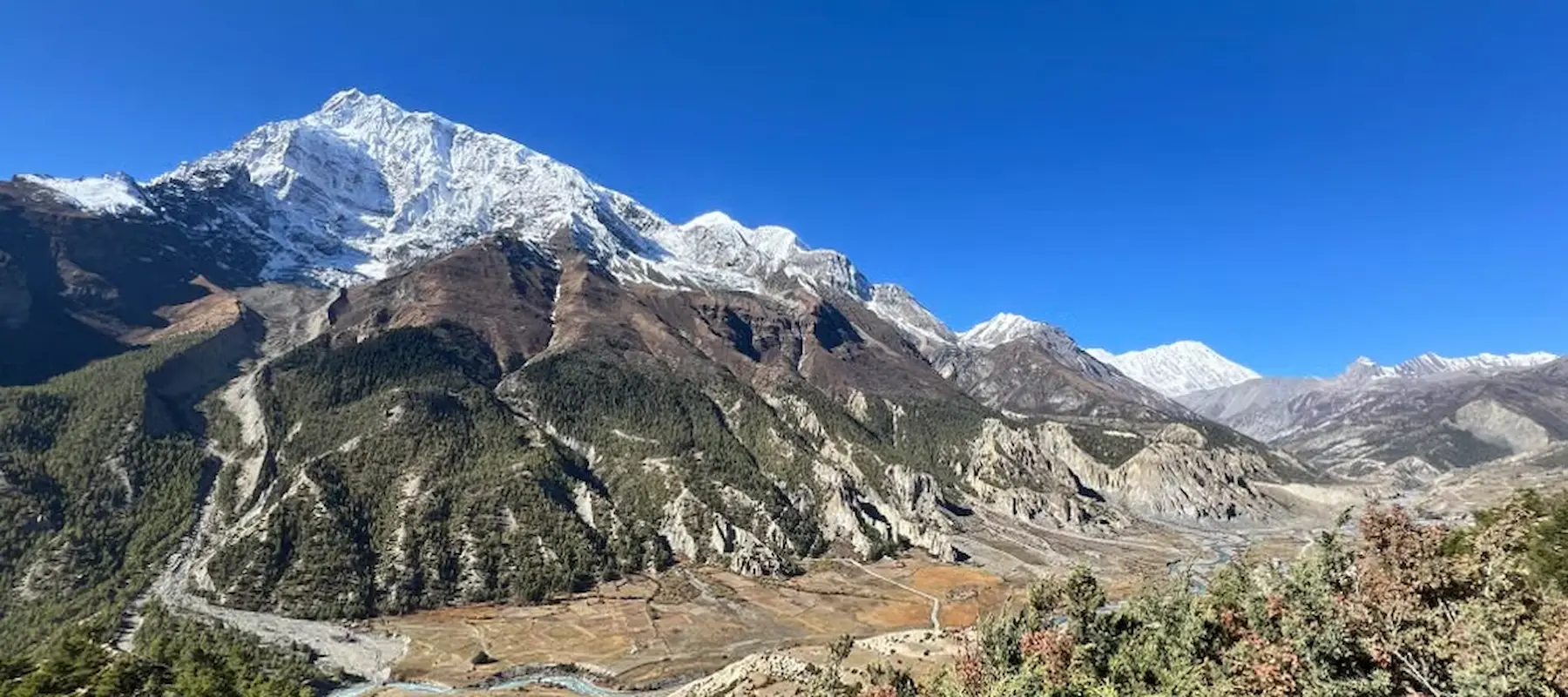
September is a genuinely excellent month for treks in Nepal, sitting at the end of monsoon and the start of the main autumn trekking season. Trails are freshly green, waterfalls are full, and the crowds haven’t yet arrived in the numbers you’ll see by October. The best picks for September include the Annapurna Base Camp Trek, Everest Base Camp Trek, Mardi Himal Trek, Poon Hill Trek, and the Manaslu Circuit — with the higher, drier trans-Himalayan routes like Upper Mustang and Upper Dolpo standing out as excellent monsoon-shadow alternatives if early-September rain is a concern during the trek. This guide covers the Best Treks in Nepal for September
This guide breaks down why September works, what conditions to expect, which time in the month to go, how to prepare, and where to trek—with comparison tables throughout so you can plan quickly.
September occupies a genuinely useful gap in Nepal’s trekking calendar. The monsoon rains that dominate June through August are winding down, washing dust out of the air and leaving hillsides an intense, saturated green that photographs beautifully — a look you won’t get in the drier, dustier months of October and November. Rivers and waterfalls are at their fullest, terraced rice fields are ready for harvest, and the trails see noticeably fewer trekkers than the October peak, meaning easier teahouse bookings and quieter viewpoints.
Early September can still carry the tail end of monsoon rain and cloud cover, particularly in the first two weeks, while the back half of the month typically clears into the stable, high-visibility conditions Nepal is famous for. Treks in Nepal for September reward travelers who either plan around the back half of the month or choose routes in the rain-shadow regions where monsoon effects are minimal to begin with.
Weather varies meaningfully by region and by which half of the month you’re trekking in. Here’s a general breakdown:
| Region | Early September | Late September | Notes |
|---|---|---|---|
| Everest (Khumbu) region | Occasional rain, cloud cover | Clearing skies, improving visibility | Lower valleys wetter than higher altitude |
| Annapurna region | Humid, afternoon showers likely | Noticeably drier, clearer mountain views | Popular routes still lush and green |
| Langtang region | Similar to Annapurna, occasional rain | Clearing, good visibility | Check current access status before booking |
| Manaslu region | Humid, some rain | Clearer, cooler at altitude | Restricted area permit required |
| Upper Mustang / Upper Dolpo | Dry, minimal rain | Dry, stable | Sits in the Annapurna/Dhaulagiri rain shadow |
Daytime temperatures at lower and mid altitudes generally sit in a comfortable trekking range, while nights get progressively colder as you gain elevation, especially above 3,500 meters. Leeches are more common on lower forested trails in early September, tapering off as the month dries out.
| Trek | Duration | Max Altitude | Difficulty | Why September Works |
|---|---|---|---|---|
| Annapurna Base Camp Trek | 7–12 days | 4,130 m | Moderate | Lush forest scenery, clearing skies by late month |
| Everest Base Camp Trek | 12–15 days | 5,364 m | Moderate–Strenuous | Fewer crowds than October, dramatic post-monsoon clarity |
| Mardi Himal Trek | 5–7 days | 4,500 m | Easy–Moderate | Short, forested trail with green ridgelines |
| Poon Hill / Ghorepani Trek | 4–9 days | 3,210 m | Easy–Moderate | Rhododendron greenery, gentle trail, ideal for beginners |
| Manaslu Circuit Trek | 14–18 days | 5,160 m | Strenuous | Quiet trails, dramatic clouds lifting off peaks |
| Upper Mustang Trek | 10–14 days | 3,840 m | Moderate | Rain-shadow region, dry even during monsoon tail |
| Upper Dolpo Trek | 18–22 days | 5,190 m | Very Strenuous | One of Nepal’s driest, most remote trekking regions |
| Gokyo Lakes Trek | 12–14 days | 5,357 m | Strenuous | Turquoise lakes especially vivid post-monsoon |
| Langtang Valley Trek | 7–8 days | 3,870 m | Moderate | Close to Kathmandu; confirm current access before booking |
Timing within the month makes a real difference to your journey experience:
If your schedule is flexible, booking for the back half of September generally offers the most reliable combination of good weather and manageable trail traffic.
A few adjustments and preparation will make a real difference for trekking in this specific month:
| Category | September-Specific Advice |
|---|---|
| Rain gear | Pack a proper rain jacket and a waterproof pack cover, especially for early-month departures. |
| Footwear | Waterproof, broken-in boots with good grip — trails can be muddy and slippery. |
| Leech protection | Leech socks or salt are worth carrying on forested lower-altitude trails. |
| Layering | Warm layers for higher-altitude nights, lighter breathable layers for humid lower sections. |
| Insurance | Confirm your travel insurance covers weather-related delays and high-altitude evacuation. |
| Flexibility | Build 1–2 buffer days into your itinerary in case of monsoon-tail flight or trail delays. |
| Permits | Confirm ACAP, TIMS, or restricted-area permits (Manaslu, Upper Mustang, Upper Dolpo) in advance for hassle-free travel. |
Because early-September conditions can still be unpredictable, trekkers heading out in the first half of the month should build extra flexibility into flights and itineraries, particularly for Lukla-dependent routes like Everest Base Camp and Gokyo Lakes.
Different regions suit different priorities in September:
Yes. September offers lush, green scenery, fewer crowds than the October peak, and increasingly stable weather as the month progresses, especially in its second half.
Early September can still see monsoon-tail rain, particularly in the first one to two weeks. By late September, most regions clear into dry, stable conditions.
Annapurna Base Camp, Mardi Himal, Poon Hill, and Everest Base Camp are strong choices, while Upper Mustang and Upper Dolpo are ideal if you want to avoid monsoon-tail rain entirely.
October generally offers more reliably clear skies, but September has noticeably fewer trekkers, greener landscapes, and often lower teahouse and package prices.
Yes. September calls for more rain protection and leech precautions on lower trails, along with the same warm layering needed for high-altitude sections in any season.
Alliance Treks & Expedition Pvt. Ltd. can help you pick the right route for September conditions and confirm current trail and weather status before you book:
Alliance Treks & Expedition Pvt. Ltd. Once is not enough for naturally and culturally Himalayas