(Viber, Whatsapp, Cell) +977 9851022814

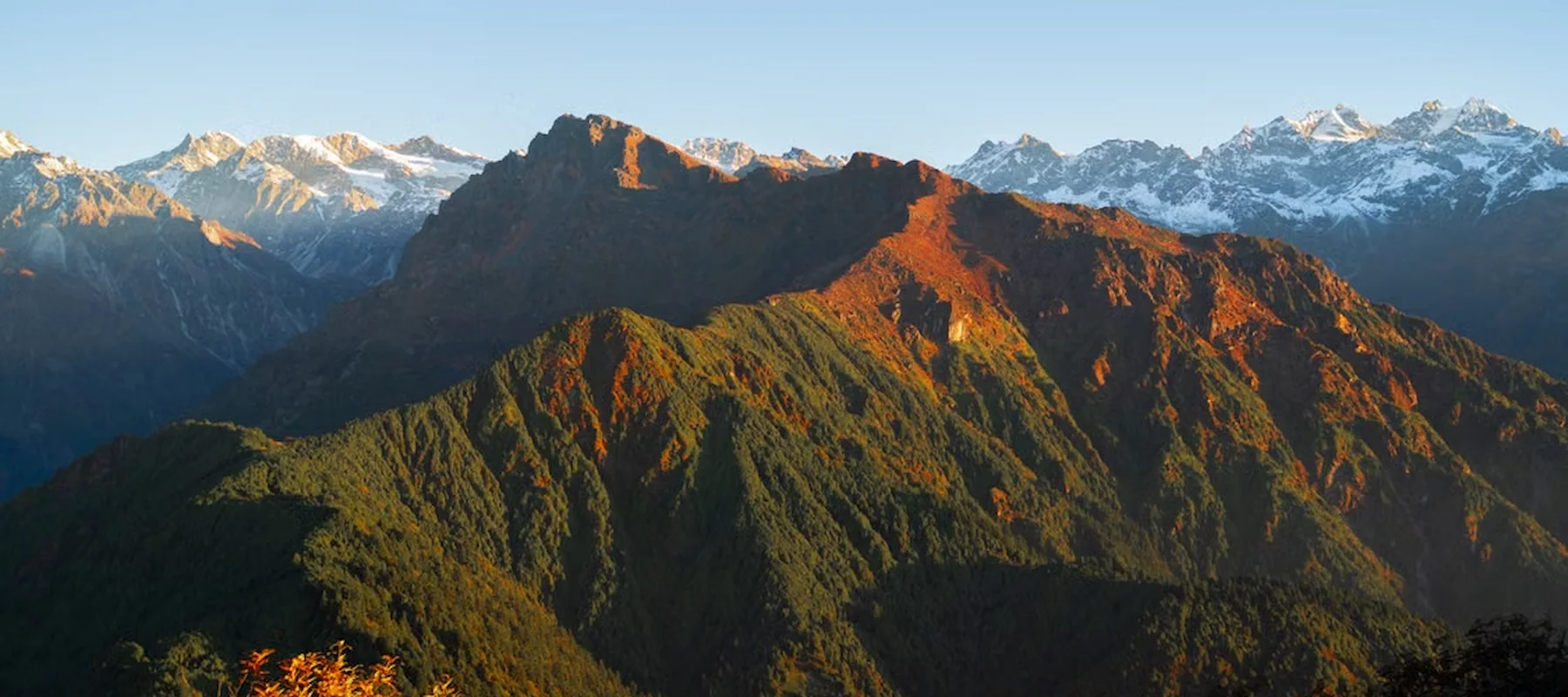
Autumn trekking in Nepal, spanning September through November, is the country’s busiest and most reliable trekking season because it combines the clearest mountain visibility of the year, stable dry weather, comfortable daytime temperatures, and freshly washed post-monsoon landscapes. Nearly every major route — Everest Base Camp, Annapurna Base Camp, the Annapurna Circuit, Manaslu, and Makalu among them hits peak conditions somewhere in this three-month window, which is exactly why it draws more trekkers than any other season.
This guide breaks down why autumn earns its reputation, what conditions to expect month by month, when within the season to time your trip, how to prepare, and where the best routes are, with comparison tables throughout.
Autumn sits in the sweet spot between two much less forgiving seasons. It follows the monsoon (June–August), which clears dust and haze out of the atmosphere and leaves behind the clearest, longest-range mountain views of the year. It precedes winter (December–February), when high passes become genuinely difficult or impassable due to snow and cold. That narrow, favorable window is why autumn trekking in Nepal has become the default season for both first-time trekkers and seasoned mountaineers alike.
Beyond visibility, autumn also delivers the most stable weather patterns of the year. Rainfall drops sharply after the monsoon retreats, daytime temperatures at low and mid elevations stay comfortable for walking, and teahouses across every major route are fully open and staffed for the season’s demand. Festivals like Dashain and Tihar also fall within this window, adding a cultural layer to the trekking experience that isn’t available at other times of year.
Although all three months fall under the “autumn trekking” umbrella, conditions shift meaningfully from one to the next:
| Month | Weather Pattern | Crowd Levels | Best Suited For |
|---|---|---|---|
| September | Monsoon tail early, clearing by mid-to-late month | Lower than October/November | Rain-shadow routes (Upper Mustang, Upper Dolpo), budget-conscious trekkers |
| October | Peak clarity, minimal rain, stable skies | Highest of the year | Everest Base Camp, Annapurna Circuit, classic bucket-list routes |
| November | Continued clear skies, noticeably colder nights | High, tapering toward month’s end | High-altitude routes before winter sets in, quieter late-month departures |
September carries some residue of the monsoon but provide a perfect green scenery and light trail traffic. October is Nepal’s undisputed peak month in trekking, the clearest and most crowded window of the entire year. November holds onto much of October’s clarity while the temperature drops slightly, especially at altitude, making it a strong choice for trekkers who don’t mind the cold in exchange for thinner crowds later in the month.
Timing within the three month window matters as much as choosing the season itself, as the month have different temperature, scenerio, and crowd numbers:
If flexibility allows, the final week of September through the third week of October tends to offer the most dependable weather-to-crowd ratio of the entire season.
| Trek | Duration | Max Altitude | Best Autumn Month | Difficulty |
|---|---|---|---|---|
| Everest Base Camp Trek | 12–15 days | 5,364 m | October | Moderate–Strenuous |
| Annapurna Base Camp Trek | 7–12 days | 4,130 m | October–November | Moderate |
| Annapurna Circuit Trek | 15–20 days | 5,416 m | October | Strenuous |
| Manaslu Circuit Trek | 14–18 days | 5,160 m | October–November | Strenuous |
| Langtang Valley Trek | 7–8 days | 3,870 m | October–November | Moderate |
| Poon Hill / Ghorepani Trek | 4–9 days | 3,210 m | September–November | Easy–Moderate |
| Upper Mustang Trek | 10–14 days | 3,840 m | September–October | Moderate |
| Gokyo Lakes Trek | 12–14 days | 5,357 m | October–November | Strenuous |
Autumn’s popularity brings its own set of planning considerations:
| Category | Autumn-Specific Advice |
|---|---|
| Booking timing | Reserve permits and teahouse rooms well ahead for October departures, when routes are busiest. |
| Layering | Warm layers are essential for November mornings and nights, especially above 3,500 m. |
| Footwear | Wear sturdy, broken-in boots. Trails are generally dry but can have icy patches at altitude in late November. |
| Flights | Book Lukla or other mountain flights early — October sees the highest demand and quickest sellouts of the year. |
| Festivals | Check the Dashain and Tihar calendar, as some guides and porters may have reduced availability during major festival dates. |
| Insurance | Confirm coverage for high-altitude trekking and emergency evacuation regardless of the season. |
| Permits | Arrange ACAP, TIMS, or restricted-area permits (Manaslu, Upper Mustang) in advance to avoid delays at peak-season checkposts. |
Because autumn is Nepal’s most in-demand season, trekkers who plan and book early consistently get better teahouse/lodge availability, more flexible guide scheduling, and often better package pricing than late booking during October’s peak. Ready for a hassle-free adventure? Alliance Treks and Expedition combines effortless booking with smooth, expertly guided itineraries—all at a price point that fits your budget.
Trekkers have different priorities, pointing toward different regions during this season:
Autumn combines the clearest mountain visibility of the year, stable dry weather, and comfortable trekking temperatures, all within a three-month window between monsoon and winter.
October is generally considered the most reliably clear and stable month, though it is also the busiest on major trekking routes.
Not typically for most standard routes, though nights get noticeably colder at higher altitudes. Proper layering and suitable gear make November a viable and quieter alternative to October.
Yes, especially for October departures on popular routes like Everest Base Camp, when teahouses, guides, and Lukla flights can book up quickly.
Yes, although early September can still carry some monsoon-tail rain. Conditions typically stabilize by mid-to-late September.
Alliance Treks & Expedition Pvt. Ltd. can help you choose the right autumn route, lock in permits early, and plan around peak-season availability:
Alliance Treks & Expedition Pvt. Ltd. Once is not enough for naturally and culturally Himalayas