(Viber, Whatsapp, Cell) +977 9851022814

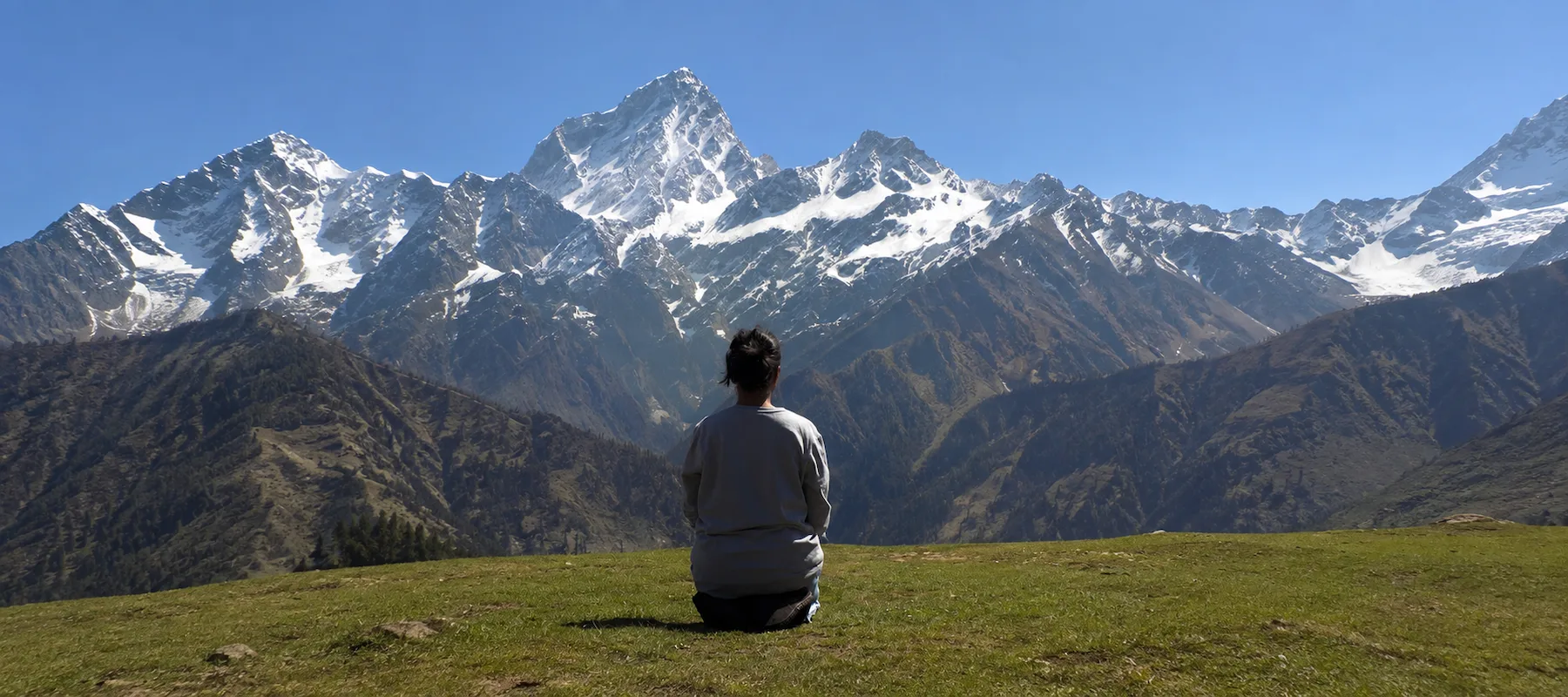
Wellness tourism in Nepal blends centuries-old Hindu and Buddhist contemplative traditions with a growing network of yoga retreats, sound healing centers, Reiki practitioners, and Ayurvedic spas, concentrated mainly in Kathmandu, Pokhara, Lumbini, and Bandipur. It appeals to travelers because the spiritual context isn’t manufactured for tourism — meditation, mantra, and mindfulness are already part of everyday Nepali life and because the cost of a retreat here typically runs a fraction of comparable programs in Bali, Costa Rica, or Europe. These reasons are enough for travelers who are seeking wellness in Nepal and find a place where they can find peace and begin a spiritual journey.
This guide walks through why Nepal has become a wellness destination in its own right, the different types of healing experiences on offer, where to find them, what a typical retreat day looks like, and how to choose the right program for your goals.
Nepal’s wellness appeal isn’t a recent tourism invention — it’s built on a spiritual foundation that predates the industry by thousands of years. This is the birthplace of Lord Buddha in Lumbini, and Hindu and Buddhist practice is visibly woven into daily life, from morning rituals at Swayambhunath to prayer wheels turning at Boudhanath to riverside meditation along the Bagmati at Pashupatinath. Travelers aren’t stepping into a curated wellness resort disconnected from its surroundings; they’re stepping into a living spiritual culture that happens to also offer world-class retreat facilities.
Geography plays a role too. Kathmandu Valley sits at a gentle altitude of roughly 1,400 meters — high enough to feel invigorating without straining the body — while Pokhara, at around 800 meters beside Phewa Lake, offers a milder climate with direct Annapurna and Machhapuchhre views. Add a lower cost of living than most comparable wellness destinations, and a retreat that might cost several thousand dollars elsewhere becomes accessible at a fraction of the price in Nepal, often with more individualized attention from instructors.
Finally, Nepal now has a genuinely capable pool of practitioners. Local yoga teachers frequently hold internationally recognized certifications, sound healers often train directly under Tibetan masters, and Reiki practitioners draw from both Japanese and Western lineages — meaning the wellness experience blends authentic Himalayan tradition with recognized therapeutic training rather than one at the expense of the other.
Wellness tourism in Nepal spans a genuinely wide range, from week-long residential immersions to single-afternoon spa visits:
| Wellness Category | What It Typically Involves | Typical Duration |
|---|---|---|
| Yoga and meditation retreats | Daily yoga sessions, guided meditation, pranayama, vegetarian meals | 3–9 days |
| Sound healing and vibrational therapy | Tibetan singing bowls, gongs, vocal toning for relaxation and energetic balance | 1 session to 3-day courses |
| Reiki and energy healing | Hands-on or hands-off energy channeling, certification courses available | 60–90 min sessions, or multi-day training |
| Spa and bodywork therapy | Ayurvedic treatments, Thai massage, herbal steam baths, hot stone therapy | Half-day to full-day |
| Nature-based healing | Forest bathing, waterfall meditation, riverside yoga | Half-day to full-day excursions |
Most travelers don’t choose just one category — a typical week in Nepal might combine morning yoga, an afternoon Reiki session, and a nature excursion, layered together rather than treated as separate bookings.
| Destination | Best For | What Sets It Apart |
|---|---|---|
| Kathmandu | Urban wellness, sound healing, Reiki | Dense concentration of studios and healers, especially in Thamel and Boudha |
| Pokhara | Lakeside yoga retreats, relaxed pace | Phewa Lake views, Annapurna panorama, easy trek-and-retreat combinations |
| Lumbini | Deep meditation and spiritual reflection | Buddha’s birthplace; monastery-based meditation halls from around the world |
| Bandipur | Quiet hill-town retreats | Car-free heritage town setting, panoramic Himalayan views, fewer crowds |
Kathmandu tends to suit travelers who want to pair wellness with cultural sightseeing in the same trip, while Pokhara and Bandipur appeal more to those seeking a slower, nature-focused pace.
| Season | Months | What to Expect |
|---|---|---|
| Autumn (peak) | September–November | Clearest skies, most stable weather, busiest overall travel season |
| Spring (peak) | March–May | Warm temperatures, blooming rhododendrons, excellent visibility |
| Monsoon | June–August | Lush, green landscapes, fewer tourists, well suited to inward-focused retreats |
| Winter | December–February | Cool mornings and evenings, quieter retreat centers, more personalized attention |
Outdoor-heavy programs generally do best in autumn or spring, while a monsoon-season retreat can actually suit travelers looking for stillness and fewer distractions rather than mountain views.
| Experience Type | Typical Price Range |
|---|---|
| Half-day spa treatment | $60 – $120 |
| 3-day retreat (accommodation + meals included) | $180 – $350 |
| 5–7 day structured retreat | $350 – $710 |
| Week-long luxury retreat (private room, multiple daily therapies) | $1,100 – $3,000+ |
These figures sit well below equivalent Western retreat pricing, largely due to Nepal’s lower accommodation and labor costs — without a corresponding drop in the quality or authenticity of the experience.
Most structured retreats in Nepal follow a similar daily rhythm, even though the specific modalities vary:
What distinguishes a Nepal retreat from similar programs elsewhere isn’t the schedule itself — it’s the surrounding context. Morning meditation to the sound of temple bells, or an afternoon walk past centuries-old stupas, adds a dimension that a resort-based retreat in a purpose-built wellness compound can’t replicate.
A few questions help narrow the wide range of options:
It refers to travel focused on healing and personal wellbeing in Nepal, spanning yoga and meditation retreats, sound healing, Reiki, Ayurvedic spa therapy, and nature-based healing experiences.
Generally, yes. A comparable retreat in Nepal typically costs a fraction of equivalent programs in Bali, Costa Rica, or Europe, largely due to lower accommodation and service costs.
No. Most retreats welcome complete beginners and adapt sessions to different experience levels, though it’s worth mentioning any physical limitations to the organizer in advance.
Yes. It’s common to pair a retreat with a short trek in the Annapurna foothills or a spa recovery day after a longer trekking itinerary.
Autumn and spring offer the clearest weather for outdoor-inclusive retreats, while monsoon season suits travelers seeking a quieter, more inward-focused experience.
Alliance Treks & Expedition Pvt. Ltd. can help design an itinerary that pairs wellness experiences with cultural sightseeing or a short trek, tailored to your goals and schedule:
Alliance Treks & Expedition Pvt. Ltd. Once is not enough for naturally and culturally Himalayas