(Viber, Whatsapp, Cell) +977 9851022814

Which areas of Nepal are restricted for trekking?
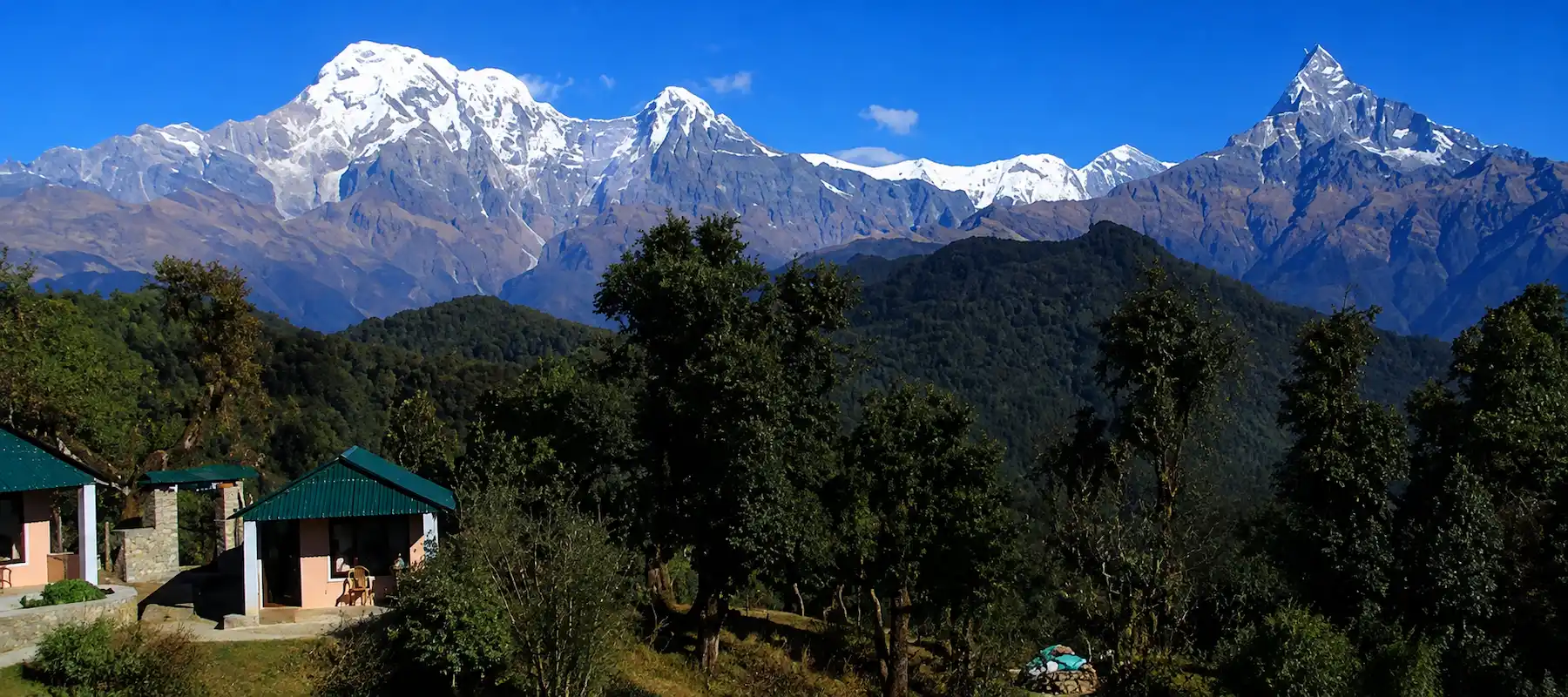
Nepal has 15 restricted trekking areas across 13 districts, mostly near the Tibet border or in remote, culturally sensitive valleys. The best-known are Upper Mustang, Upper and Lower Dolpo, Manaslu, Tsum Valley, Nar Phu, Kanchenjunga, Humla (Limi Valley), Mugu, Bajhang, Darchula, Makalu, Gaurishankar, and parts of Khumbu and Rasuwa. Each needs a Restricted Area Permit from the Department of Immigration, applied for through a registered Nepali trekking agency, with a licensed guide.
A restricted area is a part of the country where foreigners may trek only with a special permit. Nepal’s own regulations often call these “controlled areas”, so you will see both terms. Everywhere else, trekkers need only the standard entry permits for a national park or conservation area.
The system dates back to the early 1990s, when Nepal opened these regions to foreign visitors for the first time, in a controlled way. Three reasons keep it in place:
Two changes matter if you read older guides.
Fees are per person in US dollars and follow the schedule published by the Trekking Agencies’ Association of Nepal (TAAN), the most widely used reference in the industry. Fees are revised from time to time, so treat this table as a planning guide and confirm the final amount with your agency.
| # | Area | District | Permit fee |
|---|---|---|---|
| 1 | Upper Mustang | Mustang | US$500 first 10 days, then US$50/day (see 2026 note above) |
| 2 | Upper Dolpo | Dolpa | US$500 first 10 days, then US$50/day |
| 3 | Lower Dolpo | Dolpa | US$20 first week, then US$5/week |
| 4 | Manaslu | Gorkha | Sep–Nov: US$100 first week, then US$15/day. Dec–Aug: US$75 first week, then US$10/day |
| 5 | Tsum Valley | Gorkha | Sep–Nov: US$40 first week, then US$7/day. Dec–Aug: US$30 first week, then US$7/day |
| 6 | Nar Phu | Manang | Sep–Nov: US$100 first week, then US$15/day. Dec–Aug: US$75 first week, then US$15/day |
| 7 | Kanchenjunga | Taplejung | US$20/week for the first 4 weeks, then US$25/week |
| 8 | Makalu (Bhotkhola) | Sankhuwasabha | US$20/week for the first 4 weeks, then US$25/week |
| 9 | Khumbu Pasang Lhamu, ward 5 | Solukhumbu | US$20/week for the first 4 weeks, then US$25/week |
| 10 | Gaurishankar | Dolakha | US$20/week |
| 11 | Gosainkunda area | Rasuwa | US$20/week |
| 12 | Humla (including Limi Valley) | Humla | US$50 first week, then US$10/day |
| 13 | Mugu | Mugu | US$100 first week, then US$15/day |
| 14 | Bajhang (Saipal) | Bajhang | US$90 first week, then US$15/day |
| 15 | Darchula (Vyas) | Darchula | US$90 first week, then US$15/day |
The weekly structure surprises people, so here are three worked examples (permit only, before conservation fees, guide, food and lodging):
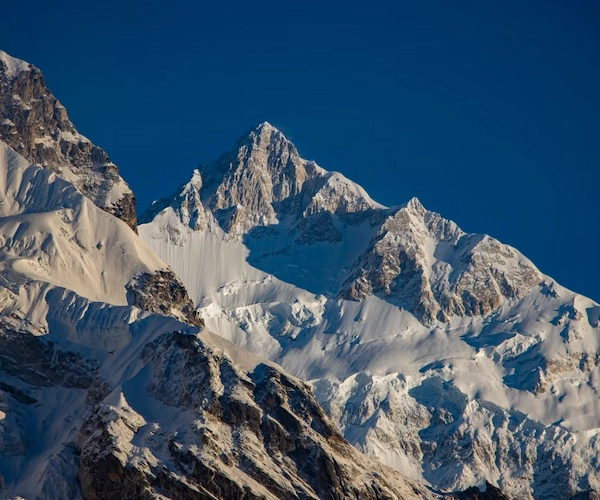
Kanchenjunga is the remotest of Nepal’s major treks and one of the cheapest in permit terms. A full circuit visits both North and South Base Camps in roughly three weeks. Lodges are simple, the trail is far less crowded than Everest or Annapurna, and the best windows are March–May and October–November. See our 21-day Kanchenjunga Circuit Trek for a day-by-day plan.
Manaslu is the most popular restricted-area trek. It crosses the Larke La, a pass of around 5,100 meters, and needs the Manaslu restricted permit on top of two conservation-area permits. Autumn is busiest and carries the higher permit price.
A side valley off the Manaslu route, Tsum is lower in altitude and strong on culture. It is a good choice for people who want a restricted-area experience without a high pass.
Upper Mustang sits behind the Himalaya, so the monsoon barely reaches it. That makes it one of the few restricted treks that works in summer. It is the area to check twice for current pricing.
Upper Dolpo is Nepal’s most remote inhabited region and has the most expensive permit. Lower Dolpo reaches Phoksundo Lake and the Dho Tarap valley for a much smaller permit fee, and is a serious trek in its own right.
Nar Phu branches off the Annapurna Circuit near Koto. Its high crossing is demanding, and most people do it as an extension of the circuit.
These areas see only a handful of foreign trekkers each year. Logistics are harder, flights are less reliable, and you should plan extra buffer days.
This is the part most guides skip. A restricted trek usually needs more than one permit.
| Permit | What it is |
|---|---|
| Restricted Area Permit (RAP) | Allows entry to the controlled area |
| Conservation area or national park permit | Entry fee for the protected area the route passes through (for example Annapurna, Manaslu, Kanchenjunga or Shey Phoksundo) |
| TIMS / trekker registration | Registration for trekker safety tracking |
Tip: book at least two to three weeks ahead in autumn. Applications cluster in September–November.
| If you want… | Choose |
|---|---|
| The best mix of wilderness and low cost | Kanchenjunga |
| A classic, well-supported circuit | Manaslu |
| Culture over altitude | Tsum Valley |
| A trek that works in the monsoon | Upper Mustang |
| Maximum remoteness and are willing to pay | Upper Dolpo |
| Dolpo scenery on a smaller budget | Lower Dolpo |
| An add-on to the Annapurna Circuit | Nar Phu |
| Real solitude in the far west | Humla, Mugu, Bajhang or Darchula |
March–May and October–November are the best windows for most areas. Upper Mustang and Upper Dolpo can be done in the summer rain shadow, but trail conditions and flights still need checking. Winter closes the highest passes in most regions.
Fifteen areas in 13 districts: Upper Mustang, Upper and Lower Dolpo, Manaslu, Tsum Valley, Nar Phu, Kanchenjunga, Humla, Mugu, Bajhang, Darchula, Makalu, Gaurishankar, and parts of Solukhumbu and Rasuwa.
Yes, in the sense that you no longer need a second foreign trekker. Since 22 March 2026 a single foreigner can get a permit, but you still need a licensed Nepali guide and a registered agency.
No. Only registered trekking agencies can apply on a foreigner’s behalf.
From about US$20 per week in Kanchenjunga, Lower Dolpo, Makalu, Gaurishankar and Rasuwa, to US$75–100 per week in Manaslu and Nar Phu, and US$500 for the first 10 days in Upper Mustang and Upper Dolpo under the long-published schedule.
Yes. A licensed guide is required as part of the permit arrangement.
Kanchenjunga, Lower Dolpo, Makalu, Gaurishankar and Rasuwa, at about US$20 per week, and Tsum Valley at US$30–40 per week.
Usually yes. Most routes also need a conservation area or national park permit, and some need trekker registration.
Agencies usually process it in a few working days once documents are complete. Allow longer in autumn.
It is valid for the dates and route stated on it. Extra days must be paid for and requested before the permit expires.
They are remote, with limited medical help and communication. With a licensed guide, proper acclimatization and the right insurance, they are trekked safely every season.
Alliance Treks and Expedition is a registered Nepali trekking agency. We arrange the permits, a licensed guide, lodges and logistics so you can focus on the trail. If Kanchenjunga is on your list, start with our Kanchenjunga Circuit Trek or contact us with your dates and we will recommend the best-fit restricted area.
Alliance Treks & Expedition Pvt. Ltd. Once is not enough for naturally and culturally Himalayas