(Viber, Whatsapp, Cell) +977 9851022814

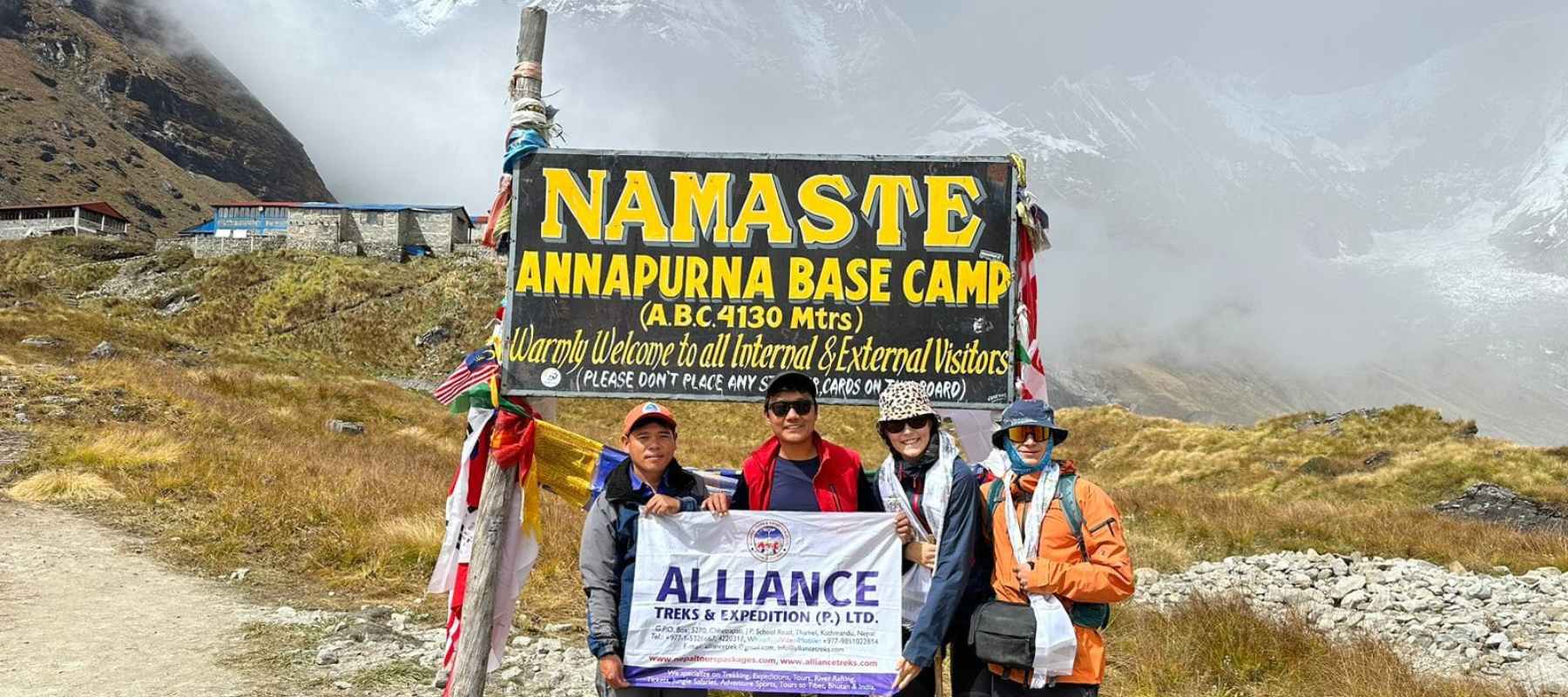
If you’re planning a Himalayan adventure but have limited time, then understanding the Annapurna Base Camp Trek cost 2026 should be your first step. After all, having a clear idea of your budget allows you to prepare properly, avoid unexpected expenses, and fully enjoy the journey.
At the same time, the Annapurna Base Camp Trek (10 Days) is one of the best short treks in Nepal. Not only does it offer breathtaking mountain views, but it also gives you a chance to experience local culture, diverse landscapes, and high-altitude trekking—all within just a week. Therefore, if you want a complete trekking experience without committing to a long itinerary, this trek is an excellent choice.
To begin with, the Annapurna Base Camp trek takes you deep into the heart of the Himalayas in a relatively short time. Unlike longer treks that require two or more weeks, this 7-day journey delivers stunning scenery and rewarding experiences in a compact schedule.
As you move along the trail, you gradually enter the magnificent Annapurna Range. Initially, you walk through green hills, terraced fields, and traditional villages. However, as the days pass, the landscape transforms into alpine terrain surrounded by snow-capped peaks.
Eventually, you reach Annapurna Base Camp at 4,130 meters. At this point, you find yourself standing in a natural amphitheater of mountains. The panoramic views are simply unforgettable. Moreover, the entire trek lies within the beautiful Annapurna Conservation Area, which means you also experience rich biodiversity and unique cultural encounters along the way.
Now, let’s take a closer look at the detailed 7-day itinerary. This plan is carefully designed to balance trekking hours, altitude gain, and overall comfort.
Day 1 – Kathmandu to Dharapani (1,960m)
Drive via Besisahar (8–10 hrs, ~220 km); long but scenic start.
Day 2 – Dharapani to Chame (2,710m)
5–6 hrs, ~15 km; steady uphill through forests and villages.
Day 3 – Chame to Upper Pisang (3,300m)
5–6 hrs, ~14 km; beautiful mountain views and open landscapes.
Day 4 – Upper Pisang to Manang (3,540m)
5–7 hrs, ~17 km; one of the most scenic sections.
Day 5 – Acclimatization in Manang
2–4 hrs, ~4–6 km; short hikes and rest.
Day 6 – Manang to Yak Kharka (4,050m)
4–5 hrs, ~10 km; gradual climb into rugged terrain.
Day 7 – Yak Kharka to Thorong Phedi (4,525m)
3–4 hrs, ~7 km; short day to prepare for the pass.
Day 8 – Cross Thorong La Pass (5,416m) to Muktinath (3,800m)
7–9 hrs, ~15 km; toughest and most rewarding day.
Day 9 – Muktinath to Jomsom (2,720m)
5–6 hrs, ~18 km; easier walk through dry Mustang.
Day 10 – Jomsom to Pokhara (822m)
Flight (20 min) or drive (6–8 hrs, ~155 km); trek ends.
Now, let’s focus on the most important part—the cost.
The Annapurna Base Camp Trek cost depends largely on your group size. Generally speaking, the more people in your group, the lower the cost per person.
| No. of People | Price Per Person |
|---|---|
| 1 Person | USD 680 |
| 2–5 People | USD 445 |
| 6–10 People | USD 425 |
| 11+ People | USD 405 |
Therefore, traveling in a group is one of the best ways to reduce your expenses while still enjoying the full experience.
Even though trekking packages usually include major services, there are still additional costs you should keep in mind.
For example, WiFi access, charging electronic devices, and hot showers are often not included in the package. Furthermore, these services become more expensive as you go higher in altitude.
In addition, you should also budget for:
As a result, planning for these hidden costs ensures that you stay within your budget and avoid unexpected spending.
Fortunately, there are several practical ways to reduce your trekking cost without compromising your experience.
First, travel in a group
Sharing costs with others significantly lowers your overall expenses.
Second, book with a local trekking company
Local agencies often provide better deals and more personalized services compared to international operators.
Third, buy essentials in advance
Before starting your trek, purchase snacks, toiletries, and small items in Pokhara, where prices are lower.
Finally, limit extra services
Reducing your use of WiFi, hot showers, and charging facilities can help you save money.
Without any doubt, the answer is yes.
Not only do you get to trek through diverse landscapes, but you also experience local culture, hospitality, and the beauty of the Himalayas. In fact, reaching Annapurna Base Camp and standing in the middle of towering peaks is a moment that stays with you forever.
Moreover, compared to longer treks, this 7-day journey offers incredible value for money. It provides a complete Himalayan experience in a shorter time and at a reasonable cost.
To sum up, the Annapurna Base Camp Trek cost 2026 is flexible and suitable for different types of travelers. On average, you can complete this trek for USD 405 to USD 680, depending on your group size and preferences.
With proper planning, smart budgeting, and a well-organized itinerary, you can enjoy a smooth and unforgettable trekking experience. Ultimately, the Annapurna Base Camp trek is not just about reaching a destination—it’s about the journey, the people you meet, and the memories you create along the way.
Now that you understand the cost, itinerary, and essential tips, it’s time to take the next step.
Whether you’re traveling solo or with a group, choosing the right trekking package can make all the difference. A well-organized trip ensures better safety, comfort, and overall experience.
Start planning today, explore the Himalayas, and create memories that will truly last a lifetime.
Alliance Treks & Expedition Pvt. Ltd. Once is not enough for naturally and culturally Himalayas