Post Date: 16 Aug 2026
Post by - Kul Bahadur Gurung
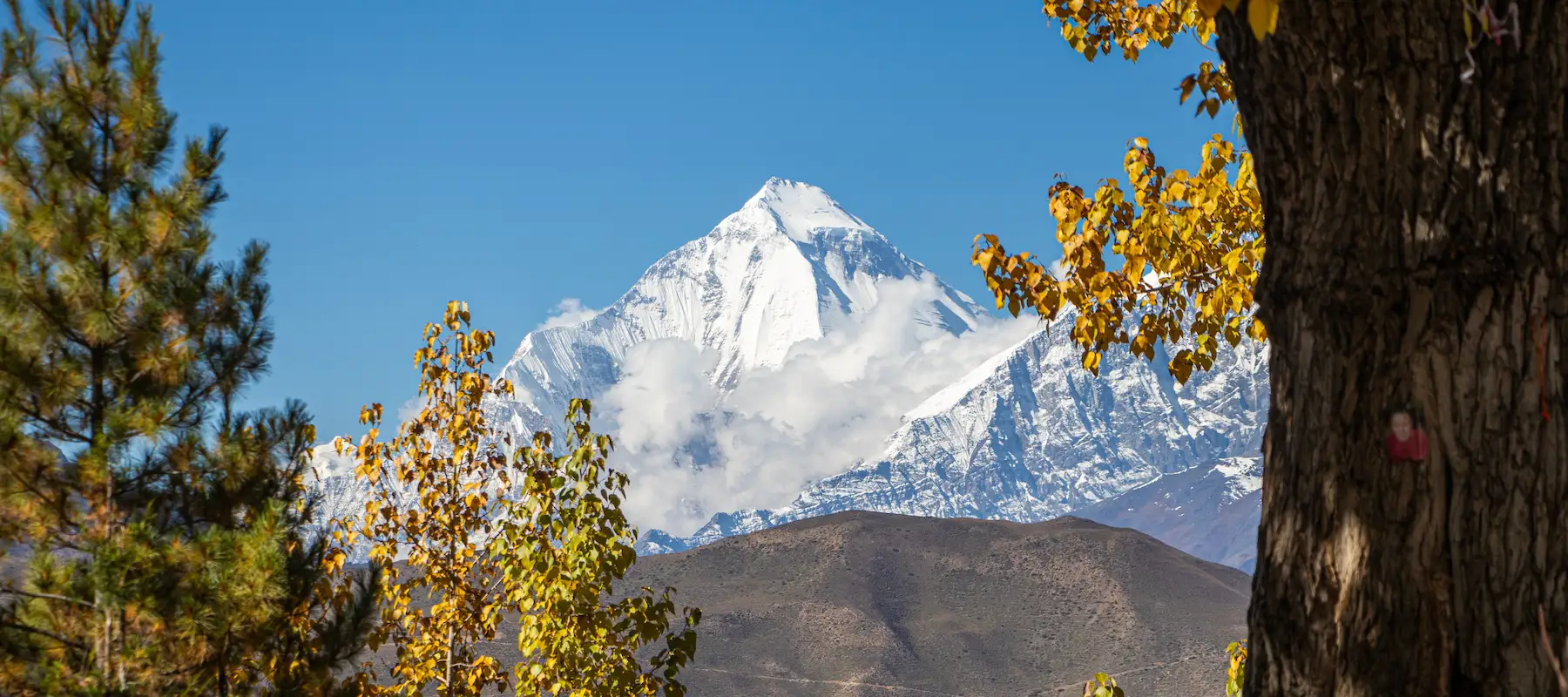
Autumn in the Himalayan mountains is magical. Picture this: crystal-clear skies stretching endlessly, snow-capped peaks rising sharp against the horizon, and mountain air so crisp it fills your lungs with energy.
This is autumn trekking in Nepal.
From September through November, Nepal’s mountains transform into the world’s most spectacular trekking destination. The monsoon rains end. The air clears. Temperatures become comfortable. Visibility reaches its absolute best for the entire year. This blog clears you about everything you need to know about Best Autumn Trek in Nepal.
This is not a coincidence. This is why 40-50% of all Nepal’s annual trekkers come during the autumn season. This is why every experienced trekker tells first-timers: “Trek in autumn.”
What Makes Autumn Special
Clear Mountain Views
When you trek in autumn, the mountains reveal themselves completely.
- Visibility reaches 95% or higher on clear days—an extraordinary clarity compared to spring’s 60% visibility.
- Mountain photography becomes crystal sharp with unbeatable light quality that photographers spend years chasing.
- Sunset views are absolutely stunning, with mountains glowing in shades of orange and red that seem almost unreal.
- The nights transform into something magical too, with incredible starry skies stretching endlessly overhead, made possible by the pollution-free air that autumn’s weather systems bring to the Himalayas. Every direction you look, the views are sharp, detailed, and unforgettable.
Comfortable Weather
Autumn brings the most pleasant trekking weather of the entire year.
-
Daytime temperatures hover between 15-25°C, which is absolutely perfect for walking—warm enough that you don’t need heavy layers, yet cool enough that you won’t overheat during climbing sections.
-
Night temperatures range from 5-15°C, remaining manageable with a proper sleeping bag, so sleep is comfortable and restorative after long trekking days.
-
Rain is virtually guaranteed not to happen, with only a 5% chance in September and just 2% in October, making planning straightforward and stress-free. Wind patterns are stable and predictable, lacking the sudden gusts or storms that characterize other seasons.
This combination of comfortable warmth during the day, manageable coolness at night, and virtually zero rain creates an ideal climate for trekking that requires less gear, less stress, and more enjoyment.
Psychological Benefits
The psychological impact of trekking in autumn weather cannot be overstated.
- Clear weather creates a confidence boost that trekkers feel from the very first day—when you can see where you’re going and the mountains are visible ahead, your mind settles into a rhythm of positive expectation.
- Good visibility provides a genuine feeling of safety that comes from seeing the terrain clearly, understanding the trail ahead, and feeling oriented in the landscape.
- Being on the trail alongside other trekkers creates a wonderful camaraderie and energy, as you meet dozens of other adventurers from around the world also pursuing their mountain dreams.
- This positive environment translates directly into success rates—autumn sees successful summit rates of 85-90% compared to 60-70% in other seasons.
The combination of clear weather, visible mountains, and positive group energy creates a mental environment where trekkers feel capable, supported, and successful.
Practical Advantages
Beyond the scenic and weather benefits, autumn offers tremendous practical advantages that make trekking logistics smooth and stress-free.
-
All teahouses remain open throughout the season—there are no closures due to weather or lack of business, meaning you have reliable accommodation options every night.
-
Trails are in excellent condition during autumn, completely dry and stable underfoot, without the mud of monsoon season or the ice of winter.
-
Guides are readily available with no shortages, meaning you can book trekking packages without worrying about limited guide availability.
-
Food supplies are reliable throughout the trek with no weather-related delays to supply deliveries—teahouses are well-stocked because they’ve prepared for peak season.
-
Rescue operations are actually possible in autumn, unlike some seasons when poor weather makes helicopter evacuation impossible.
All these practical advantages combine to create a seamless trekking experience where logistics work smoothly, support is available, and operations run as planned.
The Autumn Trekking Window
Autumn has three distinct phases, each with unique characteristics:
Early Autumn: September (1-15)
- Still some afternoon rain possible (monsoon tail end)
- Clear mornings, cloudy afternoons common
- Fewer crowds (early season advantage)
- Rivers higher (from monsoon runoff)
- Best for: Budget trekkers, crowd avoiders
Peak Autumn: October
- Clearest skies of entire year (95%+ clear days)
- Coolest morning temperatures (early Oct especially)
- Most stable weather (lowest rain probability)
- Highest trekker density (everyone comes)
- Best for: Best overall experience, photography, all trek types
Late Autumn: November (1-20)
- Still excellent weather (90% clear days)
- Noticeably cooler (nights approaching freezing)
- Fewer crowds (autumn tail end)
- Some higher passes challenging (early snow possible by late Nov)
- Best for: Budget trekkers wanting autumn quality, solitude seekers
Autumn Weather in Nepal: What to Expect
Understanding Autumn Climate
Nepal’s autumn weather is the most predictable of any season. The monsoon has retreated to the south. The dry Himalayan air mass dominates. Wind patterns stabilize. This combination creates consistent, beautiful trekking weather.
Why This Happens:
- Monsoon systems move south (August-September)
- High-pressure system settles over Himalayas (October-November)
- Jet stream moves north (stops bringing storms)
- Clear, dry air mass remains until November
Month-by-Month Autumn Breakdown
| Aspect |
September |
October |
November |
| Sky Clarity |
85% clear |
95% clear |
92% clear |
| Afternoon Rain Chance |
15% of days |
2% of days |
1% of days |
| Daytime Temperature |
18-24°C |
15-22°C |
12-20°C |
| Night Temperature |
10-14°C |
6-12°C |
2-10°C |
| Wind Conditions |
Stable |
Very stable |
Stable |
| River Levels |
High (monsoon) |
Moderate |
Moderate-Low |
| Trekker Density |
Moderate |
Very High |
Moderate |
| Teahouse Availability |
All open |
All open |
All open |
| Best For |
Budget/solitude |
Experience/photos |
Budget/solitude |
Top 5 Best Autumn Treks in Nepal
1: Everest Base Camp Trek (14 Days)
Why It’s Best for Autumn:
- Clear Everest views (9 out of 14 days guaranteed)
- Well-established trail (no navigation challenges)
- Perfect altitude progression (excellent autumn acclimatization)
- Iconic destination (worth the effort)
- Manageable difficulty (accessible to most)
Autumn Specific Details:
- September: 82% summit success (some afternoon clouds)
- October: 92% summit success (perfect conditions)
- November: 88% summit success (clear but cold)
Best Days to Trek:
- Mid October (peak conditions)
- Early September (fewer crowds)
- November 1-15 (autumn tail end)
Who It’s Perfect For:
- First-time trekkers
- Photography enthusiasts
- People with 2 weeks available
- Budget $1,500-2,500
Check Detailed Everests Package Here: Everest Trekking
2: Manaslu Circuit Trek (18 Days)
Why It’s Best for Autumn:
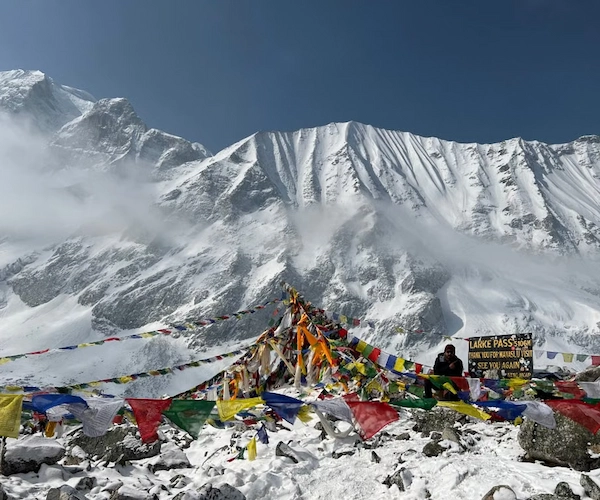
- Highest mountain pass in main trek (Larkya La Pass, 5,106m)
- Remote wilderness (fewer crowds than Everest)
- Authentic mountain culture (less commercialized)
- Stunning high-altitude scenery (Manaslu peak views)
- Technical variety (challenging but achievable)
Autumn Specific Details:
- September: 75% success (some afternoon rain possible)
- October: 90% success (ideal conditions)
- November: 82% success (early snow possible on pass)
Best Days to Trek:
- Late October (peak autumn window)
- Early September (fewer crowds, decent weather)
- Early November (tail end, weather starts changing)
Who It’s Perfect For:
- Experienced trekkers (moderate-strenuous)
- Culture enthusiasts
- Solitude seekers (fewer trekkers)
- People with 3 weeks available
- Budget $2,500-4,000
Check Detailed Manaslu Packages Here: Manaslu Trekking
3: Annapurna Base Camp Trek (7-8 Days)
Why It’s Best for Autumn:
- Shortest trek (perfect for short trips)
- Incredible scenery (Annapurna and Machapuchare views)
- Warm days (lower altitude, comfortable temperatures)
- Excellent infrastructure (busy = lots of teahouses)
- High success rate (very achievable)
Autumn Specific Details:
- September: 85% success (occasional afternoon clouds)
- October: 95% success (perfect conditions)
- November: 92% success (clear, comfortable)
Best Days to Trek:
- Mid October (peak conditions, good for photography)
- Early September (warm, good views)
- Mid November (clear, fewer crowds)
Who It’s Perfect For:
- Time-limited trekkers
- First-time trekkers
- Families with children
- Photography enthusiasts
- Budget $1,200-2,000
Check Detailed Annapurna Packages Here: Annapurna Trekking
4: Kanchenjunga Circuit Trek (21 Days)
Why It’s Best for Autumn:
- Third-highest mountain (8,586m views)
- Extremely remote (very few Western trekkers)
- Pristine wilderness (untouched terrain)
- Exceptional views (less crowded than major treks)
- Cultural immersion (local Sherpa communities)
Autumn Specific Details:
- September: 70% success (some weather variability)
- October: 88% success (ideal, though higher passes challenging)
- November: 78% success (weather becoming unstable)
Best Days to Trek:
- Early & Mid October (peak autumn window)
- Early September (fewer crowds)
- Early November (autumn still excellent)
Who It’s Perfect For:
- Advanced trekkers (strenuous)
- Adventurous travelers
- Solitude seekers (very few tourists)
- Cultural explorers
- Budget $3,500-5,500
Check Detailed Kanchenjunga Package Here: Kanchenjunga Circuit Trek
5: Upper Mustang Trek (16 Days)
Why It’s Best for Autumn:
- Hidden kingdom (restricted area, unique experience)
- Tibetan culture (authentic high-altitude communities)
- Pristine mountain terrain (untouched wilderness)
- Clear autumn weather (best visibility for photos)
- Spiritual significance (ancient monasteries)
Autumn Specific Details:
- September: 82% success (occasional wind/weather)
- October: 94% success (perfect conditions)
- November: 85% success (early snow on passes possible)
Best Days to Trek:
- Mid & Late October (ideal window)
- Early September (good weather)
- Early November (acceptable, fewer crowds)
Who It’s Perfect For:
- Adventure seekers
- Photography enthusiasts
- Culture enthusiasts
- Spiritual explorers
- Budget $3,000-4,500
Check Detailed Mustang Packages Here: Mustang Trekking
Conclusion
Autumn in Nepal’s mountains is nature’s masterpiece.
Clear skies stretch endlessly. Mountain peaks pierce clouds like daggers. Prayer flags flutter in steady wind. Local communities go about their lives, unhurried by seasons. And trekkers from around the world walk these paths, seeking transformation. This is why 50% of all Nepal’s trekkers come in autumn.
Whether you choose a quick 7-day escape to Annapurna Base Camp, a 3-week adventure to Kanchenjunga Circuit, or a 2-week exploration to Everest Base Camp, autumn provides perfect conditions for success. The choice isn’t between treks. It’s between the trekker you are and the trekker you’ll become when you return from the mountains.
“The mountains are waiting. Autumn is calling.”
Contact Alliance Treks:
📧 Email: [email protected] / [email protected]
📞 WhatsApp/Viber: +977 9851022814 / +977 9841451681
📱 Phone: +977 01 5326667, 01-5320317
🌐 Website: https://www.alliancetreks.com
📍 Address: Jp Marg, Thamel, Kathmandu, Nepal