(Viber, Whatsapp, Cell) +977 9851022814

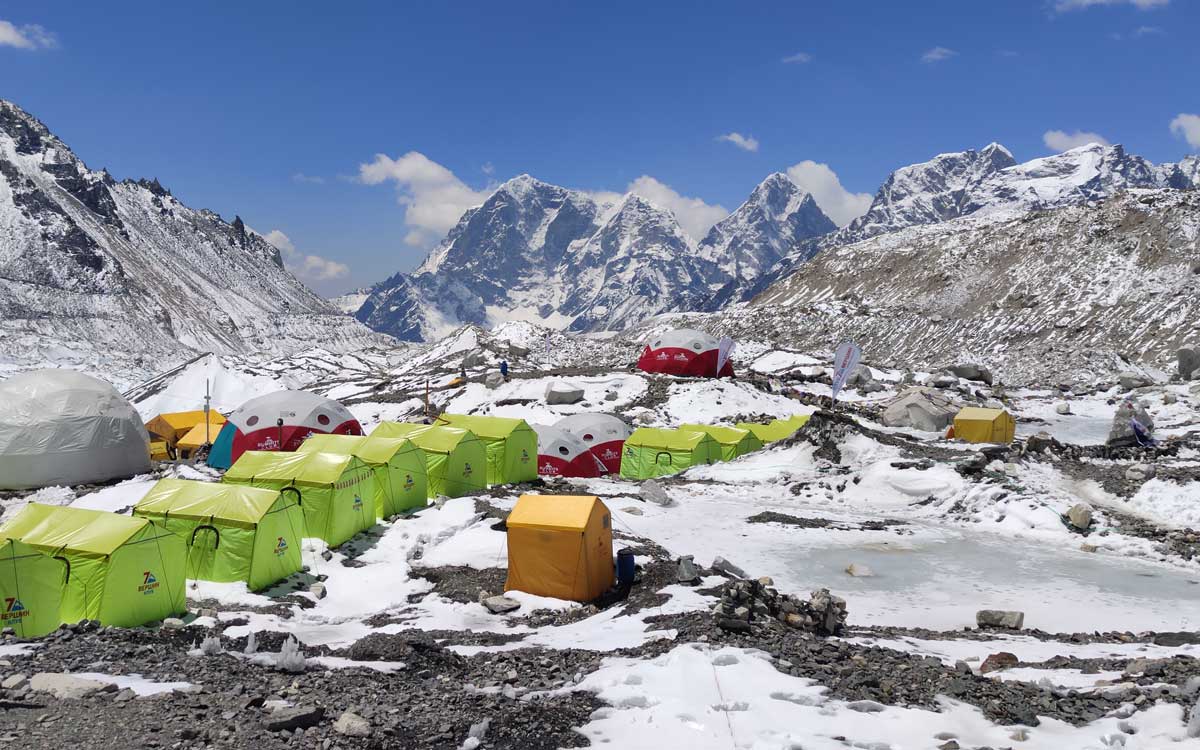
Everest Base Camp is the most famous trekking destination—home to climbers setting up base camps during attempts to reach the summit of Everest, which stands at 5,364 meters. The journey is a very popular one every year and is considered the pinnacle of the trekking experience.
But there are some challenges to Everest Base Camp compared to the other treks in Nepal. There is high-altitude risk due to the very high elevation. The climate is more extreme at high elevations. Acclimatization becomes critical. The weather conditions of the trails are very different throughout the year.
The elevation of EBC makes the season an important thing to consider, as it will impact not only the comfort and views you’ll be able to experience, but also your physical condition and how safe it is to go up there.
This extensive guide examines each season in detail and offers detailed information on weather, altitude sickness risk, visibility, crowds, costs and tips on how to select the best time to experience these seasons.
| Season | Best For | Weather | Altitude Risk | Visibility | Crowds | Cost |
|---|---|---|---|---|---|---|
| October | Optimal all-around | Perfect 10-18°C | Low (clear air) | 95%+ | High | Standard |
| April-May | Spring adventure | Pleasant 5-15°C | Moderate | 85% | Moderate | Standard |
| September | Budget + safety | Good 12-20°C | Low | 85% | Low | Lower |
| November | Still excellent | Cool 5-12°C | Low-Moderate | 92% | Moderate | Standard |
| Monsoon (Jun-Aug) | Extreme challenge | Rainy/Cloudy | High (poor air) | 30-40% | Very Low | Cheapest |
| Winter (Dec-Feb) | Dangerous extreme | Freezing -5-5°C | Very High (cold) | 70% | Very Low | Lower |
| March | Budget spring | Variable 0-12°C | Moderate-High | 75% | Low | Lower |
Autumn is Nepal’s peak trekking season and unquestionably the best time for Everest Base Camp trek.
Why Autumn is Best for EBC
Autumn offers critical advantages for high-altitude trekking that lower-altitude treks don’t require:
Clear Air & Altitude Safety:
The post-monsoon air is exceptionally clean and clear. This isn’t merely aesthetic—clear air improves acclimatization because:
Contrast this to pre-monsoon (March-May) when atmospheric dust and humidity slightly compromise acclimatization rates.
Weather Patterns:
Autumn brings stable, predictable weather patterns critical at high altitude:
This stability reduces altitude-related complications because trekkers acclimatize predictably without weather disruptions.
Temperature Range Perfect for Acclimatization:
Autumn temperatures (10-18°C daytime, 0-8°C nighttime) are ideal for acclimatization:
Crystal-Clear Mountain Views:
Visibility reaches 95%+ in October—critical motivation factor. Seeing Everest, Lhotse, Nuptse clearly throughout trek boosts morale and psychological motivation, enhancing summit success.
Weather Profile:
September represents early autumn—monsoon clearing is complete, but weather remains relatively warm and stable.
Visibility & Views:
Altitude Sickness Risk:
Crowd Levels:
Weather Profile:
October is statistically the best month for Everest Base Camp trek. This is when the entire trekking world converges on the mountain.
Why October is Optimal:
October represents peak trekking season for multiple converging reasons:
Clear Mountain Views: Visibility reaches 95%+, the annual peak. Everest appears crisp and detailed from base camp. All surrounding peaks are visible and sharp. Photography conditions are exceptional—mountains photograph almost unreal in clarity.
Optimal Temperature Range: October temperatures (10-18°C daytime, 0-8°C nighttime) represent the sweet spot for high-altitude acclimatization. Warm enough that trekkers can actively acclimatize through hiking, cold enough to test acclimatization adequately.
Lowest Altitude Sickness Rates: October shows statistically lowest altitude sickness rates (20-30% AMS rate, severe cases under 5%) due to combination of: clear air (better oxygen transfer), stable weather (predictable acclimatization), optimal temperature (body functions well), and psychological boost (clear views = motivation).
Proven Success Record: October has the highest trekking success rates and highest EBC completion rates. This isn’t coincidence—it’s the result of optimal environmental conditions.
Visibility & Views:
Altitude Sickness Risk:
Crowd Levels:
| Aspect | September | October |
|---|---|---|
| Visibility | 85% | 95%+ |
| Temperature (Day/Night) | 12-20°C / 5-10°C | 10-18°C / 0-8°C |
| Altitude Sickness Risk | 25-35% AMS | 20-30% AMS |
| Crowds | Moderate | High |
| Cost | $1,200-1,400 | $1,300-1,500 |
| Teahouse Availability | Good | Fully booked |
| Reliability | 90% | 98% |
| Best For | Budget + views | All-around best |
Spring offers the second-best option for the Everest Base Camp trek, though it presents a higher risk of altitude sickness than autumn.
Why Spring is a Good Alternative
Spring provides a viable alternative to autumn peak season with advantages and disadvantages specific to high-altitude trekking:
Advantages of Spring:
Disadvantages Specific to Altitude:
Weather Profile:
March represents early spring as winter ends and temperatures warm.
Visibility & Views:
Altitude Sickness Risk:
Crowd Levels:
April Weather Profile:
April is peak spring—temperatures warm, weather stabilizes somewhat, flowers reach peak bloom.
May Weather Profile:
May represents late spring—temperatures climbing, pre-monsoon effects increasing.
Visibility & Views:
Special Feature: Rhododendron Bloom
April represents peak spring rhododendron bloom:
Altitude Sickness Risk:
Crowd Levels:
Monsoon season presents serious challenges for the Everest Base Camp trek, particularly altitude-related risks.
Critical Altitude Safety Concern
Monsoon represents the most dangerous season for EBC trekking due to interaction between altitude and weather effects:
Why Monsoon is High-Risk at EBC Specifically:
These factors combine to make altitude sickness much more common in monsoon than autumn.
Monsoon Weather Characteristics
June Weather:
July-August Weather:
Trail Conditions:
Visual Experience:
Wildlife & Nature:
Critical Elevation Problem:
Monsoon presents specific altitude sickness challenges at EBC:
Monsoon Altitude Statistics:
Winter is the most challenging and dangerous season for the Everest Base Camp trek.
Why Winter is Extreme for EBC
Winter presents dangers that combine altitude with extreme cold—a dangerous combination at 5,364 meters:
Cold + Altitude Danger:
At altitude, the body struggles with acclimatization and with oxygen availability. Cold compounds this by:
This combination makes winter EBC trekking genuinely dangerous.
Winter Weather Characteristics
December Weather:
January-February Weather:
Extreme Cold:
Trail Conditions:
Physical Demands:
Cold Worsens Altitude Effects:
Winter cold accelerates altitude sickness development because:
Crowd levels dramatically affect your trekking experience and logistics.
Monthly Crowd Analysis
Peak Crowds (October):
Moderate Crowds (September, April, November):
Very Few Crowds (Monsoon, Winter, March):
Answer: October is statistically the best: 95% visibility (vs 85% April, 40% monsoon), lowest AMS rates (20-30% vs 30-40% April, 50-60% monsoon), perfect temperatures, and highest success rates. However, “best” depends on your priorities. If solitude matters most, monsoon offers that, but with serious altitude risks. If budget is critical, monsoon/winter offer 50-60% savings. October is best overall for safety, views, and predictability.
Answer: Yes, April-May is safe for most trekkers, but higher AMS risk (30-40% vs October’s 20-30%) requires careful acclimatization planning. Add 1 extra acclimatization day beyond the autumn schedule. Monitor AMS symptoms closely. Not recommended for first-time high-altitude trekkers—October is the safer choice. April offers an excellent alternative for spring lovers willing to manage slightly higher altitude risk.
Answer: Technically yes, but not recommended for most trekkers. Monsoon presents a 50-60% AMS rate, 30-40% visibility, daily rain and mud, and elevated HACE/HAPE risk. Only experienced high-altitude mountaineers should attempt monsoon trekking. For better views and safety, wait for October or April.
Answer: Winter combines altitude with extreme cold, including nights around -15°C—a challenging combination. AMS rates can reach 40-50%, HACE/HAPE risk may be elevated, frostbite becomes a concern, and rescue operations can be more difficult. Winter is best suited to experienced trekkers with significant high-altitude experience. October and April are generally safer options for typical trekkers.
Answer: October is best, with 95% visibility, clear skies, excellent light, and sharp mountain views. April is second-best, offering around 85% visibility, warm spring light, and rhododendrons that add colorful foregrounds. Monsoon provides moody photography with clouds, mist, and rain, but mountains are often hidden. Winter offers crisp light but brings significant cold-weather challenges.
Answer: Monsoon and winter can save 50-60% compared with October: October costs around $1,300-1,500, while monsoon or winter may cost $500-700. That can mean savings of $600-1,000 per person. However, off-season trekking may involve higher altitude-related risks and poorer visibility. Spring and September can offer 10-20% savings while maintaining more favorable trekking conditions.
Answer: October generally requires booking 2-3 months in advance because it is peak season and popular teahouses can fill quickly. September, April, and November can usually be booked 1-2 months ahead, although advance reservations are still recommended. Monsoon and winter generally offer greater availability.
Answer: Previous altitude sickness may increase your risk, but it does not automatically prevent you from trekking. Choose October or November, allow extra acclimatization time, and monitor symptoms closely. Avoiding periods with more challenging conditions may be sensible. If you have experienced severe altitude problems before, consult an altitude-medicine doctor before attempting EBC.
Answer: April offers a unique combination of around 85% visibility, spring flowers, and fewer crowds than October. However, the stated 30-35% AMS risk is higher than October’s 20-30%. If your main priority is clear Everest views, October may be the better choice. If spring flowers are important and you are comfortable with careful acclimatization, April is a viable option.
Answer: Prioritize safety over crowds. October offers strong visibility, predictable conditions, and the lowest stated AMS risk while remaining manageable despite peak-season crowds. Spring offers good conditions with fewer crowds. Monsoon and winter provide more solitude but may involve more challenging weather and higher altitude-related risks. At 5,364 meters, safety and proper acclimatization should always come before cost or crowd avoidance.
Choosing the best time for Everest Base Camp trek depends on what you prioritize, but safety must be the primary consideration at extreme altitude.
October delivers optimal conditions: exceptional mountain views (95% visibility), lowest altitude sickness risk (20-30%), proven success record, and perfect weather. The trade-offs are crowds and higher costs—acceptable compromises for most trekkers.
April-May offers excellent alternative: good views (85%), acceptable altitude risk (30-40%), spring flowers, and fewer crowds. Requires careful acclimatization planning but is viable for those comfortable with slightly higher AMS risk.
September and November provide good alternatives with fewer crowds than October—still excellent conditions with reduced competition for teahouse beds.
Monsoon and winter are extreme adventures only for experienced high-altitude mountaineers. The 50-60% altitude sickness rates and serious HACE/HAPE risks make these seasons unsuitable for typical trekkers, despite significant budget savings.
Ready to Trek Everest Base Camp at Optimal Time?
Alliance Treks specializes in Everest Trekking across all seasons. With 36 years of experience guiding EBC treks, we understand seasonal nuances and can help you choose optimal timing based on your specific goals, fitness level, and altitude tolerance.
Our Everest Base Camp Trek Packages Include:
Everest Base Camp Trek Details:
Contact Information:
📧 Email: [email protected] / [email protected]
📞 WhatsApp/Viber: +977 9851022814 / +977 9841451681
📱 Phone: +977 01 5326667, 01-5320317
🌐 Website: https://www.alliancetreks.com
📍 Address: JP Marg, Thamel, Kathmandu, Nepal
Alliance Treks & Expedition Pvt. Ltd. Once is not enough for naturally and culturally Himalayas