(Viber, Whatsapp, Cell) +977 9851022814

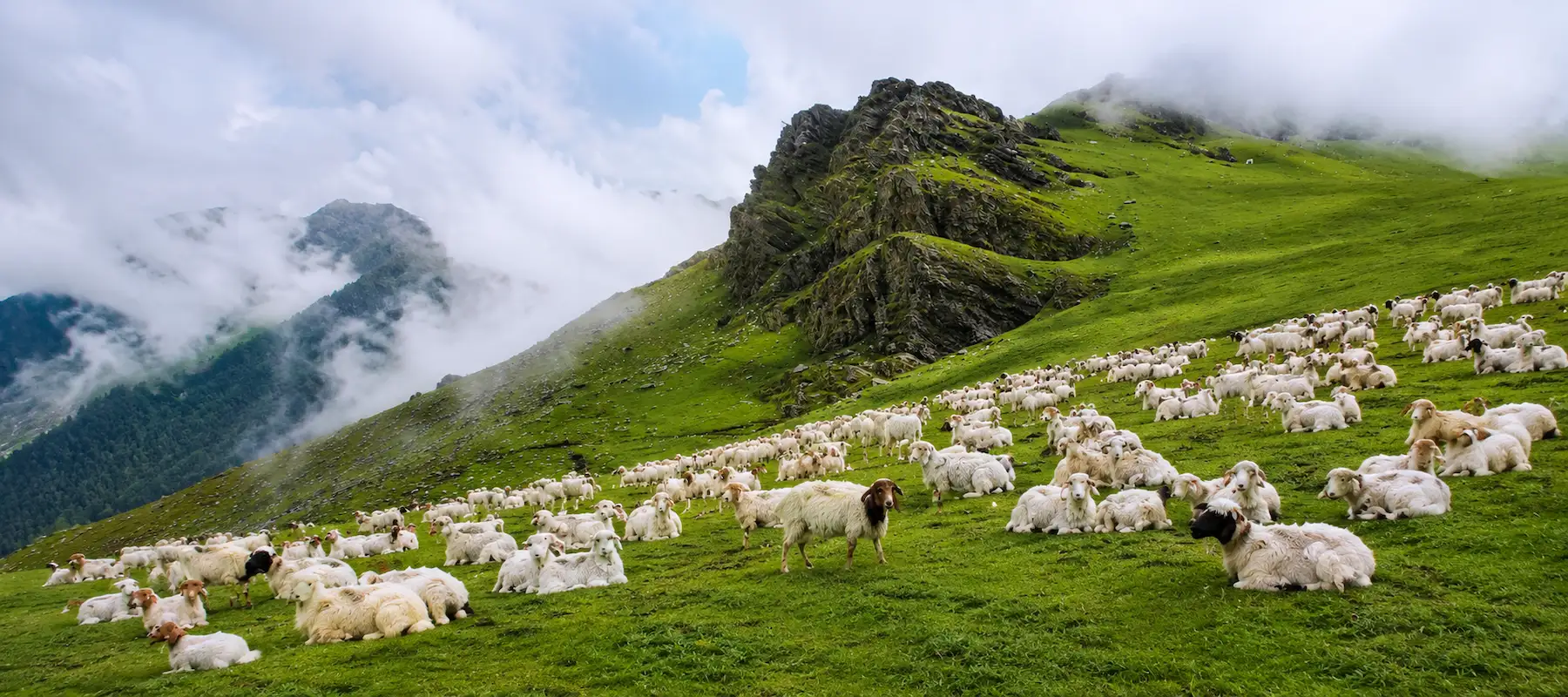
Dhorpatan Hunting Reserve, one of South Asia’s only internationally recognized hunting destinations and one of Asia’s prestigious high-altitude hunting reserves. It is located in western Nepal’s remote mountain region. Dhorpatan offers international hunters genuine Himalayan hunting experiences for premium species, including blue sheep, Himalayan tahr, and various bird species.
Unlike other hunting destinations, Dhorpatan represents a unique model where international hunting generates conservation funding that directly supports ecosystem preservation and local community development. This model has gained international exposure and recognition as an effective wildlife conservation strategy in developing nations. Dhorpatan is not a commercial hunting operation in the western way. Rather, it is a carefully and organizedly managed reserve where hunting is limited to specific species, seasons, and quotas determined by scientific wildlife management principles. The reserve operates under strict government oversight with revenue from hunting permits funding conservation programs, habitat protection, and anti-poaching efforts that benefit the entire Himalayan ecosystem.
Geographical Co-0rdinates
Latitude: 28.30° North
Longitude: 83.65° East
Region: Baglung and Myagdi Districts
Province: Gandaki Province
Country: Nepal
Elevation profile:
Reserve altitude range: 2,500-4,500 meters
Prime hunting zones: 3,500-4,500 meters
Lowest camps: 2,500-3,000 meters
Highest hunting areas: 4,200-4,500 meters
Access & Transportation
Getting to Dhorpatan:
The reserve requires multi-stage access journey:
Stage 1: Kathmandu to Pokhara
Distance: 200km
Travel method: Flight (1 hour) or drive (6-8 hours)
Kathmandu is Nepal’s international hub
Pokhara has airport for domestic flights
Stage 2: Pokhara to Baglung
Distance: 80km
Travel method: Jeep (5-7 hours)
Mountain road, requires vehicle suitable for rough terrain
Baglung is district headquarters
Stage 3: Baglung to Dhorpatan Base
Distance: 30-50km
Travel method: Jeep (3-5 hours) then hiking (2-3 days)
Rough mountain road becoming trail
Final approach is trekking with porters
Total journey: Approximately 3-5 days from Kathmandu to reserve base
The Dhorpatan Hunting Reserve was established in 1983, and trophy hunting was started from 1987, while conserving a representative high-altitude Himalayan ecosystem of western Nepal. In the early 1980s, the hunting reserve was used by Nepalese royalty and the Rana elites for private hunting events. After uncontrolled poaching and major backlash, the structured conservation model was created to preserve the endangered species of animals.
In the early 2000s, the modern era emphasized a sustainable model where hunting serves conservation. Scientific management ensures species populations remain stable. International standards for ethical hunting have been implemented.
Dhorpatan represents an alternative conservation model compared to national parks:
National Parks (traditional model):
Hunting Reserves (Dhorpatan model):
Both models have conservation merit; Dhorpatan demonstrates that regulated hunting, when properly managed, can be effective wildlife conservation strategy.
Primary Hunting Species
Dhorpatan Hunting Reserve offers hunting opportunities for several premium game species, each with distinct characteristics, habitats, and hunting challenges.
Blue sheep are Dhorpatan’s most iconic and huntable species.
Species characteristics:
Hunting characteristics:
Why hunted: Blue sheep are considered premium trophy—impressive horns are highly valued. Large males (with massive horns) represent significant achievement for international hunters.
Hunting experience: Blue sheep hunting is considered most challenging and rewarding at Dhorpatan. The terrain is extremely steep, altitude is extreme, and sheep are exceptionally alert. Successful hunts often involve 10+ days of hiking through rugged terrain, spotting sheep from a distance (sometimes 1-2 kilometers away), then executing multi-hour stalks to get within shooting range (200-400 meters). Even with proper stalking, sheep often detect hunters and escape.
Himalayan tahr represents another premium trophy species.
Species characteristics:
Hunting characteristics:
Why hunted: Tahr represent the ultimate Himalayan trophy—a combination of difficult hunting, dramatic terrain, and impressive trophy. Successful tahr hunts are considered prestigious achievements.
Hunting experience: Tahr hunting is most extreme at Dhorpatan. Hunters pursue tahr on nearly vertical cliff faces, often at elevations above 4,000 meters. A single misstep can be fatal—guides emphasize mountaineering skills are essential. Tahr have unpredictable behavior; they may run toward hunters or flee. Success rates are lowest, but successful tahr hunts generate most respect among the international hunting community.
Dhorpatan also offers bird hunting opportunities.
Bird species available:
Bird hunting characteristics:
Bird hunting benefits: Bird hunting offers a more accessible introduction to Dhorpatan hunting. Success rates are higher, cost lower, and physical demands somewhat less extreme than mammal hunting. Many hunters combine bird and mammal hunting in a single trip.
| Aspect | Details | Notes |
|---|---|---|
| Reserve Name | Dhorpatan Hunting Reserve | Only hunting reserve in South Asia |
| Location | Baglung/Myagdi Districts, Gandaki Province | Western Nepal |
| Size | 1,325 square kilometers | Established in 1987 to protect the ecosystem. |
| Elevation | 2,500-5,500 meters | High-altitude hunting |
| Primary Species | Blue Sheep (Bharal) and Himalayan Tahr | Premium game species |
| Hunting Seasons | Oct–Nov (Autumn block), March–April (Spring block) | Strict government-controlled quota windows. |
| Access | 3-5 days from Kathmandu | Multi-stage journey |
| Hunt Duration | 10-21 days typical | Varies by species |
| Success Rates | Blue sheep 30-40%, Tahr 20-30% | Average across skilled hunters |
| Cost Per Hunt | USD $20,000 – $50,000 | Varies by species and outfitter |
| Group Size | 1-3 hunters per hunt | Maintains hunting quality |
| Guides | 2-4 professional guides per hunter | Highly trained professionals |
| Physical Demand | Extreme | High altitude, steep terrain, endurance required |
| Experience Required | Moderate-high | Prior hunting experience recommended |
| Altitude Fitness | Critical | Acclimatization essential above 3,500m |
| Booking Timeline | 6-12 months advance | Prime season slots fill quickly |
| Government Permits | Required (obtained through outfitter) | Non-negotiable legal requirement |
| Rifle Requirements | Bolt-action only, .300+ caliber recommended | Must comply with Nepal regulations |
| Conservation Value | Revenue funds anti-poaching/habitat protection | Direct conservation benefit |
Nepal visa:
Passport validity:
Temporary firearms permit:
Rifle documentation:
Official hunting license:
Essential coverage:
Recommended insurance:
Hunting is legal in Nepal only in designated areas, specifically Dhorpatan Hunting Reserve. Nepal permits international hunting under strict regulations through licensed outfitters. Hunting is prohibited elsewhere in Nepal, including national parks and protected areas. Private hunting without government permits is illegal.
Most South Asian countries prohibit hunting entirely or restrict it exclusively to citizens. Nepal’s regulated reserve model permits international hunting while generating revenue that supports wildlife protection and conservation. Other South Asian countries generally rely on tourism-based or government-funded conservation models instead.
First-time international hunters should expect roughly a 20–30% success rate, depending on fitness, shooting skills, weather, animal movement, and luck. Even experienced hunters may spend 10–20 days pursuing animals without a successful harvest. The wilderness experience itself should be considered part of the value of the trip.
Dhorpatan hunting is extremely physically demanding. Hunts can take place at elevations of 3,500–4,500 meters on steep and rugged terrain, often involving long days of climbing and multi-hour stalks. Excellent cardiovascular fitness, strength, endurance, and proper acclimatization are essential.
Foreign hunters may be able to bring their own rifles, subject to temporary firearms permits, customs procedures, police registration, and applicable Nepalese regulations. These arrangements are typically handled through a licensed outfitter. Renting a rifle from an authorized outfitter may be a simpler option, although hunters should confirm current legal requirements before booking.
Dhorpatan hunting costs can vary significantly depending on the species, permit, hunt duration, outfitter, and logistics. Packages may include guides, camp accommodation, meals, local transportation, and support staff, while international flights, visas, insurance, permits, firearm arrangements, and trophy handling may involve additional costs. Always request a detailed written breakdown from a licensed outfitter.
Hunting success is generally not guaranteed. The cost of a hunt usually covers the outfitter’s services, guides, accommodation, logistics, and access to the designated hunting area rather than a guaranteed harvest. Policies regarding refunds or future hunt credits vary by outfitter and should be confirmed before booking.
Yes. Dhorpatan hunting is accessible to eligible hunters regardless of gender. All participants must meet the same legal requirements, physical fitness expectations, safety standards, and permit conditions required for the expedition.
Dhorpatan is defined by high altitude, rugged Himalayan terrain, remote camps, unpredictable weather, and physically demanding approaches. Hunters may spend long periods tracking wildlife in difficult conditions, making the experience more focused on wilderness, endurance, and mountain conditions than comfort or predictable outcomes.
Dhorpatan offers a diverse Himalayan wildlife experience. Visitors may encounter species such as Himalayan black bears, red foxes, Himalayan marmots, alpine hares, and a variety of birdlife, depending on the season and location. Wildlife sightings are never guaranteed, but photography and nature observation can add value to the expedition.
Travel from Kathmandu to the Dhorpatan region typically requires several stages, including road travel and, depending on the itinerary, hiking to remote camps. The complete journey may take approximately 3–5 days before hunting begins, while the overall expedition can last several weeks depending on the hunt duration and logistics.
Previous high-altitude hunting experience may not always be required, but excellent physical fitness, hunting experience, strong field skills, and realistic expectations are important. First-time high-altitude hunters should choose an appropriate itinerary and work with a properly licensed, experienced outfitter.
Altitude sickness is a genuine risk because hunting may take place at elevations above 3,500 meters. Symptoms can include headache, nausea, fatigue, dizziness, and sleep disturbance. Gradual ascent, proper acclimatization, hydration, and immediate attention to worsening symptoms are essential. Descent is the primary treatment for serious altitude illness, and comprehensive emergency evacuation insurance is strongly recommended.
Dhorpatan Hunting Reserve represents a unique and exclusive hunting opportunity for serious international hunters seeking premium Himalayan game in one of world’s most remote and challenging environments. The reserve’s strict regulations, limited permits, and conservation-focused management make it both ecologically responsible and philosophically meaningful destination for hunters.
Future of Dhorpatan depends on maintaining this delicate balance—hunting’s conservation benefits must clearly exceed potential wildlife damage. Scientific population monitoring, adaptive quota management, and commitment to sustainable practices remain essential. With proper stewardship, Dhorpatan will continue serving as both exceptional hunting destination and model for conservation-focused hunting reserves.
Ready to Experience Dhorpatan Hunting Reserve?
Alliance Treks can arrange trekking in this region. With 34+ years of Himalayan experience, we manage complex logistics, permits, and accommodations. Checkout this link for more package details: Nepal Trekking
Contact Information:
📧 Email: [email protected] / [email protected]
📞 WhatsApp/Viber: +977 9851022814 / +977 9841451681
📱 Phone: +977 01 5326667, 01-5320317
🌐 Website: https://www.alliancetreks.com
📍 Address: JP Marg, Thamel, Kathmandu, Nepal
Alliance Treks & Expedition Pvt. Ltd. Once is not enough for naturally and culturally Himalayas