(Viber, Whatsapp, Cell) +977 9851022814

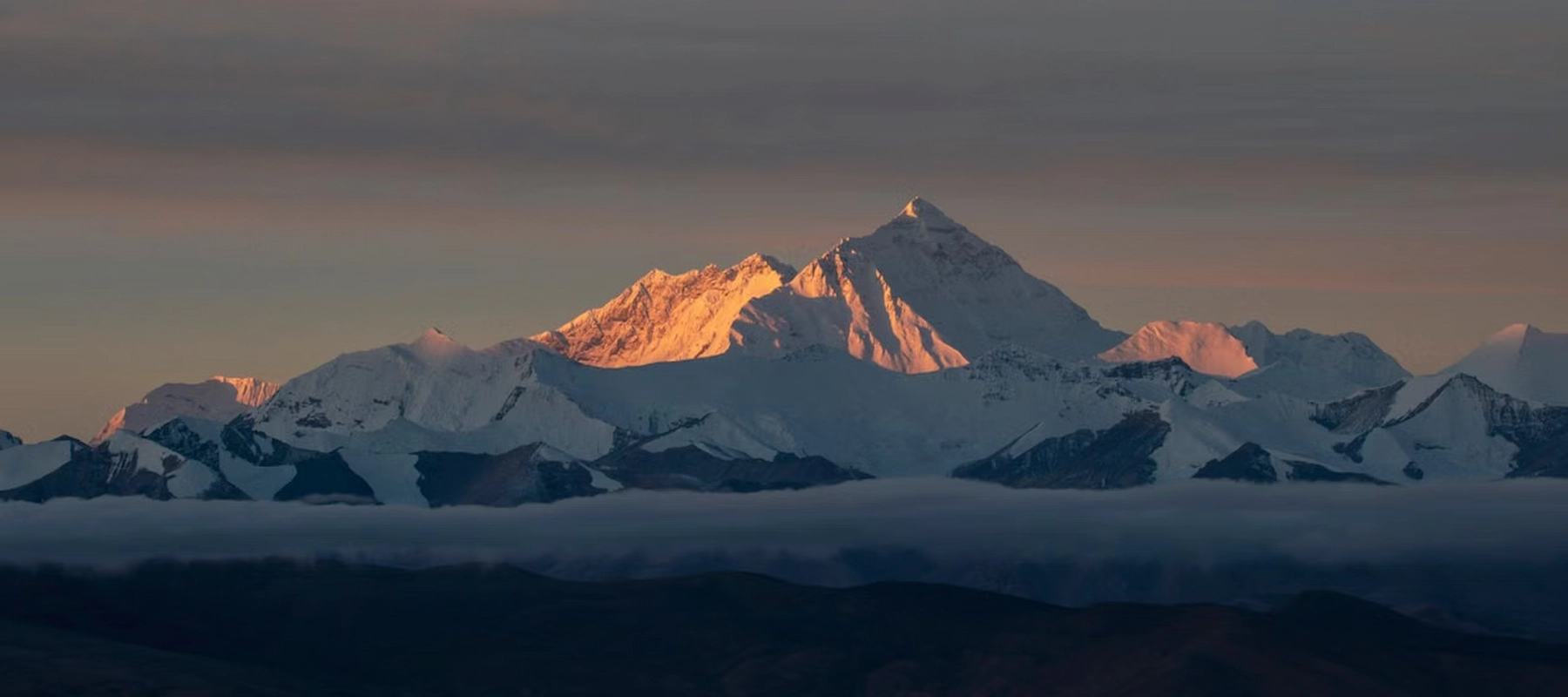
Everest Base Camp elevation: 5,364 meters (17,598 feet)
| Measurement | Value |
|---|---|
| Elevation in Meters | 5,364 m |
| Elevation in Feet | 17,598 ft |
| Elevation in Kilometers | 5.364 km |
| Latitude | 28.0022° N |
| Longitude | 86.8625° E |
| Time Zone | UTC +5:45 (Nepal Standard Time) |
This elevation places Everest Base Camp in the “extreme altitude” category, with a high risk of altitude sickness.
Everest Base Camp (EBC) is a location where climbers establish their high-altitude base camp during their Mount Everest summit attempts. The “camp” consists of hundreds of tents, supply depots, and logistics support during climbing season (typically April-May and September-October).
For trekkers, reaching Everest Base Camp means reaching the base camp location at 5,364 meters elevation. This is the highest point most non-climbers reach on a trek.
Everest Base Camp has existed in its current location (South Khumbu Base Camp on the Nepal side) since the 1950’s. The elevation was first precisely measured during early Everest expeditions. Current GPS measurements confirm the elevation at 5,364 meters ±2 meters accuracy.
The Nepal side base camp location was chosen by early expeditions for practical reasons:
Everest Base Camp’s elevation at 5,364 meters crosses several critical physiological thresholds:
Critical Altitude Threshold (5,000m+):
Extreme Altitude Zone:
Comparison Context:
Everest Base Camp Elevation places it among the world’s highest trekking destinations.
Understanding the elevation progression from Kathmandu to Base Camp is necessary and critical for acclimatization planning.
Elevation Gains and Stages
| Location | Elevation (m) | Elevation (ft) | Elevation Gain (m) |
|---|---|---|---|
| Kathmandu | 1,400 | 4,593 | — |
| Lukla Airport | 2,860 | 9,383 | +1,460 |
| Namche Bazaar | 3,440 | 11,286 | +580 |
| Tengboche | 3,867 | 12,683 | +427 |
| Dingboche | 4,410 | 14,465 | +543 |
| Lobuche | 4,910 | 16,106 | +500 |
| Gorak Shep | 5,164 | 16,942 | +254 |
| Everest Base Camp | 5,364 | 17,598 | +200 |
Total Elevation Gain Analysis
Kathmandu to Base Camp:
Key Elevation Context
Above Sea Level Zones:
Everest Base Camp sits at 5,364m—firmly in the extreme altitude zone where careful acclimatization is non-negotiable.
Altitude sickness is the primary health concern at 5,364 meters. Understanding forms, symptoms, and progression is critical for safety.
Three Forms of Altitude Sickness
AMS is the most common form of altitude sickness at EBC elevation.
| Aspect | Details |
|---|---|
| Prevalence | 20-30% at EBC (increases with rapid ascent) |
| Onset | 6-24 hours after arrival at altitude |
| Symptoms | Headache, nausea, fatigue, dizziness, sleep disturbance |
| Severity | Mild to moderate (incapacitating but not life-threatening if managed) |
| Resolution | 3-7 days with acclimatization or descent |
| Danger | Can progress to HACE if untreated; descent is treatment |
Important: AMS is common, often expected at 5,364m. It is not a sign of weakness. Experienced mountaineers experience AMS regularly at this high altitude.
HACE is severe brain swelling from high altitude. This is a medical emergency.
| Aspect | Details |
|---|---|
| Prevalence | 1-5% if AMS untreated; rare with proper descent |
| Onset | 24-72 hours, develops from untreated AMS |
| Symptoms | Severe headache, confusion, ataxia (loss of coordination), altered mental status |
| Severity | Life-threatening emergency requiring immediate descent |
| Resolution | Immediate descent 1,000+ meters essential; often requires evacuation |
| Mortality | 50%+ if untreated; <5% with prompt descent treatment |
HACE Progression:
HACE develops when AMS is ignored, and the person remains at altitude:
HAPE is severe lung fluid accumulation, also a medical emergency.
| Aspect | Details |
|---|---|
| Prevalence | 1-3% at extreme altitudes if untreated |
| Onset | 24-72 hours; can develop rapidly |
| Symptoms | Severe breathlessness, chest tightness, cough (often with pink/frothy sputum), crackling sounds in lungs |
| Severity | Life-threatening; requires immediate treatment |
| Resolution | Descent + oxygen + medication (nifedipine, oxygen inhalation) |
| Mortality | 50%+ if untreated; <5% with prompt descent |
HAPE Progression:
Medication that reduces AMS risk by 30-50%:
| Aspect | Details |
|---|---|
| Mechanism | Increases urinary bicarbonate excretion; accelerates respiratory acclimatization |
| Dosage | 125-250mg twice daily, starting 1 day before altitude |
| Effectiveness | Reduces AMS by 30-50% |
| Side Effects | Tingling (fingers, toes, lips), altered taste, increased urination |
| Safety | Generally safe; sulfa allergies contraindicated |
| Recommendation | Optional (personal choice), but significantly helpful |
Corticosteroid that prevents/treats altitude sickness:
| Aspect | Details |
|---|---|
| Mechanism | Reduces cerebral edema; anti-inflammatory effects |
| Dosage | 2-4mg every 6 hours for AMS; higher doses for HACE |
| Effectiveness | Highly effective for treatment, not prevention |
| Use | Primarily for treating AMS/HACE, not routine prevention |
| Side Effects | Insomnia, increased appetite, mood changes |
| Recommendation | Prescribed for treatment, not routine prevention |
Blood pressure medication effective for preventing HAPE:
| Aspect | Details |
|---|---|
| Mechanism | Reduces pulmonary vasoconstriction; prevents fluid buildup in lungs |
| Dosage | 20mg extended-release three times daily |
| Effectiveness | Reduces HAPE risk by 50%+ in susceptible individuals |
| Use | For people with HAPE history, not routine prevention |
| Recommendation | Reserved for high-risk individuals |
Supplemental oxygen can help with acute symptoms:
| Aspect | Details |
|---|---|
| Availability | Available at higher teahouses, not routine |
| Use | Emergency treatment for AMS/HACE/HAPE symptoms |
| Effectiveness | Temporary symptom relief (doesn’t replace descent) |
| Limitation | Limited oxygen supplies; descent is definitive treatment |
Note: Consult Professional Health Worker / Doctor before consuming these medicines.
Standard 12-Day Everest Base Camp Trek (Optimal for Most):
| Day | Location | Elevation | Activity | Acclimatization |
|---|---|---|---|---|
| 1 | Kathmandu | 1,400m | Arrival | Recovery day |
| 2 | Lukla | 2,860m | Fly + trek | No acclimatization needed |
| 3 | Namche | 3,440m | Trek up | First altitude exposure |
| 4 | Namche | 3,440m | Rest day | Acclimatization rest |
| 5 | Acclimatization | 3,900m | Hike up/down | Climb high, sleep low |
| 6 | Tengboche | 3,867m | Trek | Gradual ascent |
| 7 | Dingboche | 4,410m | Trek | Extreme altitude entry |
| 8 | Dingboche | 4,410m | Rest day | Critical acclimatization |
| 9 | Chhukung | 4,730m | Acclimatization hike | Climb high, sleep low |
| 10 | Lobuche | 4,910m | Trek | Final high altitude |
| 11 | Gorak Shep | 5,164m | Trek | Highest overnight camp |
| 12 | EBC + descent | 5,364m | Base camp day trek | Achievement + descent |
For a detailed Trek Itinerary, check out our Everest Base Camp Trek Package.
Answer: 5,364 meters is extreme altitude with real risks, but most healthy trekkers can reach it safely with proper acclimatization. A 12-day trek allows gradual ascent and reduces the risk of altitude sickness. Rapid ascent significantly increases the risk, while a 12-14 day itinerary provides more time for acclimatization.
Answer: At 5,364 meters, atmospheric pressure and oxygen availability are much lower than at sea level. This places trekkers in the extreme-altitude zone, where altitude sickness becomes a serious concern. Gradual ascent and proper acclimatization are therefore essential.
Answer: It is generally not recommended for regular trekkers to spend multiple nights at Everest Base Camp. Most trekkers visit EBC for a short period and then descend. Sleeping at 5,364 meters can be difficult because of poor sleep, cold temperatures, and increased altitude-related risks.
Answer: Blood oxygen saturation (SpO2) refers to the percentage of hemoglobin carrying oxygen. As altitude increases, atmospheric pressure decreases, making it harder for the lungs to absorb oxygen. This can cause lower oxygen saturation, fatigue, headaches, and reduced exercise tolerance.
Answer: Acetazolamide (Diamox) is not mandatory for every trekker, but it can help prevent altitude sickness in people at increased risk. Speak with a qualified healthcare professional before using it, especially if you have allergies, medical conditions, or take other medications.
Answer: Sleep can become disrupted at extreme altitude because reduced oxygen availability affects breathing during sleep. Periodic breathing, including episodes of deeper breathing followed by brief pauses, is common. Cold, dry air and the physical demands of trekking can also contribute to poor sleep.
Answer: A 12-day itinerary provides a better balance between trekking time and acclimatization. Faster ascents can increase the risk of altitude sickness. Adding extra acclimatization days can provide additional safety and comfort, particularly for trekkers who are new to high altitude.
Answer: Some children can reach Everest Base Camp, but they require careful planning, close supervision, and an appropriately slow ascent. Children may not always communicate altitude-related symptoms clearly. Families should consult a healthcare professional and use an experienced guide when considering a high-altitude trek with children.
Answer: Oxygen and appropriate medication may provide temporary relief from altitude sickness, but they do not replace descent. If symptoms become severe or progress to confusion, loss of coordination, severe breathlessness, or altered consciousness, immediate descent and emergency medical assistance are essential.
Answer: Acclimatization is gradual, and complete adaptation to 5,364 meters is not possible for everyone. Several days of progressive exposure can improve the body’s ability to function at altitude, but sleep and exercise may remain difficult. Most trekkers visit Everest Base Camp briefly and then descend to a lower elevation.
At 5364 meters, Everest Base Camp stands at the brink of flora, fauna, and human’s capacity. To be able to use that elevation is key to safe trekking; to know how much oxygen is available, what limits exist permanently, and what risk of actual altitude sickness exists.
This 12-day trek acclimatization strategy is effective because it takes into account these physiological realities. Thanks to its difficult elevation, most trekkers reach 5,364 meters safely thanks to the gradual ascent (average daily gain of 330m), day rest periods at key altitudes and to the principle of ‘climb high, sleep low’.
Although not the most glamorous aspect of an adventure, you will experience altitude sickness (20-30% base rate) with the EBC and it is a well known problem that can be solved by safe ascent planning, a bit of rest, plenty of water and being willing to descend if necessary. Most hikers that suffer with AMS also make it to EBC…it’s not a matter of not being able to get there, it’s part of the extreme altitude hiking experience.
The real feat of Everest Base Camp trekking is not about overcoming difficulty due to the height but also about respecting the power of the height and systematically acclimatizing oneself to reach the world’s highest trekking destination safely.
This is a height of 5,364 m, which is high enough to test any man or woman’s body! It is also low enough to be reached with patience, preparation and proper acclimatisation by most healthy trekkers.
Ready to Trek to Everest Base Camp at 5,364 Meters?
Alliance Treks specializes in Everest Trekking Region with proper acclimatization protocols. Our 34+ years of experience guiding treks to this extreme altitude means we understand elevation challenges and know how to prepare trekkers for success.
Our Everest Base Camp Trek Includes:
Everest Base Camp Trek Details:
Contact Information:
📧 Email: [email protected] / [email protected]
📞 WhatsApp/Viber: +977 9851022814 / +977 9841451681
📱 Phone: +977 01 5326667, 01-5320317
🌐 Website: https://www.alliancetreks.com
📍 Address: JP Marg, Thamel, Kathmandu, Nepal
Alliance Treks & Expedition Pvt. Ltd. Once is not enough for naturally and culturally Himalayas