(Viber, Whatsapp, Cell) +977 9851022814

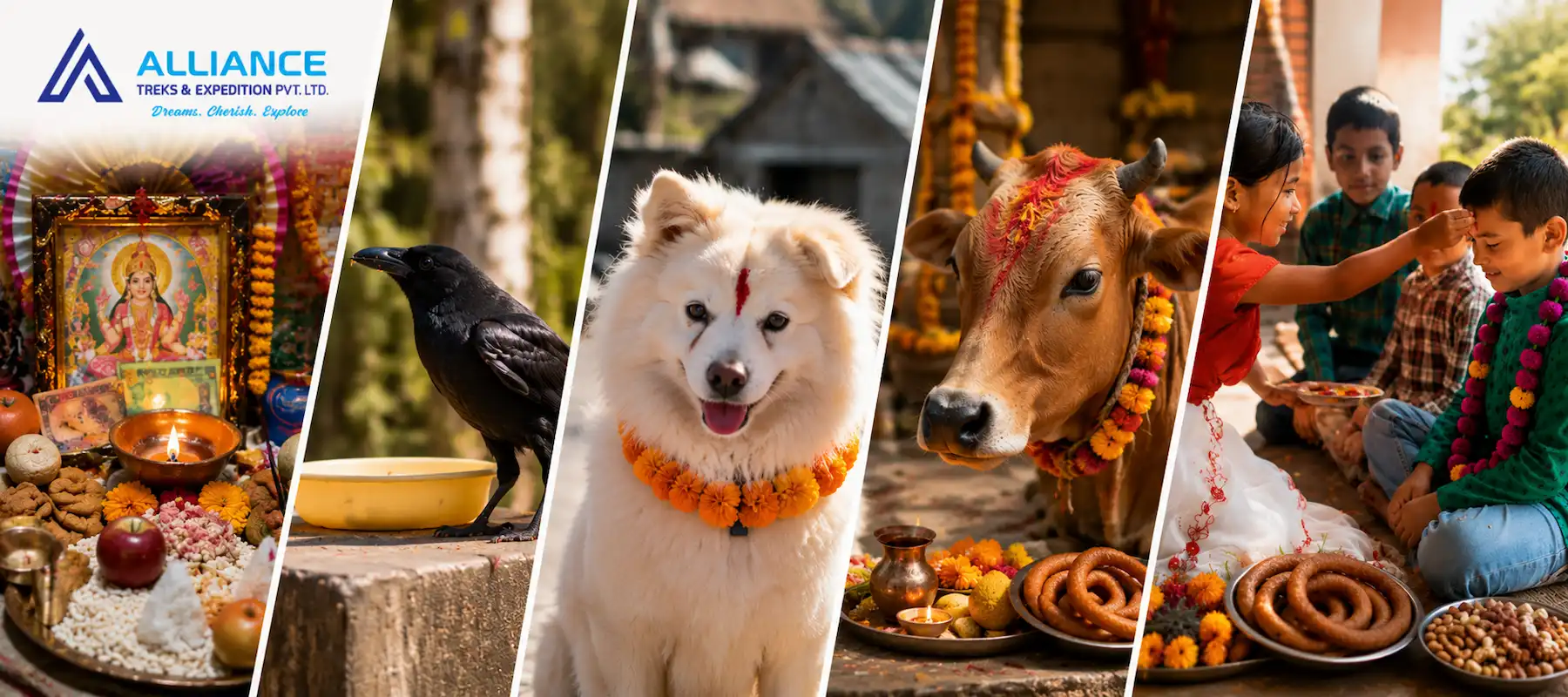
The Festival of Lights (Tihar) is one of the most popular Hindu festivals in Nepal. Families honor crows, dogs, cows, Goddess Laxmi, and siblings on five days in a variety of ways, including through rituals, music, lamps, flowers, and fun food. Tihar is one of the most cultural experiences in Nepal for tourists, particularly in Kathmandu Valley, Bhaktapur, Pokhara, Patan, and Bandipur.
Tihar or Deepawali in Nepal is also known as Yama Panchak and is a prominent Hindu festival that is celebrated throughout the country. It involves lighting oil lamps, garlanding marigolds in color, playing music, spending time with family, feeding animals, and wishing for good fortune to the gods. Tihar is different from Dashain in that it is about gratitude, prosperity, harmony, and family connection instead of power and victory.
Celebrated on the lunar calendar, Tihar is observed on a different date each year. It is generally in October or November, immediately after Dashain. Festival dates are based on the Nepali lunar calendar and may be different from year to year, so please be sure to confirm details before travelling.
The celebration of Tihar is to honor the sacred bond between people, animals, nature, wealth, and family. It is a day-by-day affair, and each day is dedicated to different kinds of celebration; worshiping crows, dogs, cows, Goddess Laxmi, and brothers in Bhai Tika. The festival symbolizes the values of Nepal like respect, gratitude, and togetherness.
Tihar lasts for five days, and each day has a unique ritual and meaning.
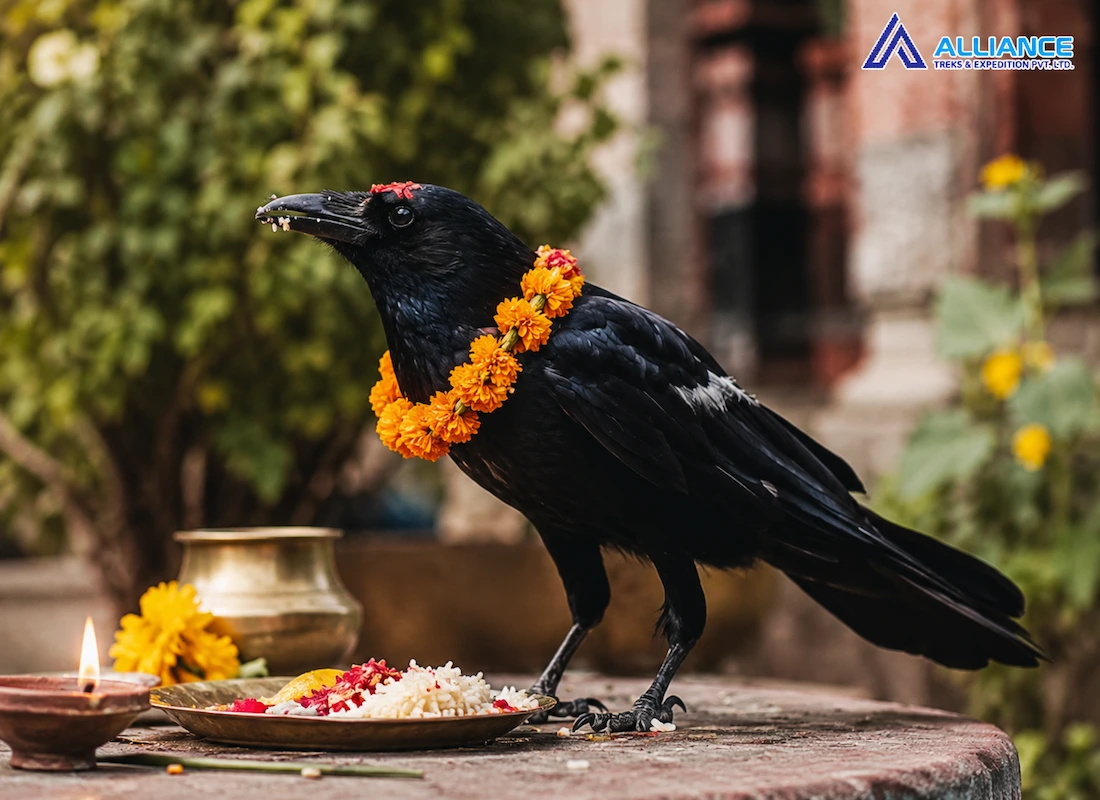
The first day is dedicated to crows, which are believed to be messengers of Yama, the god of death. Families offer food to crows early in the morning to avoid bad news and to honor their symbolic role. This ritual is one of the most distinctive parts of Tihar in Nepal.
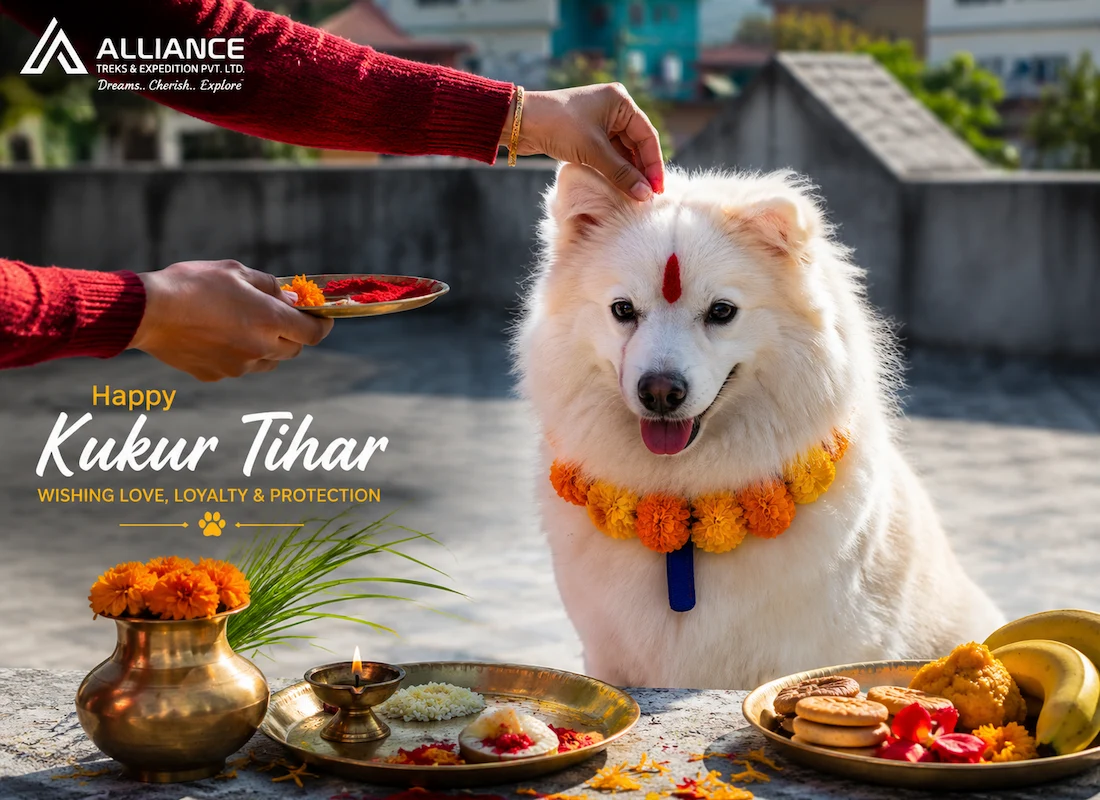
The second day is Kukur Tihar, when dogs are worshiped and honored for their loyalty and protection. Dogs are given garlands, tika, and special food, and both pet dogs and stray dogs are celebrated. This day has become internationally famous because of its heartwarming and joyful traditions.
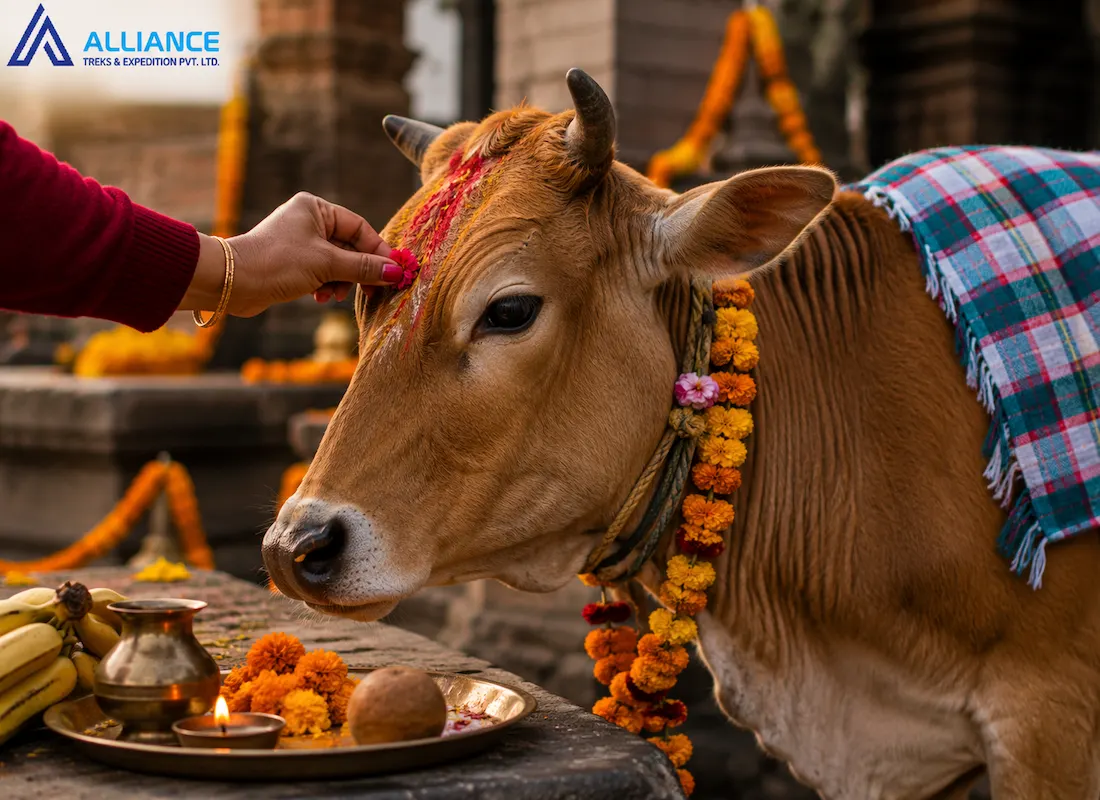
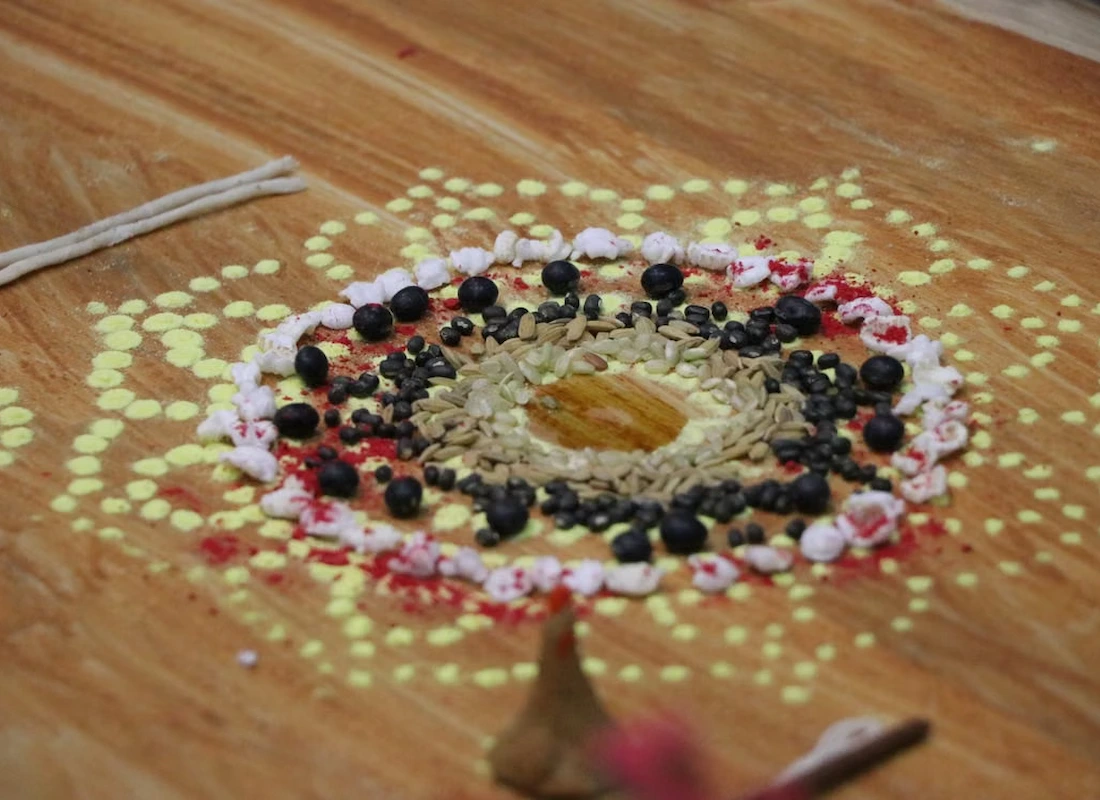
The third day is dedicated to cows and Goddess Laxmi, the goddess of wealth and prosperity. In the morning, cows are worshiped as sacred animals, and in the evening, homes, shops, and streets are lit with oil lamps and candles for Laxmi Puja. Families decorate their homes with rangoli and marigold flowers to welcome blessings and prosperity.
The fourth day varies by community. Many Hindu communities perform Govardhan Puja and worship oxen, while Newar communities celebrate Mha Puja, a ritual of self-purification and self-respect. This day shows the cultural diversity of Nepal and how different communities celebrate in their own meaningful ways.
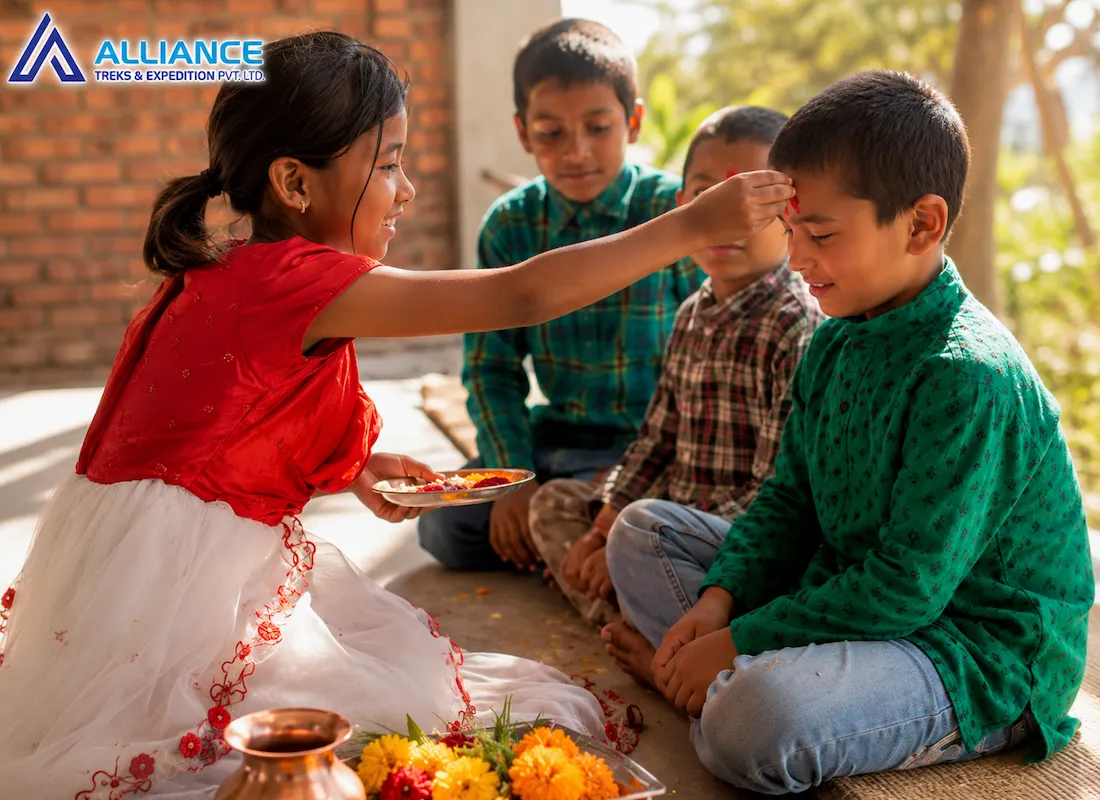
The fifth and final day is Bhai Tika, one of the most cherished traditions in Nepal. Sisters apply tika on their brothers’ foreheads, pray for their long life and prosperity, and exchange blessings and gifts. Brothers also give gifts in return, making this day an emotional and important family celebration.
If you want to experience Tihar as a traveler, some places offer especially rich cultural moments.
Kathmandu Valley is one of the best places to see Tihar in Nepal. Areas like Kathmandu Durbar Square, Patan, and Bhaktapur glow with oil lamps, marigold garlands, and festive decorations. You can also hear Deusi-Bhailo groups singing in neighborhoods and watch families preparing for Laxmi Puja.
Pokhara offers a calmer but equally beautiful Tihar experience. The lake city’s relaxed atmosphere, scenic hills, and local neighborhoods make it ideal for travelers who want to enjoy the festival with a natural backdrop. Tihar celebrations around Phewa Lake and local temples can be especially memorable.
Bhaktapur and Patan are excellent for cultural immersion. Their traditional streets, Newar heritage, and community rituals make them some of the most authentic places to observe Tihar. These cities are especially good for photography, local food, and heritage-based festival experiences.
Bandipur is a charming hill town that offers a quieter and more intimate festival atmosphere. If you want a less crowded destination with traditional culture and scenic surroundings, Bandipur is a strong choice during Tihar.
A Tihar festival tour in Nepal is a great option for travelers who want guided cultural access. A well-planned tour can include Kathmandu heritage sites, home visits for Laxmi Puja, local food experiences, and participation in Deusi-Bhailo. It is also a good way to understand the meaning of the festival while respecting local customs.
At Alliance Treks, a Tihar cultural tour can be combined with Kathmandu sightseeing, Pokhara extensions, or a broader Nepal cultural itinerary. This is especially useful for travelers who want a deeper experience beyond standard sightseeing.
Tihar and Dashain are both major festivals in Nepal, but they are different in theme and ritual.
| Feature | Tihar | Dashain |
|---|---|---|
| Duration | 5 days | 15 days |
| Main theme | Light, gratitude, family, animals | Victory of good over evil |
| Main rituals | Worship of crows, dogs, cows, Goddess Laxmi, and brothers (Bhai Tika) | Goddess Durga worship, animal sacrifices (in some communities), family gatherings, and receiving Tika and Jamara |
| Atmosphere | Colorful, musical, festive, community-driven | Traditional, family-centered, ceremonial |
Tihar is often more visually vibrant and easier for travelers to observe in public spaces, while Dashain is more focused on family gatherings.
If you are visiting Nepal during Tihar, keep these practical tips in mind.
Yes. The main days of Tihar are public holidays in Nepal, and many schools, government offices, banks, and businesses remain closed so families can celebrate the festival together.
Yes. Tourists are welcome to observe and respectfully participate in Tihar celebrations, especially when invited by local families or joining cultural tours led by experienced guides.
You can say “Tihar ko Shubhakamana” (तिहारको शुभकामना) or “Deepawali ko Mangalmaya Shubhakamana” (दीपावलीको मंगलमय शुभकामना), both of which mean “Happy Tihar” or “Best wishes for Deepawali.”
Kathmandu Valley, including Kathmandu, Bhaktapur, and Patan, along with Pokhara, offers some of the best Tihar experiences with beautifully decorated homes, colorful lights, traditional music, and lively cultural celebrations.
Traditional Tihar foods include sel roti (a homemade rice doughnut), various sweets, fruits, and classic Nepali snacks that families prepare and share with relatives, friends, and guests throughout the festival.
Tihar Festival in Nepal is more than just a religious celebration; it is a celebration of light, gratitude, family, and cultural unity. Tihar is an unmissable sight in Nepal, no matter where you observe it, in Kathmandu, Bhaktapur, Pokhara, Patan, or Bandipur, it provides a unique glimpse of Nepalese life and tradition.
For those who are interested in travelling to Nepal during the festival season, a Tihar festival tour can allow you to experience the festivities in a meaningful and respectful manner.
Alliance Treks & Expedition Pvt. Ltd. Once is not enough for naturally and culturally Himalayas