(Viber, Whatsapp, Cell) +977 9851022814

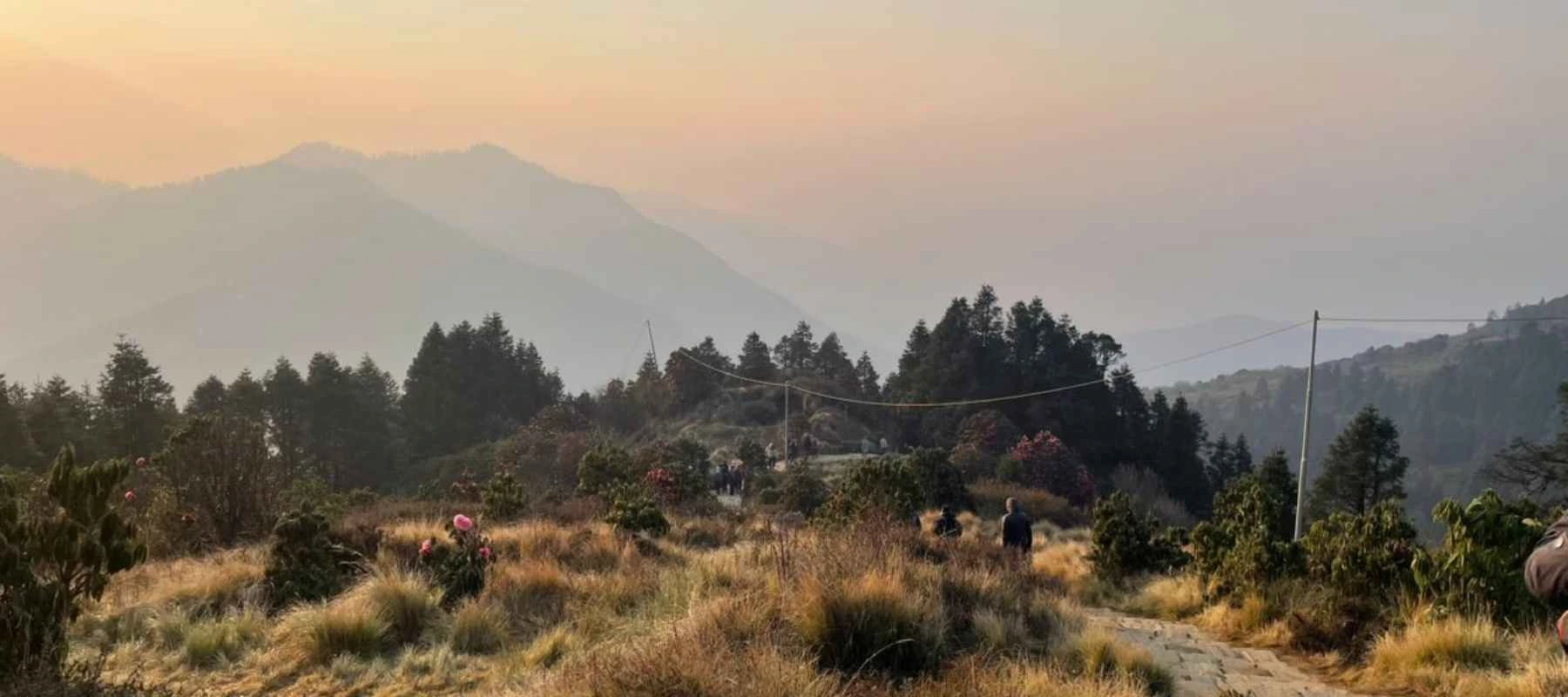
Trekking in Nepal in May is one of the most rewarding Himalayan experiences you can plan. Moreover, May sits right at the tail end of Nepal’s celebrated spring trekking season, making it a unique and fascinating time to explore the mountains. Furthermore, the trails remain active with trekkers, rhododendron forests bloom magnificently, and the Himalayan peaks stand majestically clear against vivid blue skies. As a result, trekking in Nepal in May offers a compelling blend of natural beauty and manageable trail conditions that serious trekkers genuinely appreciate.
At Alliance Treks, we have guided thousands of adventurers through Nepal’s dramatic landscapes across every season. Additionally, our expert team consistently finds that May trekkers enjoy a deeply rewarding experience — one that combines lush greenery, cultural richness, and breathtaking high-altitude views. Therefore, if you are wondering whether May is a good month for trekking in Nepal, the short answer is a resounding yes. However, as with any mountain adventure, there are important nuances to understand before you lace up your boots.
Nepal’s spring trekking season typically runs from March through May. Consequently, it is considered one of the two prime trekking windows of the year, alongside the autumn season from September to November. Furthermore, spring brings warmer temperatures, longer daylight hours, and spectacular flowering vegetation across lower and mid-altitude trails. Meanwhile, the high mountain passes become progressively more accessible as winter snowpack melts away, opening routes that remain closed through the colder months.
Spring is remarkable for trekking in Nepal because the entire Himalayan ecosystem awakens. Additionally, rhododendron forests — Nepal’s national flower — burst into vivid red, pink, and white blooms from March through May, creating a floral canopy unlike anything found elsewhere on Earth. Moreover, wildlife activity increases significantly during this period, offering trekkers rare opportunities to spot Himalayan tahrs, red pandas, and exotic bird species along forested trail sections. As a result, spring trekking provides a sensory richness that purely high-altitude dry-season trekking often lacks.
May marks the final chapter of the spring season in Nepal. Therefore, it carries both the advantages of peak spring conditions and the early hints of the approaching monsoon. Furthermore, the weather in early May closely mirrors April conditions, with clear mornings and mild temperatures. However, as May progresses toward its final weeks, cloud cover begins to build in the afternoons, and occasional pre-monsoon showers appear. Consequently, Alliance Treks recommends that trekkers targeting high-altitude routes complete their summit approaches in the early morning hours to take full advantage of the clearest skies.
Weather plays the most critical role when evaluating trekking in Nepal in May. Overall, May weather in Nepal is warm and generally stable, particularly during the first three weeks of the month. Furthermore, temperatures in Kathmandu valley hover between 18°C and 30°C, creating comfortable conditions for arrival and departure logistics. Meanwhile, on the trails themselves, temperatures vary dramatically with altitude, dropping below freezing at elevations above 4,000 meters once the sun sets.
Understanding altitude-based temperature variation is essential for any serious trekker in May. At lower elevations between 1,000 and 2,500 meters — covering areas like Pokhara, Lukla, and the lower Annapurna foothills — daytime temperatures range from 20°C to 28°C. Moreover, at mid-altitude zones between 2,500 and 3,500 meters, including popular stops like Namche Bazaar and Manang, daytime highs reach 10°C to 18°C. However, above 4,000 meters on routes like the Everest Base Camp trail or Thorong La Pass, temperatures during the day rarely exceed 5°C to 10°C, and nighttime temperatures frequently plunge well below zero. Therefore, layered clothing is absolutely non-negotiable for trekkers venturing into high-altitude zones.
Precipitation increases noticeably during May compared to March and April. As a result, trekkers should expect more frequent afternoon clouds and occasional rain showers, especially in the lower elevations. Furthermore, the higher Himalayas typically remain drier and clearer than the lower foothills during this period, because the monsoon penetrates Nepal from the south. Consequently, experienced high-altitude trekkers often find that Everest Base Camp and upper Mustang trails remain in excellent condition throughout May. However, Alliance Treks always advises carrying a quality rain jacket and waterproof pack cover regardless of the route chosen.
Early May — roughly the first two weeks — behaves much like late April. Moreover, the skies are predominantly clear in the mornings, visibility is excellent, and trails are firm and dry. In contrast, late May begins to show the first signs of the approaching monsoon. Additionally, afternoon thunderstorms become more frequent in the lower regions, and cloud buildup can obscure mountain views by midday in some areas. Therefore, Alliance Treks structures our May itineraries to maximize morning trail time and positions key viewpoints and summit days during early morning hours when atmospheric conditions are consistently best.
Trekking in Nepal in May opens access to a wide variety of spectacular routes. Furthermore, the spring conditions suit everything from easy teahouse trails to challenging high-altitude expeditions. As a result, May genuinely caters to all trekker skill levels and interest areas, from first-time Himalayan explorers to seasoned mountaineers seeking demanding summit approaches.
The Everest Base Camp Trek remains one of the most iconic and rewarding routes for May trekking in Nepal. Moreover, May is actually a legendary month on the Everest trail because it coincides with the spring climbing season, during which commercial expeditions make their summit attempts. Furthermore, trekkers walking toward Base Camp in May have the extraordinary opportunity to witness climbers preparing their gear, Sherpa teams fixing ropes on the Icefall, and the full spectacle of a live Himalayan expedition in action. Additionally, the mountain views from Kala Patthar — the classic Everest viewpoint at 5,545 meters — are typically stunning during early May mornings. Alliance Treks offers fully supported Everest Base Camp packages specifically tailored for the May season.
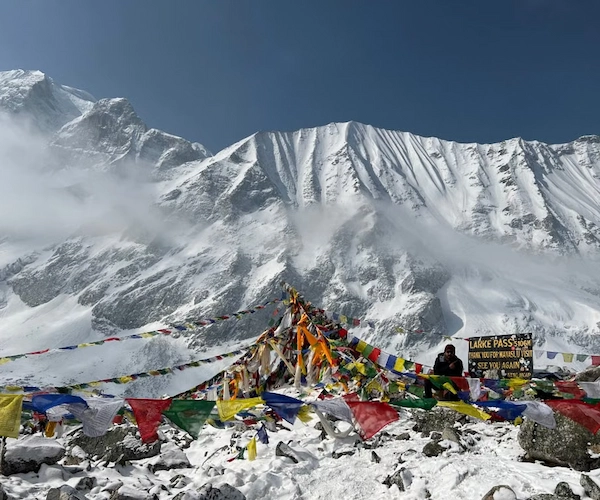
The Annapurna region is particularly magnificent for trekking in May. Consequently, the rhododendron forests between Ghorepani and Poon Hill reach their absolute blooming peak in March and April, with lingering blossoms still visible in early May. Furthermore, the Annapurna Base Camp route passes through diverse ecosystems — subtropical forests, alpine meadows, and glacial moraines — all of which are visually dramatic in the spring season. Moreover, Thorong La Pass on the Annapurna Circuit, at 5,416 meters, is fully accessible in May and offers a challenging but enormously rewarding high-altitude crossing. Alliance Treks runs dedicated Annapurna departures throughout May with experienced guides who know every section of these trails intimately.
The Langtang Valley Trek is an outstanding and often underrated option for May trekking in Nepal. Additionally, Langtang sits just north of Kathmandu and offers a more intimate, less crowded experience than the Everest or Annapurna circuits. Furthermore, the valley blooms spectacularly in May, with rhododendrons and primulas covering the hillsides in vivid color. Moreover, the Tamang cultural heritage along the Langtang route adds a rich ethnographic dimension to the trekking experience. Therefore, Alliance Treks recommends Langtang as an ideal choice for trekkers who want classic Himalayan scenery without the busiest trail congestion.
Upper Mustang is one of the most compelling restricted area treks available during May. Furthermore, because Mustang lies in a rain shadow zone north of the Annapurna and Dhaulagiri massifs, it receives almost no monsoon precipitation. Consequently, while most of Nepal begins experiencing pre-monsoon showers in late May, Upper Mustang remains bone-dry and perfectly suited for trekking. Additionally, the ancient Tibetan-influenced kingdom of Lo Manthang, its cave monasteries, and its dramatic desert canyon landscapes make this one of the most culturally and visually unique treks on Earth. Alliance Treks holds the necessary special permits and has deep local connections throughout the Mustang region.
Choosing to go trekking in Nepal in May comes with a distinct set of advantages that make it genuinely appealing. Moreover, beyond the natural beauty, the practical benefits of a May trek add real value for many travelers. Furthermore, understanding these advantages helps trekkers make a fully informed decision when comparing months and seasons for their Himalayan adventure.
May offers some of the most visually spectacular trekking scenery anywhere in Nepal. Additionally, the combination of snow-capped peaks reflected in clear alpine lakes, rhododendron forests in full bloom, and vivid green terraced hillsides creates a photographic paradise at every elevation. Furthermore, the quality of light in May mornings is particularly beautiful, producing rich colors and dramatic contrasts that trekkers and photographers consistently describe as extraordinary. As a result, many of Alliance Treks’ most celebrated trip photographs come from May expeditions.
While spring is popular, May typically sees fewer trekkers on the trails than October and November, which represent Nepal’s busiest trekking months. Therefore, trekkers on May routes enjoy shorter queues at teahouses, more personalized service at lodges, and a more contemplative experience on the trail. Moreover, popular viewpoints like Poon Hill, Kala Patthar, and Thorong La tend to feel less congested in May mornings than during the autumn peak. Consequently, May offers an excellent balance between good trail conditions and a less crowded experience overall.
By May, virtually all of Nepal’s high mountain passes are fully accessible. Furthermore, routes that remain snowbound and dangerous in winter and early spring open reliably during May, giving trekkers access to the full scope of Nepal’s high-altitude trail network. Moreover, teahouses and guesthouses along all major routes are fully operational, well-stocked, and staffed by experienced hosts. As a result, trekkers benefit from complete infrastructure support across even the most remote and demanding routes. Alliance Treks takes full advantage of this open-season accessibility in designing May itineraries.
Honestly acknowledging the challenges of trekking in Nepal in May is something Alliance Treks always emphasizes with our clients. Furthermore, transparency about potential difficulties ensures that trekkers arrive fully prepared rather than caught off guard by unexpected conditions. Moreover, none of the challenges of May trekking are insurmountable — they simply require proper preparation and a flexible mindset.
The most significant weather challenge in May is the increasing frequency of afternoon rain and cloud cover, particularly in lower altitude regions. Consequently, morning starts are essential for capturing mountain views and completing exposed trail sections before clouds develop. Furthermore, the pre-monsoon showers, while generally brief, can make trails muddy and slippery, particularly on forested lower sections. Therefore, good waterproof footwear with ankle support is absolutely essential for May trekking in Nepal. Alliance Treks provides detailed pre-departure briefings that cover exactly how to manage the daily weather rhythm.
May temperatures at lower elevations can be quite warm, particularly on sun-exposed southern slopes. Additionally, trekking through dense subtropical forest in midday heat requires careful hydration management. Moreover, the combination of heat and humidity at lower altitudes means that trekkers should plan their daily mileage conservatively, especially in the early days of their trip while they are still acclimatizing to both altitude and exertion. Therefore, Alliance Treks designs May itineraries with appropriate daily distances and regular rest points to keep trekkers comfortable and safe.
The final week of May carries the highest weather risk of the month, as the monsoon approaches Nepal’s borders. Furthermore, flight delays at mountain airstrips like Lukla become more frequent during this period due to low cloud and reduced visibility. Consequently, Alliance Treks builds contingency days into all late-May itineraries and maintains excellent communication with local pilots and weather services to manage flight-dependent logistics proactively. Moreover, we always advise clients booking late May treks to allow extra time flexibility at the beginning and end of their trip.
Packing correctly is fundamental to a successful experience when trekking in Nepal in May. Furthermore, the variable conditions across different elevations and the possibility of both sunshine and rain require a thoughtful layering strategy. Moreover, overpacking is a common mistake that significantly reduces comfort and enjoyment on long trail days. Therefore, Alliance Treks provides every client with a comprehensive, season-specific packing list as part of our pre-departure preparation package.
A three-layer clothing system is ideal for trekking in Nepal in May. The base layer should be moisture-wicking synthetic or merino wool to manage sweat effectively during strenuous uphill sections. Furthermore, a mid-layer fleece or down jacket provides essential warmth during cold evenings and high-altitude sections where temperatures drop significantly after sunset. Additionally, a waterproof outer shell jacket and rain trousers are absolutely critical for managing the afternoon showers and potential summit-day weather. Moreover, sun protection clothing including a wide-brimmed hat and UV-blocking shirts is equally important given the intense high-altitude solar radiation.
Quality trekking boots with ankle support and waterproofing are the single most important gear investment for any May trek in Nepal. Additionally, trekking poles reduce fatigue significantly on long descent sections, which become particularly demanding on knees at the end of multi-day treks. Furthermore, a 25 to 35-liter daypack with a built-in or separate rain cover is ideal for carrying daily essentials. Moreover, a quality sleeping bag rated to at least -10°C is recommended for high-altitude nights, even though teahouses provide blankets. Consequently, Alliance Treks also provides high-quality sleeping bag rentals in Kathmandu for clients who prefer not to carry their own.
Choosing the right trekking company is just as important as choosing the right route when planning a trip to Nepal. Furthermore, Alliance Treks has built a strong and well-deserved reputation as one of Nepal’s most trusted and client-focused trekking operators. Moreover, our team brings decades of combined high-altitude guiding experience, deep knowledge of seasonal conditions, and genuine passion for delivering life-changing mountain experiences to every client we serve.
Alliance Treks employs guides who have completed the routes they lead dozens or even hundreds of times across multiple seasons. Consequently, they understand exactly how May conditions affect each section of every major trek. Furthermore, our guides hold current wilderness first aid certifications and carry satellite communication devices on all remote routes. Moreover, every Alliance Treks guide speaks excellent English and provides rich cultural, ecological, and historical interpretation throughout the trek, transforming a physical journey into a deeply educational and meaningful experience.
Alliance Treks is firmly committed to sustainable and responsible trekking in Nepal. Furthermore, we follow strict Leave No Trace principles on all routes, partner with local teahouses and businesses owned by Nepali communities, and ensure all our porter staff receive fair wages and proper equipment in compliance with the Nepal Tourism Board’s guidelines. Additionally, we actively support reforestation initiatives and community development projects in the trekking regions we operate within. Therefore, when you trek with Alliance Treks, you contribute meaningfully to the long-term well-being of Nepal’s mountain communities and natural environments.
Alliance Treks understands that no two trekkers are identical in their goals, fitness levels, or travel schedules. Consequently, we offer a wide range of fixed-departure group treks and fully customizable private itineraries for every May route we operate. Furthermore, our May-specific itineraries are carefully designed to maximize morning trail time, avoid the worst of the afternoon cloud cover, and position rest days strategically for optimal mountain views. Moreover, our Kathmandu-based team provides 24-hour support throughout every trip, ensuring that any unexpected weather, health, or logistics challenges are addressed immediately and professionally.
May is one of the best months for trekking in Nepal, particularly for high-altitude routes and those seeking stunning spring landscapes. Furthermore, while October and November are statistically clearer, May offers the added attraction of blooming flora and active climbing season energy around Everest. Moreover, Alliance Treks operates successful May treks across all major routes and consistently receives excellent client feedback from this season.
Yes, Everest Base Camp is fully accessible throughout May and is particularly special during this period due to the spring climbing season. Furthermore, trekkers in early May enjoy some of the most dramatic conditions of the year, with climbers on the mountain, prayer flags snapping in crisp morning air, and outstanding Khumbu Himalaya views from Kala Patthar. Alliance Treks runs multiple Everest Base Camp departures each May with excellent guide-to-client ratios.
Yes, all foreign nationals require a Nepal Tourist Visa on arrival at Tribhuvan International Airport in Kathmandu. Additionally, most trekking routes require specific permits including the TIMS card and conservation area or national park entry permits. Furthermore, restricted area routes like Upper Mustang require special additional permits that must be arranged in advance. Alliance Treks handles all permit acquisition for our clients as part of our comprehensive trip packages, ensuring that paperwork never becomes a source of stress.
Fitness requirements vary significantly depending on the route chosen. Consequently, the Poon Hill trek and lower Annapurna routes are suitable for reasonably fit beginners with moderate preparation. Moreover, Everest Base Camp and Annapurna Circuit require solid cardiovascular fitness and the ability to walk 5 to 8 hours per day for consecutive days. Furthermore, high-altitude routes like Island Peak or Mera Peak demand specific mountaineering fitness and technical training. Alliance Treks provides detailed fitness guidance specific to each route during the trip planning process.
Trekking in Nepal in May is absolutely worthwhile for the vast majority of trekkers. Furthermore, the combination of accessible high passes, spectacular spring landscapes, active trail infrastructure, and the extraordinary energy of the spring climbing season creates an experience that is genuinely difficult to replicate in any other month. Moreover, while late May requires some additional weather awareness and flexibility, the rewards far outweigh the challenges for well-prepared adventurers. Additionally, the lower crowd levels compared to autumn make May an especially appealing choice for trekkers who value a more personal and contemplative Himalayan experience.
Alliance Treks stands ready to help you design and execute the perfect May trekking adventure in Nepal. Furthermore, our experienced team combines deep seasonal expertise, passionate local knowledge, and an unwavering commitment to client safety and satisfaction. Moreover, whether you dream of reaching Everest Base Camp, crossing the Thorong La, exploring the ancient kingdom of Mustang, or simply walking through rhododendron forests in full bloom, we have the perfect May itinerary waiting for you. Therefore, do not hesitate to reach out to Alliance Treks today and take the first step toward your unforgettable Himalayan journey this May.
Ready to Trek Nepal in May? Contact Alliance Treks today and book your spring adventure.
Alliance Treks & Expedition Pvt. Ltd. Once is not enough for naturally and culturally Himalayas