(Viber, Whatsapp, Cell) +977 9851022814

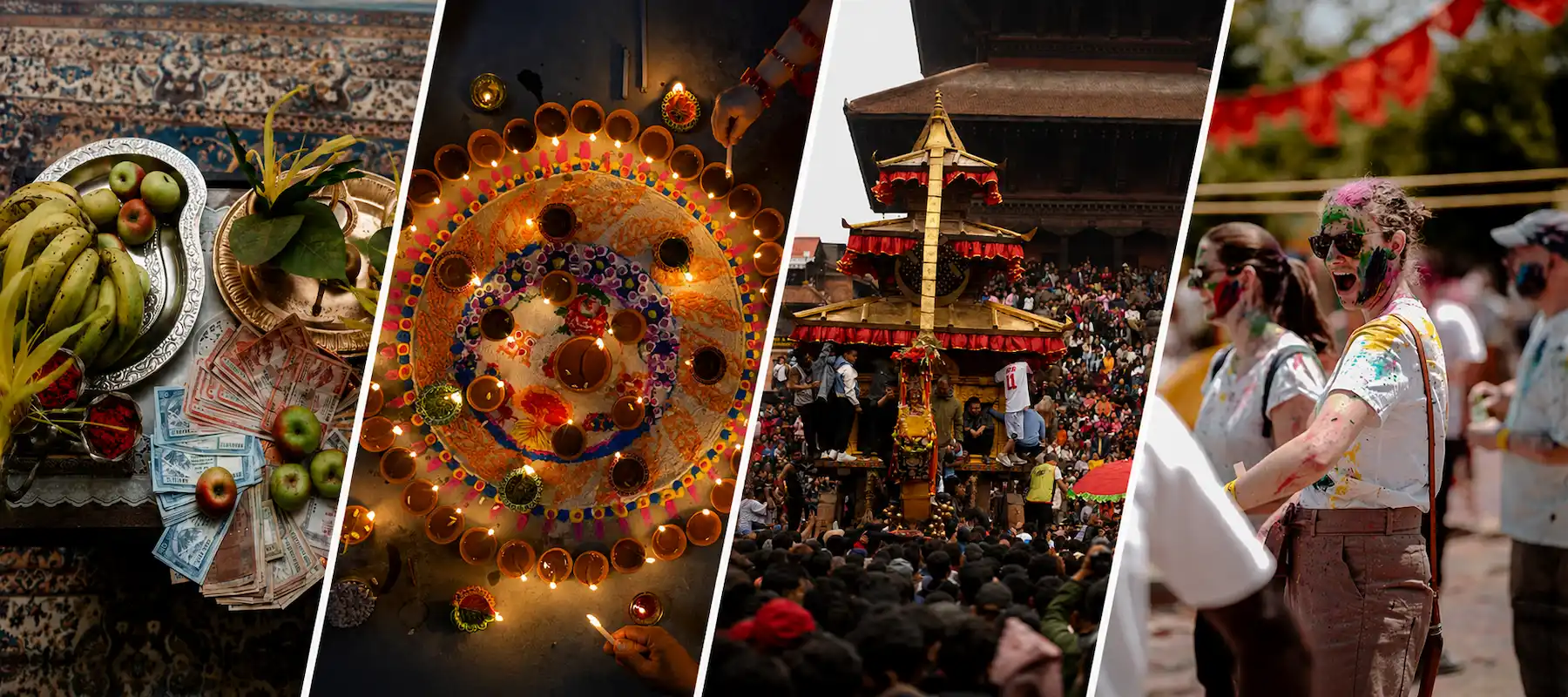
Nepal sustains its cultural heritage through centuries-old festival traditions that attract both residents and international visitors. Through festivals, people explore the national spirit where spiritual traditions unite with historical narratives and community bonds.“Festivals are more than holidays. They are the heartbeat of Nepali identity.” The festival in Nepal holds a significant role in cultural, religious, and traditional aspects. Many festivals are celebrated only in specific communities, like jatra, which is widely celebrated among the Newari people, and the Lhosar is celebrated by the Tamang people.
In my 34 years as a guide, I’ve witnessed festivals transform how travelers understand Nepal. One American visitor told me, “I came to trek mountains. But experiencing Dashain with a local family changed my entire perspective. I realized Nepal’s soul isn’t just in the peaks—it’s in how people gather together.” That’s what festivals do.
All Nepali festivals define national identity beyond their religious status. The major festivals draw their origins from Hinduism and Buddhism, celebrating divinities, seasonal transitions, and historical moments. The largest celebration, “Dashain,” represents the triumph of good over evil. Tihar, the Festival of Lights, illuminates homes to show appreciation and gratitude.
At the core of every tradition is ritual. Rituals nurture family relationships and cultivate community unity. This is the real purpose of festivals—not just celebrating gods, but celebrating connection.
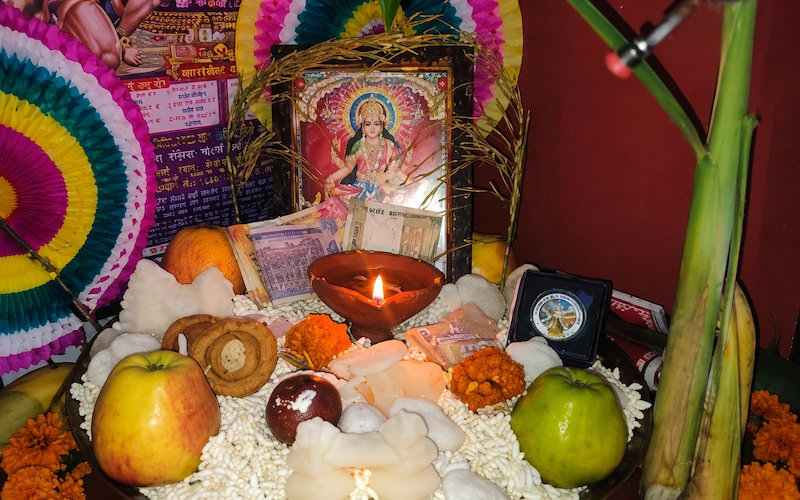
Dashain stands as Nepal’s national festival, lasting 15 consecutive days in October. During this period, families reunite across distances. Elders perform blessings on younger members. Kite flying becomes a nationwide activity. People feast on special foods and celebrate together.
Key Moment:
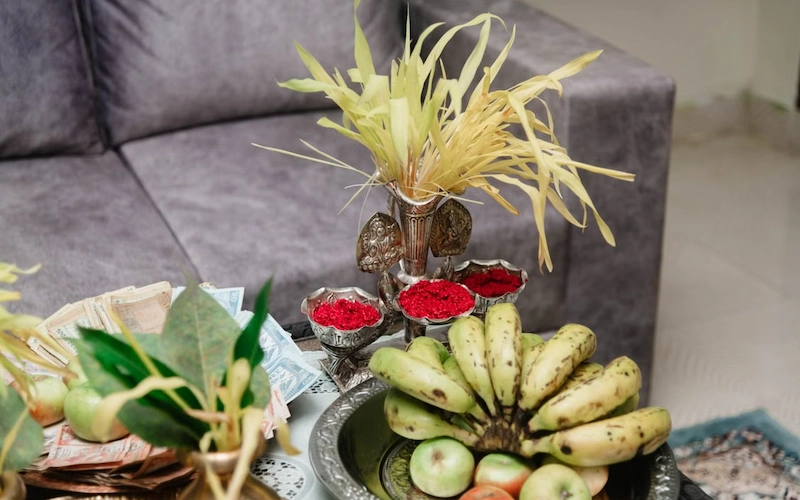
After Dashain comes Tihar, a 5-day celebration where homes illuminate with lights. This festival shows deep devotion through different days of worship:
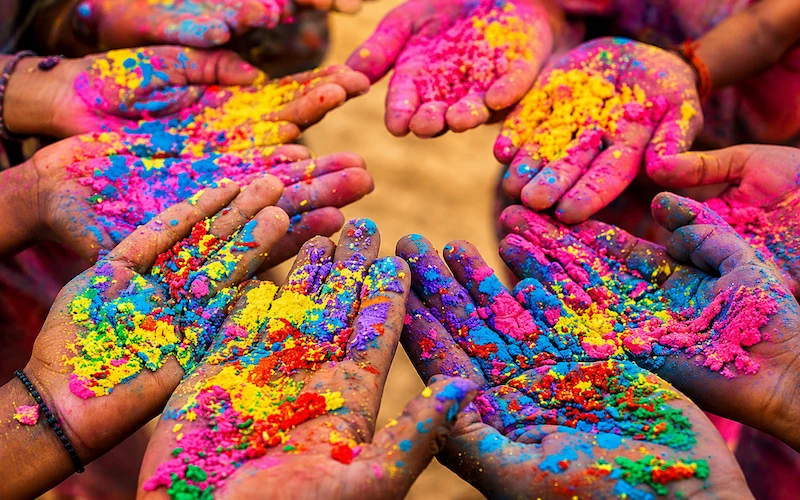
Holi, known as Fagu Purnima, celebrates spring’s arrival in March. Streets burst into celebration with music, laughter, and colors. People throw colored powder (Rang) and water balloons on each other—strangers become playmates, social boundaries dissolve temporarily.
While Indian Holi is nationally recognized, Nepali Holi merges local customs with Hindu practices throughout the Kathmandu Valley and UNESCO heritage zones. Celebrations include:
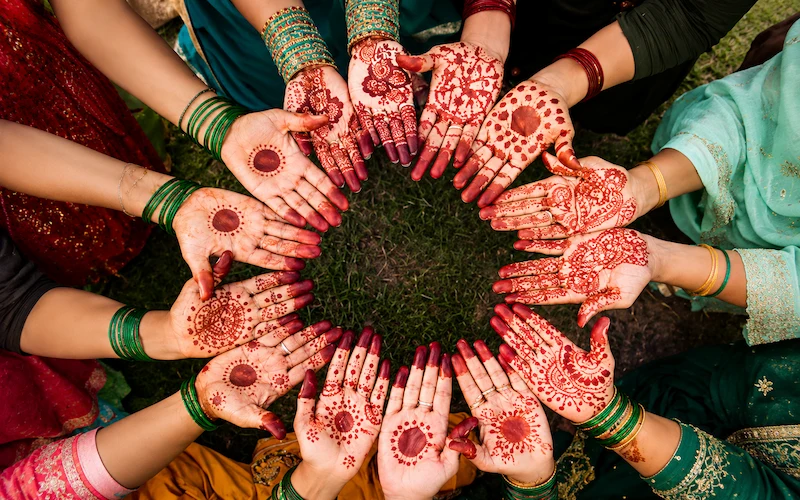
The Teej festival honors women and celebrates marital happiness. During this 3-day celebration, women wear red saris and perform traditional dances. Many women fast (historically to extend husbands’ lives—a practice that’s evolving as women embrace the festival for self-empowerment).
Festival Activities:
Teej energy is distinctly feminine. One local guide told me, “During Teej, women own public space. For three days, the streets belong to us. We sing, we dance, we gather without male-dominated expectations. Then it ends, and we return to normal life. That’s why Teej matters—it’s the one time women’s collective joy is centered.”
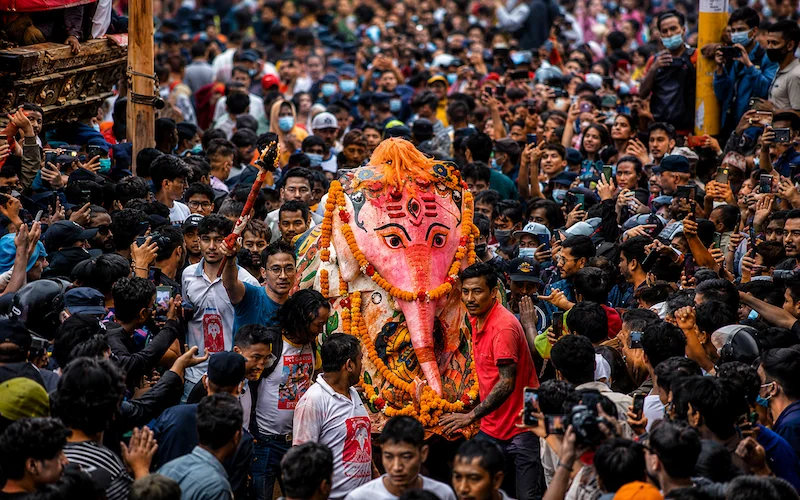
Indra Jatra is Kathmandu Valley’s unique festival (September). It honors Indra, the rain deity. The festival features:
This is one of Kathmandu’s most visually spectacular festivals. The Kumari (a young girl selected as the incarnation of the goddess) rides in a decorated wooden chariot through crowds. Thousands gather to see her—it’s both a spiritual and a cultural event.
Every year, Losar celebrates the Tibetan New Year through days of religious devotion and family celebration. Tibetan communities (especially in Himalayan regions like Khumbu) celebrate with:
Both local and international travelers visit monastic ceremonies in Boudhanath and Swayambhunath, where religious events unfold. The spiritual energy is profound—hundreds of monks chanting together create an atmosphere of devotion.
Buddha Jayanti marks three significant events in Buddha’s life: his birth, enlightenment, and death. Since Lumbini (Buddha’s birthplace) is in southern Nepal, this celebration is particularly significant.
Festival Observance:
Many spiritual tours that Alliance Treks provides include Lumbini during Buddha Jayanti. The experience is meditative and transformative for visitors seeking spiritual connection.
Gai Jatra is part of Kathmandu’s Newari cultural tradition (celebrated in August-September). This unique festival connects humor with grief—a distinctly Nepali approach to mourning.
How it Works: Families who’ve lost loved ones in the past year participate in a parade. They carry representations of cows (either real cows or children dressed in cow costumes). The symbolism: cows escort departed souls to heaven in Hindu belief.
The humorous element is essential. While parading for deceased relatives, families perform comedic skits, wear costumes, and make people laugh. This blending of grief and humor helps communities process loss collectively.
The Mani Rimdu festival occurs in Everest region monasteries (Tengboche Monastery is most famous). This Buddhist celebration features:
Visitors who seek cultural experiences join ceremonies at Tengboche Monastery. The altitude (3,860m) and spiritual intensity create a unique experience. Many trekkers time their Everest Base Camp trek to coincide with Mani Rimdu.
Chhath is observed primarily in Terai communities and celebrates sun worship. This ancient Hindu festival involves:
The sight of thousands gathering at rivers during sunrise—forming a golden panorama—is spiritually moving. This is a festival less known to international tourists but deeply significant to Terai communities.
Bisket Jatra celebrates the new year in Bhaktapur (the valley’s oldest city). This ancient festival features:
Historians and culture enthusiasts find Bisket Jatra essential—it endows observers with both energetic attraction and understanding of ancient Nepali traditions.
Rato Machindranath Jatra is Patan’s most significant festival (March-May). A prominent deity’s chariot procession lasts several weeks—the chariot is built annually and pulled through streets.
Spiritual Belief: Residents believe the chariot’s movement directly impacts yearly rainfall. Proper rainfall timing depends on the chariot progressing without disturbances. This reflects Nepal’s deep agricultural connection to spiritual practice.
Ghode Jatra celebrates both legendary narrative and sporting tradition. The Nepal Army hosts horse races at Tudikhel (Kathmandu’s main ground), where participants commemorate triumph over a legendary demon.
Significance: This festival blends mythology (spiritual triumph) with modern sport (horse racing), showing how ancient and contemporary Nepal coexist.
Maghe Sankranti Nepal: Winter Harvest Festival
As Maghe Sankranti arrives (January 14-15), people gather at riversides to celebrate the winter solstice. This agricultural festival marks the sun moving toward the northern horizon (marking longer days ahead).
Traditions:
Maghe Sankranti is quieter than monsoon or autumn festivals, but holds deep spiritual significance as the turning point of seasons.
| Month | Festival | Duration | Best For | Crowds |
|---|---|---|---|---|
| January | Maghe Sankranti | 1 day (Jan 14–15) | Spiritual seekers, river bathing | Low |
| February–March | Losar, Ghode Jatra, Holi | 2–3 days each | Spring celebration, colors | Medium |
| April–May | Bisket Jatra, Buddha Jayanti | 1–2 days each | Culture, pilgrimage | Medium–High |
| July–August | Teej | 3 days | Women’s celebration, family | Low–Medium |
| August–September | Gai Jatra, Indra Jatra | 1–8 days | Culture, grief processing, masked dances | High |
| October | Dashain | 15 days (Oct 2–16) | Family reunion, blessings, feasts | Very High |
| November | Tihar | 5 days (Nov 15–19) | Lights, gratitude, family celebrations | Very High |
Planning Tips: To experience Nepal during festivals, schedule your trip according to the 2026 festival calendar. October offers the ideal time to see Dashain (Nepal’s most important festival), while May suits Buddha Jayanti pilgrimage.
Alliance Treks creates personalized travel plans based on these special dates to provide smooth operational details. We recommend booking 3-4 months in advance for Dashain and Tihar—hotels fill quickly.
| Festival | Month | Why Visit | Experience Level |
|---|---|---|---|
| Dashain | October | National celebration, family reunion, cultural core | All levels |
| Tihar | November | Lights, gratitude, intimate home celebrations | All levels |
| Holi | March | Colors, joy, spring awakening | Medium energy |
| Losar | February–March | Buddhist tradition, monastery ceremonies | Spiritual seekers |
| Indra Jatra | September | Masked dances, Kumari procession, Kathmandu-specific traditions | Cultural enthusiasts |
| Buddha Jayanti | May | Pilgrimage to Lumbini, meditation, spiritual experiences | Pilgrims & spiritual travelers |
| Teej | July–August | Women’s celebration with traditional dances and fasting rituals | Culture-focused travelers |
| Bisket Jatra | April | Ancient New Year festival with centuries-old traditions in Bhaktapur | History & culture lovers |
| Gai Jatra | August–September | Unique blend of remembrance, humor, and Newari cultural traditions | Culture & emotional heritage seekers |
| Chhath | October–November | Sacred river worship and sunrise ceremonies in the Terai region | Nature & cultural travelers |
Kathmandu, Bhaktapur, and Patan host iconic events like Indra Jatra and Bisket Jatra. All essential festivities occur at historic Durbar Squares where centuries-old architecture serves as backdrop. Walking these squares during festivals means walking where kings once ruled and where ancestors celebrated 1,000+ years ago.
Best Festivals Here: Indra Jatra (Sept), Bisket Jatra (April), Dashain (October)
The peaceful lakeside environment of Pokhara coexists with Fagu Purnima (Holi) festivities, which bring intense activity to the city in spring. Pokhara also hosts the International Mountain Film Festival annually.
Tihar celebrations in Pokhara are particularly beautiful—lights reflecting on Phewa Lake create magical atmosphere.
Best Festivals Here: Holi (March), Tihar (November)
Buddha Jayanti in Lumbini draws global Buddhist pilgrims. Visitors meditate beneath the Bodhi tree and participate in full-moon religious ceremonies at Lumbini Temple.
As Buddha’s birthplace, Lumbini carries profound spiritual significance. Experiencing Buddha Jayanti here is transformative for both Buddhist practitioners and spiritual seekers.
Best Festivals Here: Buddha Jayanti (May)
Vivaha Panchami (Nov-Dec) draws pilgrims to Janakpur where Sita (wife of Lord Rama in Hindu epic) was born. Visitors witness reenactment of her marriage to Lord Rama—a major pilgrimage festival.
Best Festivals Here: Vivaha Panchami (Nov-Dec)
For Mani Rimdu and Losar, the high-altitude monasteries of Khumbu (Tengboche, Rongbuk) offer authentic experiences. Climbing to 3,860m during Mani Rimdu combines trekking with spiritual ceremony.
Best Festivals Here: Mani Rimdu (Oct-Nov), Losar (Feb-March)
Nepal’s festivals create superior tourist experiences and significantly boost tourism economy. Travelers selecting Alliance Treks consistently cite festivals as primary reasons to visit.
Festival tourism generates USD $20-50 million during October-November
Hotels report 95%+ occupancy during Dashain and Tihar
Restaurants, guides, artisans, and local businesses benefit directly
Cultural preservation funding through tourism revenue
One French visitor shared: “I booked Nepal for the mountains. But during Tihar, a local family invited me to their home. We lit oil lamps together, shared meals, and celebrated in their family space. That experience—more than any trek—showed me what Nepal truly is.”
Another visitor noted: “Participation in traditional festivals like Tihar provided an opportunity to bond with local families. The connection felt real, not tourist-focused. That’s why festival tourism matters—it creates genuine human connection.”
Tourism revenue funds:
If celebrating with a fasting family:
Animal Sacrifice Understanding
During Dashain, goat or chicken sacrifice may occur. If uncomfortable:
Absolutely. Nepal welcomes visitors of all faiths and beliefs. Hindu temples often open their doors during Dashain, while Buddhist monasteries welcome guests during Buddha Jayanti. Most major festivals are open to tourists, provided you participate respectfully and show genuine interest in local traditions.
October and November are considered the best months thanks to Dashain and Tihar, combined with excellent weather. March offers the colorful celebrations of Holi, May is ideal for Buddha Jayanti pilgrimages, and September brings the vibrant Indra Jatra festival. Each season provides a unique cultural experience.
No. Fasting is a personal religious practice and is never expected of visitors. If you are staying with a local family observing a fast, simply respect their traditions without feeling obligated to participate.
Possibly, depending on where you are. Animal sacrifices are traditional family and religious rituals rather than tourist attractions. If you prefer not to witness them, your guide can easily plan your visit to avoid these ceremonies.
The best approach is to show genuine curiosity and respect. Accept tika or prasad if offered, join celebrations when invited, help with preparations if appropriate, and consider making a small temple donation (around NPR 100–500). Dressing modestly and following local customs is always appreciated.
That’s not a problem. Many Nepalis, especially guides and people working in tourism, speak English. Learning a few basic Nepali phrases such as Namaste (hello) and Dhanyabad (thank you) is appreciated, and translation apps can help bridge any language barriers.
National unity occurs during festivities in Nepal which connect the country from its mountain peaks down to its Terai plains. Every visitor to Nepal experiences unique memories during their attendance at the diverse range of annual Lumbini festivals or Ghode Jatra festival. Alliance Treks provides guided access through every festival celebration. Nepal reaches its emotional peak point at its cultural festivals in Nepal.
Alliance Treks & Expedition Pvt. Ltd. Once is not enough for naturally and culturally Himalayas