Exclusive Offer: 7 Days Annapurna Base Camp Trek $405 Per Person

(Viber, Whatsapp, Cell) +977 9851022814 +977 9841451681

Experience

Nepal Trekking: Complete Guide to All Himalayan Treks

Post Date: 04 Aug 2026 Post by - Kul Bahadur Gurung

Nepal Trekking Overview

Nepal offers more than 40+ trekking routes across the 8 major Himalayan regions, ranging from 2-day hikes to 21-day extreme high altitude treks. Whether you are a beginner or an experienced trekker, you can get the perfect trekking routes here in Nepal. The major trekking regions of Nepal are:

  1. Everest Trekking → 3-14 day treks, 20-30% altitude sickness
  2. Annapurna Trekking → Most popular, 4-19 days, beginner-friendly options
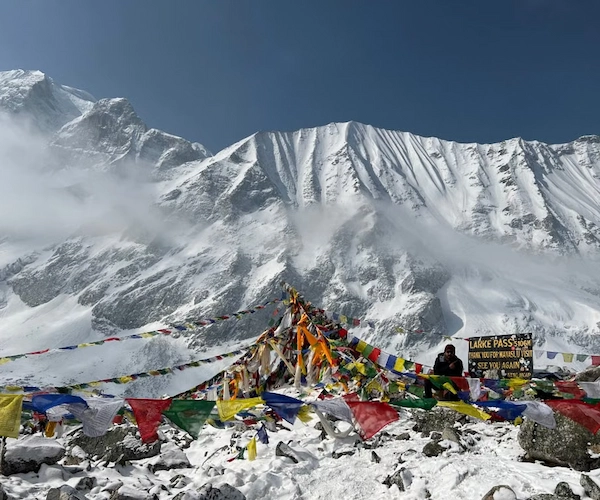
  3. Manaslu Trekking → Remote, 17 days, 45% altitude sickness, Larkya La Pass
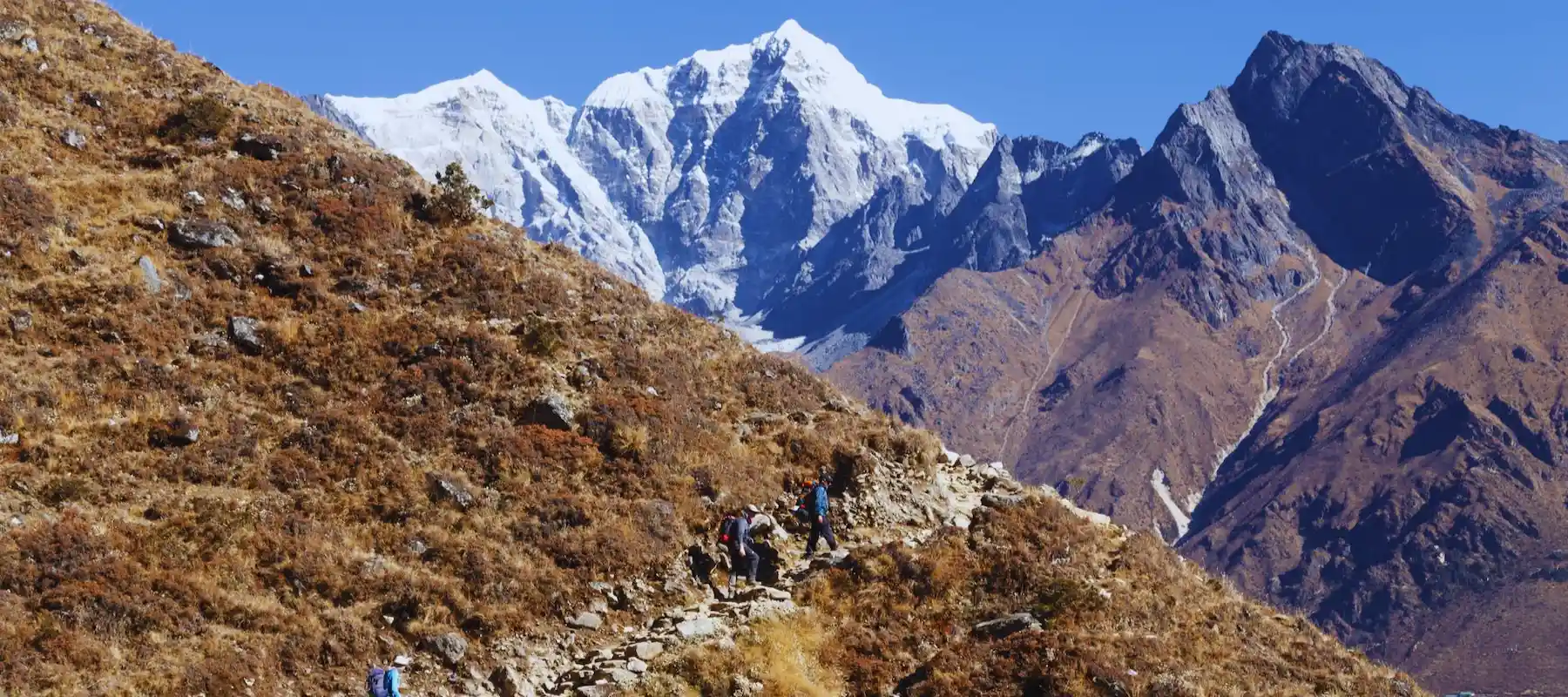
  4. Langtang Trekking → Closest to Kathmandu, 4-12 days, beginner-friendly
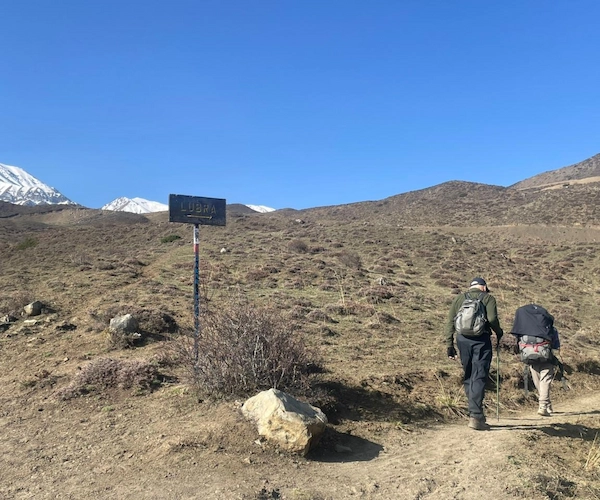
  5. Mustang Trekking → Unique culture, 10-15 days, permits required
  6. Ruby Valley Trekking → Hidden gem, 9 days, homestays included
  7. Short Trekking → 1-7 days, ideal for a limited time
  8. Other Trekking (Kanchenjunga, Makalu, Rara Lake, etc.) → Specialized, remote, off-the-beaten trekking routes, 8 days to 21 days


Why Nepal is the World’s Trekking Capital

After 34 years guiding trekkers in the Himalayas, I can tell you: Nepal’s trekking dominance isn’t accidental by any chance. It’s geographic, cultural, traditional, and strategic in a way.

Geographic Advantage

Nepal contains 8 of the world’s 14 tallest mountains (all above 8,000m). Within 300km, elevation ranges from 300m (lowlands) to 8,849m (Mount Everest).

This concentration is unique globally. No other country offers such diverse altitude experiences in such a compact area.

Result: You can trek from subtropical foothills to alpine flat surface without international travel.

Infrastructure Development

Nepal has 40+ years of trekking tourism experience (since 1970s). Infrastructure is sophisticated:

  • Teahouse networks on major routes (sleep comfortably, not camps)
  • Porter/guide availability (affordable labor makes guided treks accessible and easy)
  • Weather forecasting (accurate enough for route decisions and planning)
  • Rescue systems (helicopter evacuation available)
  • Medical support (clinics at key locations and also guides are equipped with first aid kits for emergency)

Unlike other mountain regions, Nepal’s infrastructure makes trekking accessible to beginners and non-mountaineers.

Economic Accessibility

Nepal is 50-70% cheaper than Switzerland, Canada, or other trekking destinations:

  • Guide cost: USD $25-40/day (vs. USD $80-150 elsewhere)
  • Teahouse accommodation: USD $15-30/night
  • Meals: USD $3-8 per meal
  • Complete trek: USD $400-3,500 depending on region and destination

Result: High-quality trekking is affordable for budget travelers.

Cultural Experience

Unlike most treks (which are pure nature), Nepal treks include:

  • Local villages with homestays
  • Living culture (Sherpa, Tamang, Gurung traditions)
  • Festival participation (Dashain, Tihar timing)
  • Monastery visits (spiritual centers throughout)
  • Food experience (authentic local meals)

Nepal Trekking is a cultural experience, not just mountain walking. So, Nepal has everything that makes the trekking totally complete.

Professional Guiding

Nepal pioneered professional trekking guidance. Guides are:

  • Licensed and regulated (government certification)
  • Highly trained (first aid, rescue, language skills)
  • Culturally educated (explain local customs, geography)
  • Safety-focused (altitude protocols, weather decisions)

Quality guidance transforms trekking from tourism to education.

8 Major Trekking Regions Explained

Let me tell you about each region as if I am guiding you personally.

Region 1: Everest Trekking (40 Years Guiding)

Elevation Range: 2,650m – 5,364m (Everest Base Camp)

Duration: 3-14 days, depending on route

Difficulty: Easy to challenging

Popularity: Extremely high (30% of all Nepal trekkers)

Accessibility: Fly to Lukla (3,600m), trek from there

Why Everest Trekking: Everest’s draw is simple: “Because it’s Everest.” The mountain is iconic globally and popular worldwide. Standing at base camp, seeing the 8,848m peak dominating the landscape, is transcendent for most trekkers. But Everest trekking isn’t just base camp. The region offers:

  • Gokyo Lakes (stunning alpine lakes, alternative to base camp)
  • Three High Passes (technical trek connecting valleys)
  • Ama Dablam Base Camp (the most beautiful peak in the region)
  • Multiple difficulty options (beginner to expert)

The Reality:

Pros:

  • Well-developed (thousands trek annually, infrastructure solid)
  • Spectacular views (Everest dominates, clear on good days)
  • Accessible for beginners (no technical climbing required)
  • Good teahouses (established businesses, quality accommodation)

Cons:

  • Crowded (thousands daily in peak season)
  • Expensive (higher costs than other regions)
  • Altitude sickness (20-30% of trekkers experience symptoms)
  • Long flights (Lukla flight adds 3+ hours to journey)

Best For:

  • First-time trekkers wanting an iconic experience
  • Mountain photographers seeking famous views
  • Those with limited time wanting maximum elevation
  • Travelers want well-established infrastructure

Explore All Everest Treks

Everest Trek Options: EBC, Three Passes, Gokyo

Popular Everest Routes:

1) Everest Base Camp Trek (14 days) – Most famous

2) Three High Passes Trek (17 days) – TechnicalEverest Three High Passes Trek →

Gokyo Lakes Trek (11 days) – Less crowded

3) Ama Dablam Base Camp (13 days) – Beautiful peak

Cost: USD $1,100-1,600 (14-17 days)

Region 2: Annapurna Trekking (Most Popular)

Elevation Range: 822m – 4,130m (Base Camp)

Duration: 4-19 days, depending on route

Difficulty: Easy to challenging

Popularity: EXTREMELY HIGH (35-40% of Nepal trekkers)

Accessibility: Start from Pokhara (1-hour flight from Kathmandu)

Why Annapurna is Most Popular: Three reasons dominate:

1. Accessibility: Pokhara is a 1-hour flight from Kathmandu. Annapurna treks start immediately—no 3-4 hour overland drives like other regions. Quick airport-to-trek transition.

2. Beginner-Friendly: Annapurna Base Camp (7 days) is the highest elevation most beginners safely reach without mountaineering skills. It’s achievable for fit trekkers.

3. Diversity: Single region offers:

  • Easiest: Ghorepani Poon Hill (4 days, perfect starter trek)
  • Popular: Annapurna Base Camp (7 days, most famous)
  • Classic: Annapurna Circuit (19 days, complete circumnavigation)
  • Advanced: Annapurna variants with high passes

The Reality:

Pros:

  • Easiest access (from Pokhara)
  • Most options (4-day easy to 19-day challenging)
  • Best budget option (cheapest region for trekking)
  • Spectacular views (Annapurna I, South, Machhapuchhre)
  • Rhododendron blooms (April flowers are spectacular)

Cons:

  • Most crowded (thousands trek daily)
  • Teahouse quality varies (due to volume)
  • 10-15% altitude sickness (manageable but present)

Best For:

  • First-time trekkers
  • Time-limited travelers (4-9 day options)
  • Budget-conscious adventurers
  • Photography enthusiasts
  • Flower lovers (April rhododendrons)

Explore All Annapurna Treks

Annapurna Trek Options: Base Camp, Circuit, Foothills

Popular Annapurna Routes:

1) Ghorepani Poon Hill Trek (4-9 days) – Easiest

2) Annapurna Base Camp (7 days) – Most popular

3) Annapurna Circuit (19 days) – Classic circumnavigation

4) Annapurna Foothills (5-7 days) – Beginner-friendly

5) Specialized Annapurna Routes

Cost: USD $300-750 (4-19 days)

Region 3: Manaslu Trekking (Remote Adventure)

Elevation Range: 930m – 5,160m (Larkya La Pass)

Duration: 17 days

Difficulty: Very challenging

Altitude Sickness: 40-50%

Popularity: Low (only 5-10% of trekkers)

Accessibility: 8-hour drive to the start point

Why Manaslu is Different: If Everest is iconic for the trekkers and Annapurna is accessible for beginners and non-mountaineers, then Manaslu is a real adventure.

Manaslu is:

  • Remote (few trekkers, true wilderness)
  • Challenging (technical pass, rapid altitude gain, and chances of altitude sickness)
  • Culturally rich (pristine Nepali villages, homestays)
  • Physically demanding (17 days of relentless climbing)
  • Spiritually significant (pilgrim route, local reverence)

The Reality:

Pros: 

  • Solitude (5-10 trekkers daily vs. Annapurna’s 100+)
  • Authentic villages (no tourist infrastructure, real authentic Nepal)
  • Challenging and rewarding (completion is a genuine achievement)
  • Unique experience (not mass tourism)

Cons: 

  • Very difficult (fastest 17-day trek available)
  • High altitude sickness (40-50% experience symptoms)
  • Poor teahouses (basic accommodation in remote areas)
  • Dangerous pass (Larkya La can close due to weather)

Best For:

  • Experienced trekkers (not first-time)
  • Those seeking solitude over luxury
  • Adventure seekers craving challenge
  • Trekkers with 3+ weeks available

Explore All Manaslu Treks

Manaslu Trek Options: Circuit, Tsum Valley

Popular Manaslu Routes:

1) Manaslu Circuit Trek (17 days) – Classic remote trek

2) Manaslu + Tsum Valley (19 days) – Extended version

Cost: USD $1,500-2,000 (17-19 days)

Guide Note: I’ve guided Manaslu 150+ times. It’s genuinely hard. But trekkers who complete it report it as a life-changing adventure.

Region 4: Langtang Trekking (Closest to Kathmandu)

Elevation Range: 1,570m – 3,844m

Duration: 4-12 days

Difficulty: Easy to moderate

Altitude Sickness: 5-10% (rare due to lower elevation)

Popularity: Moderate (10% of trekkers)

Accessibility: 2-3 hour drive from Kathmandu

Why Langtang is Unique: Langtang is Nepal’s closest mountain range to Kathmandu. It’s ideal for:

  • Quick getaways (weekend treks possible)
  • Lower altitude (max 3,844m = easier acclimatization)
  • Accessibility (drive + short trek combination, perfect for the travelers with limited vacation)
  • Budget travelers (no flight costs)

The Reality:

Pros:

  • Closest to Kathmandu (no flight needed)
  • Quick access (drive 2-3 hours to trek start)
  • Low altitude sickness (max 3,844m = 5-10% chances)
  • Beginner-friendly (well-developed trails)
  • Beautiful (Langtang Valley is stunning)

Cons:

  • Less dramatic (not the highest mountains)
  • Moderate crowds (popular due to accessibility)
  • Limited options (fewer route variants)

Best For:

  • Time-limited travelers
  • Budget-conscious trekkers (no flights)
  • Altitude-sensitive people
  • First-time mountain trekkers

Explore All Langtang Treks 

Langtang Trek Options: Valley, Gosaikunda, Helambu

Popular Langtang Routes:

1) Langtang Valley Trek (7 days)

2) Gosaikunda Lake Trek (9 days)

3) Helambu Circuit Trek (8 days)

Cost: USD $600-900 (7-9 days)

Region 5: Mustang Trekking (Forbidden Kingdom)

Elevation Range: 1,220m – 3,810m

Duration: 10-15 days

Difficulty: Moderate

Unique Factor: Permit required (restricted area)

Permit Cost: USD $700/10 days (expensive but includes guide)

Popularity: Low (special interest only)

Accessibility: Fly to Jomsom, trek from there

Why Mustang is Exclusive: Mustang is a restricted area requiring a government permit. Until 1992, it was completely closed.

Special restrictions protect:

  • Unique landscape (desert mountains, rock formations)
  • Living Buddhist culture (monasteries, pilgrimage)
  • Isolated communities (few outside visitors)
  • Cultural preservation (tourism limited by design)

The Reality:

Pros:

  • Unique landscape (desert mountains unlike Nepal’s typical green)
  • Cultural immersion (living Buddhist communities)
  • Pristine (limited trekkers due to permits)
  • Spiritual experience (monasteries, pilgrimage atmosphere)

Cons:

  • Expensive (USD $700 permit alone)
  • Requires permits (bureaucratic process)
  • High winds (desert winds are strong)
  • Harsh conditions (dry, exposed, minimal accommodation)

Best For:

  • Photography enthusiasts
  • Cultural explorers
  • Buddhist pilgrims
  • Adventure travelers with budgets

Explore All Mustang Treks

Mustang Trek Options: Upper, Lower, Jomsom

Popular Mustang Routes:

1)Upper Mustang Trek (15 days) – Most famous

2)Lower Mustang Trek (7 days) – No permit needed

3)Jomsom Muktinath Trek (8 days) – Cultural blend

Cost: USD $2,200-2,800 (includes permit)

Region 6: Ruby Valley Trekking (Emerging Destination)

Elevation Range: 1,000m – 3,850m

Duration: 9 days

Difficulty: Moderate

Unique Feature: All homestays (no teahouses)

Popularity: Very low (undiscovered by mass tourism)

Accessibility: 4-hour drive from Kathmandu

Why Ruby Valley is Special: Ruby Valley is an emerging destination offering:

  • Homestay experience (stay in local homes, not teahouses)
  • Undiscovered (few tourists = authentic experience)
  • Community-based (direct economic benefit to villages)
  • Cultural immersion (eat with families, learn traditions)
  • CSR focus (Alliance Treks supports Mission Ganesh Himal here)

The Reality:

Pros:

  • Authentic homestay (real cultural exchange)
  • Undiscovered (few tourists)
  • Supports local economy (direct family income)
  • Beautiful scenery (mountains + valleys)
  • CSR connection (community development)

Cons:

  • Limited infrastructure (basic accommodation)
  • Emerging destination (less proven than established treks)
  • Language barrier (fewer English-speaking guides)

Best For:

  • Community-conscious travelers
  • Authentic culture seekers
  • Those wanting direct local impact
  • Adventurers comfortable with basic comfort

Explore All Ruby Valley Treks 

Region 7: Short Treks (Weekend Options)

Elevation Range: 1,400m – 3,500m

Duration: 1-7 days

Difficulty: Easy

Popularity: High (tourists with limited time)

Accessibility: Drive from Kathmandu

Why Short Treks Matter: Not everyone has 10+ days, so short trekking is accessible to travelers with limited vacation time.

Short treks allow:

  • Weekend adventures (2-3 days from Kathmandu)
  • Extended city visits (trek part of larger Nepal trip)
  • Introduction to mountains (test your altitude tolerance)
  • Busy travelers (fit mountains into tight schedules)

Best For:

  • Time-limited travelers
  • First-time trekkers
  • Those adding to city touring
  • Groups with mixed fitness (Both beginners and expert hikers)

Explore All Short Treks

Region 8: Other Trekking (Specialized Routes)

For adventurers seeking truly remote experiences, Nepal offers specialized treks with off-beaten-trails:

1) Kanchenjunga Circuit (21 days)

  • World’s 3rd highest mountain
  • Only 50-100 trekkers per year
  • Most remote of all Nepal treks

Kanchenjunga Circuit Trek →

2) Makalu Base Camp (16 days)

  • 5th highest mountain
  • Pristine wilderness
  • Very few trekkers

Makalu Base Camp Trek →

3) Rara Lake Trek (11 days)

  • The largest lake in Nepal
  • Hidden destination
  • Wildlife viewing

Rara Lake Trek →

4) Other specialized routes:

Shey Phoksundo Lake Trek →
Bhairav Kunda Trek →
Pikey Peak Trek →
Hidden Village Trek →

Cost: USD $1,800-2,500 (14-21 days)

Elevation Impact on Nepal Trekking Experience

Maximum elevation determines how your body responds:

Below 2,500m (Beginner Zone)

  • Breathing: Normal
  • Altitude sickness: Almost none
  • Sleep: Normal
  • Physical demand: Walking fitness
  • Recovery: Not needed

2,500m-3,500m (Acclimatization Zone)

  • Breathing: Slightly faster
  • Altitude sickness: 5-15% mild symptoms
  • Sleep: Slightly disrupted
  • Physical demand: Hiking fitness required
  • Recovery: 1-2 days adequate

3,500m-4,500m (Altitude Zone)

  • Breathing: Noticeably faster
  • Altitude sickness: 20-40% noticeable symptoms
  • Sleep: Poor (2-4 hours)
  • Physical demand: Excellent fitness required
  • Recovery: Rest days are essential

4,500m-5,500m (High Altitude Zone)

  • Breathing: Rapid, labored
  • Altitude sickness: 40-60% significant symptoms
  • Sleep: Very poor (2-3 hours)
  • Physical demand: Elite fitness required
  • Recovery: Multiple rest days necessary

Why Choose Alliance Treks?

  • Over 34 Years of Trusted Experience in Nepal Trekking (Alliance Treks and Expedition) and adventure tourism industry with thousands of satisfied travelers.
  • One of the Pioneer Trek Operators promoting the newly explored Gurung Heritage Trek in the Annapurna region.
  • Professionally Designed Itinerary based on the latest trail exploration for the best trekking and cultural experience.
  • Licensed, Experienced, and Friendly Trekking Guides certified by the Government of Nepal.
  • Strong Focus on Authentic Cultural Experiences with traditional Gurung villages, local food, homestays, festivals, and warm hospitality.
  • Explore Nepal’s Newest Heritage Trekking Route before it becomes one of the country’s busiest trekking destinations.
  • Small Group and Private Trek Options for a more personal and flexible adventure.
  • High Safety Standards with proper trek planning, altitude awareness, emergency support, and reliable logistics.
  • Responsible and Sustainable Tourism that directly benefits local communities and preserves Gurung heritage.
  • Comfortable Transportation and Quality Accommodation throughout the journey.
  • Competitive and Transparent Prices with no hidden costs.
  • 24/7 Customer Support before, during, and after your trek.
  • Easy Online Booking and Secure Payment System for international travelers.
  • Excellent Reviews and High Customer Satisfaction from trekkers around the world.
  • Officially Registered and Government Authorized Trekking Company with all required licenses and memberships.
  • Personalized Trek Planning to match your fitness level, travel time, and interests.
  • Best Value for Money with professional service, experienced staff, and quality management.
  • Support Local Communities by trekking with a company committed to responsible tourism and community development.
  • A Perfect Mix of Nature, Culture, History, and Adventure in one unforgettable Himalayan journey following the ancient Gurung migration route and historic salt trade trail.

Duration Comparison Across All Treks

Trek Days Max Elevation Difficulty Best For
Poon Hill 4–9 3,210m Easy Quick trek, flowers
Annapurna Base Camp 7 4,130m Moderate Accessible 4,000m trek
Langtang Valley 7 3,844m Easy Close to Kathmandu
Everest Base Camp 14 5,364m Moderate Iconic Himalayan experience
Annapurna Circuit 19 5,416m Challenging Classic circumnavigation
Manaslu Circuit 17 5,160m Challenging Remote adventure
Kanchenjunga Base Camp 21 5,143m Very Challenging Extreme remote trekking
Upper Mustang 10–15 3,810m Moderate Cultural immersion
Ruby Valley 9 3,850m Moderate Authentic homestay experience


Frequently Asked Questions

What is the easiest trek in Nepal for beginners?

Ghorepani Poon Hill Trek (4–9 days) is widely considered the easiest trek in Nepal for beginners. It reaches a maximum elevation of 3,210m, has a low risk of altitude sickness, well-maintained trails, and comfortable teahouses. Annapurna Foothills is another excellent beginner-friendly option.

Which trek has the best mountain views?

Everest Base Camp offers iconic views of Mount Everest, while Annapurna Base Camp provides spectacular panoramic scenery surrounded by Annapurna I, Machhapuchhre, Hiunchuli, and several other Himalayan peaks. Both are exceptional, depending on your preference.

Can I trek in Nepal if I’m not very fit?

Yes. Easy treks such as Poon Hill, Langtang Valley, and Annapurna Foothills require only a reasonable level of walking fitness. Beginners can start with these shorter routes before attempting higher and more demanding treks.

What is the most popular trek in Nepal?

Annapurna Base Camp is one of Nepal’s most popular trekking destinations because of its accessibility, moderate difficulty, and relatively short itinerary. Everest Base Camp is another favorite thanks to its world-famous destination.

How much does trekking in Nepal cost?

Trekking costs generally range from around US$300 for budget trips to over US$2,500 for luxury packages. Most standard guided treks cost between US$500 and US$800, depending on the route, duration, and services included.

When is the best time to trek in Nepal?

October is considered the best month due to stable weather and excellent mountain visibility. April is another outstanding choice, offering warmer temperatures and beautiful rhododendron blooms. Spring and autumn are Nepal’s primary trekking seasons.

Do I need mountaineering experience for Nepal treks?

No. Popular trekking routes such as Annapurna Base Camp, Everest Base Camp, Langtang, Manaslu, and Upper Mustang require hiking rather than technical climbing. Mountaineering skills are only needed for climbing expedition peaks.

How high can I safely trek in Nepal?

Many trekkers safely reach elevations above 5,000m with proper acclimatization. Gradual ascent, adequate hydration, and sufficient rest days are the keys to reducing altitude-related risks.

Can I trek solo in Nepal?

Yes, solo trekking is possible on many routes. However, hiring a licensed guide is highly recommended for better safety, local knowledge, navigation assistance, and emergency support.

What is the hardest trek in Nepal?

Kanchenjunga Circuit is among Nepal’s most challenging treks because of its long duration, remote terrain, and high altitude. Manaslu Circuit is another demanding trek requiring excellent fitness and proper acclimatization.

Can I trek in Nepal during the monsoon season?

Yes, but it is generally not recommended. Heavy rainfall, landslides, slippery trails, and poor mountain visibility make June to August the least favorable trekking season in most regions.

Is there an age limit for trekking in Nepal?

No. People of many ages successfully complete Nepal treks. Your overall fitness, health, and acclimatization are much more important than your age.

What should I do if I get altitude sickness?

Mild symptoms such as headache or fatigue often improve with rest and hydration. If symptoms become severe or worsen, descend immediately to a lower elevation and seek medical assistance if necessary.

Can families and children trek in Nepal?

Yes. Family-friendly treks like Poon Hill, Langtang Valley, and Annapurna Foothills are suitable for children with proper pacing, regular breaks, and appropriate acclimatization.

How many hours do you walk each day?

Easy treks typically involve 4–6 hours of hiking per day, moderate treks 5–7 hours, and challenging routes 6–8 hours or more. Daily walking time includes regular rest and meal breaks.

What is usually included in a trekking package?

Most trekking packages include permits, accommodation, meals during the trek, a guide, and porter services. International flights, travel insurance, equipment rental, tips, and personal expenses are usually excluded.

Do I need travel insurance for trekking in Nepal?

Yes. Comprehensive travel insurance covering trekking at your planned altitude, medical treatment, and emergency helicopter evacuation is strongly recommended before starting any trek.

Should I book independently or use a trekking company?

Using a reputable trekking company is recommended, especially for first-time visitors. Agencies simplify permits, logistics, accommodation, emergency support, and provide experienced local guides.

How can I reduce the risk of altitude sickness?

The best prevention is gradual ascent, proper hydration, regular acclimatization, and avoiding rapid elevation gain. Some trekkers also use Diamox after consulting their doctor.

What is the difference between trekking and climbing in Nepal?

Trekking follows established mountain trails and requires no technical climbing skills. Climbing involves mountaineering equipment, ropes, technical training, and attempts to summit peaks, making it significantly more demanding.

Trekking for Beginners in Nepal: 2026 Safety Guide

Trekking for Beginners in N...

Post Date: 04 Sep 2026 Post by - Kul Bahadur Gurung
Cost of Everest Base Camp Trek: Full 2026 Breakdown

Cost of Everest Base Camp T...

Post Date: 03 Sep 2026 Post by - Kul Bahadur Gurung
Annapurna Base Camp Trek Cost: Full 2026 Breakdown

Annapurna Base Camp Trek Co...

Post Date: 02 Sep 2026 Post by - Kul Bahadur Gurung

Alliance Treks & Expedition Pvt. Ltd. Once is not enough for naturally and culturally Himalayas
Contact us