(Viber, Whatsapp, Cell) +977 9851022814

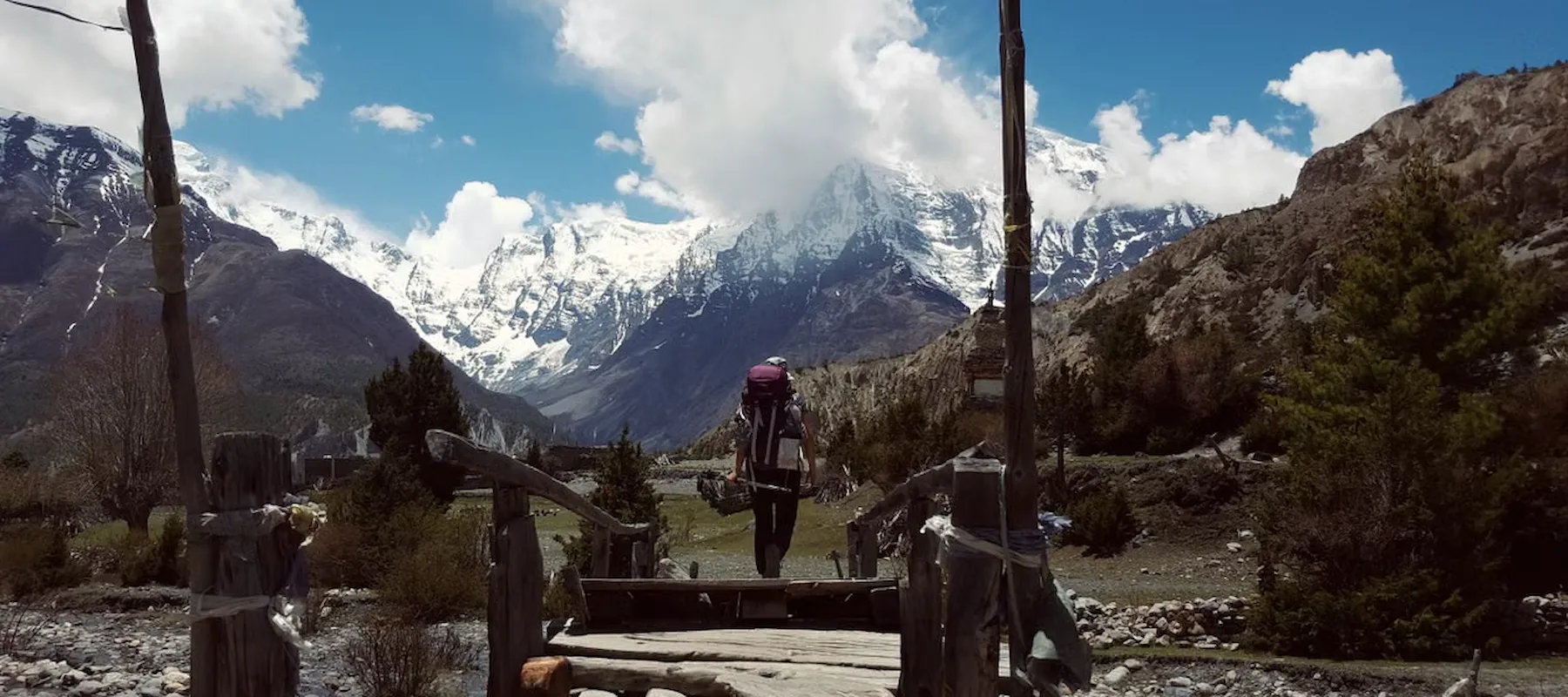
Yes, many women trek solo in Nepal and report that the main trails feel welcoming. The bigger dangers are altitude, weather, and injury, not crime, and the main risks to women are concentrated in Kathmandu and Pokhara at night, not on the trail. This Solo Female Trekking in Nepal guide is written for women planning a first or repeat trip. We have tried to be honest, including about what we cannot prove. We found no reliable public statistics on harassment of women on Nepal’s trails, so we do not give a number. Treat any website that does, including operators, with caution.
Mostly, with sensible precautions. Here is how the risks split, based on official advice and what trekking operators describe:
| Risk | How serious | What to do |
|---|---|---|
| Altitude sickness | The most serious on higher routes | Slow ascent, rest days, descend if symptoms worsen |
| Weather, trail and injury | Common | Guide, good boots, early starts |
| Petty theft and bag-snatching | Mainly cities, buses and tourist areas | Keep valuables on you, use a hotel safe |
| Harassment or assault | Reported mostly in tourist areas of Kathmandu at night, not on the trails | Avoid walking alone after dark; do not accept drinks from strangers |
| Getting lost or stranded | More likely on quiet or unmarked routes | Guide, offline maps, shared itinerary |
| Medical evacuation | Rare but costly | Insurance with helicopter cover |
Serious crime is low, but women have been sexually assaulted in tourist areas such as Thamel and Sanepa in Kathmandu, and it advises extra caution when alone after dark. Check the live advice from your own government before you travel, since it changes.
The short version: you can travel alone, but you should not walk alone.
For the full rule explained, including what to check with the authorities, read Are guides mandatory in Nepal?
Some operators say they can arrange a woman guide on request, but availability varies and we cannot promise it here. If this matters to you, say so when you contact us and ask what is available for your dates before you pay.
Published rates are roughly US$25–40 per day, and the guide’s own food, lodging and insurance are normally covered by the agency. See the Nepal trekking cost breakdown for the full budget.
Choose a route that matches your fitness and altitude experience, not just its reputation.
| Level | Trek | Why it suits solo women |
|---|---|---|
| First trek | Ghorepani Poon Hill | Short, low altitude, busy villages |
| First trek | Mardi Himal | Short and scenic, with a ridge to the base camp |
| Beginner to intermediate | Annapurna Base Camp | Well-travelled teahouse route, easy turn-around points |
| Intermediate | Langtang Valley | Close to Kathmandu, moderate altitude |
| Experienced | Everest Base Camp | Popular, but altitude demands time to acclimatise |
| Experienced | Annapurna Circuit | Long, with a high pass (Thorong La, 5,416 m) |
| Experienced, with guide | Manaslu Circuit | Remote; restricted-area rules apply |
Check best treks in Nepal for beginners if you are choosing your first route. For quieter options, see less crowded treks in Nepal, but note that fewer people also means less help nearby.
Altitude is the biggest real danger on Nepal’s higher routes, and it does not depend on gender. Go up slowly, drink plenty of fluids, plan rest days, and descend if symptoms such as a worsening headache, vomiting, or confusion appear. A guide helps by watching you for early signs.
Many women ask about this. Practical tips from trekkers include menstrual cups or discreet disposal bags, wet wipes and a small supply of your usual products, since they are hard to find in remote villages. Altitude and travel can change your cycle. Talk to a doctor or travel clinic before you go if you use medication.
| Service | Number |
|---|---|
| Police control | 100 |
| Tourist Police hotline | 1144 |
| Tourist Police phone | +977-01-5347041 |
These numbers come from the Nepal Police tourist police page, so confirm them before you travel. Mobile coverage is patchy on many trails, so your guide, your agency’s emergency contact and your insurer’s 24-hour line matter more.
| Solo with a guide and agency | Fully independent | |
|---|---|---|
| Permit and rules | Agency handles it | You must check the rules yourself |
| Safety net | Guide, agency contact, rescue plan | Depends on you and other trekkers |
| Cost | Higher | Lower on paper |
| Restricted areas | Possible | Not possible |
| Company | Guide, plus other trekkers | You choose, but may be alone for long stretches |
If you want company without a big group, ask about a small-group departure. See our Nepal trekking hub and how to book. You can also read what past guests say on our reviews page.
Many women do, and report friendly trails and villages. The main hazards are altitude, weather and injury. The highest crime concerns are in tourist areas of Kathmandu at night.
Always in restricted areas. On open routes the rules are disputed, but UK advice says not to trek alone. See our guides post.
Short, lower-altitude routes such as Ghorepani Poon Hill, Mardi Himal and Annapurna Base Camp are the usual first choices.
Some agencies can arrange one on request, but availability varies. Ask before you book.
It is strongly advised. Choose cover that includes trekking at your maximum altitude and helicopter evacuation.
Modest, layered clothing that covers shoulders and knees in villages, plus a warm jacket and sun protection.
Serious crime is low, but women have reported assaults in tourist areas at night. Avoid walking alone after dark.
Police control is 100 and the Tourist Police hotline is 1144.
It depends on the route. See our Nepal trekking cost guide for a breakdown.
Autumn and spring are the busiest, which means more people on the trail.
National park rules and fees apply. See our national parks in Nepal guide.
Alliance Treks & Expedition Pvt. Ltd. Once is not enough for naturally and culturally Himalayas