(Viber, Whatsapp, Cell) +977 9851022814


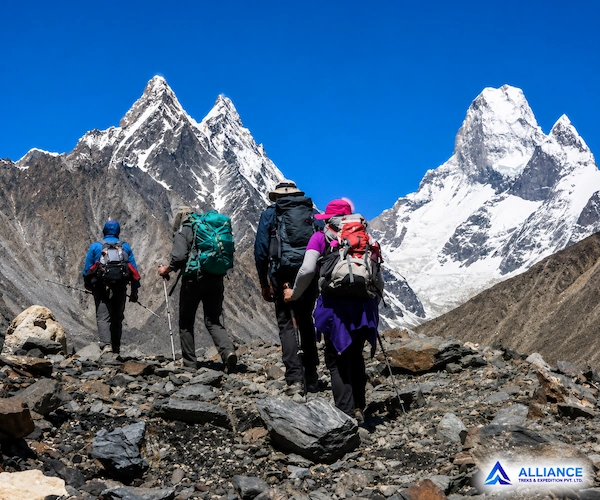
The Salleri to Everest Base Camp Trek is a 15-day Everest journey that starts with a drive east from Kathmandu to Salleri (2,364 m) instead of a flight into Lukla. You walk the green, quiet lower Solu valleys for four days, then join the classic Khumbu trail at Phakding and continue through Namche Bazaar, Tengboche, Dingboche and Lobuche to Everest Base Camp (5,364 m) and Kala Patthar (5,545 m). You start low, so your body adjusts gradually. You skip the weather-delayed Lukla flight on the way in. You also see Sherpa and Rai villages that most Everest trekkers never visit. Alliance Treks & Expedition provides licensed guides, porters, permits, and daily safety checks throughout.
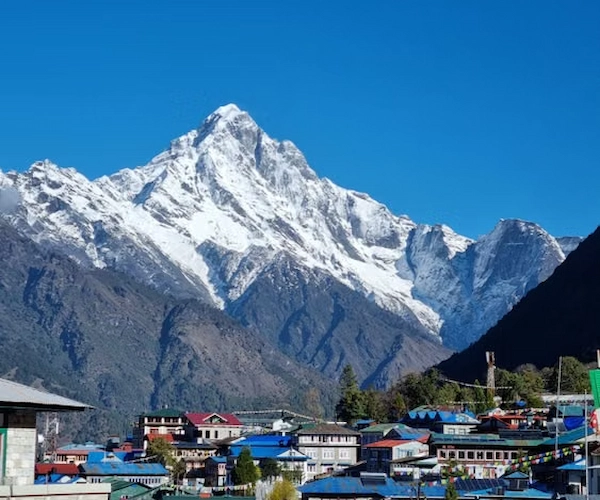
The first days feel very different from the busy Khumbu trail. You walk past terraced farms, pine and rhododendron forest, prayer wheels and the hilltop monastery at Takshindo, with Numbur Himal on the horizon. Family-run lodges serve simple meals, often made with vegetables from their own fields, and you spend your evenings with the people who live along the route. The trail is steep, with long climbs and descents, so you also build strength and stamina before you reach thinner air.
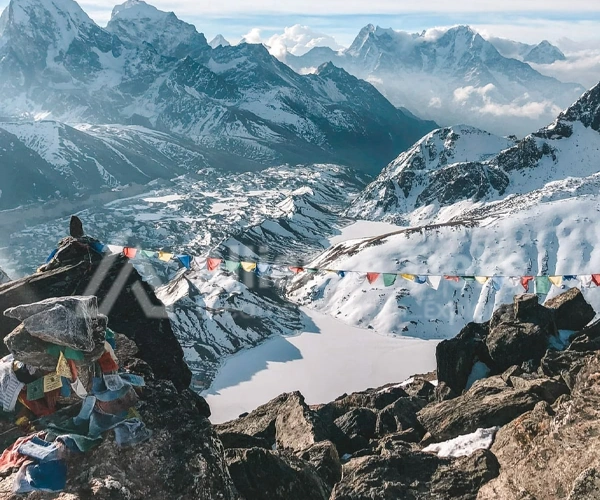
From Phakding, the journey changes pace. You cross the Hillary Suspension Bridge, enter Sagarmatha National Park at Monjo, and spend two nights in Namche Bazaar, with a short hike to the Everest View Hotel for your first wide look at Everest, Lhotse and Ama Dablam. Beyond Namche, the days follow the glacial valley through Tengboche Monastery and the high villages, where each night brings colder air, brighter stars and bigger mountains.
The trek is graded strenuous, with walking days of four to seven hours, so good fitness and steady pacing matter. In return, you get a complete walk from the foothills to the glacier, a sunrise on Kala Patthar and a return flight from Lukla to Kathmandu.
Day 1 Drive from Kathmandu (1,310m/4,296ft) - Salleri (2,364m / 7,756ft)
Day 2 Salleri (2,364m / 7,756ft) - Takshindo (3,070m / 10,072ft)
Day 3 Trek from Takshindo (3,070m / 10,072ft) to Kharikhola (2,010m / 6,594ft)
Day 4 Trek from Kharikhola (2,010m / 6,594ft) to Puiyan (2,730m / 8,957ft)
Day 5 Trek from Puiyan (2,730m / 8,957ft) to Phakding (2,652m / 8,701ft)
Day 6 Trek from Phakding (2,652m / 8,701ft) to Namche Bazaar (3,440m / 11,286ft)
Day 7 Acclimatization Day at Namche Bazaar (3,440m / 11,286ft)
Day 8 Trek from Namche Bazaar (3,440m / 11,286ft) to Tengboche (3,870 m / 12,697ft)
Day 9 Tengboche (3,870 m / 12,697ft) to Dingboche (4,410 m / 14,469ft)
Day 10 Dingboche (4,410 m / 14,469ft) to Lobuche (4,900m / 16,076ft)
Day 11 Lobuche to Gorak Shep (5,160 m) and Hike to Everest Base Camp (5,364m / 16,929ft)
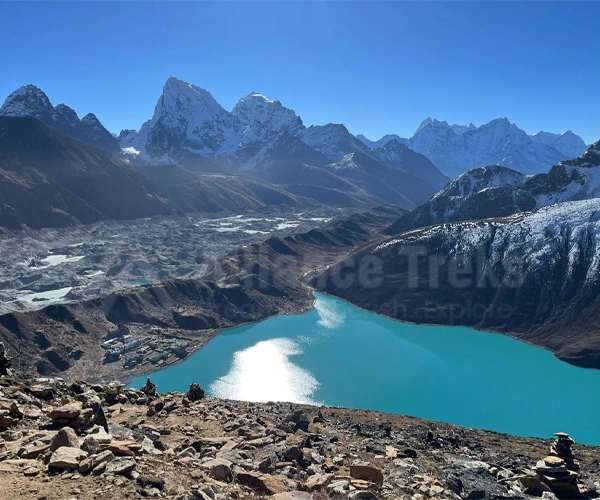
Day 12 Gorak Shep to Kala Patthar (5,545m / 18,519ft) for Sunrise, then Descend to Pheriche (4,240m / 16,929ft)
Day 13 Pheriche (4,240m / 16,929ft) to Pangboche (3,930m / 12,894ft)
Day 14 Pangboche to Namche Bazaar (3,440m / 11,286ft), then Trek to Lukla (2,860m / 9,383ft)
Day 15 Fly from Lukla to Kathmandu
The Salleri to Everest Base Camp Trek takes 15 days from Kathmandu to Kathmandu. You drive about 265 km to Salleri, trek 10 days up to Base Camp and Kala Patthar (5,545 m), then fly from Lukla to Kathmandu. Compared with a flight into Lukla, as on our classic 12-day Trek to Everest Base Camp, you start 500 m lower and spend four extra days walking before the busy Khumbu trail.
Salleri is the district headquarters of Solukhumbu, and Phaplu, which has a small airport, sits about 2.5 km away. Starting here changes the trip in several ways:
The honest trade-offs are longer, steeper days with big ascents and descents (often 6–7 hours) and a long road journey on day one. This is a good trek for people who prefer slow, scenic days over speed.
| Day | Route | Sleeping altitude | Walking time |
|---|---|---|---|
| 1 | Kathmandu → Salleri (drive) | 2,364 m | Drive 8–10 hrs |
| 2 | Salleri → Takshindo | approx. 3,070 m | 5–6 hrs |
| 3 | Takshindo → Kharikhola | 2,010 m | 6–7 hrs |
| 4 | Kharikhola → Puiyan | 2,730 m | 5–6 hrs |
| 5 | Puiyan → Phakding | 2,652 m | 6–7 hrs |
| 6 | Phakding → Namche Bazaar | 3,440 m | 5–6 hrs |
| 7 | Acclimatization at Namche | 3,440 m | Short hike |
| 8 | Namche → Tengboche | 3,870 m | 4–5 hrs |
| 9 | Tengboche → Dingboche | 4,410 m | 4–5 hrs |
| 10 | Dingboche → Lobuche | 4,900 m | 5–6 hrs |
| 11 | Lobuche → Gorak Shep → Everest Base Camp | 5,160 m | 3–4 hrs to Gorak Shep, plus the Base Camp hike |
| 12 | Kala Patthar sunrise → Pheriche | 4,240 m | Kala Patthar 2–3 hrs, then descent |
| 13 | Pheriche → Pangboche | 3,930 m | Descent |
| 14 | Pangboche → Namche → Lukla | 2,860 m | Long day, 6–7 hrs to Namche plus a further descent |
| 15 | Lukla → Kathmandu (flight) | 1,400 m | Flight 30–40 min |
| Option | Typical duration | Start altitude | Main advantage | Main drawback |
|---|---|---|---|---|
| Fly to Lukla and trek | 12–14 days | 2,860 m | Fastest | Flight delays and crowds |
| Salleri overland (this trek) | 15 days | 2,364 m | Gradual climb, fewer crowds | Long drive and steep ups and downs |
| Fly to Phaplu, then trek | 14 days | 2,413 m | Skips the long drive | Phaplu flights run only on some days |
| Jiri to Everest Base Camp | 18+ days | 1,905 m | The original Hillary and Tenzing approach | Longest option |
Still deciding between Nepal’s big three treks? Read our guide to Everest Base Camp vs Annapurna Circuit vs Manaslu Circuit.
Kathmandu to Salleri is about 265 km and takes 8 to 10 hours by road, on a sealed highway for much of the way, passing the Sunkoshi River and Okhaldhunga. For the drive you can choose:
Road works continue beyond Salleri. A jeep track toward Thamdanda and Surke is in use, but it is rough and its condition depends on the season. We use it only when it is safe, and it is not part of the standard plan.
Altitude affects everyone differently, regardless of fitness. On this itinerary:
Typical early signs of AMS are headache, nausea, poor sleep and unusual tiredness. Tell your guide at once if you feel any of them.
We rate this trek Strenuous. Days are long (4–7 hours), and the lower trail is steep, with climbs and descents of several hundred metres. For a wider view of what to expect, read our honest guide on how hard the Everest Base Camp trek is. A few tips:
| Season | Months | What to expect |
|---|---|---|
| Spring | March – May | Rhododendrons in bloom, warm lower valleys, busier trails |
| Autumn | Late September – November | Clear skies, crisp mornings, the most stable views |
| Winter | December – February | Cold and quiet; high lodges may close (see our Nepal Winter Trek options) |
| Monsoon | June – August | Wet, leeches in lower sections, cloud, and rough roads |
October and November have the best weather, and spring offers the most colour.
You stay in simple, warm teahouses on twin-sharing rooms. Lower down, rooms are basic and bathrooms are shared. In the higher sections, rooms are unheated, so a good sleeping bag helps. Meals are included and typically feature dal bhat (rice, lentils and vegetables), noodles, momos, soups, pasta, eggs and porridge. Local teahouses on the Solu section often serve vegetables from their own gardens.
Your licensed trekking guide. Every Alliance Treks & Expedition departure includes a government-licensed, English-speaking guide who knows the lower Solu valleys as well as the Khumbu. You can meet our team before you book. The guide does much more than show the way:
Guide-to-trekker ratio. We assign one guide for every (confirm, e.g., 4–6) trekkers. For groups above 6, we add an assistant guide so that the group can split if one trekker needs to descend.
Porter support. Porters carry your main duffel bag, so you walk with only a light day pack (water, camera, rain jacket, snacks). On this trek, we provide one porter for every two trekkers. We keep loads fair and safe:
For tipping etiquette at the end of the trek, see our guide on how much to tip your guide and porter in Nepal.
Local hiring. Where possible, we hire porters and assistants from Solukhumbu villages along this route, which spreads income into communities that the Lukla fly-in route usually bypasses.
Is a guide required? Rules on guided trekking in Nepal have been announced, enforced, and adjusted several times since April 2023, and sources disagree on how strictly they are applied in the Everest region. Whatever the current position, every Alliance Treks departure includes a licensed guide, so you meet the requirement and have expert support at altitude.
The weather changes a great deal on this trek because you climb from about 2,000 m to 5,545 m. The first days are mild and green, and the last days are cold, dry, and windy. These are typical ranges, and the mountains can surprise you in any month.
| Stage and altitude | What to expect |
|---|---|
| Salleri to Phakding (2,000–3,070 m) | Mild to warm days and cool nights. Humid and sometimes misty in spring, dry and crisp in autumn. Trails can be slippery after rain. |
| Namche Bazaar and Tengboche (3,440–3,870 m) | Days around 10–15 °C in spring and autumn, with nights near or below freezing (about −5 °C). Sunny mornings, clouds building by afternoon. |
| Dingboche and Lobuche (4,410–4,900 m) | Daytime temperatures often only 2–10 °C. Nights are well below freezing. Wind is common. |
| Gorak Shep, Base Camp and Kala Patthar (5,160–5,545 m) | Days around −5 to 5 °C. Nights commonly −10 °C or colder, and colder still in March and winter. Strong wind on Kala Patthar. |
Season by season
| Season | Months | Conditions | Our view |
|---|---|---|---|
| Spring | March – May | Stable and dry, rhododendrons in bloom. March is coldest, April is the sweet spot, and May is warmer with more cloud by late month. | Excellent |
| Autumn | Late September – November | Clear skies after the monsoon. October is the busiest and most settled month. November is colder at altitude. | Excellent |
| Winter | December – February | Very cold, with snow possible. Teahouses at Lobuche and Gorak Shep often close from mid-to-late December. | Experienced trekkers only |
| Monsoon | June – August | Rain, mud, leeches, landslides and little visibility. Roads and flights are less reliable. | Not recommended |
You need two main permits for the Everest region. We arrange both before you start walking.
| Permit | Issued by | Typical cost (foreign nationals) | Where it is issued or checked |
|---|---|---|---|
| Sagarmatha National Park entry permit | Park authority | NPR 3,000 plus 13% VAT (about NPR 3,390) | Nepal Tourism Board office in Kathmandu or the Monjo gate |
| Khumbu Pasang Lhamu Rural Municipality permit | Local municipality | About NPR 3,000 (some operators still quote NPR 2,000) | Lukla or Monjo checkpoint; not issued in Kathmandu |
Together, the permits cost roughly NPR 6,000–6,500 (about USD 45–50) per person. Fees change, so we confirm the current rates at booking. For a wider look at permits and fees across Nepal, see our 2026 guide to restricted areas of Nepal for trekking and permit fees.
On this route: You enter Sagarmatha National Park at Monjo on Day 6, after joining the main trail at Chheplung and Phakding. Your guide carries copies of your permits and any digital trek card or QR code, and checkpoints at Monjo (and nearby Lukla/Toktok) may scan them. Keep a photo of each permit on your phone as a backup.
What we need from you at booking:
Other permits: The Gaurishankar Conservation Area permit applies to routes that start from Jiri, not to this route (confirm with operations). If you extend to Gokyo or the Three High Passes, you usually don’t need an extra permit, but check with us.
What happens if you lose a permit? Tell your guide immediately. We can usually arrange a replacement through the office, but it can cost time and money, so keep your documents in a waterproof pouch.
Alliance Treks & Expedition Pvt. Ltd. Once is not enough for naturally and culturally Himalayas