(Viber, Whatsapp, Cell) +977 9851022814

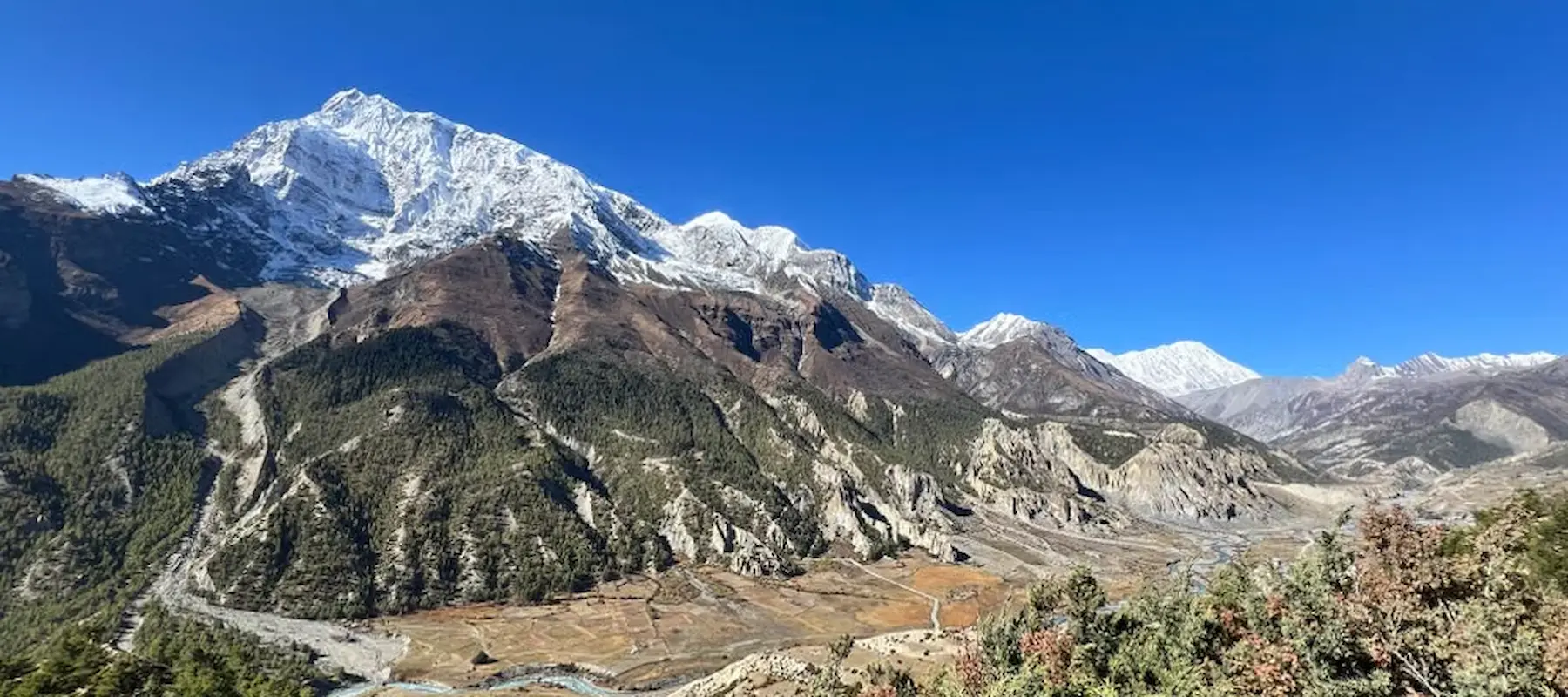
The best off-the-beaten-path treks in Nepal for 2027 are Pikey Peak, Khopra Danda, Ruby Valley, Tsho Rolpa (Rolwaling), Rara Lake, Tsum Valley, Nar Phu Valley, Lower Dolpo and Shey Phoksundo, Makalu Base Camp and the Kanchenjunga Circuit. They are quieter than Everest Base Camp or the Annapurna Circuit, and they range from gentle community-lodge walks of about a week to three-week expeditions with high passes. Plan them for March to May or September to November, expect to hire a licensed guide on the remote and restricted routes, and buy insurance that covers your highest altitude.
| # | Trek | Region | Typical length* | Approx. high point | Difficulty | Permit type |
|---|---|---|---|---|---|---|
| 1 | Pikey Peak | Solukhumbu | 8 to 11 days | ~4,065 m | Easy to moderate | Standard |
| 2 | Khopra Danda | Annapurna | 7 to 10 days | ~3,660 m ridge, ~4,500 m Khayer Lake | Moderate | ACAP |
| 3 | Ruby Valley | Ganesh Himal | About 8 days | ~3,800 to 4,000 m | Moderate | Standard |
| 4 | Tsho Rolpa | Rolwaling | About 10 days | ~4,580 m at the lake | Moderate to challenging | Conservation-area permit |
| 5 | Rara Lake | Far west | About 11 days | ~3,000 m at the lake | Moderate | National park permit |
| 6 | Tsum Valley | Manaslu | 18 to 20 days | ~3,700 m at Mu Gompa | Moderate to challenging | Restricted area |
| 7 | Nar Phu Valley | Annapurna | 14 to 22 days | ~5,300 m at Kang La | Challenging | Restricted area |
| 8 | Lower Dolpo / Shey Phoksundo | Dolpo | 9 to 12 days | ~3,611 m lake, higher at Dho Tarap area | Moderate to challenging | Park and area permits |
| 9 | Makalu Base Camp | Makalu Barun | 18 to 21 days | ~4,870 m | Strenuous | Park permit |
| 10 | Kanchenjunga Circuit | Far east | About 21 days | ~5,100 m at Pangpema | Strenuous | Restricted area |
Most trekkers in Nepal funnel into two regions, Everest and Annapurna. A trek counts as off the beaten path when it meets most of these tests:
Quiet does not always mean harder. Pikey Peak and Khopra Danda are gentle. Others on this list are serious expeditions. We grouped the ten treks from most accessible to most remote so you can pick by fitness and time.
Already know you want fewer crowds and a shorter list? See our earlier guide to less crowded treks in Nepal.
Fact box: Solukhumbu · about 8 to 11 days · high point about 4,065 m · easy to moderate · road access, no flight needed on many itineraries
Pikey Peak sits in the foothills south of the Everest range and offers one of Nepal’s widest sunrise panoramas, with Everest, Lhotse, Makalu and a line of Solukhumbu peaks on the horizon. The trail passes Sherpa, Rai and Tamang villages, rhododendron forest and terraced hillsides, with simple lodges and homestays.
Why go: It delivers a big mountain view without the crowds, the altitude stress or the Lukla flight of the Everest Base Camp route.
Watch out for: Roads reach part of the area, so some days feel less wild. The summit morning is cold and windy.
Best for: First-time trekkers, families with older children, photographers and anyone who wants Everest scenery on a gentler plan.
View the Pikey Peak Trek · Compare it with the Everest Base Camp trek.
Fact box: Annapurna region · about 7 to 10 days from Pokhara · ridge camp about 3,660 m, Khayer Lake about 4,500 m · moderate · ACAP permit
Khopra Danda climbs a high ridge between Annapurna South and Dhaulagiri, with community-run lodges and wide views of both massifs. The side trip to Khayer Lake adds a glacial lake at around 4,500 m for those who want more altitude.
Why go: It feels like the Annapurna region did years ago, with local hosts and few other groups.
Watch out for: Lodges are simpler, long steep sections punish tired legs, and weather can be changeable on the ridge.
Best for: Trekkers who have done Poon Hill or Mardi Himal and want something quieter, and people who value community-run accommodation.
View the Khopra Danda trek · Related: Ghorepani Poon Hill and our Mardi Himal guide.
Fact box: Ganesh Himal region · about 8 days · about 3,800 to 4,000 m · moderate · standard permits
Ruby Valley runs through Tamang and Gurung villages in the foothills of the Ganesh Himal range, past forests, terraces and a high pass. It is a cultural trek first and a mountain trek second, with homestay-style hospitality.
Why go: It is one of the closest quiet treks to Kathmandu, so it works when time is limited.
Watch out for: Trails are less signed than famous routes, so a local guide matters. Facilities are basic.
Best for: Culture lovers, travellers with about a week and people who want mountain views without a long approach.
Fact box: Rolwaling Valley · about 10 days · Tsho Rolpa at about 4,580 m · moderate to challenging · conservation-area permit and local fees
The Rolwaling Valley leads to Tsho Rolpa, one of Nepal’s largest glacial lakes, at the foot of the Gaurishankar and Menlungtse area. The trail passes Sherpa villages that see few visitors, with forest and river sections before the high lake.
Why go: Dramatic glacier scenery and a sense of real remoteness on a short itinerary.
Watch out for: Altitude gain is steady, so build in acclimatisation. Lodges thin out near the top.
Best for: Trekkers who want a wilder alternative to the Everest region and are comfortable with simple lodges.
Fact box: Mugu and Jumla area · about 11 days · lake at roughly 3,000 m · moderate · national park permit, flight access
Rara Lake is the deep blue centrepiece of Rara National Park, surrounded by pine and juniper forest and snow peaks. Getting there involves flights to the west, and the area gets a fraction of the visitors the main regions do.
Why go: Pure wilderness, birdlife and a rain-shadow location that some operators suggest for early summer or the edge of the monsoon.
Watch out for: Flights are weather-dependent, there are few facilities and the approach is part of the adventure. The budget is higher than for central Nepal.
Best for: Travellers who want something no one else has done, nature and wildlife enthusiasts, and people with flexible dates.
Fact box: Gorkha and Manaslu region · 18 to 20 days · Mu Gompa at about 3,700 m · moderate to challenging · restricted area permit and guide
Tsum Valley is a sacred valley near the Tibetan border, known for monasteries such as Mu Gompa and Rachen Gompa, mani walls and village life that has changed slowly. It can be walked alone or combined with the Manaslu Circuit.
Why go: Rich culture, fewer people than on the main Manaslu route and views of Ganesh Himal and Sringi.
Watch out for: Restricted-area permits and a licensed guide are required. The lower sections have long, hot walking days with steep ups and downs, and landslides can interrupt the trail in wet weather.
Best for: Culture-focused trekkers and second-time Nepal visitors.
View the Tsum Valley trek · Also see the Manaslu Circuit and the Manaslu and Tsum Valley combination.
Fact box: Annapurna region · 14 to 22 days depending on the route · Kang La at about 5,300 m · challenging · restricted area permit
Nar Phu is a sealed-off valley off the Annapurna Circuit, with stone-built Tibetan villages at over 4,000 m, deep gorges and a high pass, Kang La, to rejoin the main trail. Many people walk it as an extension to the Annapurna Circuit.
Why go: A far more remote experience than the Circuit and a very different landscape: dry, high and austere.
Watch out for: Altitude is serious, with villages above 4,000 m and a pass near 5,300 m. Sources differ slightly on the exact pass height. Weather can close the pass.
Best for: Fit trekkers with some high-altitude experience who want a deeper Annapurna trip.
Fact box: Dolpo, Shey Phoksundo National Park · 9 to 12 days · Phoksundo Lake at about 3,611 m, Dho Tarap area higher · moderate to challenging · flight to Juphal
Lower Dolpo and the Shey Phoksundo area combine one of Nepal’s most dramatic lakes with Tibetan-influenced villages, Bon and Buddhist monasteries and a landscape that looks more like the Tibetan plateau than the central Himalaya. Our Shey Phoksundo Lake trek is a shorter introduction, while the Lower Dolpo trek goes deeper.
Why go: Extraordinary scenery, very few visitors and strong cultural interest.
Watch out for: Access is by small plane or a long approach, facilities are basic and camping is common on parts of the route. Permit fees are higher than for standard areas, and one source quotes about US$20 per week for Lower Dolpo. Confirm the current figure.
Best for: Experienced trekkers with flexible schedules and a taste for wilderness.
For the very remote end of Dolpo, see the Upper Dolpo trek, about 24 days with high passes and tented camping. It is one of Nepal’s most isolated regions, and the restricted-area permit is a major cost.
Fact box: Makalu Barun National Park · 18 to 21 days · Base Camp about 4,870 m · strenuous · flight to Tumlingtar then trek
Makalu, the world’s fifth-highest mountain, is rarely trekked. The route climbs through rainforest, then rhododendron and alpine meadows into the Barun Valley, with the huge pyramid of Makalu at the head. It has a rare mix of biodiversity and Himalayan scale.
Why go: Big mountain scenery and an almost empty trail, with a wide change in habitat from low forest to glaciers.
Watch out for: Long days, simple lodging and camping in the upper sections, and weather that can delay flights. Accessible only with good logistics.
Best for: Experienced trekkers who want a base camp without crowds. Read our guide to Makalu Base Camp for beginners to see what the preparation involves.
View the Makalu Base Camp trek
Fact box: Kanchenjunga Conservation Area · about 21 days · Pangpema (north base camp) about 5,100 m · strenuous · restricted area permit and guide
Kanchenjunga, the third-highest mountain in the world, sits on the Nepal-India border. The circuit visits both its north and south base camps, passes Rai and Limbu villages and crosses high passes. It is among the longest and quietest classic treks in Nepal.
Why go: Genuine wilderness, vast scale and a mix of Himalayan cultures that few trekkers experience.
Watch out for: It is a long, committing expedition with limited rescue options. A flight to the east, a long road section and weather risk all affect schedules.
Best for: Trekkers who have already completed one or two high-altitude routes and have three weeks.
View the Kanchenjunga Circuit trek
| If you have… | Choose |
|---|---|
| About a week | Pikey Peak, Ruby Valley or Khopra Danda |
| 10 to 12 days | Tsho Rolpa, Rara Lake or Shey Phoksundo |
| Two to three weeks | Tsum Valley, Nar Phu, Makalu Base Camp or Kanchenjunga |
| Little trekking experience | Pikey Peak or Khopra Danda |
| High-altitude experience | Nar Phu, Makalu Base Camp or Kanchenjunga |
| A culture focus | Tsum Valley, Ruby Valley or Lower Dolpo |
| A wilderness focus | Rara Lake, Upper Dolpo or Kanchenjunga |
| Flexibility for flights | Rara Lake, Dolpo and Makalu |
Not sure? Our guide to easy treks for beginners and the full Nepal trekking overview help you compare more options, and you can browse our other trekking routes.
| Factor | Busy routes (Everest, Annapurna) | Off-the-beaten-path routes |
|---|---|---|
| Lodges | Comfortable teahouses with many options | Simpler lodges, homestays or camping |
| Access | Flights or paved roads, regular transport | Long drives, small flights or both |
| Rescue | Better organised, more helicopter access | Slower, weather-dependent |
| Navigation | Clear, signed trails | Less signed, so a good guide matters |
| Connectivity | Wi-Fi and phone signal in many villages | Patchy or none |
| Permits | Standard permits | May need restricted-area permits and an agency |
| Cost | Moderate | Often higher per day, especially with flights |
| Reward | Famous views | Solitude and cultural depth |
| Season | Months | Notes |
|---|---|---|
| Spring | March to May | Rhododendrons in the lower forests, warmer days, good for most routes |
| Autumn | September to November | The clearest skies and most stable weather. Festival weeks (Dashain and Tihar) can affect transport. |
| Winter | December to February | Possible on lower routes such as Pikey Peak or Ruby Valley with proper cold-weather gear |
| Monsoon | June to August | Mostly not recommended, though some rain-shadow areas such as Rara Lake and parts of Dolpo are sometimes walked |
For the wider rule, read our guide on whether guides are mandatory in Nepal, and for conservation-area permits see our Annapurna Conservation Area guide.
Remote treks mean slower rescue, so insurance matters even more. Choose a policy that names trekking, covers at least 6,000 m, includes helicopter evacuation and has strong medical cover. Our guide to travel insurance for trekking in Nepal explains what to check, and our trek preparation guide covers fitness and acclimatisation.
Safety habits: Climb gradually, drink steadily, start early, tell your guide about any symptoms immediately and respect turnaround times.
Fewer visitors means more impact per visitor.
The top picks for 2027 are Pikey Peak, Khopra Danda, Ruby Valley, Tsho Rolpa, Rara Lake, Tsum Valley, Nar Phu Valley, Lower Dolpo and Shey Phoksundo, Makalu Base Camp and the Kanchenjunga Circuit.
Pikey Peak and Khopra Danda are the gentlest. Ruby Valley is also approachable. Choose a trek with community lodges or homestays and a moderate altitude.
Ruby Valley and the Tamang Heritage and Helambu-area routes are among the most accessible from the capital. Pikey Peak is also reachable by road.
Restricted-area treks such as Tsum Valley, Nar Phu, Dolpo and Kanchenjunga need a licensed guide and an agency-issued permit. On other routes, most agencies include one and strongly recommend it because trails are less signed. See our post on mandatory guides in Nepal.
March to May and September to November are best. Some rain-shadow areas such as Rara Lake and parts of Dolpo can be walked at the edge of the monsoon, and lower routes such as Pikey Peak work in winter with the right gear.
They range from easy (Pikey Peak) to strenuous (Makalu and Kanchenjunga). Difficulty comes from altitude, remoteness and long days rather than technical climbing.
Prices rise with remoteness. Short road-accessible treks cost far less than flight-dependent ones such as Rara, Dolpo and Makalu. Check each trek page for current pricing and ask what is included.
Standard routes need standard permits. National parks and conservation areas need area permits, and restricted areas need a Restricted Area Permit through a registered agency. Your agency should list every permit and fee in writing.
Yes. Choose a policy that names trekking, covers 6,000 m and includes helicopter evacuation. Read our travel insurance guide.
Pikey Peak (Everest panorama), Khopra Danda (Annapurna and Dhaulagiri), Makalu Base Camp and Kanchenjunga offer the most dramatic mountain scenery.
Tsum Valley, Lower Dolpo and Ruby Valley stand out for Tibetan Buddhist and Tamang culture.
Yes, for example Tsum Valley with the Manaslu Circuit, or Nar Phu with the Annapurna Circuit. These combined routes need three weeks or more.
Nepal’s quiet side is easier to reach than it used to be, but it still rewards preparation. Start by deciding how many days you have and how much altitude you want. Then choose between an accessible ridge walk such as Pikey Peak or Khopra Danda, a remote valley such as Tsum or Nar Phu, or a full expedition such as Makalu or Kanchenjunga. Book a licensed guide through a registered agency, buy proper insurance and keep a buffer day for flights.
Ready to plan your 2027 trek? Browse our trekking packages, see the full list of other trekking routes, or contact our local team for a custom itinerary, permit advice and the best dates for your chosen route.
Alliance Treks & Expedition Pvt. Ltd. Once is not enough for naturally and culturally Himalayas